
Do Couples Pay for Their Own Wedding? Understanding Modern Wedding Traditions
Weddings are a special time in your life, but when it comes to finances, it’s important to know who usually picks up the bill. Many engaged couples today choose to pay for their own wedding. A significant number of couples handle most, if not all, of the costs themselves. The average cost for a wedding can be quite high, often reaching tens of thousands of dollars, leading many to seek creative ways to manage expenses.

Traditionally, specific expenses have fallen on the families of the bride and groom. However, this trend is changing as more couples take charge of their finances. Understanding who pays for what can help you create a realistic budget and set expectations with family, making the planning process smoother.
As you navigate this exciting journey, knowing your options is key. Whether you’re leaning towards a more traditional approach or deciding to go it alone, there are many paths you can take to ensure your special day is both memorable and financially sensible.
Understanding Wedding Expenses
Planning a wedding involves many financial decisions. Understanding how to allocate your wedding budget is crucial for a stress-free process. Below are key areas to focus on as you navigate your wedding costs and essentials.
Allocating Wedding Budget
Creating a wedding budget helps you manage your expenses better. Start by listing all potential costs, such as venue, catering, attire, and decorations.
Common Wedding Expenses:
- Venue Rental
- Catering Services
- Photography and Videography
- Floral Arrangements
- Entertainment
Next, determine who is responsible for what costs. About 37% of couples pay for their own weddings, while others share expenses with family. If you hire a wedding planner, they can help refine your budget and guide you on where to save. Remember to set aside funds for unexpected costs, as they can quickly add up.
Wedding Planning Essentials
A successful wedding starts with careful planning. Begin by setting your priorities. Decide what aspects of your wedding are most important to you.
Key Planning Essentials:
- Create a guest list to estimate your venue size.
- Research vendors thoroughly to find quality services at a reasonable price.
- Book services early to avoid last-minute issues.
The average wedding cost can be significant, varying by location and personal preferences. It’s vital to get quotes from multiple vendors to find the best deals. Keep track of each expense to stay on budget. With organization and a clear plan, you can achieve the wedding of your dreams without overspending.
Financial Responsibilities of the Bride and Groom’s Families

When planning a wedding, knowing who covers the costs can help ease your mind. Traditionally, both the bride’s and groom’s families have specific financial responsibilities, which can vary by culture and personal choice.
Bride’s Family Contributions
Traditionally, the bride’s family plays a significant role in covering the costs of the wedding. This often includes expenses such as the venue, catering, and the wedding dress. Additionally, they may also pay for the bridal shower and some wedding-related events.
Specific costs can include:
- Venue rental
- Catering and food services
- Flowers and decorations
- Photography and videography
While these responsibilities are common, many modern couples are choosing to share costs or even pay for their own wedding. It’s essential to have open discussions with everyone involved to understand expectations.
Groom’s Family Contributions
The groom’s family also has important financial duties. Traditionally, they might be responsible for the rehearsal dinner and transportation for the couple to and from the wedding.
Their contributions can include:
- Rehearsal dinner costs
- Transportation expenses for guests or the couple
- Gifts for the couple, sometimes including the bride’s ring
Like the bride’s family, the groom’s family can also participate in discussions about costs. By communicating openly, everyone can feel comfortable with their roles and contributions.
Key Wedding Elements and Who Traditionally Pays
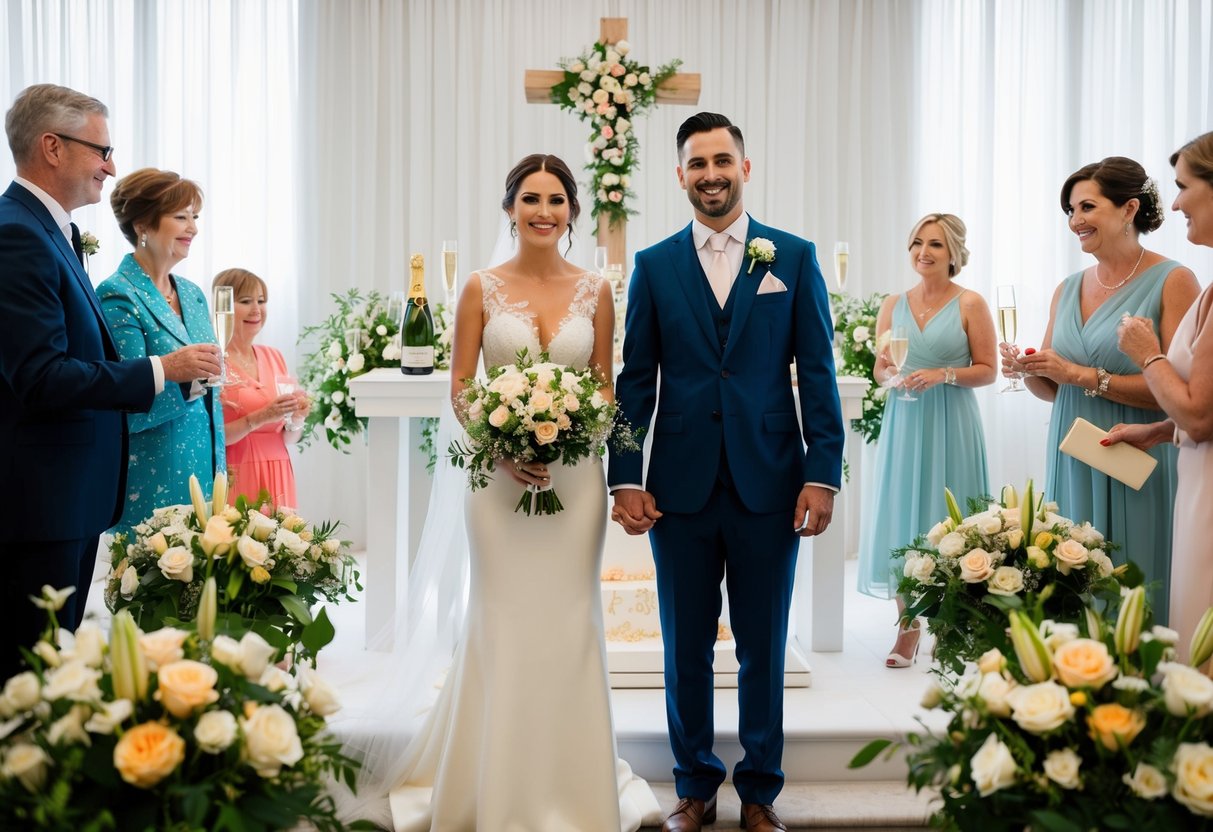
When planning a wedding, it’s important to understand who typically covers the costs of various elements. This can help you create a budget and make informed decisions about your wedding expenses. Below are the main areas where financial responsibilities often fall.
Ceremony and Reception Costs
The ceremony and reception are often the largest expenses in a wedding budget. Traditionally, the bride’s family pays for these costs, which can include the venue, catering, and decor.
This might account for a significant portion of your total expenses. Couples can also choose to split these costs, especially in modern weddings.
Be aware of additional fees like officiant costs, which typically range from $200 to $500, and the marriage license, often costing between $25 and $100.
Planning ahead for these expenses is crucial to avoid financial stress.
Attire, Rings, and Beauty Expenses
Attire and rings are vital components of your wedding. The wedding dress can cost between $1,000 to $3,000, and alterations may add more to this price.
You will also need to consider the groom’s wedding band, which can range from a few hundred to a few thousand dollars.
Additionally, don’t forget the engagement ring, which is usually the responsibility of the groom, costing on average $5,000.
Beauty costs, including hair and makeup services, can add another few hundred dollars. It’s smart to set aside budget amounts for each of these elements.
Post-Wedding Considerations
After the wedding, you might encounter a few additional expenses. Couples often choose to go on a honeymoon, which can be another significant expense.
Traditionally, the groom pays for the honeymoon, but many couples now split these costs.
You should also factor in any costs related to thank-you gifts or post-wedding brunches for guests, depending on your preferences.
Understanding these aspects will prepare you for the various financial responsibilities that come with marriage.
Additional Wedding Celebrations and Their Expenses

Weddings often include many celebrations beyond the main event, each with its own costs. Understanding these expenses helps you budget wisely and plan for a memorable experience.
Pre-Wedding Events
Pre-wedding events like engagement parties and bridal showers are special moments to celebrate with family and friends. The engagement party can range from a simple gathering at home to an extravagant night out. Costs typically run from $200 to $1,500, depending on the venue and guest list.
Bridal showers often cost between $100 and $600. Planning food, decorations, and activities adds up. Don’t forget to budget for gifts for the hosts, as this is customary. These events set a joyful tone for your wedding and allow for more personal connections with your guests.
Wedding Day Extras
The wedding day itself includes various expenses. For example, the wedding cake usually costs between $300 and $1,000, depending on size and design. Adding a bride’s bouquet can cost around $200, while floral arrangements for the venue might be $1,000 or more.
Photography and videography services are essential for capturing your day. You can expect to spend $1,000 to $3,000 for quality coverage.
To keep the party going, you will also need a DJ or live band. Hiring one will typically cost $800 to $2,500, making your reception lively.
Don’t skip on beverages; alcohol at the reception can add significantly to costs. Consider whether to offer a full bar or a limited selection. This can affect your budget greatly, with some couples spending thousands on drinks alone.