
Do You Have to Kiss the Bride to Be Married? Exploring Wedding Traditions
When it comes to weddings, traditions often guide what happens during the ceremony. You might be wondering if kissing the bride is a must for your marriage to be official. The answer is no; you do not have to kiss the bride to be legally married.
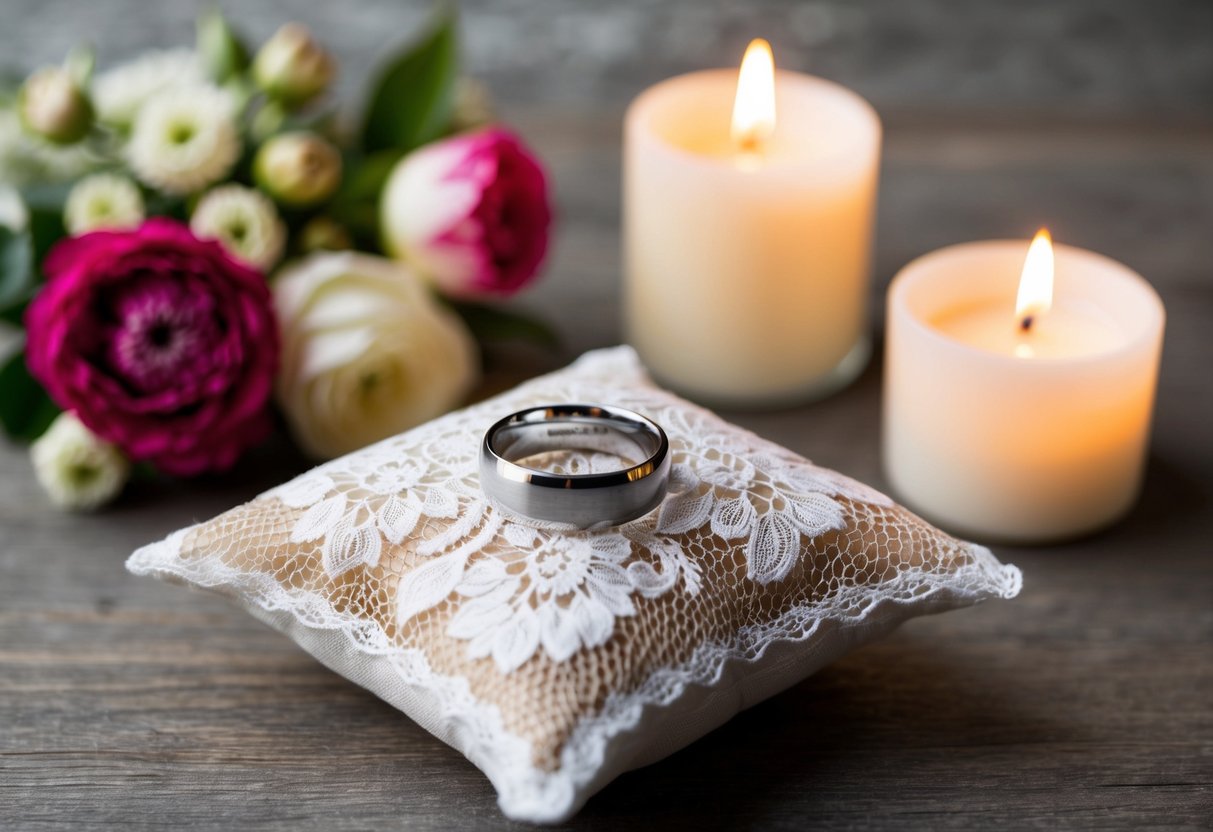
Many couples find that this moment is special and meaningful, but it’s not a legal requirement. You can choose to express your love in different ways, such as exchanging personal vows or sharing a hug. This flexibility allows you to create a ceremony that feels true to you and your partner.
As you plan your big day, keep in mind that it’s all about what makes you both happy. Whether you decide to share that iconic kiss or come up with your own unique way to celebrate, what matters most is your commitment to each other.
The Significance of the Wedding Kiss
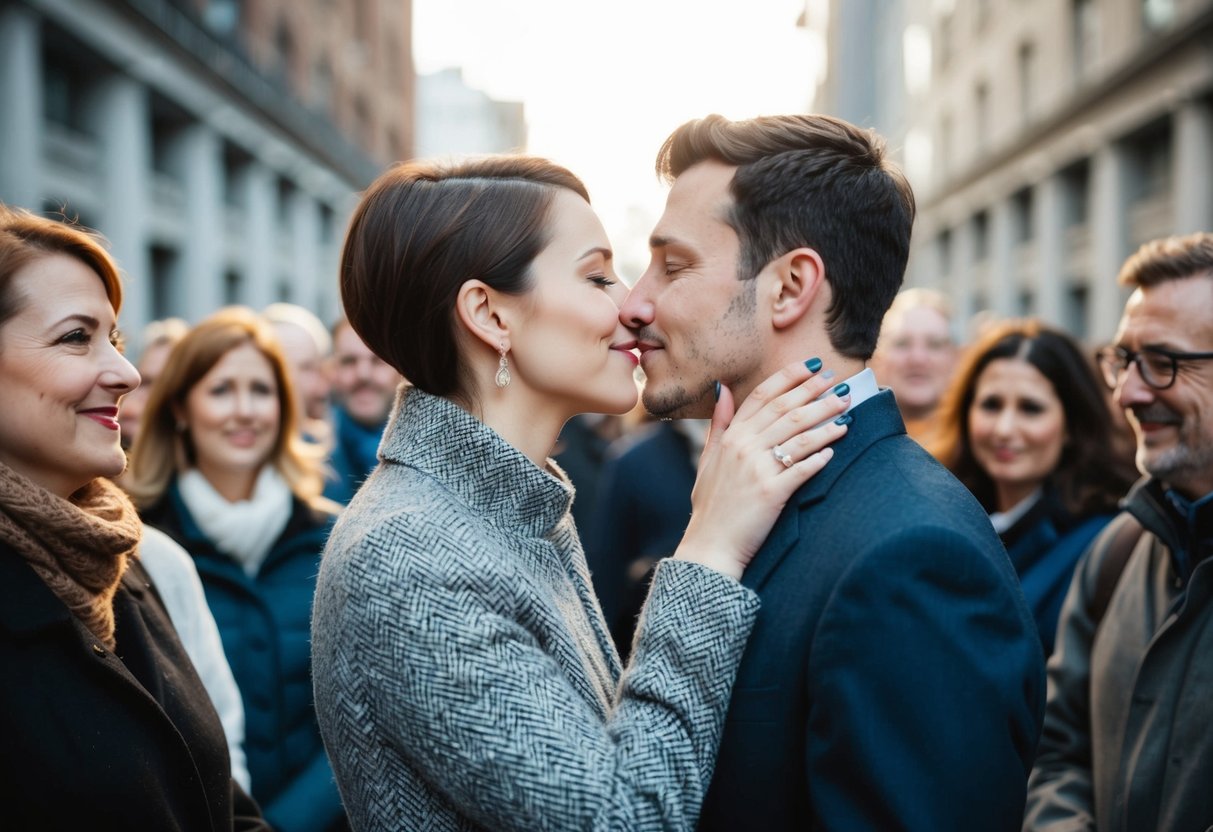
The wedding kiss is a meaningful part of the ceremony that carries both historical weight and deep symbolism. This act not only marks the couple’s first kiss as a married pair but also connects them to traditions that span centuries.
Historical Background
The tradition of kissing at weddings dates back to ancient times. In Ancient Rome, a kiss could symbolize a legal contract. This practice extended into marriage ceremonies, highlighting the commitment between partners.
In early Christian ceremonies, the “kiss of peace” was a common practice. It signified unity and love within a community. Over time, this evolved into the moment when the couple seals their vows with a kiss.
The phrase “you may now kiss the bride” has become a hallmark of wedding ceremonies, reinforcing the significance of this act as the official conclusion of the ceremony.
Symbolism and Significance
The wedding kiss symbolizes the couple’s union and commitment. When you share your first kiss as a married couple, it embodies the moment when “two shall become one flesh” as described in scripture.
Sharing a kiss during the ceremony is a personal choice that reflects your love and connection. While some couples may prefer a simple embrace or to exchange rings, many find that a kiss adds warmth and joy to their vows.
This gesture is not just about romance; it also represents the start of your life together. It marks the transition from individual lives to a shared journey as partners in marriage, making it a moment you’ll always remember.
Wedding Kiss Across Cultures and Traditions
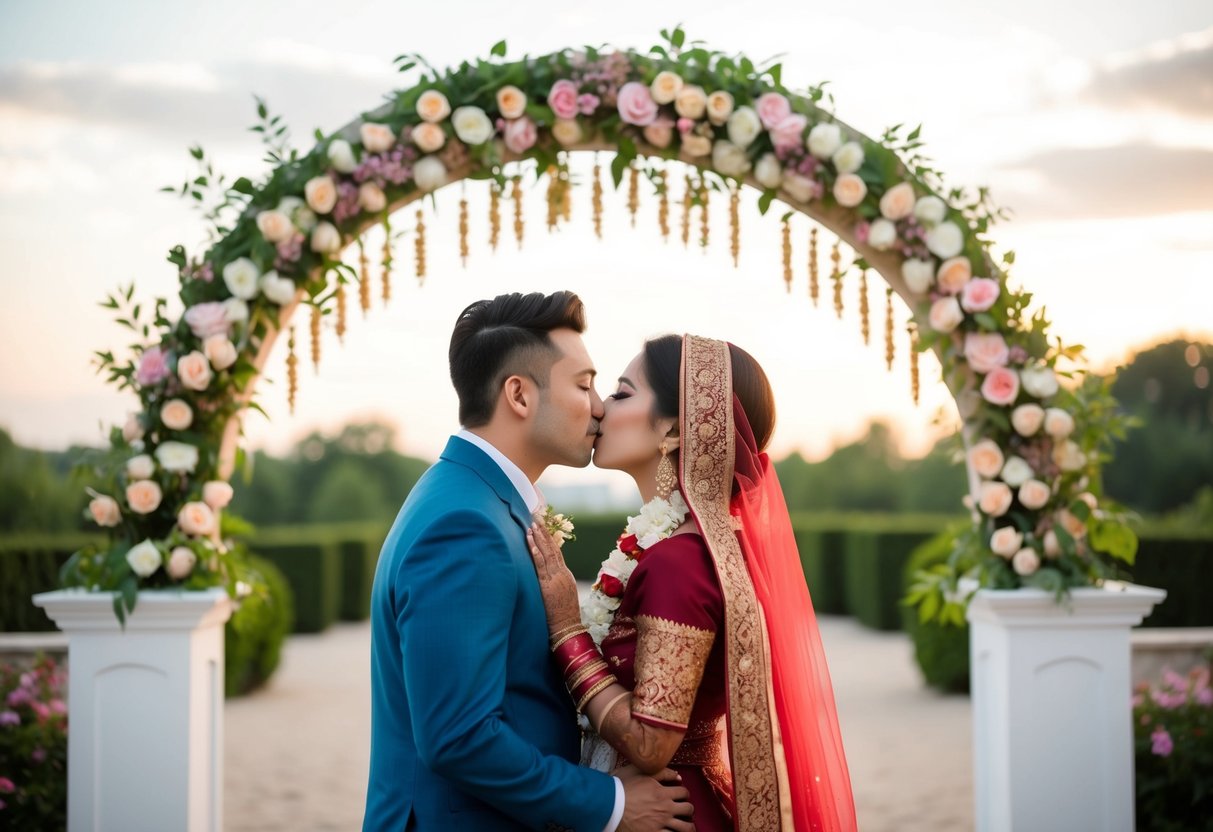
Kissing the bride is a cherished tradition in many cultures. It symbolizes love, commitment, and the bond between the couple. Let’s explore how this practice varies across different wedding ceremonies.
Christian Weddings
In Christian weddings, the wedding kiss is significant. After the pronouncement of marriage, the celebrant often invites the couple to share their first kiss. This moment represents the sealing of their vows and is filled with joy.
Different Christian denominations might have varying approaches. For instance, in some ceremonies, the kiss is accompanied by a nuptial blessing, adding spiritual depth. The couple often exchanges heartfelt vows before this shared kiss, making it even more meaningful.
Muslim Weddings
In Muslim weddings, the kiss is not always a formal part of the ceremony. The focus is typically on the Nikah, or marriage contract, which represents the couple’s commitment. While public displays of affection (PDA) may not be common, the couple might share a private kiss after the ceremony.
Here, the emphasis is on the religious aspect of joining two families. The celebrant plays a crucial role in explaining the terms of the marriage contract. The couple’s connection grows deeper after the ceremony, where they might express their love in private settings.
Jewish Weddings
In Jewish tradition, the moment of the kiss happens after the couple is pronounced husband and wife. The officiant may not explicitly state, “You may kiss the bride,” as it is often understood that the groom will kiss his bride. This act marks the culmination of their vows, representing unity and commitment.
The significance of the kiss resonates through various rituals, such as the breaking of the glass. This symbolizes the fragility of relationships, reminding the couple to nurture their bond. The kiss is a powerful expression of love and shared life ahead.
Royal and Public Weddings
Royal weddings often capture public attention, and the kiss is a highlight. After the ceremony, royal couples traditionally make an appearance on the balcony to share a kiss, symbolizing their love and the union. This moment is celebrated by the public and signifies the beginning of their journey together.
In these ceremonies, the kiss is more than just a reaffirmation of vows; it represents hope and stability for future generations. The public nature of the kiss serves to rally support and excitement from their subjects, blending personal affection with royal tradition.
Legal and Ceremonial Elements of Marriage

In a wedding ceremony, certain elements create both a legal bond and a public acknowledgment of your commitment. These aspects are essential for formalizing your relationship and showcasing your love and devotion in front of family and friends.
Legal Bond and Public Acknowledgment
The legal bond of marriage is established by the officiant during the ceremony. This involves a wedding pronouncement declaring you as a married couple. In many cultures, this is the moment that solidifies your legal status.
A public kiss often follows the pronouncement. It symbolizes your unity and is a heartfelt moment for you and your guests. In some traditions, such as in Islamic weddings, there are specific rituals like the nikkah that formalize the marriage.
Exchange of Vows and Rings
During the ceremony, you exchange vows and rings, which are key components. The vows express your commitment, love, and devotion to each other. This part of the ceremony is deeply personal and can reflect your unique relationship.
The ring exchange is another significant element. Rings symbolize the unbroken circle of love. In cultures like those practicing the haq mehr, additional customs may accompany this exchange, showcasing the commitment and responsibilities of marriage. Events like the walima reception may follow the ceremony, further celebrating your new life together.
Modern Interpretations and Personal Preferences
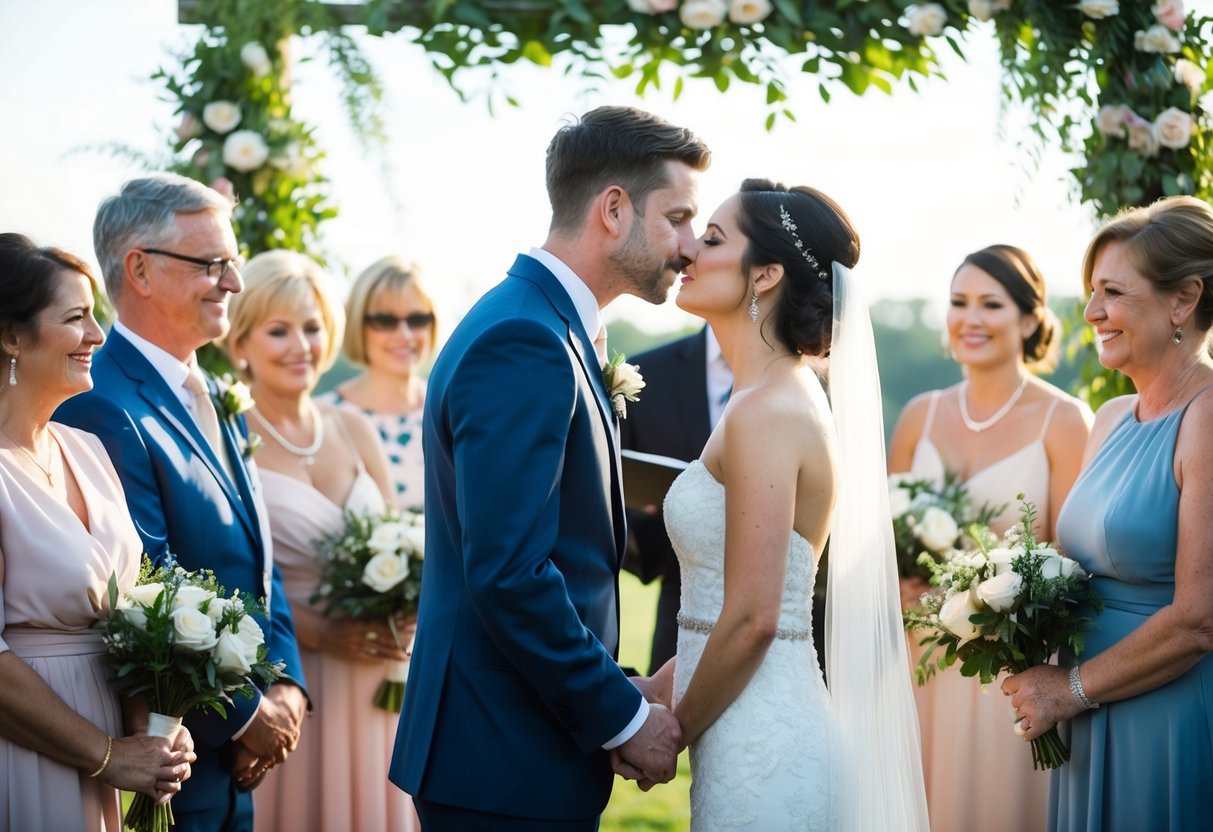
Today, many couples are rethinking wedding practices, including the kiss. It’s important to understand how personal preferences and modern interpretations shape the way couples approach their ceremonies. This can include comfort levels with public displays of affection and the desire for unique customs.
Public Displays of Affection (PDA)
Public displays of affection can feel daunting for some couples. The traditional wedding kiss, often seen as a symbol of unity, might not suit your style.
For you, a light peck might feel more comfortable than a passionate kiss in front of guests. Some couples prefer to skip the kiss entirely or replace it with a playful gesture, like a high five or a celebratory dance.
Your preferences matter. The goal is to celebrate your love in a way that feels authentic. It’s essential to communicate with your partner about what feels right for both of you.
Alternative Wedding Customs
Exploring alternative customs can lead to a unique celebration that reflects your personality. Many couples today want to distance themselves from traditional expectations around kissing at the wedding.
Instead of the classic “You may now kiss the bride,” couples might create their own wording. Some might choose a heartfelt statement about love or unity.
Others may include rituals from their cultural backgrounds that celebrate love without a kiss.
Consider activities like sharing a toast, lighting a unity candle, or even taking a selfie to capture the moment. Whatever you choose, the focus should be on celebrating your relationship in a way that feels genuine and meaningful to you.