
Does Bride Sit on Right or Left? Understanding Wedding Seating Traditions
When planning your wedding, you might wonder about the age-old question: does the bride sit on the right or left? Traditionally, the bride sits on the groom’s left side during the ceremony. This seating arrangement has roots in custom and tradition, providing a meaningful setup for the big day.
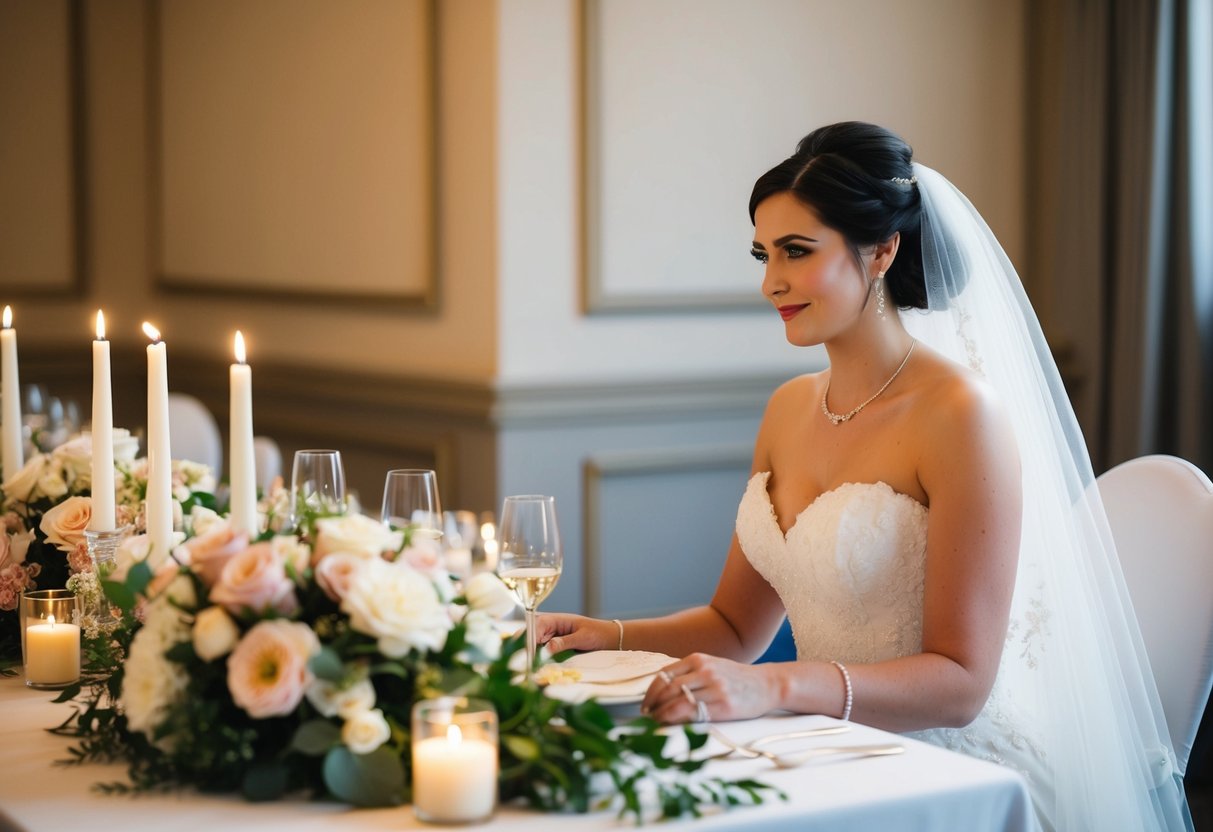
Understanding this tradition helps you navigate the seating arrangements not just for the couple, but also for family and friends. Many weddings follow a structure where the bride’s parents are on one side and the groom’s on the other. Exploring the significance of these placements can add a deeper connection to your wedding ceremony.
As you prepare for your special day, knowing these details can enhance your experience. You can choose to follow these traditions or make your own unique choices, adding personal meaning that reflects your journey as a couple.
Historical Significance and Traditions

Understanding why the bride sits on the left side during traditional ceremonies reveals both cultural roots and symbolism deeply embedded in history. This practice ties back to ancient customs and codes that shaped the way modern weddings are celebrated.
Cultural Roots and Ancient Codes of Chivalry
Historically, the arrangement of bride and groom at a wedding has roots in medieval codes of chivalry. It was common for a bride to stand on the left side of the altar. This position allowed the groom to keep his sword arm free on the right side for protection.
Additionally, this setup symbolized the groom’s role in safeguarding the bride. It reflected the idea that he would defend her from any danger, showcasing his commitment and loyalty. These traditions highlight how weddings were not only a union of love but also a pact of protection and support.
Alter Placement and Symbolism
The placement of the bride and groom at the altar carries significant symbolism. The bride on the left underscores her importance in the ceremony while allowing her right hand to be free for the exchange of vows or rings.
In many traditions, friends and family of the bride sit on the left, reinforcing the idea of support from her side. On the other hand, the groom’s family typically occupies the right. This alignment represents the merging of two families, showcasing the unity created through marriage.
Such practices reflect the historical significance of gender norms and family roles in weddings. They provide a glimpse into how customs have evolved while still holding meaning in the present day.
Modern Interpretations and Variations
Today, wedding ceremonies are often shaped by personal beliefs and modern customs. This means that the traditional roles regarding which side the bride stands on can vary widely. Factors like the type of ceremony, cultural background, and individual preferences play a big part in these decisions.
Different Ceremonies, Different Rules
In different cultures, the position of the bride can change. For example, in Jewish weddings, the bride usually stands on the left. This placement allows her right hand to be free for traditional blessings. In a Hindu wedding, the couple may stand side by side, emphasizing equality.
For same-sex couples, traditional roles may not apply. You can choose where to stand based on what feels right for you. During an outdoor wedding, the setting can also influence seating and standing arrangements. A beautiful backdrop might encourage a more relaxed setup.
Role of Personal Preference and Wedding Planners
Your wedding planner can help you decide how to arrange the seating and standing at your ceremony. They will consider your preferences and any special traditions you want to honor. Some couples feel strongly about following customs, while others prefer a more modern approach.
Personal preference plays a huge role in how you want your day to look. You might choose to sit or stand based on comfort or the atmosphere you wish to create. It’s all about what makes you and your partner feel most connected on your special day.
Wedding Party Dynamics

Understanding the dynamics of your wedding party is essential for a smooth ceremony and reception. The roles of your bridal party and how you arrange seating can enhance the celebration for you and your guests. Let’s explore these important aspects.
Roles of the Bridal Party
Your bridal party plays a vital role in your wedding. Each member contributes to making the day special. The maid of honor supports you with planning and organization. She is often by your side during dress fittings and provides emotional support.
Bridesmaids help with various tasks, from planning the bridal shower to assisting guests. They stand beside you during the ceremony, creating a beautiful visual layer.
On the groom’s side, the best man helps with planning the bachelor party and manages wedding day details like the rings. Groomsmen assist him while also welcoming guests. Special members like the ring bearer and flower girl add charm, walking down the aisle to symbolize love and innocence.
Seating Arrangements for the Bride and Groom
Seating arrangements should reflect relationships and dynamics. Traditionally, the bride sits on the left and the groom on the right during the ceremony. This arrangement highlights the importance of both families.
During the reception, consider a bridal party table. Here, the bride and groom sit with their closest friends and family. This setup fosters a warm environment and allows for easy interaction.
Be sure to plan seating for the groomsmen and bridesmaids nearby, maintaining a balanced look. Place the best man and maid of honor close to you so they can support you during the celebration. Think about the dynamics between guests when arranging seats to ensure everyone feels comfortable and included.
Ceremony Specifics and Etiquette
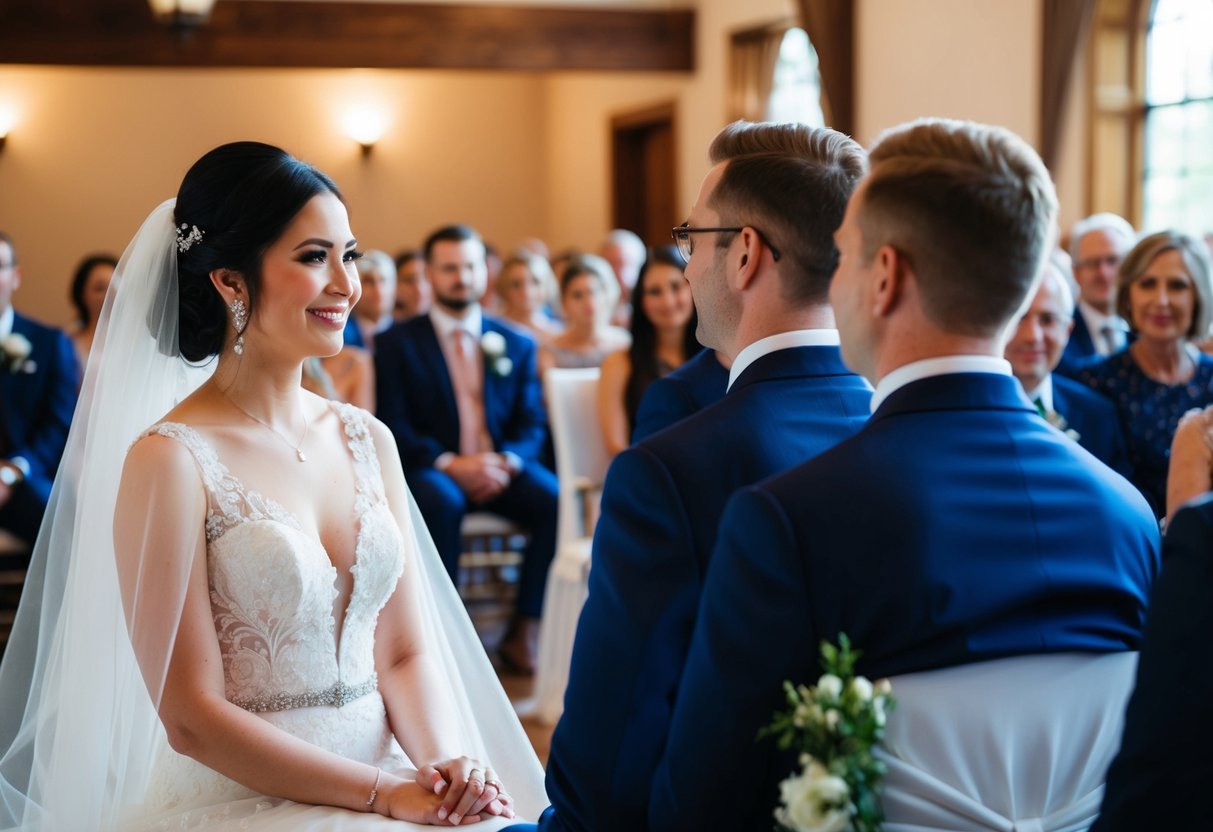
When planning for your wedding ceremony, it’s important to pay attention to seating arrangements and the flow of the processional. Knowing where everyone sits and how the processional unfolds will help set a comfortable tone for your special day.
Navigating the Processional
During the wedding processional, proper etiquette is key. Typically, the bride’s family sits on the left side of the church while the groom’s family takes the right. This arrangement is traditional in many cultures, promoting a sense of unity and support for both sides.
As you prepare, discuss the order with your wedding officiant. They often guide the processional to ensure everything flows smoothly. Guests usually stand when the bride enters, emphasizing the emotional weight of the moment.
Don’t forget to remind your guests of any traditions specific to your ceremony, especially if it’s a Catholic wedding where specific prayers or rituals may be included.
Emotions and Moments to Capture
Your wedding ceremony will be filled with emotional moments that are truly special. One key moment is the exchange of vows, where you and your partner express your love and commitment. This is a highlight, so remind your photographer to capture it.
Additionally, presenting wedding rings is another important moment filled with deep emotion. When you place the ring on each other’s finger, it’s a symbolic action of your marriage. Moments like these should be cherished, so consider creating a quiet space for personal reflections before the ceremony begins.