
Does the Groom Sit on the Left? Understanding Wedding Seating Traditions
At weddings, seating arrangements can sometimes be confusing, especially when it comes to where the groom sits. Traditionally, the groom does sit on the left side during the ceremony. This custom has its roots in various cultural practices and is often carried forward as a sign of tradition.
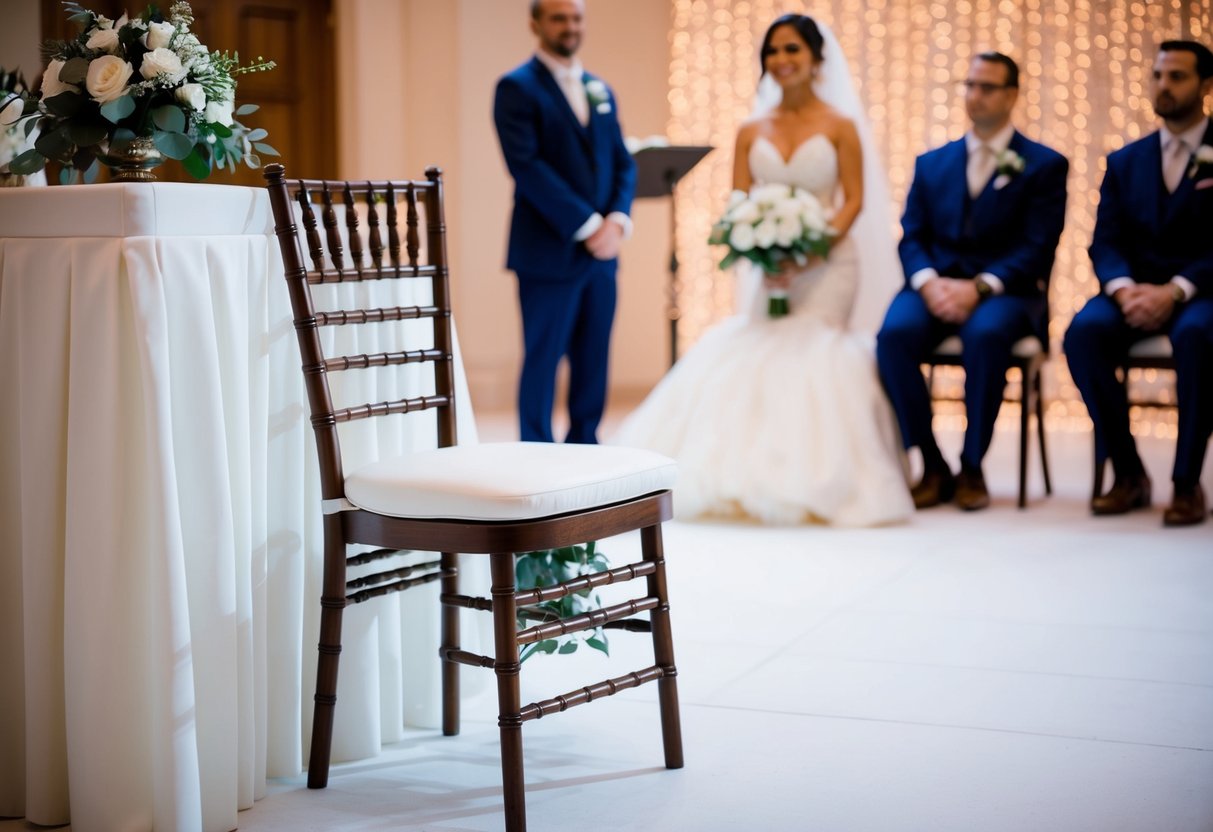
Understanding this seating arrangement can help you plan your wedding day more smoothly. Knowing where the groom and his family should sit can also guide your guests in finding their seats easily.
Different ceremonies may have their own variations, but the groom generally occupies the left side when looking toward the altar.
Whether you are planning your own wedding or attending one, being aware of these traditions adds a special touch to the celebration. It’s fascinating to see how these customs shape the wedding experience and how they create a warm atmosphere for everyone involved.
History and Symbolism of Wedding Seating
Wedding seating arrangements have deep historical roots and significant symbolism. Understanding these traditions can enrich your own wedding experience, making it feel more meaningful.
Origins in the Middle Ages
During the Middle Ages, weddings were not only personal but also social and political events. The seating was carefully arranged to reflect the social status of families involved.
Typically, the bride’s family sat on the left side, while the groom’s family sat on the right. This division highlighted the lineages and maintained social order. The arrangement also symbolized the unity of two families coming together.
Vena Amoris and Wedding Rings
The concept of the vena amoris, or “vein of love,” has historical significance related to wedding ceremonies. This ancient belief suggested that a vein runs from the fourth finger directly to the heart.
For this reason, engagement and wedding rings are traditionally worn on this finger. The rings serve as a symbol of love and commitment, connecting you to your partner in a deeper sense during the ceremony.
Cultural Variations in Ceremony Seating
Cultural practices greatly influence wedding seating arrangements. In traditional Christian weddings, the bride’s guests sit on the left, while the groom’s guests sit on the right.
In Jewish weddings, the setup is reversed. Here, the groom’s family sits on the left side and the bride’s on the right. Hindu weddings often have their unique arrangements, focusing on the spiritual elements of the ceremony rather than strict seating rules.
Understanding these variations helps you appreciate your wedding’s unique cultural significance.
Modern Wedding Seating Etiquette
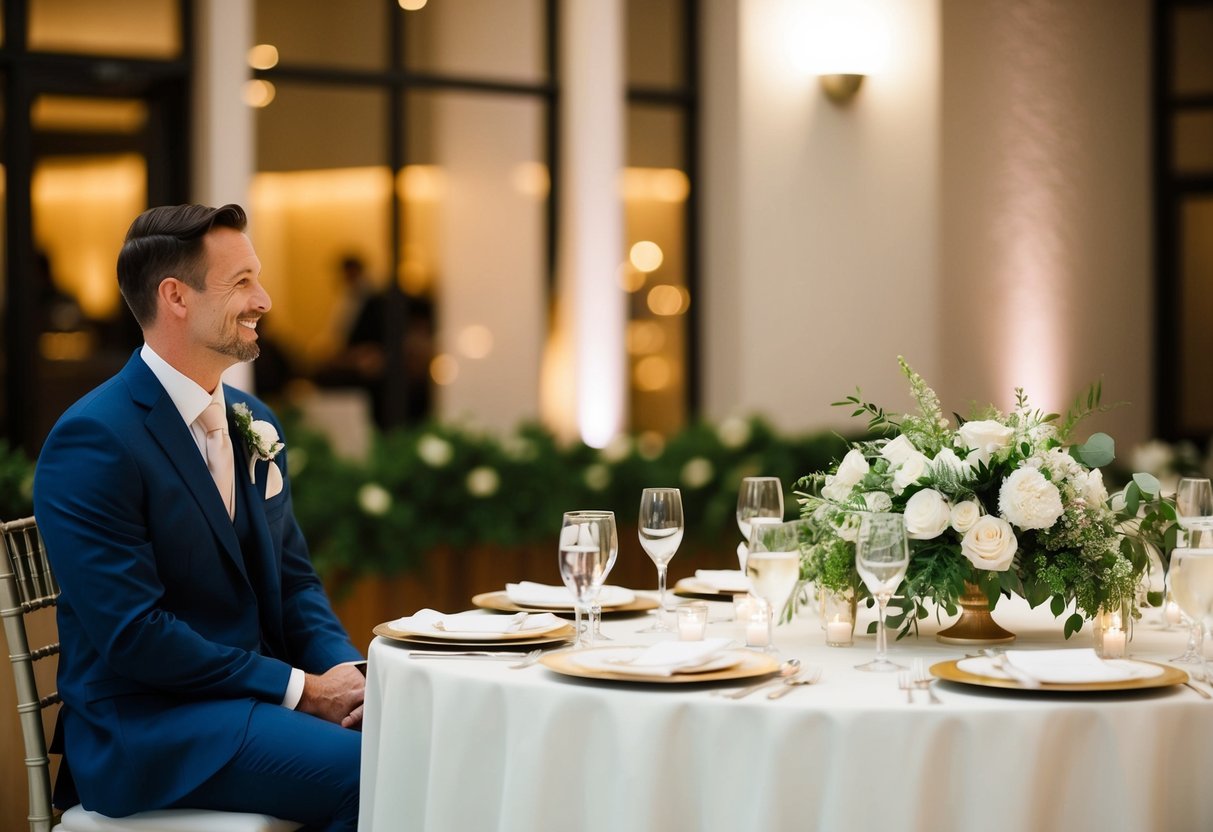
When planning your wedding, seating arrangements play an important role in the flow of the ceremony and reception. Understanding different customs and modern approaches can help you create a meaningful experience for you and your guests.
Seating for Christian Weddings
In traditional Christian weddings, the seating follows specific customs. Typically, the bride’s family sits on the left side, while the groom’s family is on the right. This arrangement symbolizes the joining of two families.
During the ceremony, ushers usually guide guests to their seats, ensuring everyone knows where to go. The bride often sits on the groom’s left side at the altar.
At the reception, common setups include a sweetheart table for the couple or a top table that includes close family members.
Inclusive Seating for Same-Sex Couples
Modern weddings increasingly reflect inclusivity. For same-sex couples, seating arrangements can be flexible and personal. You can decide together how you want to design the layout.
Some couples choose to have a shared aisle or mixed seating among friends and family. It’s important to ensure everyone feels welcomed. Inviting your guests to sit wherever they feel comfortable shows unity and openness, making your day even more special.
Alternatives to Traditional Seating
If you want to break from tradition, there are many alternatives to consider. You could opt for a non-traditional layout like a circular seating arrangement, allowing all guests to see and feel involved in the ceremony.
Another option is creating specific zones, such as a lounge area with couches and chairs for a more relaxed atmosphere. Alternatively, consider a family-style table for the reception, which encourages conversation and togetherness. This modern approach can make your wedding feel more intimate and enjoyable for everyone.
Role of the Wedding Party and Officiant
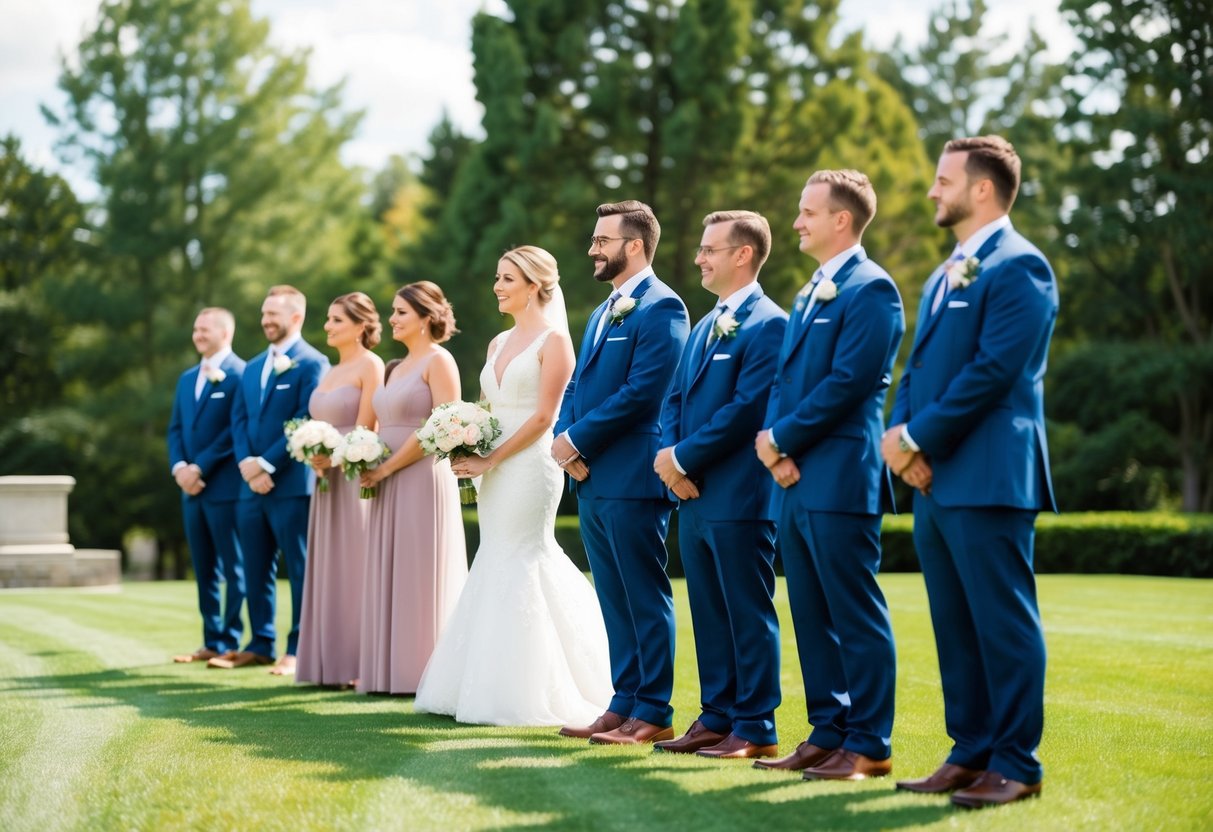
The wedding party and officiant play key roles during the ceremony. Each member has their own responsibilities and locations that help ensure the day runs smoothly.
Responsibilities of Ushers
Ushers are important for setting the tone of your ceremony. They help guests find their seats and make sure family and friends are in the right places.
Typically, ushers will greet guests with a smile, hand out wedding programs, and guide them to their designated areas. They may also assist with family seating and direct them to the altar before the ceremony begins.
Having ushers helps reduce confusion during the seating process. This allows you to focus on enjoying your special day.
Positioning of the Wedding Party
Your wedding party usually includes bridesmaids, groomsmen, flower girls, and ring bearers. Each person has a specific position to create a beautiful scene at the altar.
Traditionally, the bride stands on the left side and the groom on the right. The bridesmaids line up to the bride’s side, while the groomsmen stand beside the groom. The best man is usually next to the groom, assisting him with any needs.
To keep it organized, consider rehearsing the order several days before the ceremony. This will help everyone understand where to go.
Placement of the Officiant
The officiant stands at the altar, usually in the center, facing the couple. This positioning allows them to lead the ceremony and interact with both you and your guests.
It’s common for the officiant to engage with the wedding party during the vows. They ensure everyone knows what to expect and when to participate, especially during the exchanging of rings or special readings.
Having a clear view of the couple allows the officiant to make the ceremony feel personal. This placement helps create a connection with your guests.
Designing Your Ceremony Space
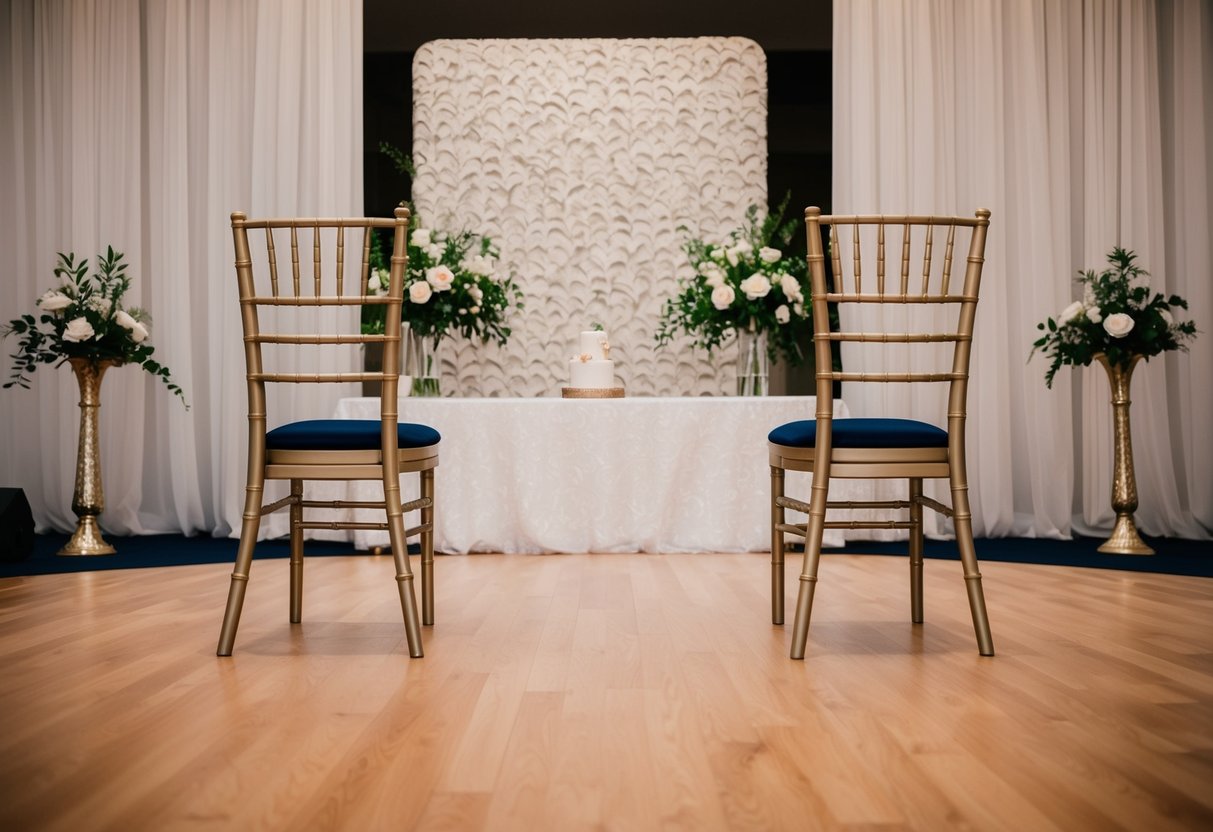
Creating a beautiful ceremony space is key to setting the mood for your wedding. The layout and organization of the area impact how everything flows, from guest seating to the altar‘s position. Here are some important aspects to consider when designing your space.
Considering the Altar Placement
The altar is the focal point of your ceremony. It’s where you will exchange vows and celebrate your eternal love.
You might choose a traditional setup, placing the altar at the front center, or opt for a more personalized approach.
Consider the visibility of the altar for all your guests. Ensure they have a clear line of sight. If you’re outdoors, factor in natural elements like trees or hills that might obstruct views.
Be sure to arrange seating comfortably. Guests may need to lean forward to see you clearly, so ensure there’s enough space. You can also incorporate beautiful decorations around the altar, using flowers or fabrics that match your wedding theme.
Outdoor and Unconventional Venues
Outdoor weddings offer unique benefits like scenic backdrops and natural lighting. However, they come with challenges too.
Make sure you have a backup plan in case of bad weather, like a tent or an indoor space.
Choose venues that enhance the charm of your ceremony. Beaches, gardens, and parks can all provide stunning visuals. Keep in mind the layout. Designate paths for guests, allowing easy movement without disruption.
If you’re in an unconventional space, get creative. You can use different levels for seating or incorporate interesting features, like asymmetric arrangements. Make the most of your space to reflect your style.
Creating a Personalized Wedding Program
A wedding program is more than just an agenda; it’s a chance to express your personality and share your journey.
Detail the ceremony structure and significant moments, like the mangal phera ceremony, to inform guests of what to expect.
You can customize the program with personal touches that reflect your story. Include quotes about love or short anecdotes that tell more about your relationship. Also, share the roles of important people in your life.
Consider using all elements of your program as a design piece. Choose colors and fonts that align with your theme, making it visually appealing. This will enhance the overall aesthetic of your ceremony space.