
Garden Wedding Venues You Can Stay At: Planning Guide
A garden wedding venue with on-site lodging gives you a beautiful ceremony setting and a shared place for guests to relax, celebrate, and sleep. For couples planning a wedding weekend, private estates, inns, and garden retreats with on-site rooms are the strongest choice because they combine the venue, guest accommodations, and overnight experience in one property.
You can host your wedding ceremony among flowers, trees, fountains, or vineyard rows, then move to the reception without sending guests across town. On-site lodging also makes welcome gatherings, getting ready, late-night celebrations, and farewell brunches easier to coordinate. Before you reserve a date, confirm the property’s sleeping capacity, rental terms, weather plan, vendor rules, and full price. If you want help comparing properties, explore garden wedding ideas and start building a shortlist that fits your guest count and weekend plans.
What Makes a Garden Venue a True Stay-On-Site Wedding Venue?
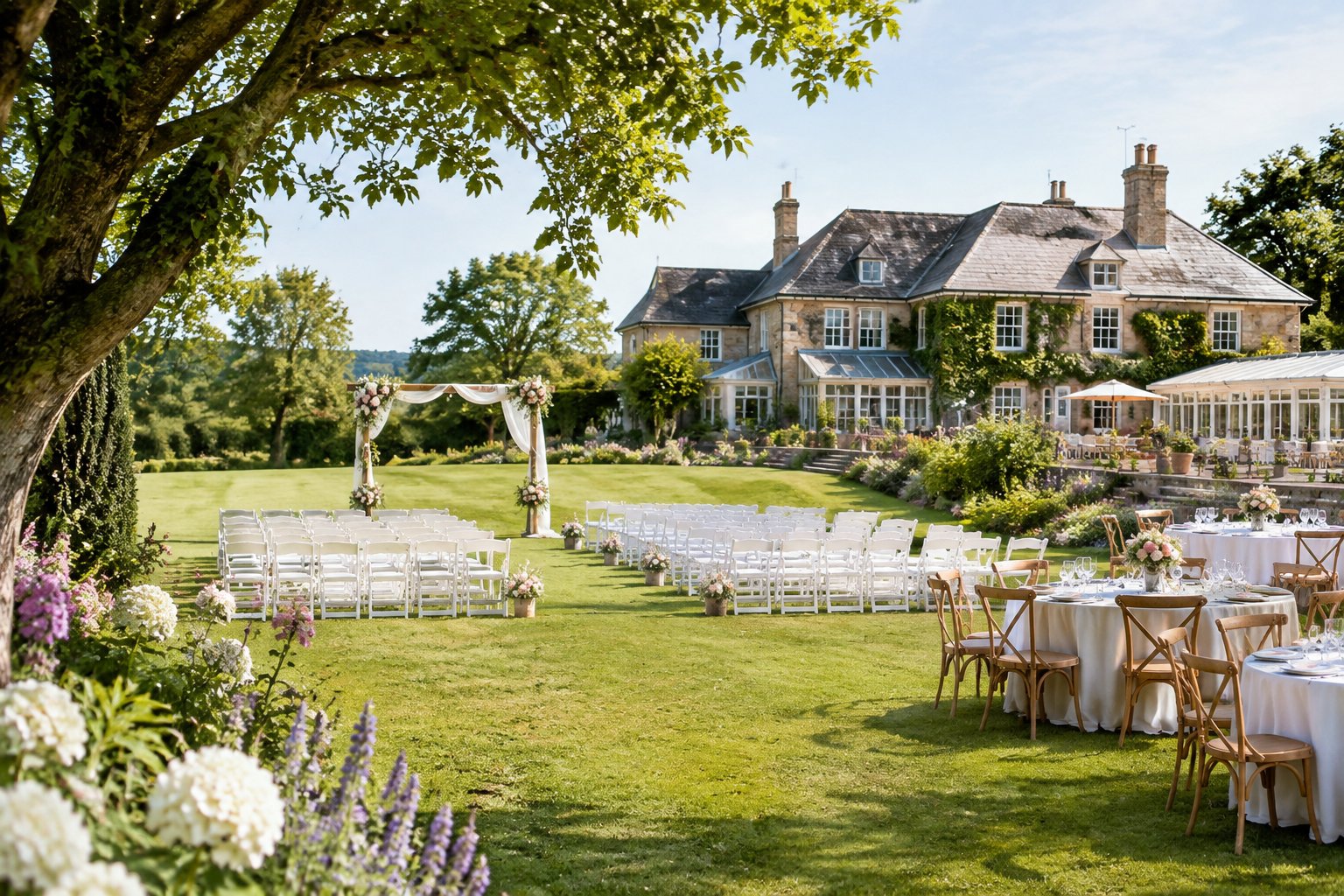
A true stay-on-site wedding venue includes both event space and guest accommodations on the same property, with clear terms for sleeping, celebrating, and using shared grounds. The property should support your wedding ceremony and reception while giving overnight guests a practical place to stay.
On-Site Lodging vs. Nearby Hotels
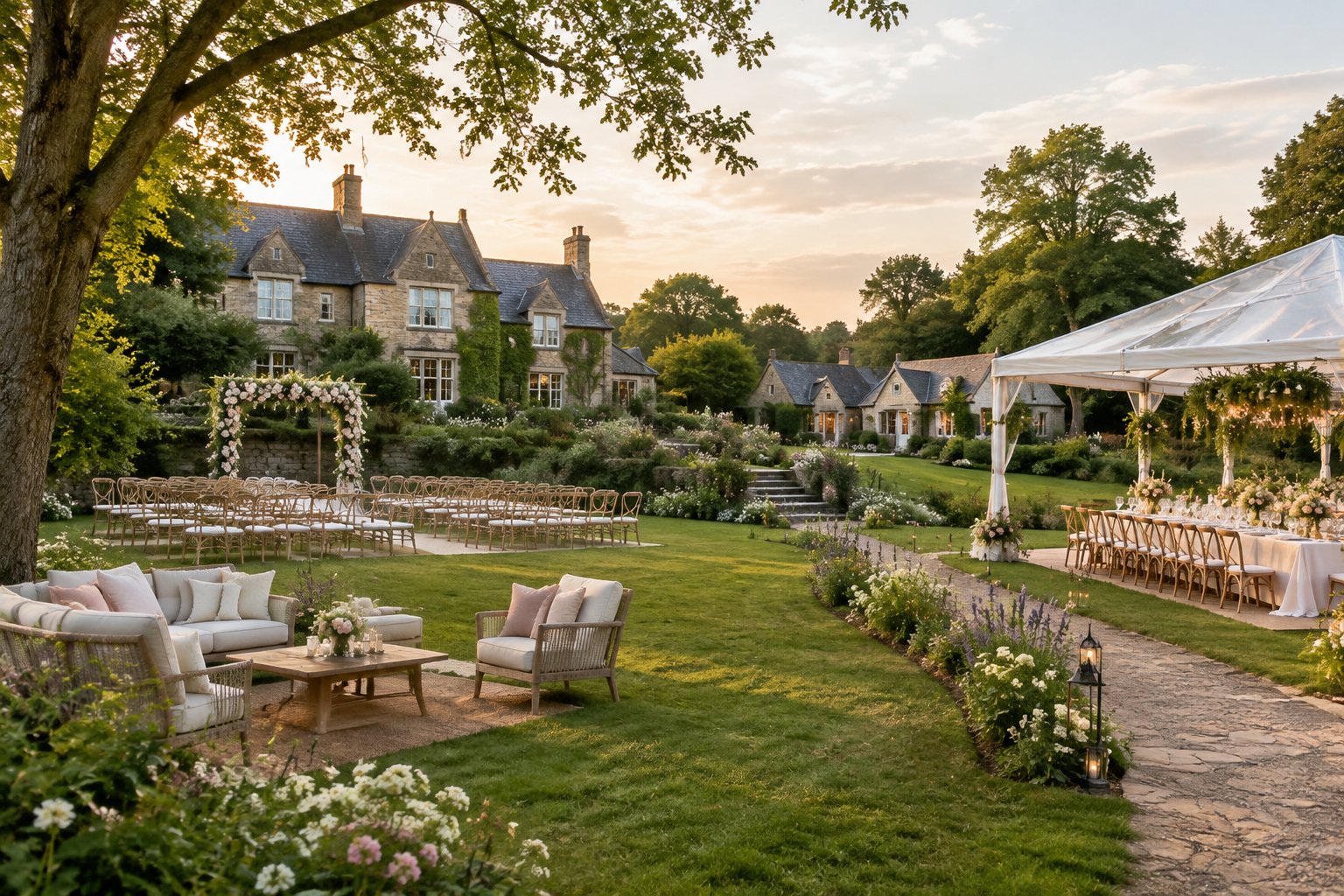
On-site lodging places guests close to the ceremony, reception, and weekend activities. Guests can walk back to their rooms after the reception, while you avoid coordinating as many shuttles and arrival times.
Nearby hotels still work well when a property has limited rooms. Ask whether the venue helps arrange a room block, how far the hotels are from the property, and whether transportation is needed. Compare the total cost of hotel rooms, shuttles, and extra event spaces with the venue’s lodging package.
Who Can Sleep on the Property?
Ask for the exact number of bedrooms, beds, bathrooms, and private suites. An event capacity of 150 guests does not mean the property provides overnight lodging for 150 people.
Some venues reserve on-site rooms for the couple, wedding party, and immediate family. Others rent cabins, cottages, lodge rooms, or an entire estate to your group. Confirm whether children, pets, accessibility needs, and additional overnight guests fit the property’s rules.
Buyouts, Minimum Stays, and Shared Grounds
A full property buyout gives you private use of the event areas and lodging for an agreed period. Read the contract carefully to confirm whether exclusive use covers the entire weekend or only the wedding day.
Minimum stays often run for two or three nights, especially for private estates and retreat properties. Ask when check-in begins, when vendors can arrive, and when guests must leave. If the grounds are shared, identify which gardens, patios, pools, kitchens, and gathering areas belong to your group.
Choose the Right Property for Your Guest List and Style
The right garden wedding venue matches your guest count, design style, ceremony plan, and sleeping needs. A small estate suits an intimate wedding, while a resort or large botanical property supports a bigger guest list and more structured event services.
Best Fits for Intimate Weddings and Elopements
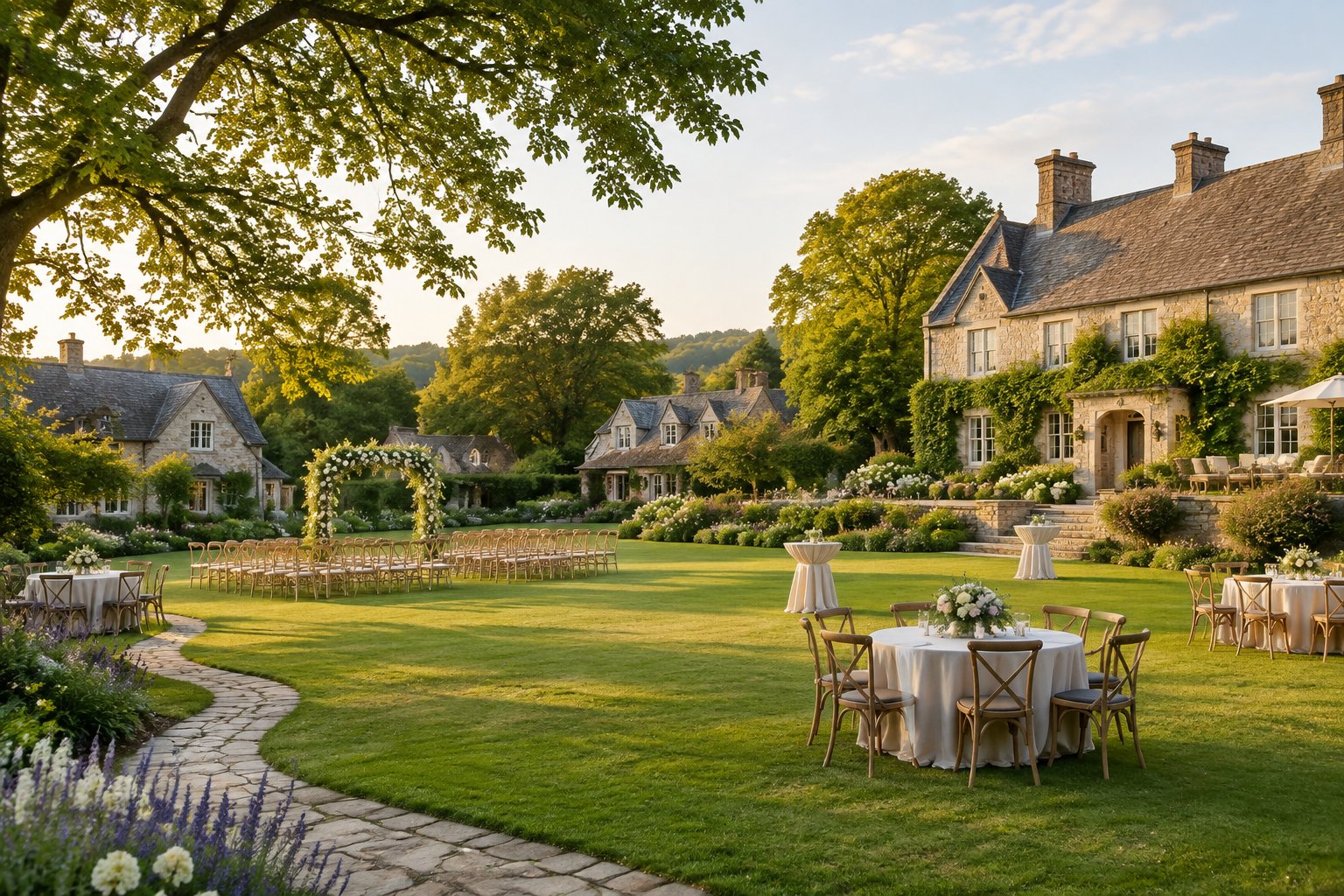
Private cottages, historic inns, and small estates create a close setting for intimate weddings and elopements. Look for a property with a garden ceremony site, a comfortable dinner area, and enough rooms for the people you most want nearby.
Ask whether the venue permits a small reception after the ceremony. Some properties focus on ceremonies and lodging, while others include private dining rooms, patios, kitchens, or covered areas for a full wedding weekend.
Garden Features That Shape the Experience
Garden details set the mood and influence your ceremony layout, photographs, and guest movement. Rose gardens bring strong color and fragrance, while botanical gardens offer varied plantings and seasonal interest. Lakeside gardens create open views, and fountains or waterfalls add sound and movement.
Vineyards provide long views and a relaxed countryside feel. Check the walking surfaces, shade, lighting, restroom access, and distance between the ceremony and reception areas. For a city-based example, Chicago Botanic Garden in Glencoe, Illinois, shows how a professionally maintained garden can provide distinct plant collections and formal outdoor spaces.
Hotels, Estates, Vineyards, and Botanical Gardens
Hotels and resorts provide larger room counts, restaurants, suites, staffing, and built-in guest services. Estates offer privacy, exclusive grounds, and a residential feel, with lodging that may include a manor house, guesthouse, or cabins.
Vineyards work well for relaxed destination celebrations with outdoor dining and local food and drink. Botanical gardens bring strong landscape design and memorable ceremony backdrops, though their event hours, access rules, and vendor policies need close review. Match the property type to the guest experience you want to create.
How to Plan a Seamless Wedding Weekend
A smooth wedding weekend uses the property as a home base for arrival, celebration, rest, and departure. Set clear event times, keep optional activities flexible, and assign one person to manage vendor and guest questions.
Build a Two- or Three-Night Event Timeline
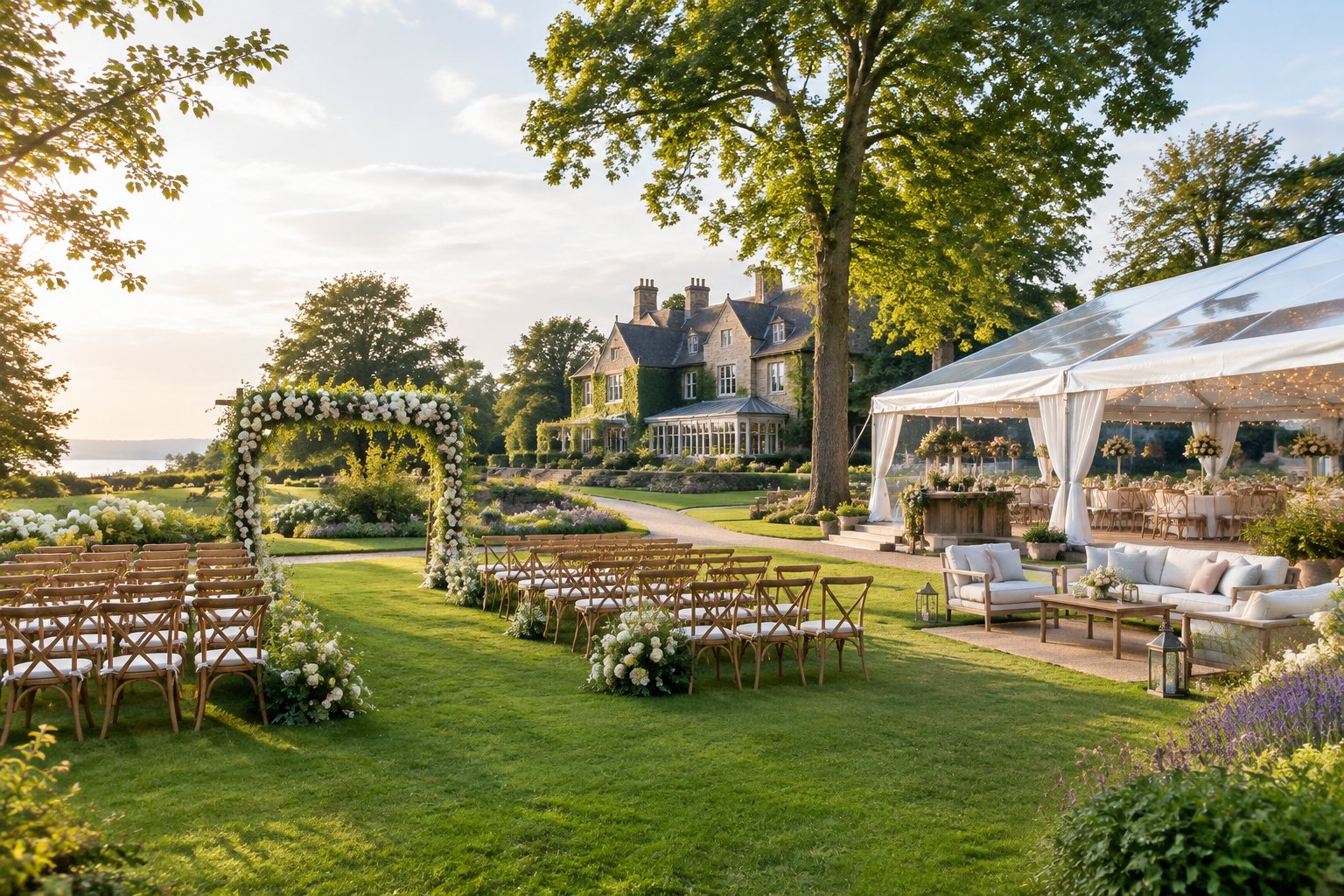
A two-night stay can cover a Friday arrival, Saturday wedding, and Sunday departure. A three-night stay gives you more time for a welcome dinner, relaxed preparation, and a full farewell gathering.
A practical schedule might look like this:
-
Friday: Check-in, property orientation, and a casual welcome event
-
Saturday morning: Breakfast, getting ready, and wedding party photos
-
Saturday afternoon and evening: Ceremony, cocktails, dinner, dancing, and an optional late-night gathering
-
Sunday: Farewell brunch, relaxed departures, and final checkout
Share arrival times, parking instructions, dress guidance, and quiet hours with guests before the weekend begins.
Plan the Rehearsal Dinner and Farewell Brunch
Use a garden patio, dining room, or covered terrace for the rehearsal dinner. A relaxed menu helps guests connect without creating a second full-scale reception.
A farewell brunch gives overnight guests time to say goodbye before leaving. Ask whether the venue provides breakfast, allows outside catering, or requires a specific food vendor. Confirm the brunch setup, cleanup window, and checkout time before adding it to your invitations.
Coordinate Rooms, Getting Ready, and Guest Arrivals
Create a room list that shows who sleeps in each room, which guests need accessible facilities, and where the couple gets ready. Reserve a private suite for wedding preparations if you need mirrors, outlets, seating, and space for hair and makeup.
Give guests one arrival point and clear parking directions. Your day-of coordination team should know which rooms are occupied, when vendors arrive, and who handles keys, luggage, late arrivals, and transportation for guests staying off-site.
How Much Do Garden Venues With Lodging Cost?
Garden venues with lodging can range from modest garden rentals with separate rooms to premium estate buyouts that bundle event space, accommodations, and weekend access. Build your wedding budget around the complete property cost, not the advertised venue rental alone.
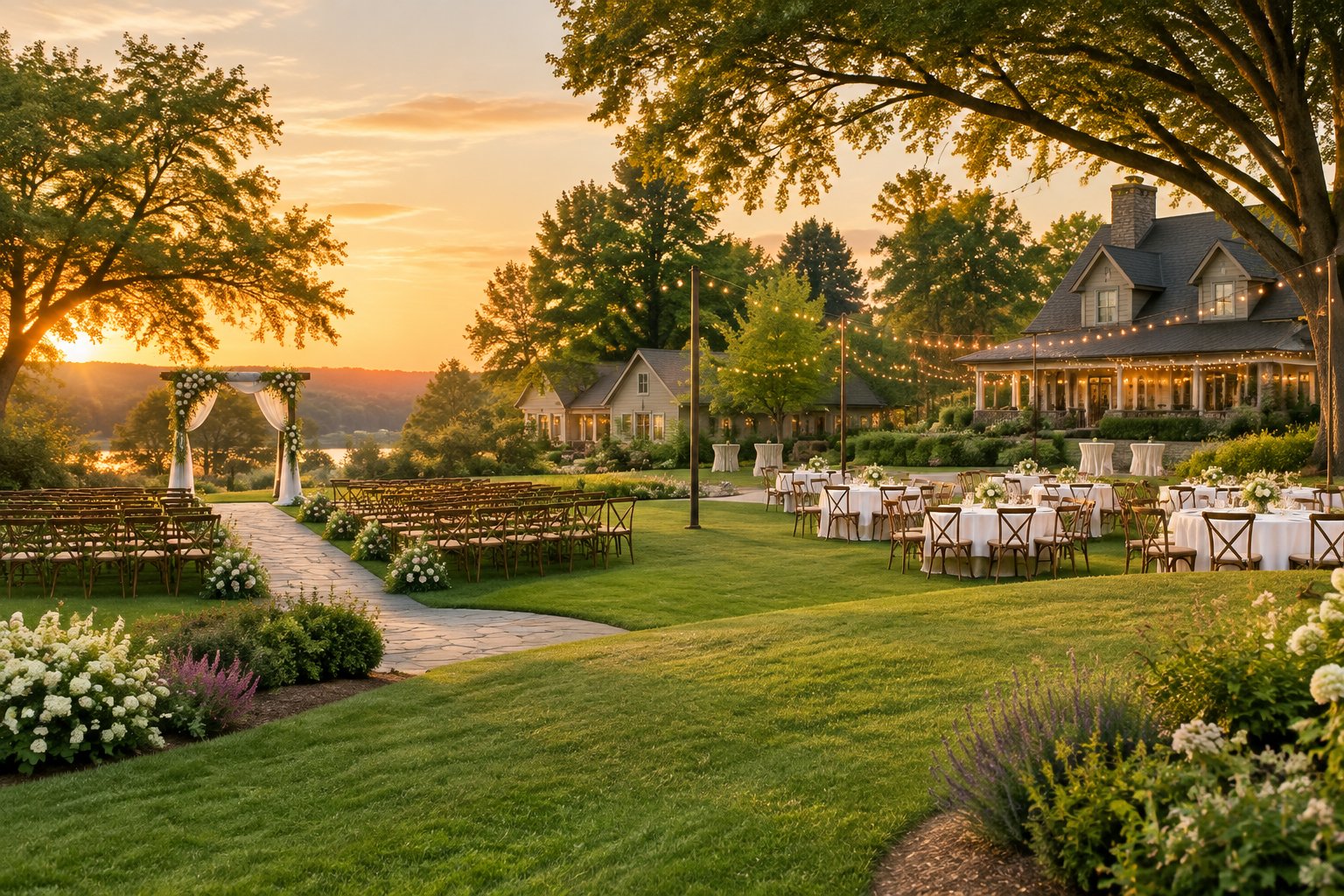
Compare Package Pricing With Separate Venue and Hotel Costs
Request two comparisons:
-
A venue package that includes lodging and event access
-
A separate venue rental, nearby hotel rooms, transportation, and extra event spaces
Include room rates, taxes, food and beverage minimums, parking, shuttles, setup, cleanup, and overtime. A higher rental price can fit your budget when it replaces several separate bookings. WedStay can help you browse wedding properties with lodging and compare options by location, capacity, and weekend format.
What Is Usually Included in the Rental?
The rental may include garden access, ceremony and reception areas, tables, chairs, basic lighting, parking, a getting-ready room, or overnight rooms. Each property sets its own package, so request a written list of inclusions.
Ask whether the price covers the rehearsal dinner, farewell brunch, event staff, trash removal, restrooms, tent access, heating, and overnight housekeeping. Confirm whether lodging is included in the venue fee or priced separately by room.
Fees That Can Change Your Wedding Budget
Common additions include catering, bar service, service charges, taxes, gratuity, event insurance, rentals, tenting, generators, restrooms, cleaning, and overtime. Outside vendors can also bring delivery fees, corkage charges, or required insurance costs.
Ask for an itemized estimate based on your guest count. Check payment dates, cancellation terms, damage deposits, minimum stays, and charges for extra nights. Put every promised inclusion in the contract before you pay the deposit.
Questions to Ask Before You Book
Ask for written answers about weather, vendors, contracts, lodging, and guest comfort before signing. A beautiful garden needs practical plans for rain, heat, sound, food service, accessibility, and overnight stays.
Weather Backup and Outdoor Event Rules
Ask where the ceremony and reception move if rain arrives. Confirm the backup room’s capacity, tent requirements, flooring, heating, cooling, and added cost.
Review rules for candles, sparklers, confetti, floral design, decorations attached to trees, amplified music, and lawn access. Ask about shade, fans, heaters, insect control, lighting, restrooms, parking, and accessible routes. Visit the property at your planned ceremony time to check sun exposure and walking conditions.
Food, Bar, and Vendor Policies
Find out whether the venue requires in-house catering, uses an approved vendor list, or allows outside caterers and restaurants. Ask about kitchen access, refrigeration, power, food trucks, cleanup, and vendor arrival times.
Confirm how bar service works, including liquor permissions, bartending requirements, corkage, last call, and alcohol insurance. Ask whether every vendor needs a certificate of insurance and whether the venue charges an outside-vendor fee.
Contracts, Marriage Licenses, and Lodging Terms
Read the contract for rental hours, setup access, noise curfews, deposits, cancellation terms, damage fees, and minimum stays. Confirm who has access to the property during your rental and whether the grounds are private.
Check your county’s marriage license rules and ask where the wedding ceremony can legally take place. Review the room list, suite assignments, check-in process, quiet hours, parking, housekeeping, and checkout terms for on-site lodging.
Destination Garden Stays Worth Considering
Destination garden stays work well when you want the wedding and the guest experience to feel connected to a place. Choose a property with reliable lodging, clear transportation plans, and enough activities to make the extra travel worthwhile.
European Villa and Château Wedding Weekends
Villas and châteaux near Paris can provide formal gardens, historic rooms, terraces, and private event spaces. Confirm whether the property allows weddings, how many guests can sleep on-site, and which events fit within the rental period.
Ask about local planners, catering access, noise rules, transportation from airports, and legal ceremony requirements. A symbolic ceremony at the property paired with a civil ceremony through the proper local authority can simplify planning.
Tuscan Gardens and Vineyard Celebrations
Siena and the surrounding Tuscan countryside offer villas, vineyards, olive groves, and garden courtyards for multi-day celebrations. These properties suit couples who want outdoor dining, regional food, and a slower wedding weekend.
Review seasonal weather, guest transportation, accessibility, room layouts, and the distance between lodging and event spaces. Confirm whether the vineyard provides food and bar service or requires outside suppliers.
City Garden Escapes With Guest Rooms
City hotels, garden restaurants, and resorts combine green outdoor spaces with guest rooms, suites, dining, and transportation access. They work well when guests want cultural activities, shopping, museums, or easy airport connections.
Ask about private garden access, indoor backup rooms, event curfews, restaurant buyouts, room blocks, and guest rates. A city property can give you a garden ceremony while keeping overnight lodging close to the services your guests use throughout the stay.