
How Do I Become a Beginner Event Planner? Tips to Kickstart Your Journey!
Becoming a beginner event planner can be an exciting journey filled with creativity and opportunities. To start, consider volunteering or interning to gain hands-on experience in organizing events. This will help you understand the ins and outs of event planning and build your network in the industry.

Event planning involves a mix of organizational skills, attention to detail, and a passion for bringing people together. You can explore various types of events, from weddings to corporate gatherings, which allows you to find your niche.
The more flexible you are with the types of events you can handle, the better your chances are of landing new opportunities.
As you embark on this path, remember to keep learning. Whether through online courses or keeping up with industry trends, continuous growth will help you succeed. With dedication and the right approach, you can carve out a fulfilling career in event planning.
Getting Started in Event Planning
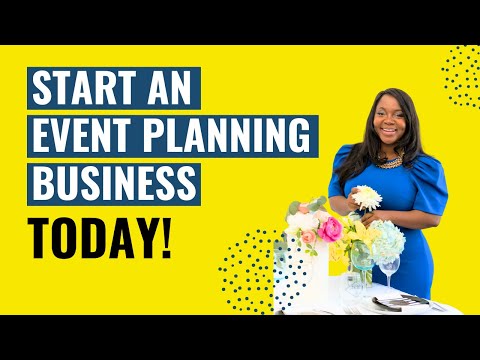
Choosing to become an event planner opens up exciting opportunities. You can dive into a vibrant industry with many paths to explore. Understanding the basics, developing essential skills, and knowing your educational options are crucial steps for your journey.
Understanding the Event Industry
The event industry is diverse and can be quite rewarding. It includes various sectors like corporate events, weddings, and festivals. Each type of event has its own unique style and challenges.
Entry-level positions, such as event coordinator or assistant, can provide you with valuable hands-on experience. Internships are great for gaining insights into planning and execution. Many companies look for people who understand the intricacies of the industry.
Building a network early on will help you grow. Attend local events or conferences to meet professionals. This will enhance your knowledge and may lead to future job opportunities.
Essential Skills for Success
Being a successful event planner requires a mix of skills. First, organizational skills are key. You’ll need to manage various tasks, timelines, and resources efficiently.
Communication skills are also crucial. You will interact with clients, vendors, and teams. Clear communication will ensure everyone is on the same page.
Attention to detail is another important skill. Small elements can make a big difference in an event’s success.
Finally, being flexible and adaptable is essential. Things can change quickly in event planning. Being able to adjust to new situations helps keep events running smoothly.
Educational Pathways
While a bachelor’s degree in hospitality management can be beneficial, it’s not always necessary. Many successful planners come from various backgrounds.
You can also pursue certifications to stand out. The Certified Meeting Professional (CMP) and the Certified Special Events Professional (CSEP) are recognized credentials. These certifications can enhance your resume and demonstrate your commitment to the profession.
Look for colleges that offer specialized courses in event planning. Some programs provide internships or hands-on experience. Alternatively, online courses can be a flexible option for learning.
No matter which path you choose, the right education and training will lay a strong foundation for your event planning career.
Building Experience and Credibility

Gaining experience and building credibility are essential first steps in your journey as a beginner event planner. By creating a strong portfolio and engaging in networking, you can open doors to new opportunities. Hands-on experience will also help you understand the industry’s nuances.
Creating a Strong Portfolio
To showcase your skills, start by building a portfolio. Include photos, descriptions, and testimonials from events you’ve planned. Even if you haven’t worked professionally yet, consider documenting volunteer projects. This could be a birthday party, a community event, or a family gathering.
Each project highlights your ability to plan, organize, and execute an event. Make sure to include details about your role and the outcomes of each event. This will help potential clients see your abilities and creativity.
Networking and Professional Development
Networking is crucial in the event planning world. Attend local networking events to meet other planners and industry professionals. You can also join organizations like the International Live Events Association (ILEA) which often host events for members.
Consider taking part in workshops or conferences. These opportunities help you gain insights from experienced professionals. Certifications like Certified Meeting Professional (CMP) or Certified Special Events Professional (CSEP) can also boost your credibility. They demonstrate your commitment to learning and professional standards.
Gaining Hands-On Experience
Look for volunteer opportunities to gain practical experience. Many non-profits and community events need help and are open to volunteers. This not only builds your experience but also allows you to network.
Internships are another great way to gain hands-on experience. They provide a chance to work alongside seasoned planners. Observe their methods, ask questions, and learn from their successes and challenges.
With each experience, you improve your skills and boost your portfolio. This combination makes you more attractive to future clients and employers.
The Event Planning Process

When starting your journey as an event planner, two key phases are essential: pre-event planning and the actual execution of the event. Each step requires careful attention to ensure everything runs smoothly.
Pre-Event Planning and Budgeting
Begin by setting a clear budget. This involves listing all possible expenses, including venue rental, catering, decorations, and entertainment. Make sure to leave some room for unexpected costs.
Next, choose the right venue. Consider the size, location, and amenities. It should fit your theme and be accessible for guests.
Finally, coordinate with vendors. Reach out to caterers, decorators, and audio-visual teams. Building good relationships can lead to better deals and smoother collaboration on the day of the event.
Event Execution and Management
On the day of the event, arrive early to oversee setup. Make sure all vendors are on-site and meeting their commitments.
Assign roles to your team members to handle specific tasks. This could include greeting guests, managing the schedule, or troubleshooting issues.
Stay flexible. Even with great planning, unexpected challenges may arise. Keep a positive attitude to ensure a successful event. Encourage communication among your team for quick problem-solving.
Marketing Yourself and Your Events

Marketing is essential for getting your foot in the door as a beginner event planner. It’s important to promote both yourself and the events you organize effectively. This section covers how to build a strong online presence and leverage social media to connect with your audience.
Building an Online Presence
A solid online presence is vital for your event planning business. Start by creating a professional website that showcases your portfolio, services, and testimonials. Include a section for your resume and highlight your communication skills. This helps potential clients understand your experience and your approach to event planning.
To enhance your website’s visibility, use SEO techniques to target relevant keywords. Regularly update your website with blog posts about event planning tips and trends. This not only attracts visitors but also positions you as an expert in your field.
Don’t forget to register your business on platforms like Google My Business. This makes it easier for clients to find you in local searches.
Leveraging Social Media
Social media is a powerful tool for marketing your events and yourself.
Establish accounts on major platforms such as Facebook, Instagram, and LinkedIn. Each platform has its unique audience and purpose, so tailor your content accordingly.
Share engaging posts about your events, behind-the-scenes photos, and updates about your services. Use eye-catching visuals to get attention.
You can create event pages on Facebook to promote upcoming occasions and engage with attendees.
Interact with your followers regularly by responding to comments and messages. This builds a sense of community and trust.
Use hashtags relevant to your niche to reach a broader audience and attract potential clients.