
How Much Do Parents Contribute to Weddings UK? Understanding Financial Roles in Wedding Planning
When planning your dream wedding, you might wonder how much parents typically contribute to the costs. On average, the bride’s parents cover about 45% of the wedding expenses, while the groom’s parents contribute around 15%. With the total cost of a wedding in the UK ranging from £25,000 to £30,000, knowing who pays what can help you budget effectively.

Traditionally, many parents played a significant role in funding weddings, but today it’s common for couples to share costs with their families. This change reflects a more modern approach to wedding planning, where both partners may contribute to their special day. Understanding this can ease the financial burden and allow you to focus on what really matters—celebrating your love.
As you navigate the costs and contributions, it’s important to communicate openly with your parents about expectations. This way, you can ensure that everyone feels comfortable with the financial aspects of your wedding, making the planning process smoother and more enjoyable.
Understanding Wedding Finances in the UK
When planning a wedding in the UK, knowing how much parents typically contribute can help shape your budget. Families often have their own traditions and expectations, which can impact how costs are shared.
Traditional Contribution Breakdown
Traditionally, the bride’s parents take on a significant part of the wedding costs. They often cover expenses like the venue, catering, and flowers. This tradition stems from historical practices where the bride’s family would want to showcase their ability to host a successful event.
The groom’s family usually contributes as well. They might be responsible for the rehearsal dinner or transportation. While these roles vary, open discussions between both families can help clarify who pays for what.
Here’s a simple breakdown:
- Bride’s Parents: Venue, catering, flowers
- Groom’s Family: Rehearsal dinner, transportation
- Couple: Honey moon, some personal expenses
Current Trends in Wedding Costs
In recent years, spending on weddings has shifted. Today’s average UK wedding costs around £20,700. This amount can increase based on location and personal choices, like a fancy venue or a larger guest list.
More couples are financing their own weddings, taking pressure off their parents. About 33% of couples pay for everything themselves. Split costs between families and couples. This shared approach encourages teamwork and reduces stress.
When considering elements to include, think about:
- Engagement Ring & Wedding Ring: Couples often buy these rings themselves.
- Guest List Size: More guests mean higher costs, so plan wisely.
Key Expenses in a Wedding
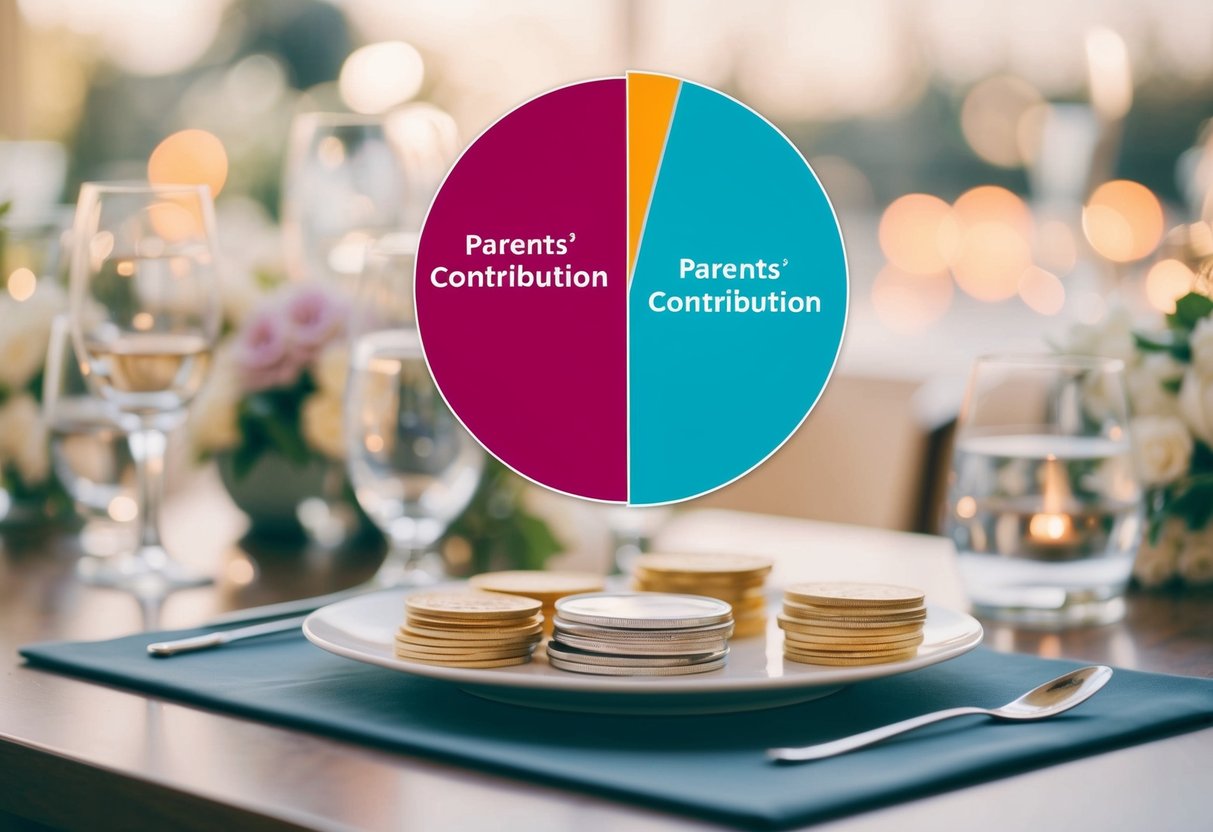
When planning a wedding, you should be aware of the key expenses that play a significant role in your budget. These expenses can vary greatly depending on your choices but typically include costs for the venue, catering, attire, and photography. Understanding these can help you make informed decisions.
Venue and Catering
The venue is often the largest expense for your wedding. Prices can range widely depending on location and popularity. For example, a London venue may cost more than one in a smaller town.
Catering also plays a big role in your budget. You’ll need to consider the number of guests, meal types, and drinks. Many couples opt for a buffet, while others prefer a sit-down dinner. The food quality and presentation can enhance the overall experience.
Attire and Rings
Choosing the right attire is essential to achieving your dream wedding look. The bride’s dress can be a sizable cost. Designer gowns often start at a few thousand pounds. Don’t forget about accessories, such as shoes and veils.
Wedding rings are another important expense. Couples usually spend a significant amount on these symbols of their love. You might want matching rings, which can add to the total cost based on the metal and any stones used.
Photography and Videography
Capturing your special day is vital, making photography and videography significant expenses. A skilled wedding photographer can charge anywhere from a few hundred to several thousand pounds.
Don’t forget to consider the cost of photo albums and prints. Many couples now also include videography to capture all the moments from their day. This addition can provide lasting memories, but it’s essential to budget for both services.
Decor and Floral Arrangements
Decor and floral arrangements help set the tone for your wedding. The costs for flowers can fluctuate based on the season and types of blooms you choose.
Consider centerpieces, bouquets, and ceremony decorations as part of your budget. Many couples choose to DIY some elements to save costs. For decor, lighting and venue styling can also influence your atmosphere and should be planned carefully.
Planning and Pre-Wedding Events

When you start planning a wedding, there are many exciting events to consider before the big day. From announcing your engagement to organizing pre-wedding celebrations, each step helps to create a memorable experience.
The Engagement Period
The engagement period is a special time for you and your partner. It’s when you share your joyful news with family and friends, often through an engagement party. This celebration can be intimate or large, depending on your preference.
During this time, you may also want to select your wedding party. Choosing dependable friends or family members to stand by you is essential. Discuss their roles and start planning together.
Pre-Wedding Celebrations
Pre-wedding celebrations include events like the bridal shower and rehearsal dinner. These gatherings allow you to celebrate with family and friends in a relaxed setting.
The bridal shower is typically hosted by a close friend or family member. It often involves games, gifts, and sharing memories. Make sure to send out invitations well in advance.
The rehearsal dinner usually takes place the night before the wedding. It’s an opportunity to thank your wedding party and share any last details. It’s also a more personal setting to relax before the big celebrations.
Securing a Wedding Planner
Hiring a wedding planner can ease much of the stress that comes with planning. A good planner will help manage your budget, set timelines, and find the right vendors. They can also assist in organizing various aspects, from wedding invitations to the schedule for the rehearsal dinner.
Consider your priorities when selecting a planner. If you want someone with a specific style or experience, make sure to communicate this clearly. Their expertise will guide you through each step, ensuring you stay on track and enjoy the planning process.
After the Big Day

Once your wedding day has passed, there are still important matters to consider. This includes planning for your honeymoon and remembering the etiquette that goes along with post-wedding events.
The Honeymoon
Your honeymoon is a special time for you and your partner to unwind and celebrate together. It’s often one of the biggest expenditures after the wedding. Honeymoon expenses can vary widely depending on your chosen destination, activities, and accommodation.
While some couples decide to splurge on a luxurious getaway, others may prefer a budget-friendly trip. It’s essential to set a budget that works for you. Consider costs like flights, hotel stays, meals, and local activities. If your parents or wedding party contributed to your wedding, they might also assist with honeymoon expenses. Don’t hesitate to discuss this before making arrangements.
Post-Wedding Etiquette
After the wedding, maintaining good relationships is crucial. You should thank those who helped with your big day. A good practice is to send thank-you notes to every guest who attended and to those who gifted you items.
When gifting your wedding party, consider thoughtful gifts that show appreciation. For instance, you might choose unique items for groomsmen gifts and elegant presents for bridesmaids that reflect their personalities. It’s also courteous to acknowledge the role of your parents in your wedding planning by expressing your gratitude.
These small gestures help keep the joy from your wedding day alive and foster lasting connections with loved ones.