
How Much Do Real Flowers Cost for a Wedding? Budget Guide
Fresh wedding flowers often cost about $2,000 to $5,000 for a U.S. wedding, with smaller plans starting near $1,500 and elaborate designs reaching $8,000 or more. Your guest count, flower choices, arrangement sizes, and delivery needs shape the final quote.
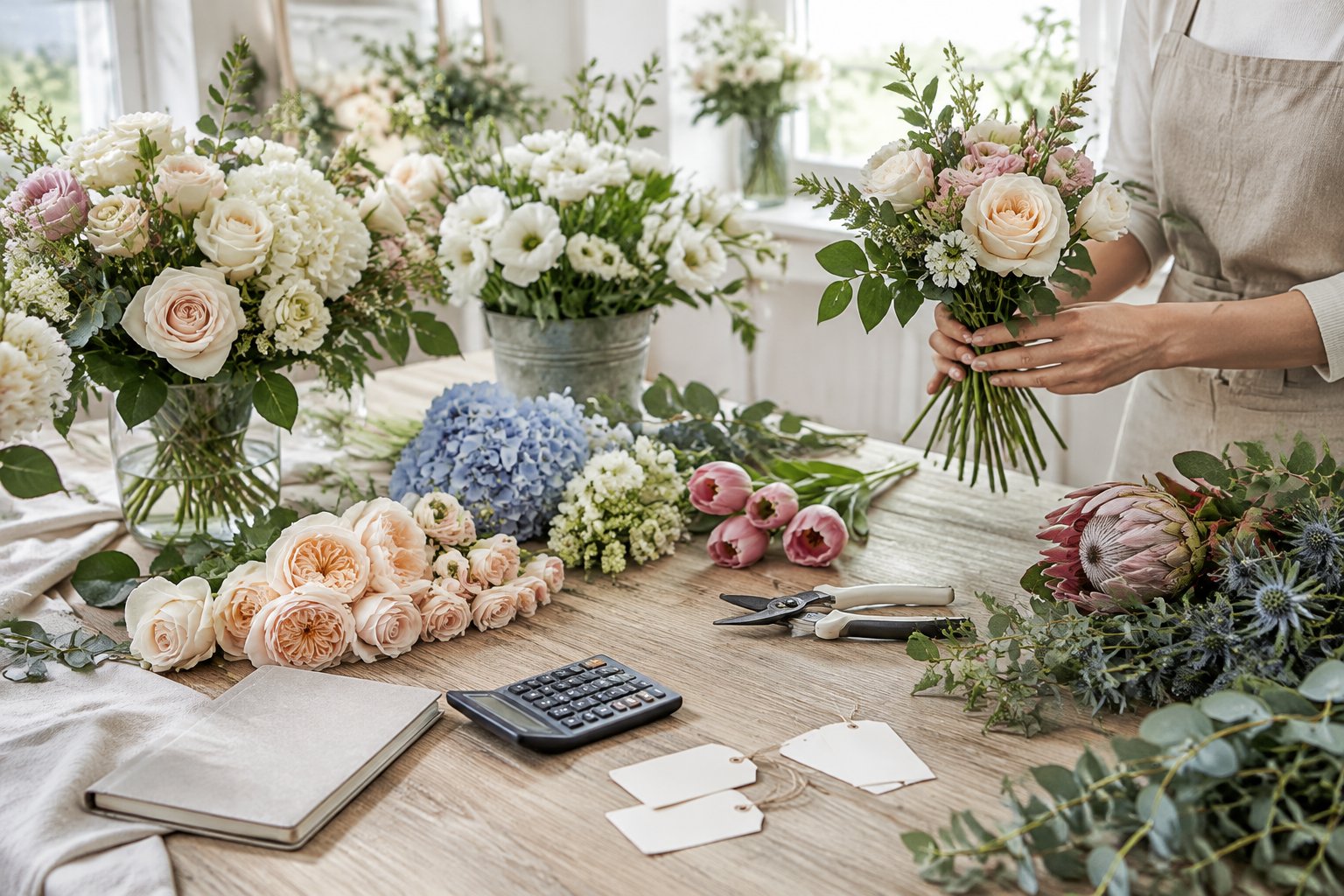
Set a spending limit before you choose individual arrangements, then tell your wedding florist what you want to spend. You can also compare how much to spend on wedding flowers as you build a budget that fits your plans.
What Should You Budget for Fresh Wedding Flowers?
A practical wedding flower budget for many U.S. weddings is $2,000 to $5,000, with a smaller floral plan below that range and large installations pushing costs higher. Your total should account for personal flowers, ceremony decor, reception arrangements, labor, delivery, and setup.
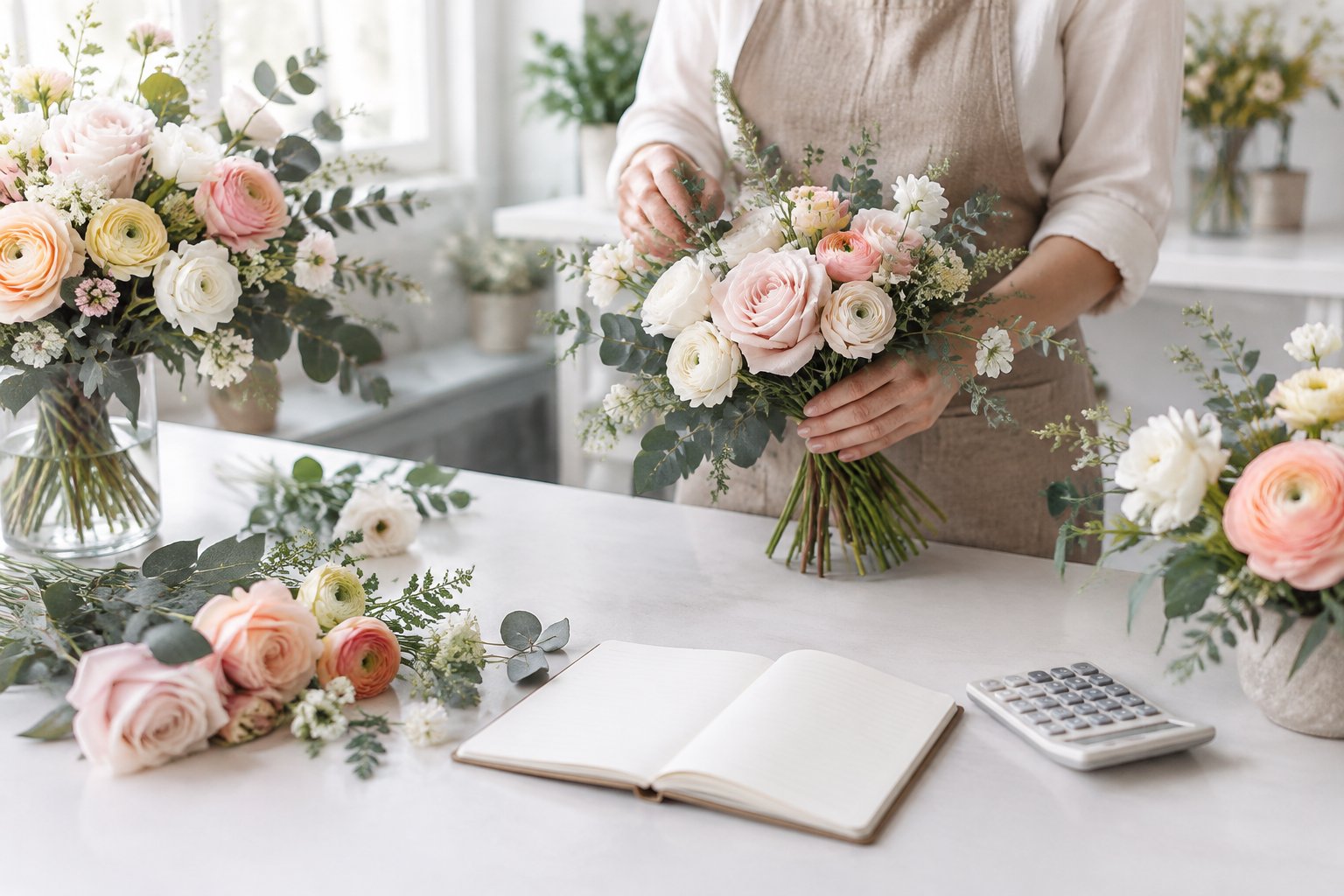
What Is a Typical Wedding Flower Budget?
For a modest design, set aside about $1,500 to $3,000. A more complete design with personal flowers, ceremony pieces, and reception centerpieces can run $3,000 to $8,000. Large weddings with arches or other statement installations can exceed $8,000.
Use these ranges as starting points, not fixed prices. A proposal for 100 guests may be lower with simple bud vases and a few focal arrangements. Lush centerpieces across many tables and a large ceremony arch raise the total quickly.
Your wedding flower spending plan should reflect the items you care about most. If flowers will serve as a main decor feature, reserve a larger share of your budget; if you prefer a clean, simple look, you can spend less.
What Share of Your Wedding Budget Might Flowers Take?
Flowers often take about 8% to 10% of a wedding budget. Treat that as a guide: a smaller total wedding budget may leave less room for floral design, while a flower-filled celebration may need a higher share.
For example, an 8% to 10% floral allowance on a $40,000 wedding equals $3,200 to $4,000. If you are setting your total wedding spending limit, use a wedding budget guide to see how this category fits alongside your other plans.
What Factors Change the Final Price?
Your quote reflects the amount and type of flowers, the work involved in designing them, and the logistics of getting every piece to your venue. Flower varieties such as peonies and garden roses can raise stem costs, while intricate arrangements add design and setup time.
How Do Guest Count and Table Count Affect Costs?
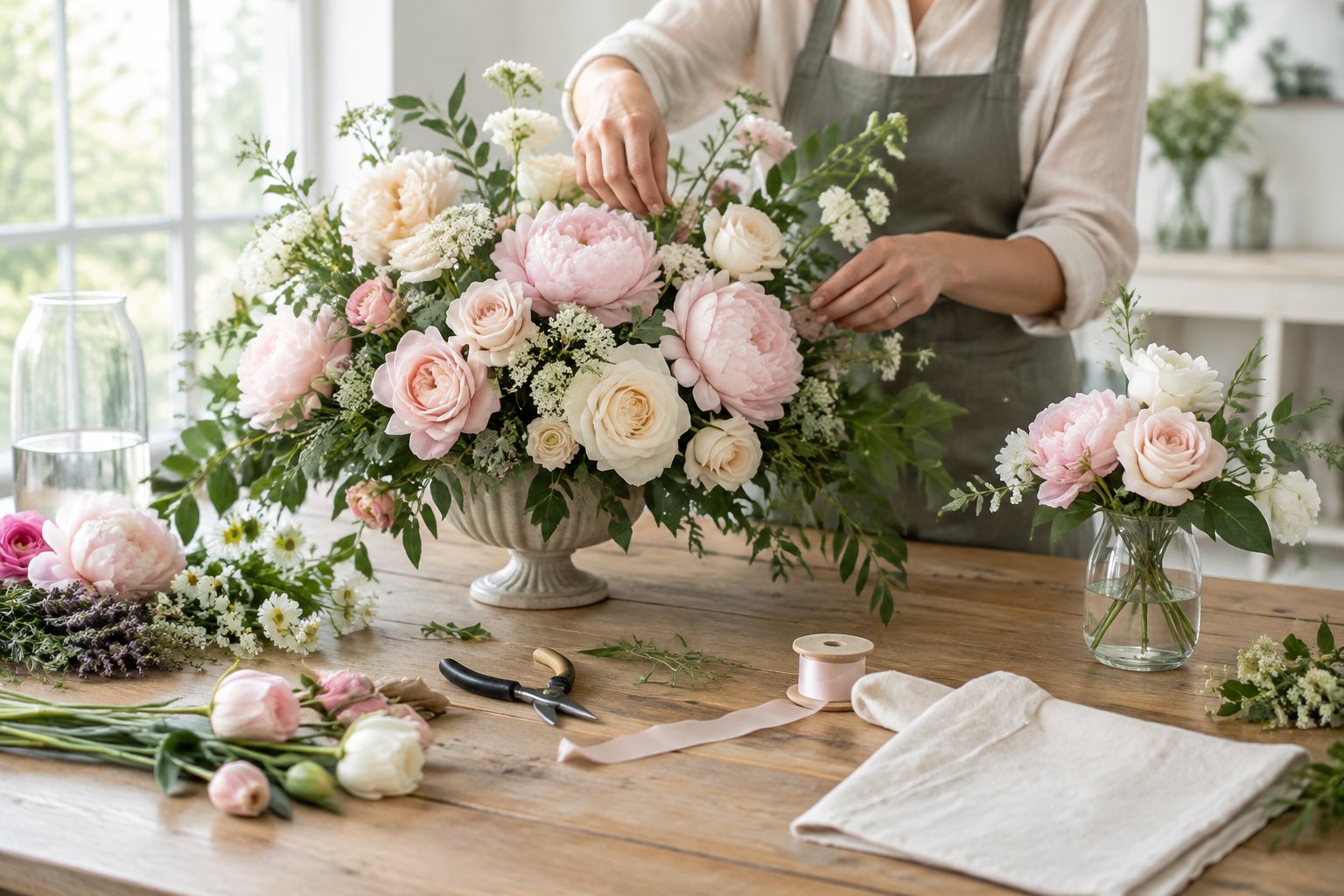
Your guest count affects costs most when it adds reception tables and personal flowers. Each table may need a centerpiece, so even a modest per-table price adds up across a large room. Check your table plan before asking for a quote, and use this guide to estimate how many flowers you may need.
Your wedding party also changes the quantity. More attendants can mean more bouquets, boutonnieres, or corsages. A smaller wedding party or simpler wearable flowers can help keep this part of the order within budget.
Do Flower Variety and Season Matter?
Your flower choices and wedding date affect availability and price. Peonies and garden roses are sought-after blooms that can cost more, especially when they are out of season or need to be shipped from farther away. A look at costly wedding flowers can help you decide where to use premium stems.
Ask your florist which flowers will be in season for your date and which alternatives offer a similar shape or color. Roses, carnations, chrysanthemums, and greenery can provide volume, while a few premium blooms add a focal touch.
How Do Design, Labor, and Delivery Affect the Quote?
Your arrangement style affects the amount of work behind each piece. A compact vase design takes less time to assemble than a large installation with wiring, supports, or flowers placed across a ceremony structure. Delivery, on-site setup, and moving arrangements also contribute to the quote.
Share your venue details, setup window, and desired arrangement sizes with your wedding florist. If your design includes an arch or pieces that need to move between locations, ask how those logistics affect labor and fees.
Which Wedding Flowers Should You Include in Your Budget?
Budget for personal flowers, ceremony arrangements, and reception decor as separate groups so you can choose where to spend. Your bridal bouquet and table centerpieces often take a sizable share, while extra accents can be added if your budget allows.
How Much Should You Set Aside for Personal Flowers?
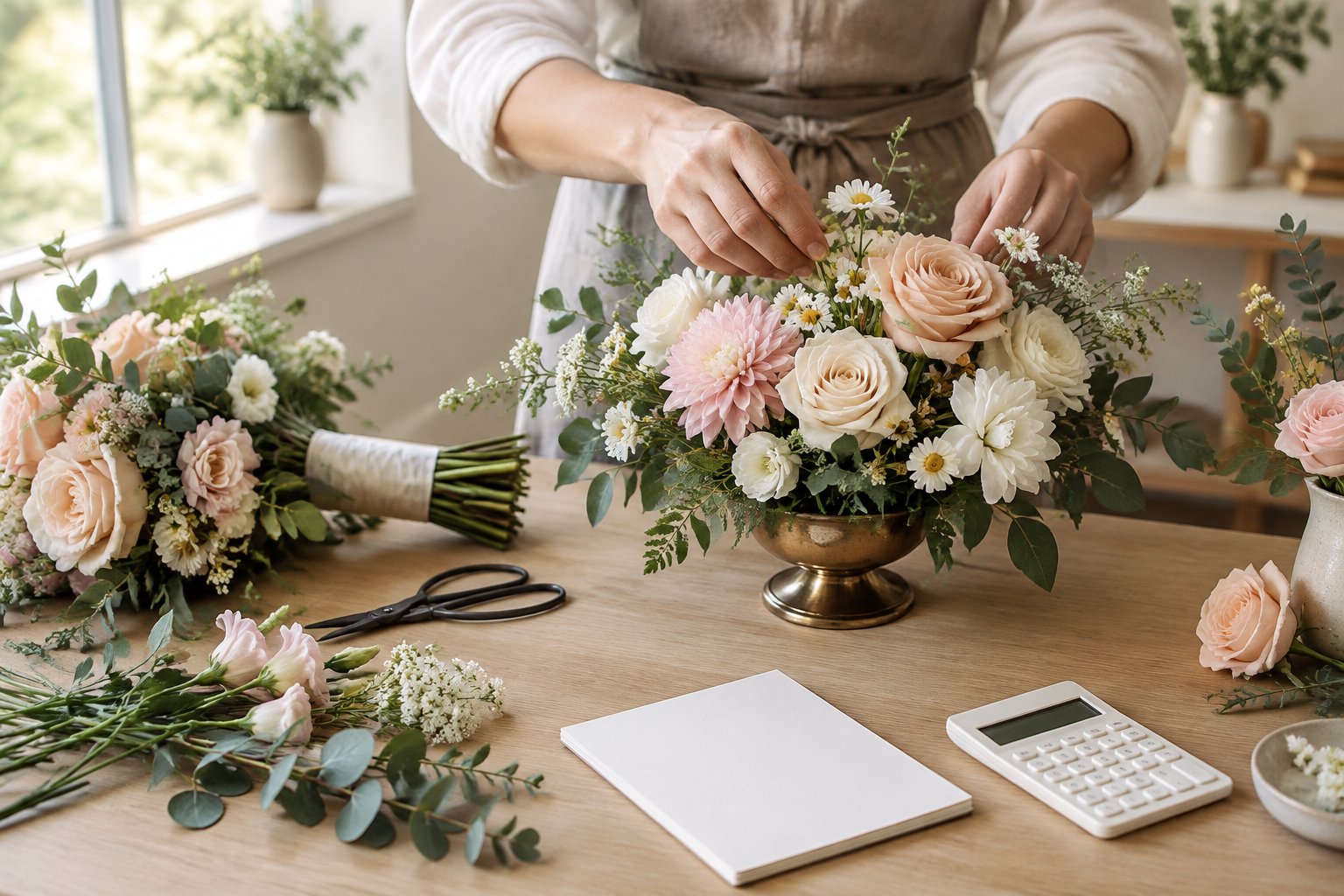
A bridal bouquet often costs about $100 to $350, with elaborate designs priced higher. Bridesmaid bouquets commonly run $50 to $150 each, while boutonnieres often cost $10 to $30 each. Corsages may cost around $20 to $50, depending on their flowers and style.
Add up every person who needs flowers before you approve a design. Your list may include the wedding party, parents, and other family members. Flower crowns and hair pieces also add cost, so include them in the personal-flower total. If you want a smaller bouquet, try these ideas for making a wedding bouquet on a budget.
What Ceremony and Reception Arrangements Add to the Cost?
Ceremony and reception flowers can range from a few simple pieces to a large room design. Low table centerpieces may cost about $75 to $250 each, while tall designs can run $200 to $600 or more. Ceremony arrangements can start around $100, and a floral arch may cost $500 to $2,500 or more.
Count your tables and identify the ceremony focal point before you choose additional accents. A sweetheart table arrangement, aisle flowers, cake flowers, and cocktail-hour pieces each add to the order. Your florist can suggest which pieces will have the greatest visual impact within your budget.
How Can You Lower Your Flower Costs?
You can lower your flower bill by choosing flexible blooms, reducing the number of arrangements, and planning to reuse flowers during the day. Keep a few high-priority pieces and simplify the rest to control both stem and labor costs.
Which Flowers and Arrangements Can You Scale Back?
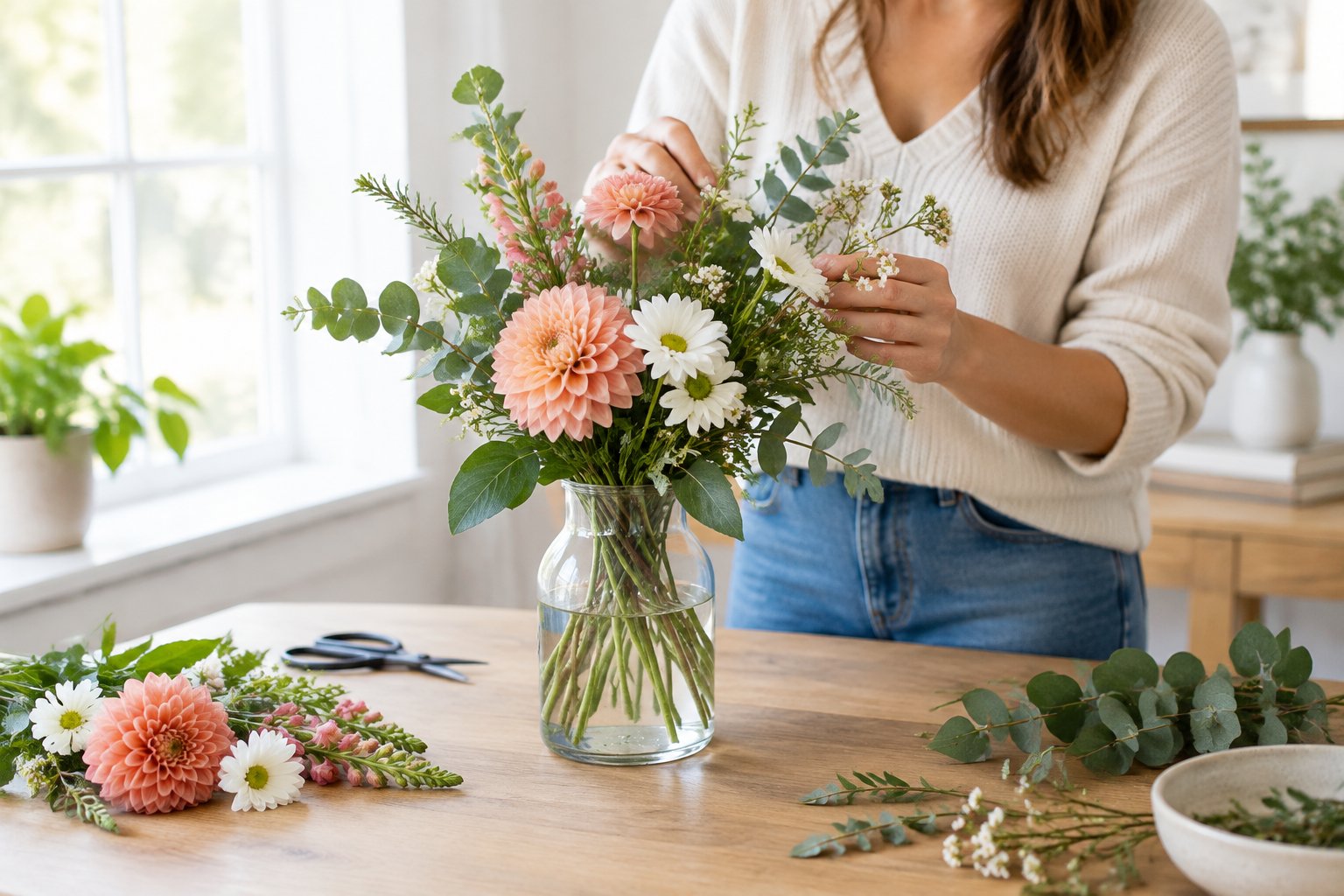
Choose flowers that are in season and ask your florist about lower-cost blooms with a similar look. You can also limit premium flowers to your bouquet or another focal arrangement, then use greenery and more affordable varieties in supporting pieces.
Reduce the number of table arrangements or mix fuller centerpieces with smaller bud vases. You can also trim optional pieces such as restroom flowers, cake flowers, and extra aisle markers. Keep enough decor for your priorities and venue size.
Can You Reuse Ceremony Flowers at the Reception?
Yes, you can reuse ceremony arrangements when you plan their second location before the wedding. Aisle flowers can move to the reception entrance, and ceremony pieces can frame the sweetheart table. Your florist or venue team may charge for moving and resetting them, so include that labor in the quote.
Bridesmaid bouquets can also serve as reception decor when placed in vases. Confirm who will move each arrangement and when, especially if the ceremony and reception are in different spaces.
Are Silk or Dried Flowers a Cheaper Alternative?
Silk flowers can cost less when you source or arrange them yourself, while custom faux designs may approach fresh-flower prices. Dried flowers offer a different texture and can suit some color palettes, though they do not match every fresh-flower style. Compare the full costs for materials, design, delivery, and setup. This real-versus-faux wedding flower comparison can help you weigh the options.
How Do You Compare Florist Quotes and DIY Options?
Compare quotes by checking what each one includes, then weigh the price of DIY materials against the time and logistics you will take on. A lower starting price may cover fewer arrangements or exclude delivery and setup, so check the details before deciding.
What Should a Wedding Florist Quote Include?
A clear quote should list each arrangement, its quantity, and the cost of design, delivery, and setup. Check for rental items, taxes, installation labor, breakdown service, and any fees for moving flowers between locations. Ask how substitutions work if a requested bloom is unavailable.
Send your date, venue, table count, inspiration photos, and budget range when you request pricing. These details help your florist prepare a proposal that fits your plans. Use these tips for asking a florist for a price.
When Does DIY Make Financial Sense?
DIY makes financial sense when you have a manageable order, a clear plan, and enough help to prepare and place the flowers. For a 100-person wedding, flower materials may cost about $1,000 to $2,000, with roughly 20 to 40 hours of work.
A professional florist may charge about $2,500 to $5,000 for a similar wedding, including design and service.
| Cost factor | DIY flowers | Wedding florist |
|---|---|---|
| Example cost for 100 guests | $1,000 to $2,000 in materials | $2,500 to $5,000 |
| Your labor | About 20 to 40 hours | Design and setup included in quote |
| Sourcing | You purchase and collect supplies | Florist sources the flowers |
| Setup | You arrange delivery and placement | Setup may be included; confirm in quote |
DIY suits simple pieces such as bud-vase centerpieces, especially when you have reliable helpers and a cool place to store the flowers. A florist is a stronger fit for large installations, many personal flowers, or a tight setup schedule.
Compare your material costs and available help with this guide to DIY wedding flower costs.