
How Much Do Wedding Flowers Cost on Average? 2026 Prices
For 2026, how much do wedding flowers cost on average? About $2,800, with many U.S. couples budgeting $2,500 to $5,000. Your total can climb past $7,000 when you want full-service floral design, large installations, or flowers for many tables.
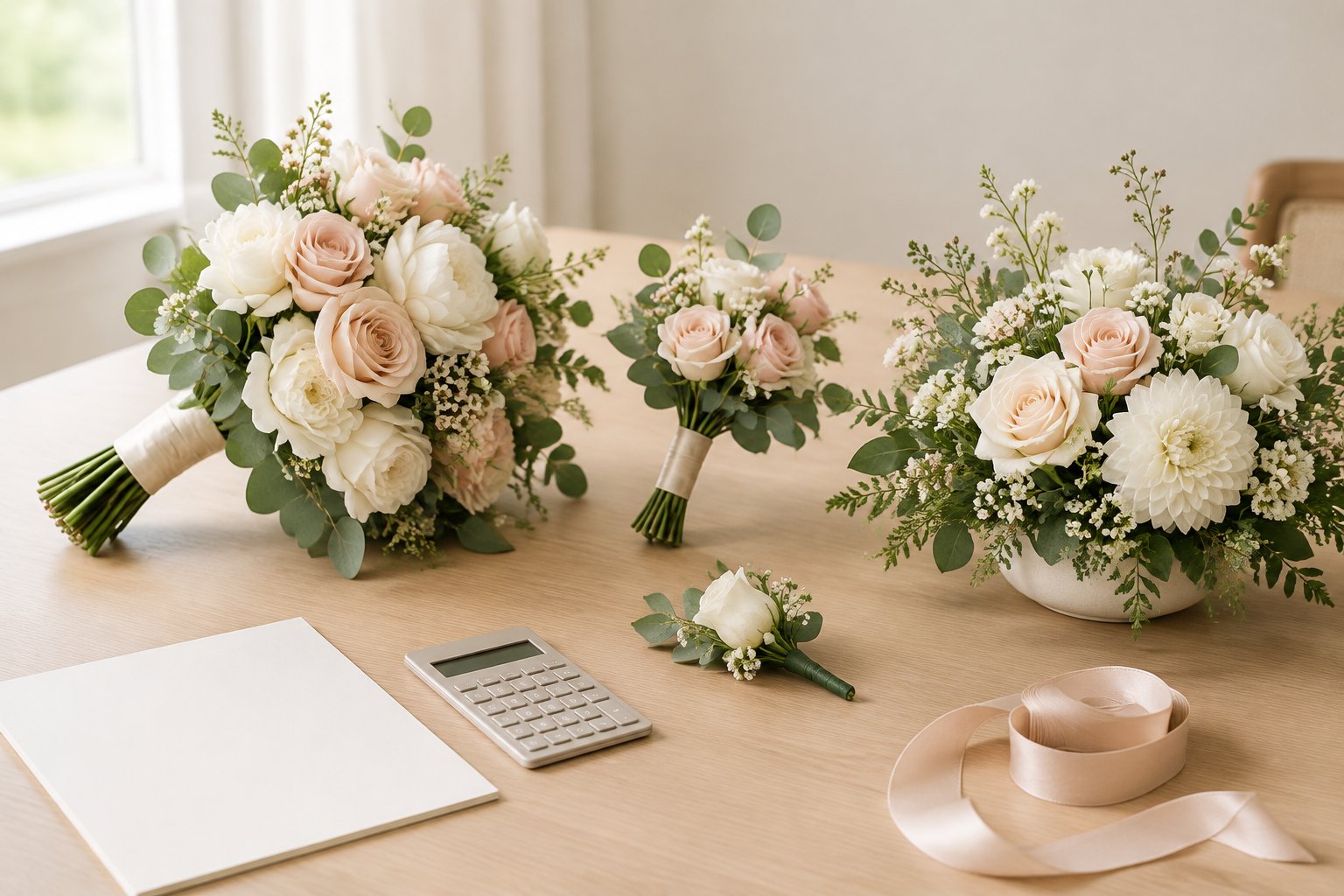
Treat the average as a starting point, since local prices and the floral details included in each estimate vary. Before you contact florists, list the arrangements you care about most and set a spending limit you feel comfortable with.
Then ask for quotes that fit your date, venue, and priorities.
What Should You Budget for Wedding Flowers?
A wedding flower budget of $2,500 to $5,000 gives many couples room for personal flowers and reception arrangements, with higher budgets covering more elaborate designs. Your total depends on what you include and how much hands-on service you need.
What Is the Typical Total Spend?
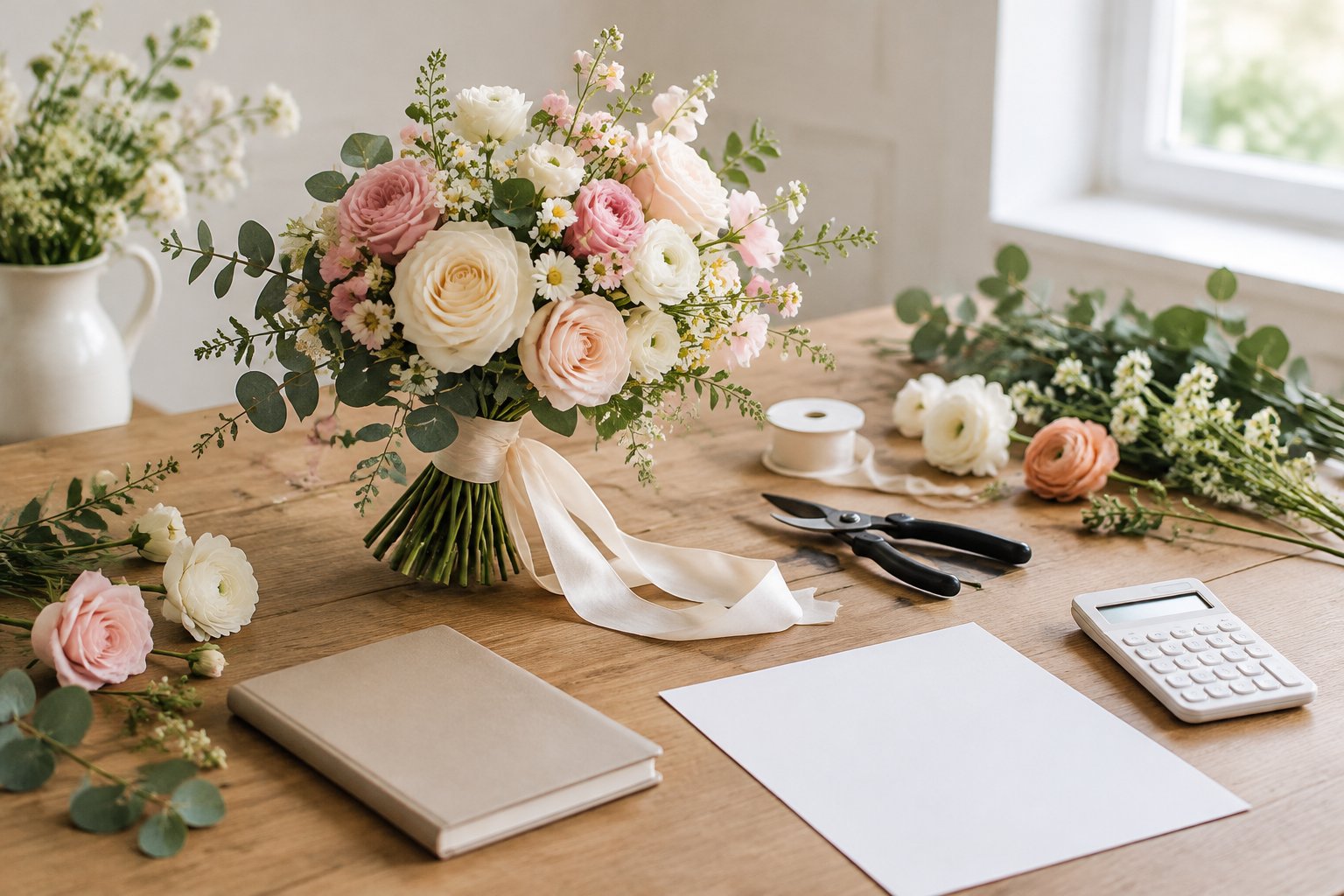
A floral plan with bouquets, boutonnieres, and modest reception centerpieces may land around $1,500 to $3,000. A fuller design for both ceremony and reception can reach $3,000 to $7,500, especially when it includes large statement pieces or extensive setup.
Use $2,800 as a useful national average, not a firm quote. Published averages differ because some count only flowers while others include design, delivery, labor, and installations.
Your location and guest count also shape the estimate. For a starting point tailored to your plans, consider how much to spend on wedding flowers.
How Does Your Budget Shape What You Can Include?
Your budget sets the number and scale of arrangements you can order. Under $1,000, you might focus on a bridal bouquet, a few personal flowers, and simple table accents.
Around $2,000 to $4,500, you can add more bouquets and centerpieces, or a few ceremony flowers. A larger budget leaves room for fuller designs and custom installations.
Make a list of the pieces you want, then assign a limit to each. Include delivery, setup, and taxes in your working total so the quote reflects the full order.
What Share of Your Overall Wedding Budget Goes to Flowers?
A practical starting point is to reserve about 5% to 10% of your total wedding budget for flowers. If floral design is central to your plans, you may choose a higher share and reduce spending elsewhere; if flowers play a smaller role, a leaner allocation can work.
To set the percentage in context, compare it with what couples spend on a wedding.
How Much Do Common Wedding Arrangements Cost?
Personal flowers can cost a few hundred dollars, while ceremony and reception décor often take the largest share of your floral spending. The ranges below give you a starting point for comparing quotes.
How Much Does a Bridal Bouquet Cost?
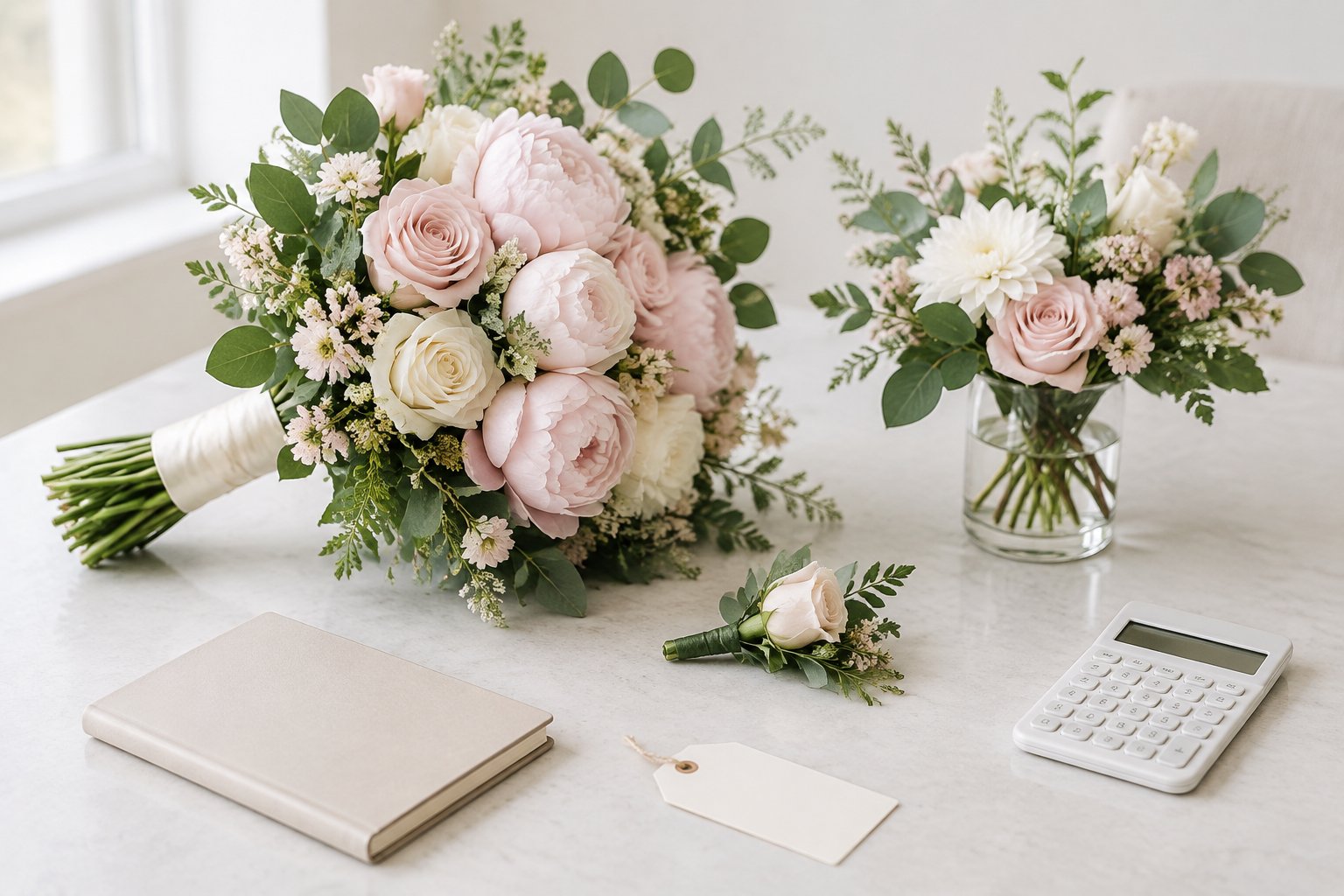
A bridal bouquet often costs $150 to $350, with the final price shaped by its size, flower choices, and design. A compact bouquet with seasonal blooms can fall near the lower end, while a lush design featuring premium flowers costs more.
You can compare styles and price expectations in this guide to the average bridal bouquet cost.
Your bouquet is held close and appears in many photos, so decide whether you want a simple, hand-tied design or a larger, more detailed arrangement. That choice affects flower quantity and the time your florist spends making it.
For more detail on the factors behind the price, read about why wedding bouquets cost so much.
What Do Wedding Party Flowers Cost?
Bridesmaid bouquets often cost $65 to $150 each. Boutonnieres commonly fall around $15 to $30, while corsages can cost $30 to $60.
Add up each piece by person, since even modest individual prices grow across a larger wedding party. You can keep the look connected by choosing a smaller version of your bouquet for attendants and using a few of the same flowers in boutonnieres.
Give your florist a final count for each arrangement when requesting a quote.
How Much Do Ceremony Flowers Cost?
Ceremony flowers may cost $500 to $2,500 for a focused design, while large arches and custom installations can push the price higher. Your estimate depends on the size of the space, the number of arrangements, and the setup needed at the venue.
Choose the ceremony spots guests and photographers will notice first, such as the altar or entrance. A few substantial pieces can create a clear focal point without requiring flowers at every aisle chair.
What Should You Expect to Pay for Reception Flowers?
Reception flowers can cost $100 to $500 or more per centerpiece, depending on their size, stem choices, and design. Your table count makes a major difference: each additional table may need its own arrangement, even when the individual design is modest.
Browse typical wedding centerpiece prices as you build your estimate. For a mixed look, use fuller arrangements on selected tables and simpler accents on others.
Include the head table, welcome table, and cake table in your floral list so your quote covers the spaces you plan to decorate.
What Factors Have the Biggest Effect on Floral Prices?
Flower quantity, bloom selection, and the labor required for design and setup have the strongest effect on your final price. A clear list of arrangements helps you see which choices are driving the total.

How Do Guest Count and Table Count Change the Total?
Guest count affects flower costs through the number of tables and personal arrangements you need. More guests often mean more centerpieces, while a larger wedding party adds bouquets, boutonnieres, and corsages to the order.
Give your florist an estimated guest count and table layout, then update both when your plans firm up. A table count is especially useful for a reception estimate because it connects the floral plan to a clear number of arrangements.
How Do Flower Choice and Season Affect Your Quote?
In-season flowers are easier to source, while out-of-season or imported blooms can require extra cost. Garden roses and peonies often sit at the premium end; ranunculus can also raise a quote when availability is limited.
You can explore which wedding flowers cost the most as you choose focal blooms. Carnations, lisianthus, and chrysanthemums can add color and fullness at more accessible price points.
Eucalyptus gives arrangements texture and greenery. Share your preferred colors and style with your florist, then stay open to seasonal substitutions that create a similar look.
Why Do Design, Delivery, and Setup Add to the Cost?
Floral quotes include skilled design work and the time needed to prepare, transport, and place each arrangement. Arches, hanging installations, and large ceremony pieces need more labor and careful setup than bouquets delivered in containers.
Ask whether the quote includes delivery, venue setup, rentals, teardown, and any service fees. The written estimate should show which arrangements are included and what each added service costs.
How Can You Get More From Your Floral Budget?
You can stretch your floral budget by choosing seasonal blooms, focusing spending on key moments, and planning arrangements for more than one use. Clear priorities also help your florist suggest designs that fit your price limit.

Which In-Season Flowers Can Help Lower Costs?
Ask your florist which blooms are in season for your wedding date and location. Carnations, lisianthus, and chrysanthemums can provide color and volume, while eucalyptus adds greenery and shape.
A flexible flower list gives your florist room to source attractive options within your budget. Choose one or two focal flowers, then let your florist suggest supporting blooms and greenery.
If you have a specific flower in mind, ask about its availability before making it a must-have.
How Can You Repurpose Ceremony Flowers?
You can save on the total number of arrangements when you repurpose ceremony flowers at the reception. Plan the move in advance so your florist can confirm that the pieces suit both spaces and include the labor and timing in the quote.
Altar arrangements may work beside the head table, while aisle flowers can decorate the welcome area. If your ceremony and reception are at different venues, include the travel time and transfer plan in your discussion.
What Should You Ask a Wedding Florist About Pricing?
Ask for an itemized quote that lists each arrangement, its price, and the services included. You can use these questions to make your estimate easier to compare:
- What is the minimum order for my date?
- Are delivery, setup, rentals, and teardown included?
- Which flowers are seasonal during my wedding month?
- What substitutions would keep the design within my budget?
- When is the final payment due?
For a smooth pricing conversation, prepare your date, venue, estimated table count, and spending limit. These details help a wedding florist price request lead to a more useful estimate. If you are considering DIY arrangements, compare the flower cost with the time, supplies, transport, and setup involved before deciding whether making your own wedding flowers costs less.