
How Much Do Wedding Officiants Make in the UK? Understanding Their Earnings and Factors That Influence Pay
When planning a wedding, choosing the right wedding officiant can greatly impact your ceremony. Many couples wonder about the costs and earnings of these important figures. On average, a wedding officiant in the UK makes around £21,167 per year. Fees vary based on experience and demand.

Knowing how much wedding officiants earn can help you budget wisely for your special day. While some officiants charge around £500 for a ceremony, others with more experience can command fees upwards of £1,500. This range means you can find someone who fits your style and budget while ensuring your ceremony is personal and memorable.
Understanding the financial aspect of hiring a wedding officiant allows you to make informed decisions. Whether you’re looking for a simple ceremony or something more extravagant, knowing the costs involved helps you plan the perfect wedding day.
Understanding the Role of Wedding Officiants in the UK
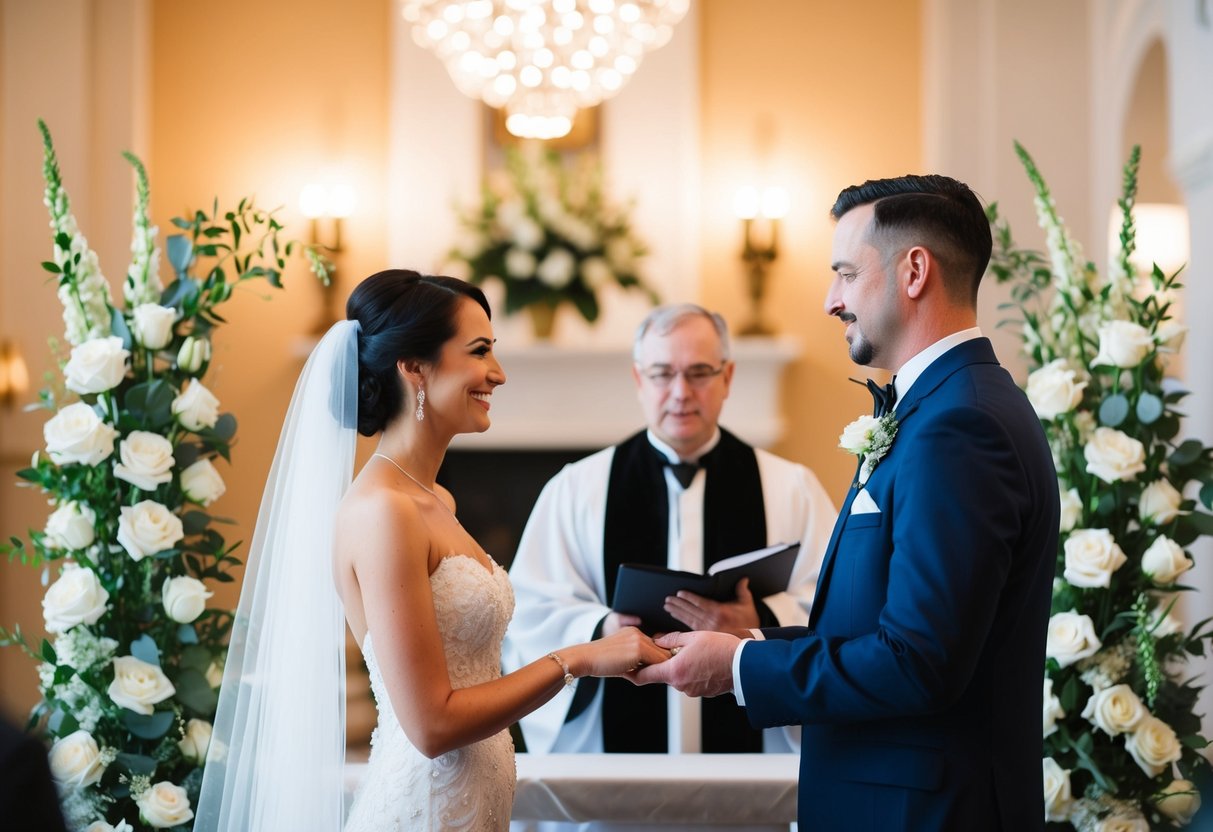
Wedding officiants play a crucial part in the wedding process. They help create meaningful ceremonies and ensure that all legal requirements are met.
Types of Officiants: Registrars vs Celebrants
In the UK, you can choose between two main types of officiants: registrars and celebrants. Registrars are government officials who conduct legal ceremonies. They ensure that the marriage is recognized by law. You typically need to book a registrar in advance.
Celebrants, on the other hand, are not bound by strict legal requirements and can create personalized ceremonies. They often have more flexibility in terms of venue and content. Whether you prefer a traditional ceremony or a unique celebration, you can find a wedding celebrant who suits your needs.
Legal Requirements to Become a Wedding Officiant
To become a wedding officiant in the UK, you must meet certain legal requirements. Registrars need to be appointed by the local council. This process involves training and an official application.
If you want to be a celebrant, there are different paths. Some celebrants obtain training from organizations, while others may not need formal qualifications. For celebrants, understanding legal aspects is essential, even if they don’t officiate legally binding ceremonies. To legally officiate a wedding, a celebrant must work alongside a registrar for the legal part.
The Significance of Experience and Reputation
Your choice of officiant can have a big impact on your wedding day. Experienced officiants often have a better understanding of what makes a ceremony memorable. They may offer more guidance and help you feel at ease.
Reputation also plays a vital role. Look for reviews and testimonials from previous couples. This can give you insight into the officiant’s style and reliability. Many couples find that hiring a highly rated officiant contributes to a smoother and more enjoyable ceremony.
Average Earnings and Factors Influencing Officiant Fees
Wedding officiants play a crucial role in making your special day memorable. Their fees can vary widely based on several factors such as location, experience, and the complexity of the ceremony. Understanding these factors can help you budget effectively.
Location and Its Impact on Wedding Officiant Fees
The area where your wedding takes place greatly affects your officiant’s fees. In major cities like London, fees tend to be higher due to increased demand and cost of living.
For example, you might find that officiants in central London charge significantly more than those in rural areas.
Additionally, if you’re planning a wedding in a popular location, like a historic venue or a beach, the competition for experienced officiants may drive costs even higher.
Take note of the local culture as well; areas with strong wedding traditions may have officiants who command higher rates due to their reputation and expertise.
Experience Level and Pricing
The experience of your wedding officiant can significantly impact their fees. A newer officiant may charge less while they build their reputation and gain experience.
In contrast, seasoned officiants often command higher fees because of their proven track record.
This experience can translate into smoother ceremonies and better customer service.
It’s important to consider what you value most; an experienced officiant might bring a unique flair and confidence that less experienced ones may lack.
Investing in a reputable officiant can lead to a more seamless and enjoyable experience on your big day, making their higher fees worthwhile.
Wedding Complexity and Special Requests
The complexity of your wedding ceremony also influences officiant fees. A simple civil ceremony typically costs less than a custom wedding that includes personalized vows, readings, and rituals.
If you have specific traditions or special requests, be prepared for potential additional costs.
For instance, officiants may charge extra for rehearsals, which can be valuable in ensuring everyone is on the same page.
The more elaborate your ceremony, the more time and effort the officiant will need to invest, which often reflects in their fees.
Discuss your vision clearly to receive accurate pricing.
Additional Services Provided by Officiants
Many officiants offer services beyond just performing the ceremony. Some may assist with planning, help with writing vows, or provide pre-marital counseling.
If you need these additional services, it can add to your overall costs but may enhance your wedding experience.
Additionally, some officiants offer packages that include rehearsal planning, which can alleviate some of your stress.
In essence, your wedding officiant’s fees are shaped by a variety of factors that cater to your specific needs and preferences.
Marketing and Operations of a Wedding Officiant Business
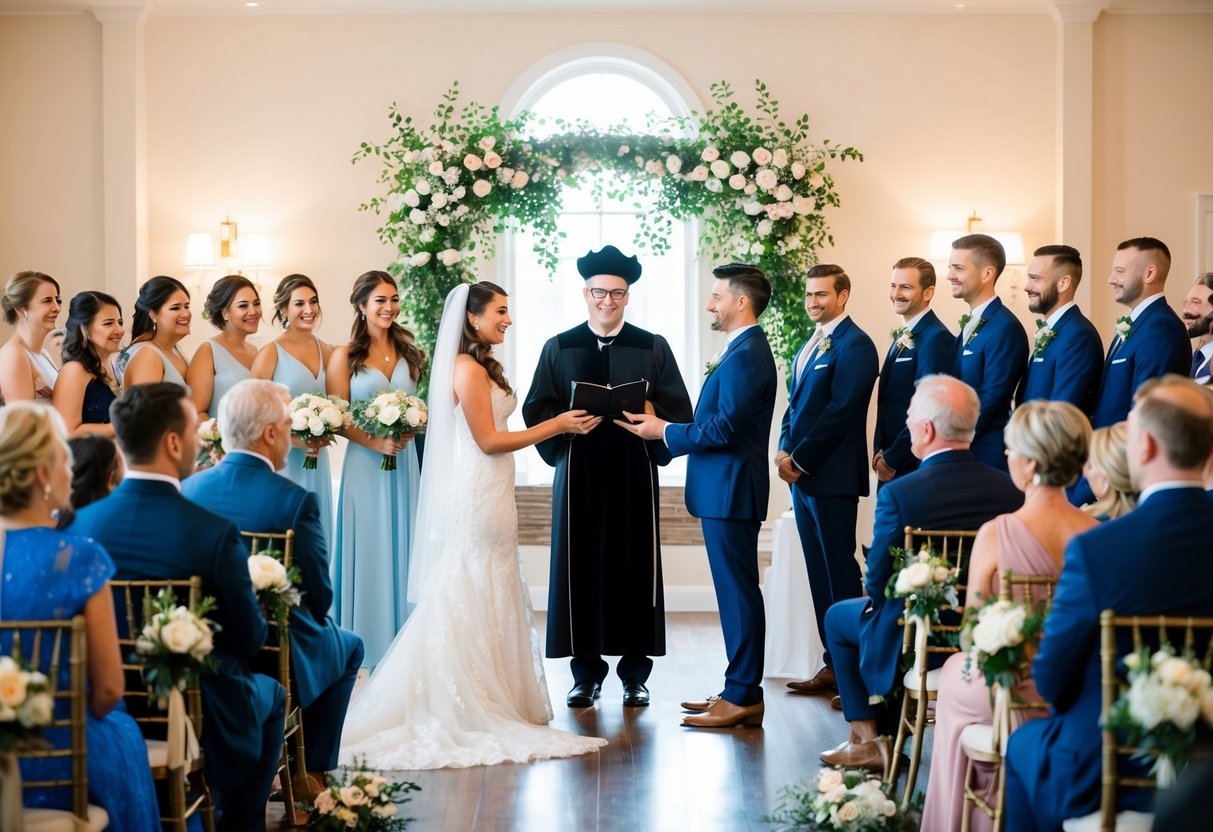
Running a successful wedding officiant business requires effective marketing strategies and efficient operations. You need to create compelling materials and consider important factors like insurance and continuing education to stand out in the industry.
Effective Marketing Materials and Strategies
First, develop visually appealing marketing materials that reflect your brand. This includes business cards, brochures, and an engaging website. Highlight your unique style and services.
Use social media platforms like Instagram and Facebook to share beautiful moments from ceremonies. This brings potential clients to you.
Consider starting a blog to share tips and experiences related to weddings. This not only showcases your expertise but also improves your search engine rankings.
Email marketing is another effective strategy. Build an email list to keep in contact with past clients and reach potential customers. Include reviews and testimonials to build trust.
Insurance and Professional Indemnity Considerations
Insurance is crucial for protecting you and your business. Having liability insurance helps cover accidents that might happen during ceremonies.
Professional indemnity insurance is also recommended. This covers you if a client claims you made a mistake during the service, leading to a loss.
Be proactive in checking the requirements for insurance in your area. This can safeguard your financial interests and give your clients peace of mind.
Investing in Continuing Education
To stay competitive in the wedding officiant business, invest in continuing education. You can attend workshops, webinars, or local classes to learn new trends and techniques.
Understanding diverse cultures and customs can broaden your appeal to a wider audience. This knowledge can help you tailor ceremonies to better fit couples’ needs.
Engaging with industry associations can also be beneficial. You might gain access to resources and networking opportunities that can aid your growth. Plus, it shows potential clients that you are committed to excellence in your work.