
How Much Should Guests Pay for a Destination Wedding? Tips for Navigating Costs and Expectations
Destination weddings can be a wonderful and memorable experience for everyone involved. Guests should expect to pay for their own travel and accommodations, which can vary widely based on the location and time of year. Understanding the costs involved is essential for both guests and couples planning the wedding.
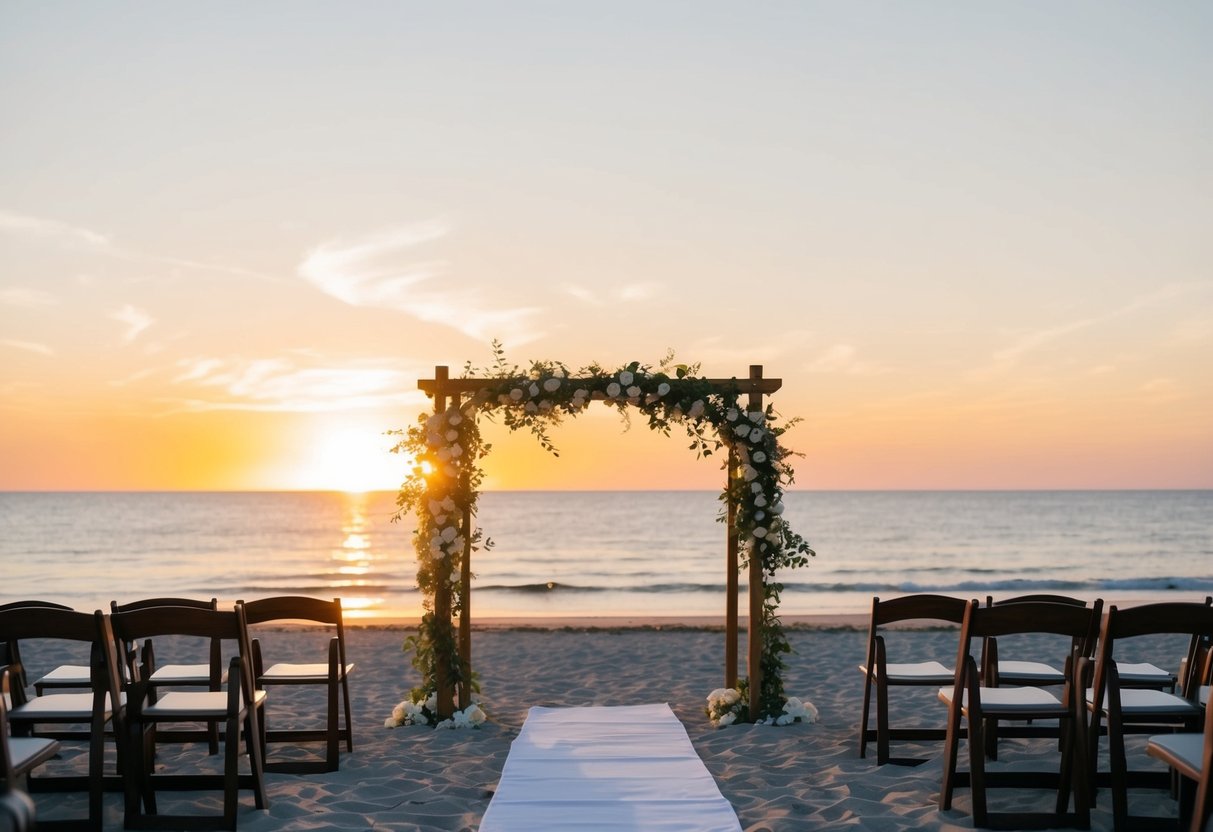
Navigating wedding etiquette in this setting can feel tricky. While the couple traditionally covers certain expenses, it’s important for guests to know their financial responsibilities in the context of a destination wedding. Knowing who pays for what can help avoid surprises and ensure a joyful celebration for everyone.
As a guest, being prepared for the costs can make the experience much smoother. You might need to budget for flights, hotel stays, and even meals outside of the wedding events. With the right expectations, you’re sure to enjoy the special moments while celebrating love in a beautiful location.
Understanding Destination Wedding Costs

Attending a destination wedding comes with various costs you should consider. Understanding these expenses can help you prepare better and enjoy the event without financial stress.
Breaking Down Expenses
One of the main expenses you will face is travel costs. This includes airfare or fuel for driving to the destination. Be sure to check for deals that can save you money.
Next, you’ll need to think about accommodation. Options can range from budget hotels to luxurious resorts. Prices can vary widely, so research ahead of time to find a place that fits your budget.
You should also account for wedding-related expenses. This can include gifts for the couple or attire specific to the wedding theme.
The Role of Wedding Budget
When planning for a destination wedding, the couple usually decides who pays for what. It’s common for the couple to cover the wedding costs, while guests handle travel and lodging.
Being aware of your financial responsibilities before the trip is vital. It can prevent surprises later.
Make a checklist to help you manage your budget. Include all anticipated expenses, such as:
- Travel Costs
- Accommodation
- Gifts
This approach keeps you organized and lets you enjoy the celebration without financial worry.
Guest Responsibilities and Etiquette

When attending a destination wedding, it’s important to understand your responsibilities regarding expenses and social etiquette. This can help you enjoy the event while respecting the couple’s wishes and making sure you’re prepared.
Accommodation and Airfare
You are usually responsible for your own accommodation and airfare. This means booking your flights and finding a place to stay. Research different hotel options near the venue, and compare prices to find the best deals.
Many couples share hotel recommendations or block rooms at specific hotels for their guests. This can sometimes offer discounts. Make sure you book early, especially during peak wedding seasons.
Keep in mind that attending a destination wedding often involves spending more than a typical local wedding. The average cost for attending is around $3,400, including lodging and travel expenses.
Attire and Wedding Gifts
Dress codes for destination weddings can vary. Check your invitation for specific guidelines on attire. Beach weddings, for example, often call for lighter fabrics, while formal events may require more upscale outfits.
As for gifts, it’s customary to bring a present for the couple, but destination weddings can change expectations. If your finances are tight, consider a thoughtful card instead of a physical gift. You can also contribute to their honeymoon fund or share experiences that mean a lot to you.
Always remember to be considerate of their budget and the effort they put into planning the wedding.
The Host’s Financial Role

When planning a destination wedding, the host has significant financial responsibilities. Understanding what expenses you can cover will help ease the burden on your guests and create a welcoming environment for your special day.
Providing Accommodations
As the host, you want to ensure your guests feel comfortable while attending your wedding. You can help by booking accommodations for them. This might include reserving a block of hotel rooms at a discounted rate.
If the budget allows, consider providing free or reduced-price lodging for close family and friends. This gesture can go a long way in showing your appreciation. Remember to communicate details clearly, so guests know where to stay and how to book.
Also, think about arranging transportation between the hotel and wedding venue. It can reduce stress for your guests and ensure they arrive on time.
Sponsored Wedding Activities
To make your wedding a memorable experience, you might want to host some sponsored activities. This can include a welcome party or a rehearsal dinner.
A welcome party is a great way to greet your guests and kick off the festivities. As the host, it’s thoughtful to cover the expenses for this gathering. This helps create a friendly atmosphere and allows everyone to mingle.
Similarly, paying for the rehearsal dinner is traditional. It sets a tone of gratitude and connection with those closest to you. Ensure to factor these costs into your budget. Offering a mix of fun activities can make a big difference, keeping guests engaged and excited for your big day.
Maximizing Guest Experience

Making sure your guests have a great time during a destination wedding involves careful planning and clear communication. Emphasizing group rates and being open about travel details can enhance the experience for everyone involved.
Leveraging Group Rates
When you book a destination wedding, always explore the option of group rates. Many hotels and resorts offer discounts for groups, which can significantly lower costs for your guests. This can apply to accommodations, transportation, and even activities.
You should reach out to different hotels to find the best rates. Mention your wedding and ask about special packages. Look for all-inclusive resorts which can simplify planning and offer more value.
Make a list of group-friendly hotels nearby. Share this with your guests early so they can budget effectively and reserve their spots.
Communication Is Key
Your guests will feel comfortable when you ensure effective communication. Start by sending out invites early, with clear RSVP instructions. Also, include details about travel and accommodations to avoid confusion later.
Use a wedding website or group chat for updates. This allows guests to ask questions, share travel plans, and discuss group excursions.
You can suggest activities they might enjoy, such as local tours or fun outings. Keeping everyone informed helps build excitement and ensures they know what to expect.
With proper planning and open lines of communication, you can create a memorable experience for all your guests.