
How to Coordinate a Wedding: A Practical Day-Of Guide
A smooth wedding day comes from clear decisions, shared information, and one person who can handle logistics while you celebrate. You coordinate a wedding by assigning responsibilities, confirming the details with your vendors, and following a flexible day-of timeline.
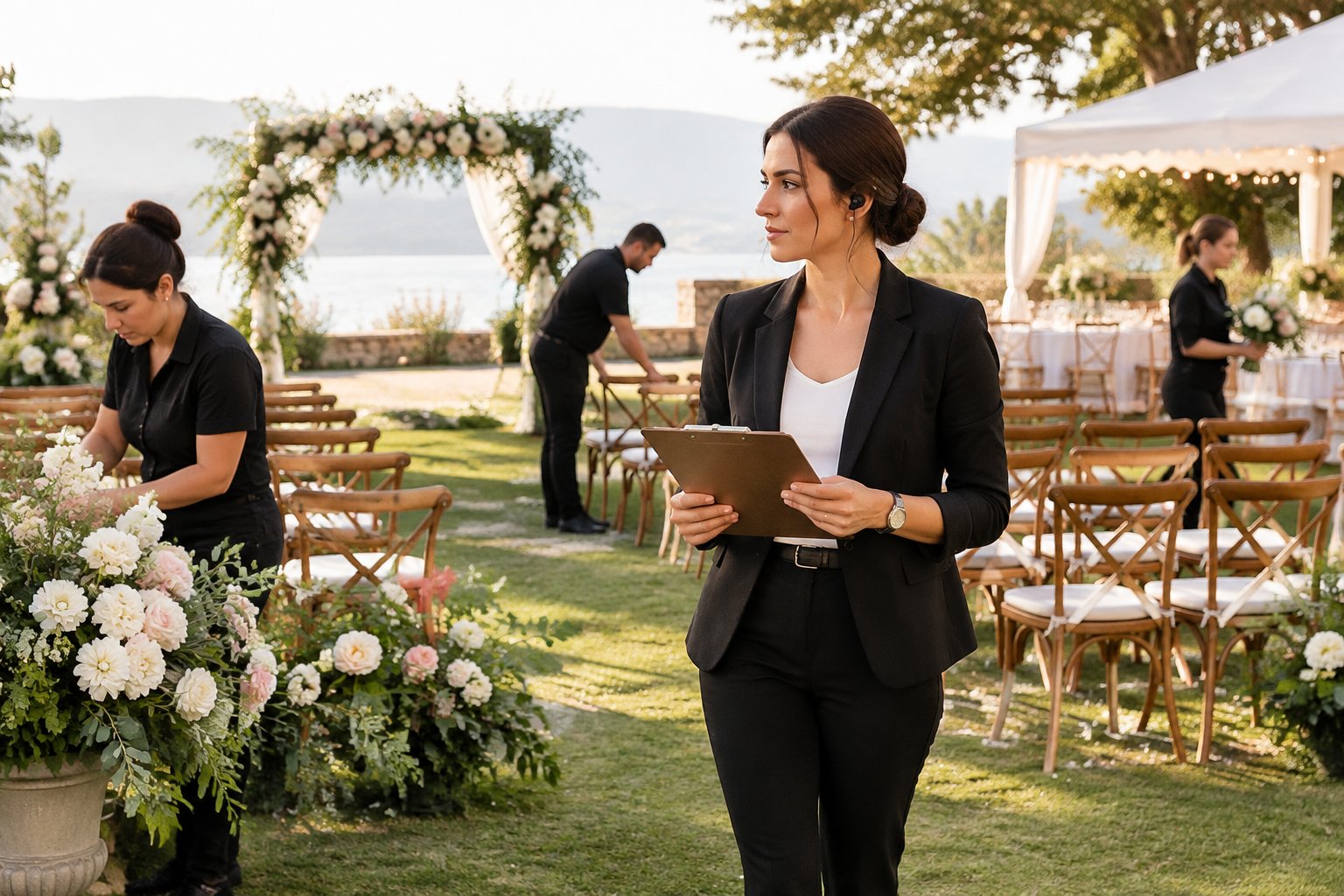
Start by choosing who will lead wedding coordination and where your plans will live. If you want an experienced point person, reach out to a day-of coordinator and ask how they’ll work with your venue and vendor team.
What Should a Wedding Coordinator Handle?

A wedding coordinator manages the schedule, communicates with vendors, oversees setup, and helps keep your celebration moving. You’ll have fewer day-of details to track when you agree on the coordinator’s duties and name a backup contact for urgent questions.
How Do a Planner, Coordinator, and Venue Lead Differ?
A wedding planner helps you make decisions and manage plans across the planning process, with the scope set by your agreement. A wedding coordinator focuses on putting those plans into action, often taking over communication and logistics in the weeks leading up to the event and on the wedding day.
A venue coordinator works on behalf of your reception venue. They handle the venue’s staff, policies, and spaces, while your wedding coordinator represents your plans and connects the venue team with your other vendors. If you’re weighing the planner role, learning what it means to hire a wedding planner can help you decide which level of support fits your needs.
When Should You Hire a Day-of Coordinator?
Book a day-of coordinator early enough to learn your plans and contact your vendors before the wedding. Some coordinators begin a month or more ahead; others offer a longer handoff period. Ask when they’ll start, how many meetings are included, and whether an assistant will be onsite.
Clarify the work covered by the fee. You might need help with the rehearsal, ceremony cues, vendor arrivals, room setup, guest directions, or cleanup. Put the agreed tasks in writing so your expectations match the service.
Which Tasks Can the Couple Delegate?
Give your coordinator the master timeline, vendor contacts, floor plans, and key decisions. You can also assign one trusted person to hold personal items, such as your vows or rings, and another to answer family questions. Keep the person responsible for vendor calls separate from the person who is meant to enjoy the day with you.
How Do You Build a Reliable Wedding Plan?

A reliable wedding plan puts deadlines, decisions, and contact details in one shared place. Build your checklist around your wedding date, then use it to track the marriage license, final guest count, and details each vendor needs.
Which Details Belong in the Master Checklist?
Include task owners and due dates, plus the vendor’s contact information, arrival time, setup needs, and payment schedule. Add ceremony and reception locations, transportation notes, key family contacts, and any rental pickup or return details. Keep copies of contracts, the floor plan, and the latest timeline with the checklist.
Mark decisions that affect more than one team. For example, a change to the ceremony location could affect the photographer’s setup, the musician’s equipment, and guest directions. A step-by-step wedding planning checklist can help you organize the wider set of tasks.
How Can Wedding Planning Apps Keep Everyone Updated?
Use wedding planning apps to store current information and share access with the people who need it. A shared guest list can help you track RSVPs and meal choices, while a digital checklist gives you a quick view of open tasks. Keep one version of the timeline as the source of truth, and tell your vendors how to access it.
Set a clear update routine. For example, you can review open items with your coordinator once a week, then send vendors any changes that affect their work. Keep a printed copy of the final timeline and essential contacts for day-of reference.
When Should You Confirm the Marriage License and Final Guest Count?
Check marriage license rules with the county clerk or other local issuing office where you’ll marry. Application timing, fees, waiting periods, and expiration dates vary by location, so use the official local instructions and put the key dates on your checklist. Decide who will carry the license and where it will be kept.
Set a deadline for RSVPs that gives you time to confirm the final guest count with your venue and caterer. Share the confirmed count, meal selections, and dietary needs with the teams that need them. Update the seating chart after you have those responses.
How Do You Align Vendors and the Venue?
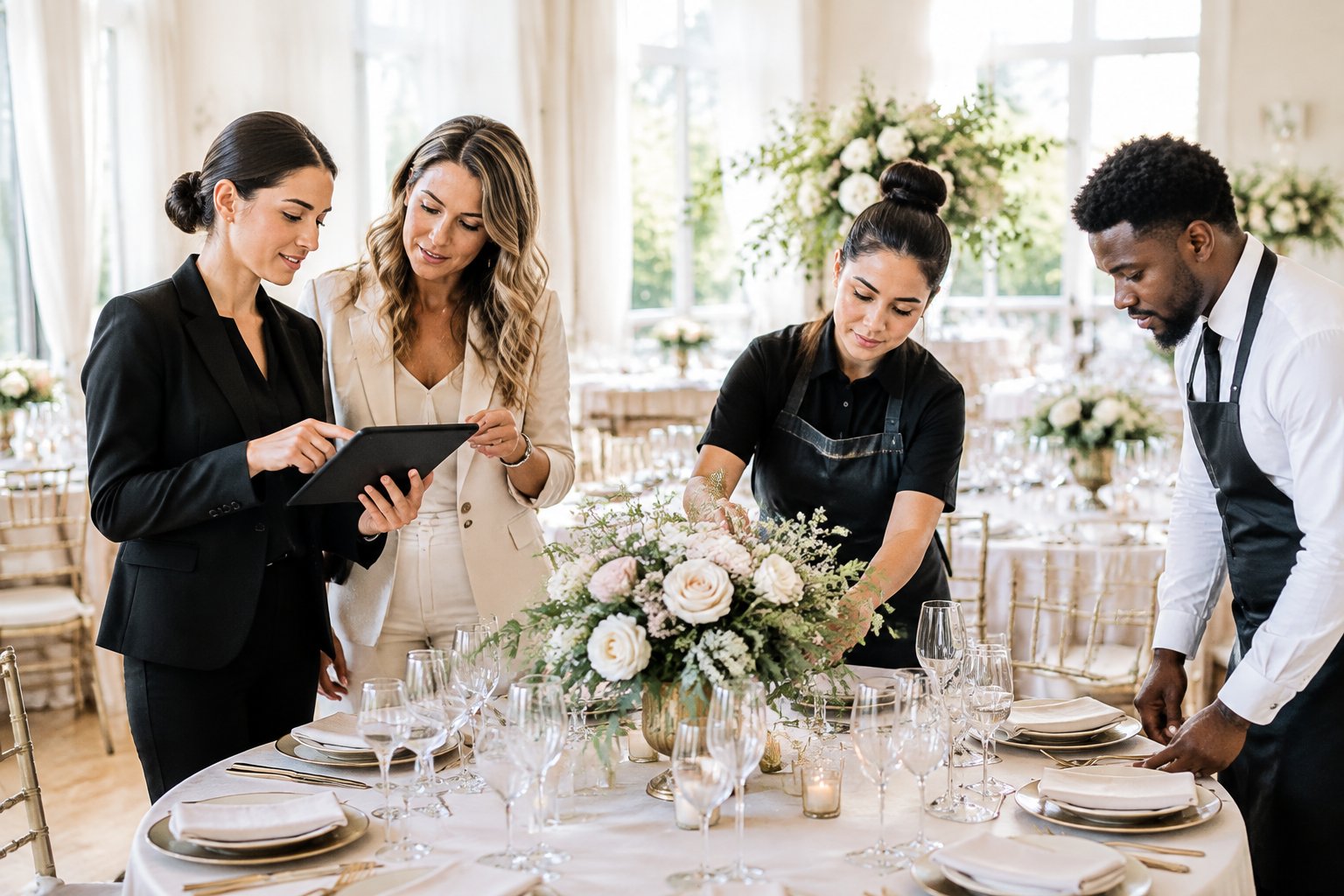
Good vendor coordination starts with clear contracts, a shared schedule, and agreed points of contact. Your venue coordinator and wedding coordinator should know who handles each setup task, who approves changes, and whom vendors should contact onsite.
What Should You Check in Vendor Contracts?
Review each contract for the services included, arrival and departure times, setup requirements, payment dates, cancellation terms, and overtime charges. Check whether the vendor provides equipment or expects you to arrange rentals. Save signed copies where you and your coordinator can find them.
Confirm that written details match the plans you’ve discussed. For example, check the number of service hours, the delivery location, and any restrictions on setup access. If you request a change, ask the vendor to confirm the updated terms in writing.
How Do You Share Setup Times and Responsibilities?
Create one schedule with vendor arrival windows, setup deadlines, ceremony cues, and teardown instructions. Send it to vendors and the venue coordinator, then ask each team to confirm its arrival time and needs. Include a contact for day-of questions so you can focus on getting ready.
Spell out who supplies and places each item. Your florist might deliver arrangements while your coordinator places signage; your venue team might arrange tables while the rental company handles chairs. A clear responsibility list helps prevent gaps and duplicate work.
What Should You Confirm During a Venue Walkthrough?
Walk through the ceremony and reception spaces with your coordinator and venue lead. Check where vendors can unload, where equipment can be stored, and how guests will move between spaces. Review power access, restrooms, parking, and any venue rules that affect your setup.
Test the ceremony layout and reception floor plan against your guest count. Confirm the weather plan for an outdoor event, including the decision time for moving indoors and who will communicate the change. The venue walkthrough is also a good time to confirm the key people involved in your wedding and their responsibilities.
How Can You Make Guest Flow and Seating Easier?

Thoughtful seating arrangements and clear directions help guests settle in without confusion. Plan the layout around confirmed RSVPs, access needs, and the paths people will use between the ceremony, cocktail hour, and reception.
How Do You Finalize Seating Arrangements?
Start with the venue’s floor plan and its table sizes, then place guests in groups that will feel comfortable together. Keep couples and guests with their chosen companions seated together, and consider family relationships or other sensitive dynamics as you assign tables. Share the finished chart and meal information with your venue and catering teams.
Use a digital chart or a spreadsheet that’s easy to update when RSVPs change. For a structured way to sort names and groups, review how to make a good seating plan. Print a backup copy of the final chart for your coordinator.
What Makes Guest Seating Accessible and Comfortable?
Place guests who need step-free access near an accessible route and confirm the arrangement with your venue. Leave clear paths for wheelchairs and mobility aids, and consider sightlines for guests who need to see or hear the ceremony. Ask guests about access needs in your RSVP process, then share relevant details with the venue.
Consider the room’s traffic when placing tables. Keep entrances, service areas, and routes to restrooms clear, and allow enough room for guests to move between tables. Your venue team can confirm which layouts fit the space safely.
How Should You Direct Guests Between Locations?
Give guests simple directions before the wedding and onsite. Include addresses, parking details, and any shuttle information on your wedding website or invitation materials. Use visible signs at decision points, and ask ushers or venue staff to guide guests between locations.
Place the seating chart where guests can find it without blocking the reception entrance. Alphabetical names and large, readable type help people locate their table quickly. A digital seating chart can offer another way for guests to search their assignments.
How Do You Keep the Ceremony and Reception on Track?
You keep the day moving by setting realistic timelines, assigning someone to cue each transition, and leaving room for small delays. Your coordinator should hold the master schedule and communicate changes to vendors and the wedding party.
What Should the Ceremony Timeline Include?
Build your ceremony timeline around vendor arrival and setup, the wedding party’s gathering time, guest seating, and the processional. Add the ceremony start, key cues for music and readings, the recessional, and the transition to the next event. Include buffer time for travel between locations or a change in weather plans.
Share the schedule with your officiant, musicians, photographer, and wedding party. A ceremony planning checklist can help you keep the key details together. Confirm who will cue each person and how they’ll signal that it’s time to begin.
How Do You Run a Useful Wedding Rehearsal?
Use the wedding rehearsal to practice the lineup, walking order, standing positions, and exits. Your coordinator or officiant can guide the group through the sequence and explain where everyone should wait. Review music cues and any movements that need timing, such as a reading or a unity ritual.
End by confirming where the wedding party should gather on the day and when they need to arrive. If you want to clarify who leads the practice, see who runs the rehearsal at a wedding.
How Can You Keep the Reception Timeline Flexible?
Set a planned order for the grand entrance, meal service, toasts, special dances, and open dancing. Coordinate the schedule with your caterer, DJ or band, and photographer so each team knows when to prepare. Assign one person to give cues and keep you informed of timing changes.
Build short buffers between major moments. If dinner service runs late, your coordinator can work with the vendors to shift a toast or dance while keeping the event moving. A typical reception flow can help you think through the order of events.
What Should Be in the Day-Of Backup Plan?
Write down a response for the issues most likely to affect your event, such as rain, a vendor delay, a missing item, or a guest who needs assistance. Name the person who makes each decision and list the relevant phone numbers. For an outdoor ceremony, confirm the indoor location, the deadline for a weather call, and who will notify guests.
Pack a small kit with basic first-aid supplies, safety pins, stain remover, tape, and phone chargers. Give your coordinator copies of the timeline, vendor contacts, and venue rules, then let them handle the practical changes while you take part in the celebration.