
In What Order Does a Wedding Go? A Simple Guide to Wedding Ceremony Details
Planning your wedding can feel overwhelming, especially when figuring out the order of events for the ceremony. The typical wedding ceremony order includes the processional, exchange of vows, and the announcement of the couple. But you can also personalize it to fit your unique style. Knowing what to expect can help reduce stress and make your big day even more special.
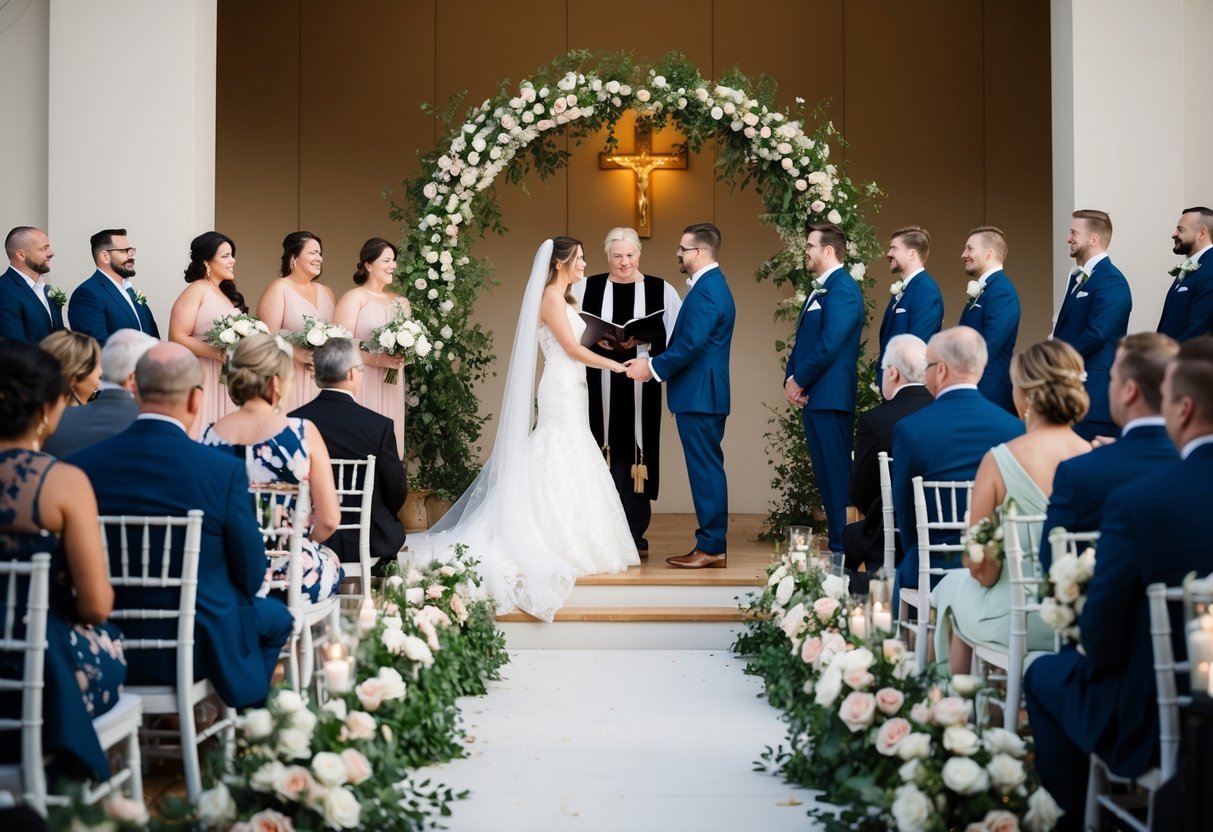
You might be wondering about the specific steps involved in the ceremony. From gathering your loved ones to celebrating your love story, each part plays a significant role. Understanding the timeline of your wedding can not only help with planning but also ensure that every moment is meaningful.
Personalizing your ceremony is important too. You can include traditions or elements that reflect who you are as a couple, making the event truly yours. With the right guidance on the wedding ceremony order of events, you can create a beautiful experience that you and your guests will remember forever.
The Prelude and Processional

The prelude and processional are important parts of your wedding ceremony. They set the tone and create a meaningful moment as you walk down the aisle. Here’s a closer look at these key elements, which include the musical prelude, seating of family, bridal party entrance, and your grand entrance as the bride.
Musical Prelude
The musical prelude plays as guests arrive and take their seats. This background music can last from 15 to 45 minutes, creating a welcoming atmosphere.
Common choices include soft instrumental pieces or songs that have special meaning to you. You can ask a musician or DJ to play live music or use a curated playlist.
The intent is to fill the space with emotion and prepare everyone for the ceremony ahead. Choose music that reflects your style and relationship.
Seating of the Family
After the prelude, it’s time for the seating of family members. This part typically begins with the parents of the bride followed by the parents of the groom.
You might also choose to include grandparents or close family in this moment. It’s a respectful way to honor your family and acknowledge their support.
The seating generally happens in a specific order. The bridal party can help guide guests in taking their seats. This creates a sense of unity and sets the stage for the ceremony.
Bridal Party Entrance
Next comes the entrance of the bridal party, which includes the groomsmen, bridesmaids, flower girl, and ring bearer. Each person walks down the aisle in a specific order, starting with the groomsmen and then the bridesmaids.
The flower girl often follows, sprinkling petals along the way. Finally, the ring bearer walks, carrying the wedding rings—sometimes on a special pillow.
This processional adds excitement to the ceremony and engages the guests. You can choose upbeat or romantic music to match the mood.
Bride’s Grand Entrance
The moment you’ve been waiting for is your grand entrance. Traditionally, you walk down the aisle with your father or a chosen family member. This moment is powerful and emotional for both you and your guests.
As you make your way down the aisle, all eyes will be on you. Choose a song that reflects your personality and adds to the magic of this moment.
This is a time to take a deep breath and soak in the joy. Remember, this is your day, and it’s all about celebrating your love.
Ceremony and Vows

In this part of your wedding, you’ll experience the heartfelt moments that define your commitment. Key elements include the officiant’s opening words, meaningful readings, the exchange of vows, and any special unity rituals that hold significance for you as a couple.
Opening Remarks
The ceremony typically begins with the officiant’s opening remarks. This sets the tone for the entire event. The officiant may welcome guests and explain the importance of the day.
They often share a brief reflection on love and marriage, drawing from personal insights or religious texts. This is a moment to connect everyone present, reminding them of the love that brought you all together.
Many officiants also speak about the journey of the couple and their commitment to one another. This warms the hearts of those in attendance, making them feel part of the celebration.
Readings and Gospel
Next, readings can add depth to your ceremony. Many couples choose passages from literature, poetry, or sacred texts that resonate with their relationship.
Whether you opt for a beautiful poem or a portion of the gospel, these readings express the values and emotions you hold dear. Friends or family members may read these passages, making it even more special.
In a religious context, specific readings can convey blessings or attributes of love. For example, in a Catholic wedding, the officiant might include scripture that highlights the importance of love and commitment.
Exchange of Vows and Rings
The exchange of vows is a central moment in your wedding. Here, you’ll declare your love and promises to each other. Many couples choose to write personal vows, adding a custom touch to this cherished moment.
You’ll also exchange wedding rings, a symbol of your unity and commitment. This act is often accompanied by a statement, such as “With this ring, I thee wed.” The rings serve as a constant reminder of your love and dedication.
This portion of the ceremony emphasizes the importance of the marriage contract, often formalized with a declaration of intent to marry each other.
Unity Rituals and Special Traditions
Finally, unity rituals can make your ceremony even more memorable. These rituals vary widely across cultures and can include a sand ceremony, where you mix colored sands to symbolize your lives becoming one.
Another popular option is lighting of candles, where each partner lights a candle and together, they light a larger central candle. Handfasting is a traditional practice where cords are tied around your hands to symbolize your union.
If you follow a specific cultural or religious tradition, like a Jewish wedding, you may incorporate elements like the ketubah or the seven blessings called sheva brachot. Each of these rituals adds significance and personal meaning to your ceremony, making it uniquely yours.
Pronouncements and Recessional
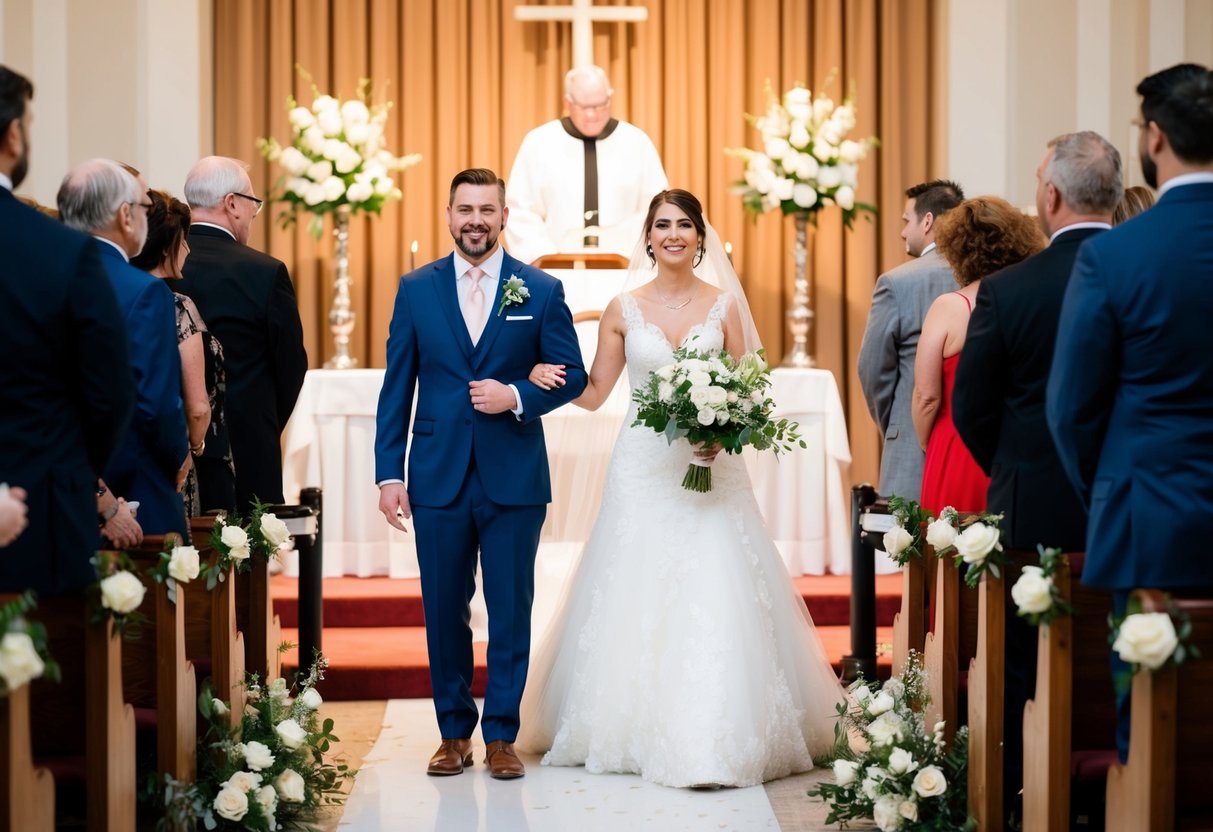
This section covers important moments that signal the end of your wedding ceremony. You will experience the final blessing, share a special kiss, and then move into the recessional, marking the start of your celebration.
Final Blessings and Pronouncement
After exchanging vows, your officiant will often offer a final blessing. This blessing is a heartfelt moment that emphasizes love and unity. It may also include cultural or religious elements, such as the breaking of the glass or a bedeken ritual, if applicable.
Following the blessing, the officiant will make the official pronouncement of marriage. This is when you are declared married for the first time in front of your guests. It’s a significant declaration that brings joy and cheers from your loved ones.
The Kiss
Once you are pronounced married, it’s time for “the kiss.” This moment is highly anticipated by you and your guests. It signifies the sealing of your vows and the beginning of your life together.
You can choose how to approach this—soft and simple or grand and passionate. Make sure to enjoy this moment; it can feel like a whirlwind, but it’s one of the most memorable parts of your ceremony. Snap some pictures and cherish this first kiss as a married couple.
Closing Remarks and Recessional
After the kiss, your officiant will often give closing remarks. This part includes expressing gratitude to your guests for being part of your special day.
Next comes the recessional. This is the joyful processional as you, your partner, and your wedding party exit the ceremony. The recessional usually involves lively music that sets the tone for the celebration ahead. Guests may cheer, and some may even toss flower petals or confetti, creating a festive atmosphere as you transition from ceremony to party.
Post-Ceremony Considerations
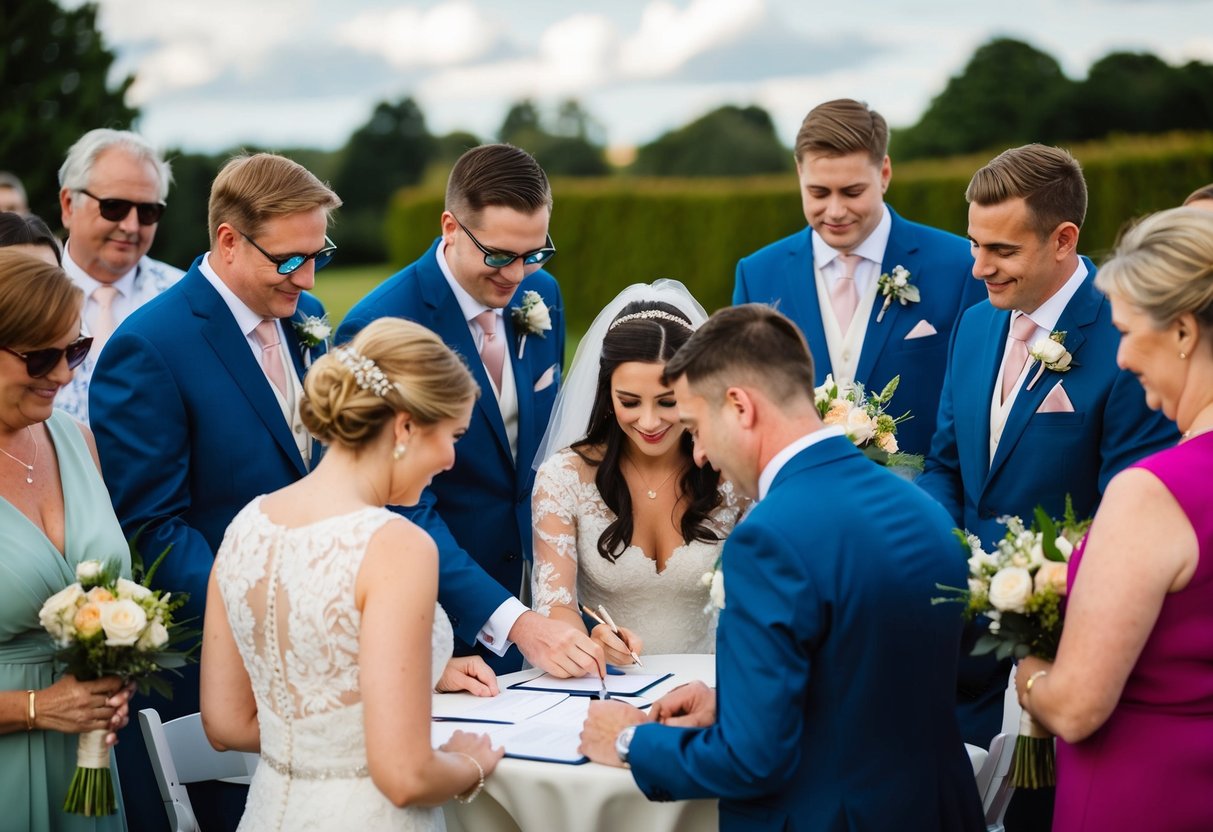
After the wedding ceremony, there are important details to manage that contribute to the overall flow of your special day. These considerations will help ensure everything transitions smoothly from the ceremony to the celebration.
Wedding Programs and Signage
Providing wedding programs is an excellent way to inform your guests about the ceremony’s structure. It helps them understand who is participating, like the maid of honor and best man. You can include details such as the order of events, special readings, and song choices.
Consider placing signage at key locations to guide guests effectively. For example, direct them to the reception area or to restrooms. Use clear and welcoming language on these signs to create a friendly atmosphere.
Reception Transition
Moving from the ceremony to the reception can be a bit hectic. So, make sure to have a plan in place to guide your guests smoothly.
If you’re having a cocktail hour, let guests know where to go after the ceremony. Also, coordinate with your wedding planner to make announcements as needed.
It’s also helpful to have a designated area for the wedding party to gather before entering the reception. This way, you can enjoy this moment without feeling rushed.
Thanking Guests and Family
After the ceremony, make sure to show appreciation to your guests and family. A heartfelt thank-you during the reception can mean a lot. This is especially important for those who traveled far to celebrate with you.
You can also send thank-you cards following the wedding. Acknowledge specific contributions, such as help with the baraat or the shagun ceremony. Personal touches in these notes will make your appreciation stand out.