
Is 100 People at a Wedding Small? Guest Count Guide
A 100-person wedding is usually considered medium-sized in the United States, though your celebration can still feel intimate with a close-knit guest list and thoughtful setup.
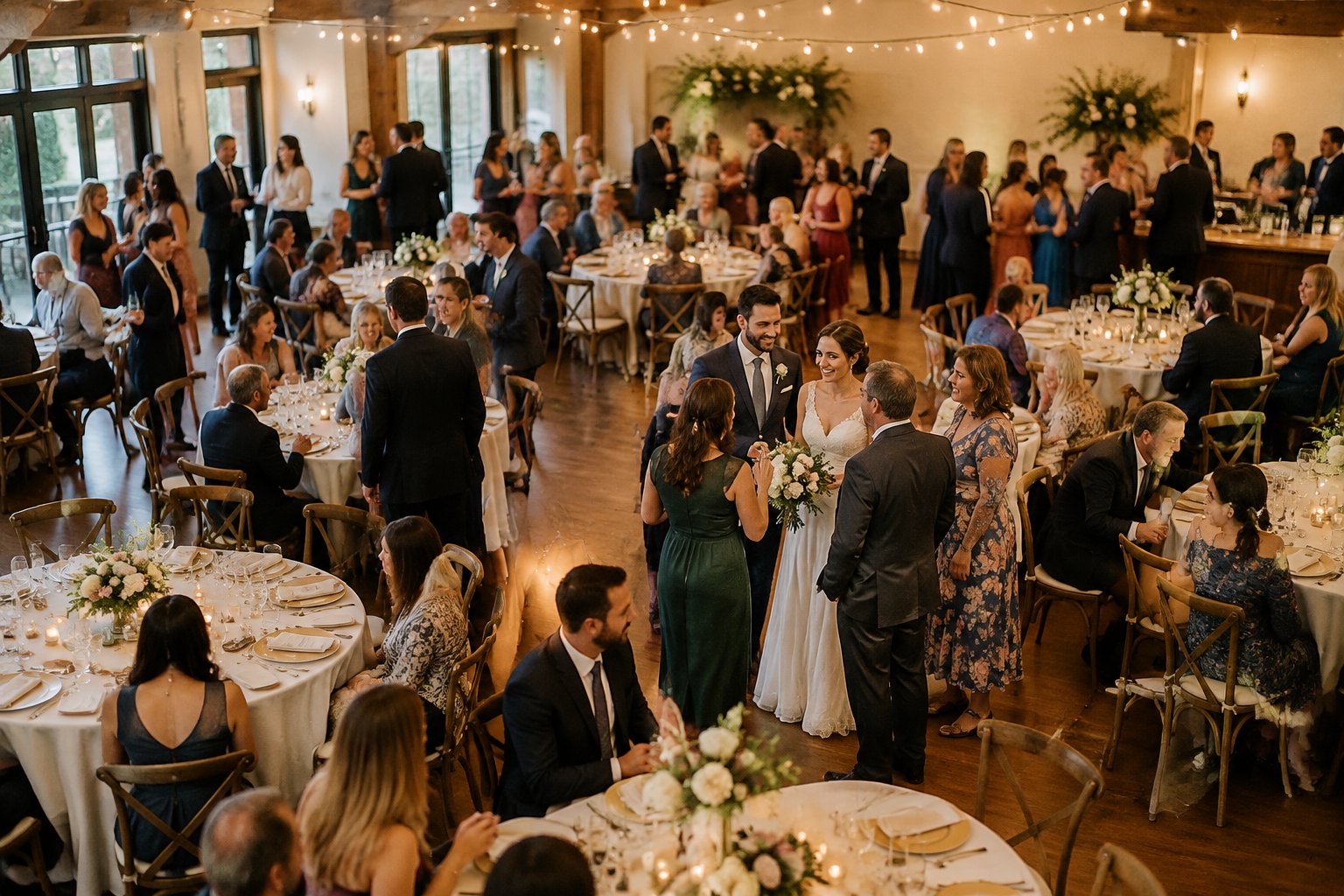
Your sense of wedding size comes from more than the headcount. A 100-person celebration gives you room for extended family and friends while keeping the event manageable.
If you have a target in mind, start a preliminary guest list and compare it with your venue’s capacity. You can also use the average wedding size as a point of reference.
How Are Wedding Sizes Commonly Classified?
Wedding size labels offer a rough guide, with guest counts around 50 or fewer often called small, 50 to 150 medium, and more than 150 large. Your family size, culture, and event style can shift how each range feels.
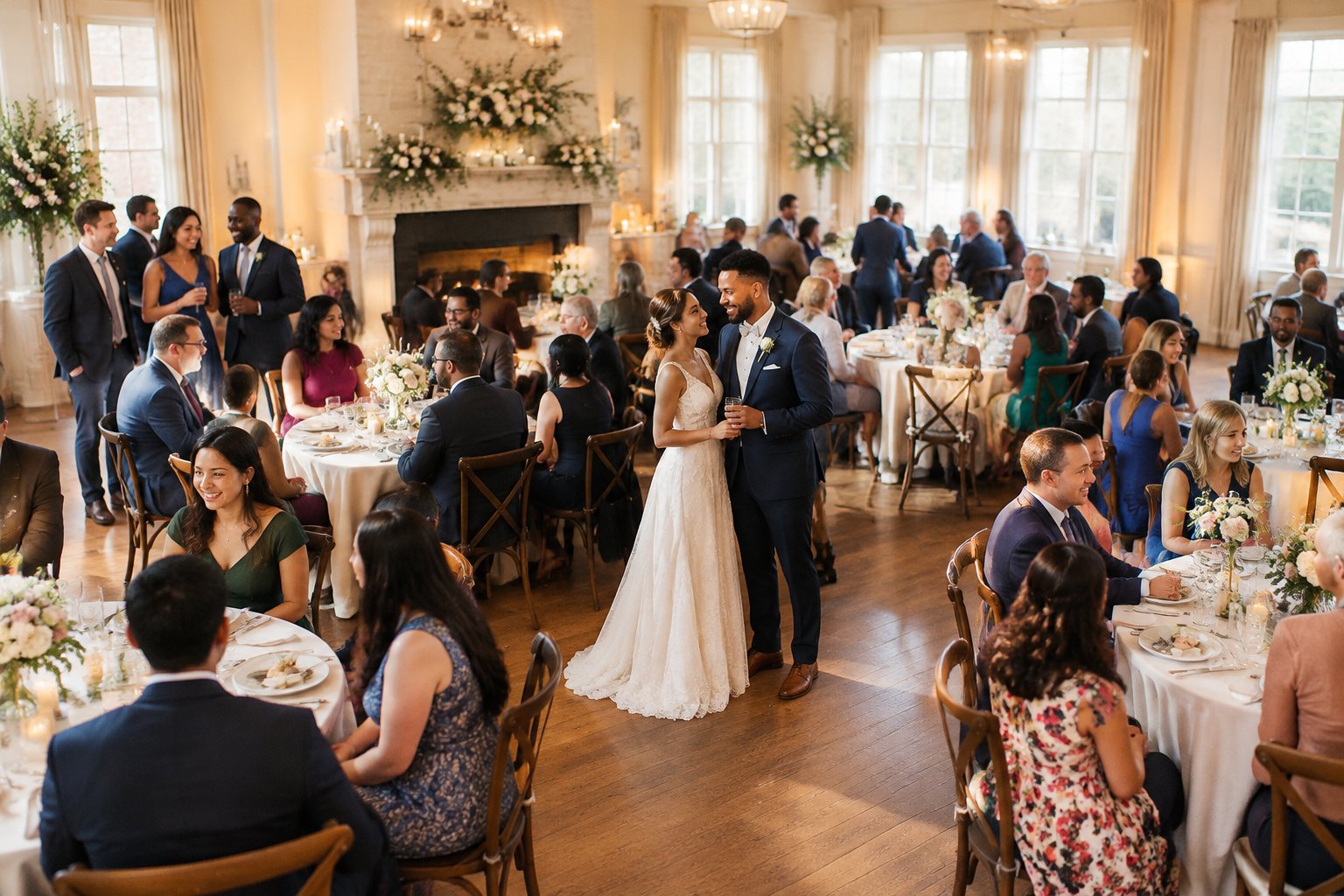
What Usually Counts as a Small Wedding?
A small wedding often has 50 guests or fewer, while an intimate wedding may have an even shorter list of close family and friends. Some people use “intimate” to describe the feeling of the event, so a carefully planned gathering of 100 can still feel personal.
If you’re trying to set a number, use common small-wedding guest counts as a starting point, then account for your own circle. A large immediate family can fill much of a small guest list before you add friends.
How Many Guests Make a Medium Wedding?
A medium wedding often falls between 50 and 150 guests, placing a 100-person wedding near the center of that range. That size gives you room for a lively reception while keeping the guest list more contained than a large celebration.
The category is a planning shortcut, not a rule. Your room layout, the number of people you know well, and the traditions you want to include all shape how the event feels.
When Is a Wedding Considered Large?
A wedding with more than 150 guests is commonly described as large, though the scale can feel different from one family or community to another. A 100-person wedding may feel modest if your family gatherings are large, while it may feel bustling if you picture a very small ceremony.
What Does a 100-Person Celebration Feel Like?
A 100-person celebration can feel warm and lively, with enough guests to create party energy and a workable chance to connect with people. Your room layout, schedule, and guest mix shape that experience as much as the number itself.
Can You Still Make Time for Guests?
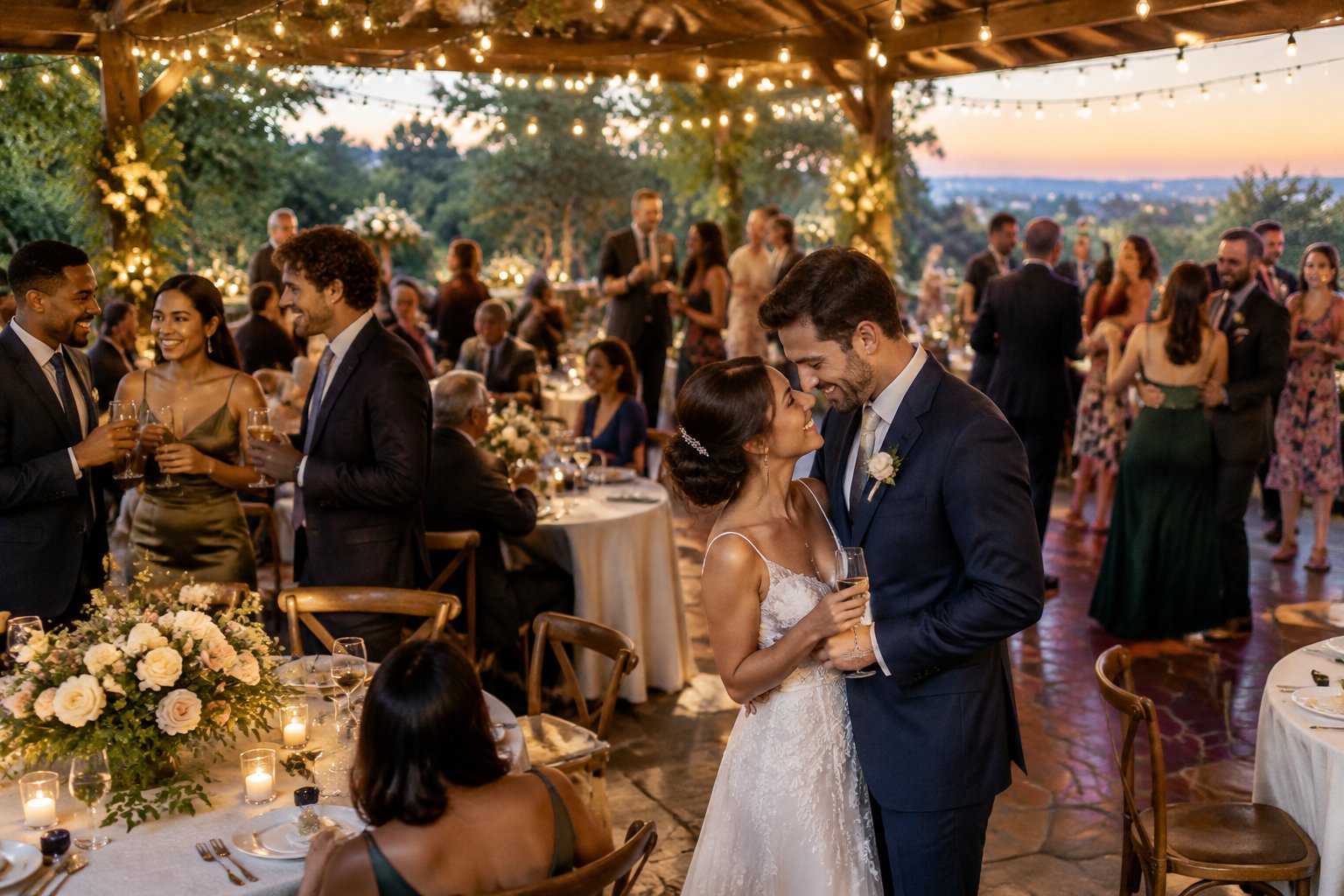
You can make time for guests at 100 people, though you’ll want a plan for how you greet everyone. A receiving line, a brief visit to each table, or a relaxed cocktail hour gives you natural moments to connect.
Your reception timeline should also leave space for conversation between formal events. If you want a celebration where nearly every guest gets an extended one-on-one visit, a smaller list may suit that goal better.
If you’re weighing whether 100 people gives you enough company, consider what makes a guest count feel sufficient.
How Do Family and Cultural Expectations Shape the Guest Count?
Your family and cultural traditions can make 100 feel small, generous, or just right. Some traditions call for broad invitations across extended family and community; others focus on a close circle.
Talk with your partner about the people and customs you want represented before you set the final number. If family members are contributing to the wedding, agree on any guest-list input early.
You can set a shared limit, then give each side a defined number of invitations to help keep decisions clear.
How Should You Choose Your Guest Count?
Choose your guest count by starting with the people you most want beside you, then checking that number against your budget and venue. A clear target helps you make wedding planning decisions before invitations, catering, and seating plans are underway.

Who Belongs on the Must-Invite List?
Begin with the people whose presence would mean the most to you, such as close family and friends who are part of your life now. Then add other guests in priority groups so you can see how the list grows.
Asking how many guests to invite can help you set an initial range before you add names. Consider what you value most as you make choices.
If the event feels right with 100 people, use that number as a boundary when deciding on distant acquaintances, work contacts, and plus-ones. A clear invitation policy helps you apply the same standards across the list.
How Can You Balance Your Vision and Venue Capacity?
Match your guest count to a venue that can comfortably handle your ceremony, meal, and reception activities. Check the layout as well as the stated capacity: a room may fit 100 seated guests but feel crowded once you add a dance floor, bar, stage, or lounge area.
If your ideal list exceeds the venue’s comfortable capacity, decide whether to adjust the guest count or find a space with a better layout. Keep your priorities visible while you make the trade-offs, and use your wedding priorities to guide those decisions.
What Does Guest Count Mean for Your Budget and Venue?
A 100-person wedding gives you a clear planning target, and each guest affects costs such as food, drinks, rentals, and staffing. Your venue and service choices shape the final budget, so get quotes based on a realistic headcount.
Which Costs Change as the Guest List Grows?
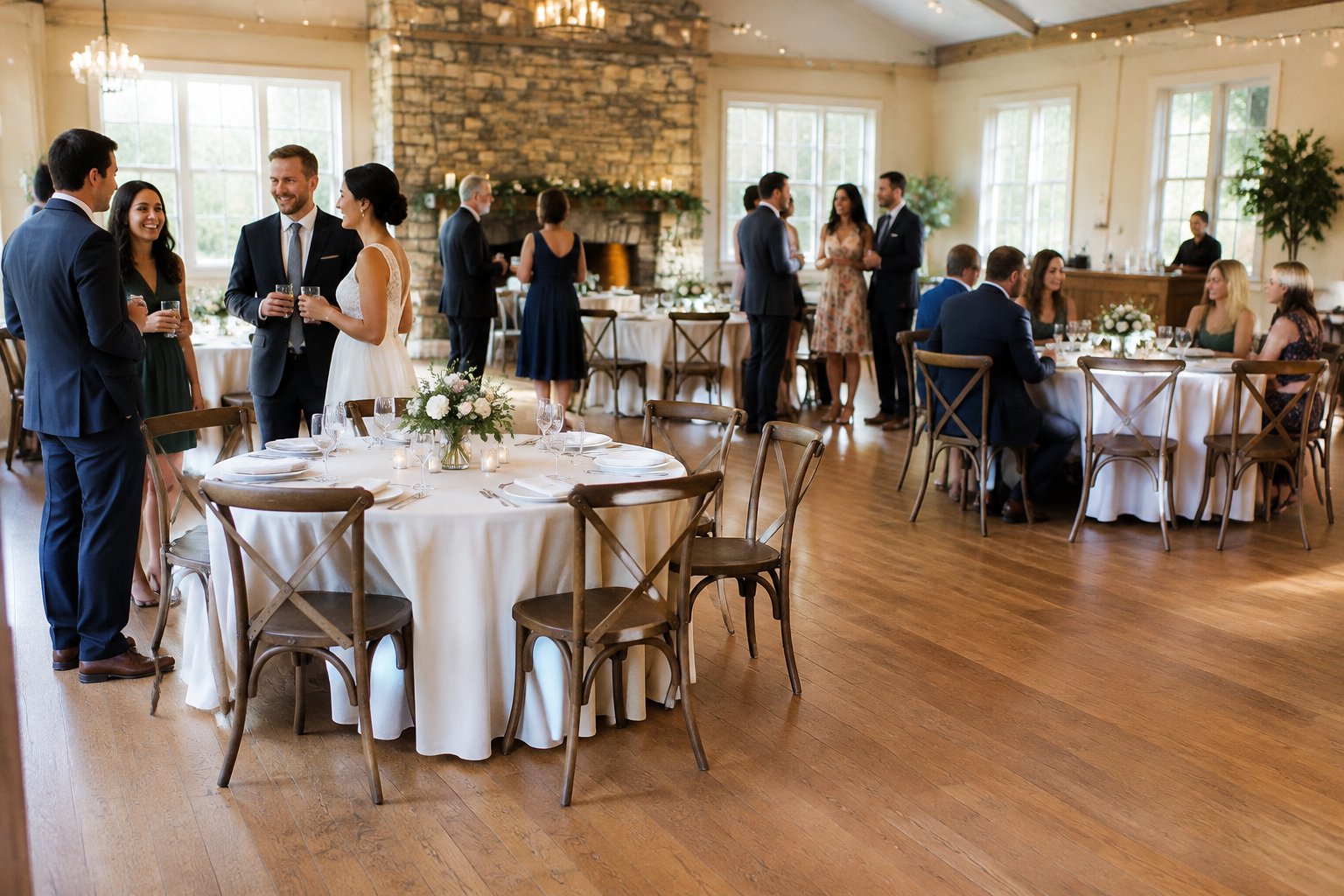
Food and beverage costs rise with each added guest, and a larger headcount also calls for more chairs, place settings, and table space. Your venue may charge more when you need a larger room or extra staff.
Invitations, favors, and transportation can also add to the total. Ask vendors which charges are per person and which are fixed.
That distinction helps you see how a change in headcount affects your budget. For a more reliable starting number, estimate your expected guest count using each invitee’s likelihood of attending, then confirm the final figure through RSVPs.
What Venue Setup Works for Around 100 Guests?
A venue for around 100 guests needs room for the parts of the celebration you plan to host, with enough space for guests to move comfortably. Ask to see a sample floor plan with tables, ceremony seating, and any dance floor or entertainment setup included.
Check how the room feels at your planned seating arrangement, not just its maximum capacity. For an outdoor event, confirm that your indoor backup plan can accommodate the same group and activities.
What Extra Logistics Should You Consider?
A 100-person wedding calls for careful coordination of guest needs, vendor timing, and event flow. Your plans will also change if guests need to travel, especially for a destination wedding.
How Do Catering, Seating, and Entertainment Scale?
For catering, share your confirmed guest count and dietary needs with your vendor by the required deadline. Decide whether you want plated service, a buffet, or another format, then plan table layouts that keep paths clear and let guests reach key areas.
Your entertainment setup should fit the room and the energy you want. Confirm how much space a band or DJ needs, and check whether the dance floor leaves enough room for dining and service.
A seating chart can help you group guests comfortably and account for mobility needs.
What Changes When You Plan a Destination Wedding?
A destination wedding adds travel details to the guest experience, including travel time, lodging, and transportation between hotels and the venue. Your invited list of 100 may produce a smaller in-person group, so gather travel plans and RSVPs before you make final vendor commitments.
For a clearer estimate, calculate a destination wedding guest count with attendance likelihood in mind. Share key information early, including travel dates, lodging options, transportation plans, and RSVP deadlines.
You can also plan a welcome gathering or another shared event so you have relaxed time with guests outside the wedding-day schedule. If you’re coordinating an event abroad, use a destination wedding planning approach that accounts for guest travel and local logistics.