
Is 100 People Considered a Large Wedding? Size and Costs
A 100-person wedding is usually considered medium-sized in the United States, not large. It sits close to the national average, though your own guest list may feel big if you picture a smaller gathering. If you’re weighing whether 100 guests feels like a big wedding, the answer comes down to the size ranges you use and the traditions you’re used to.
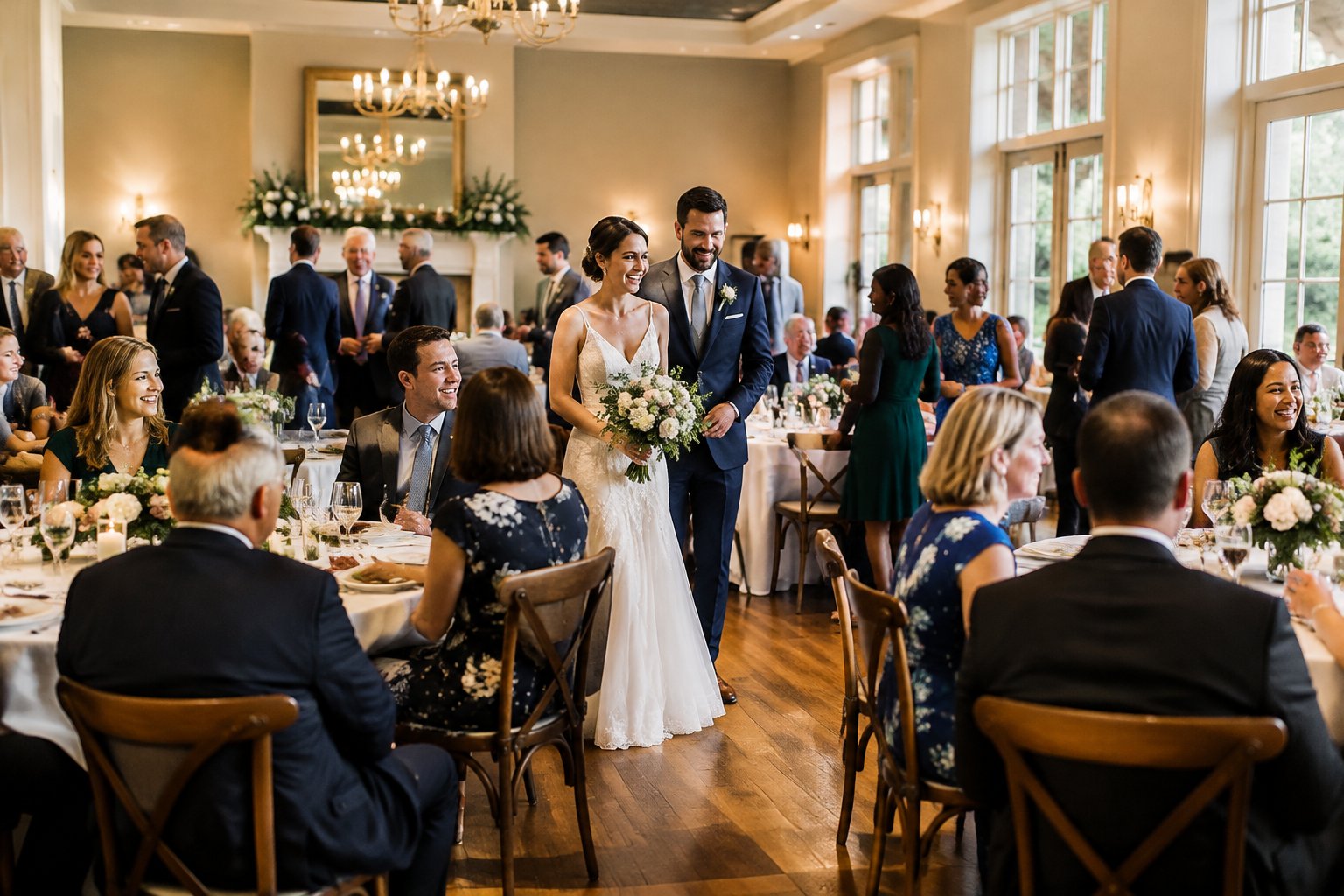
A hundred guests gives you room to celebrate with family and friends while keeping the event more manageable than a reception with several hundred people. Start with a draft guest list, then use that number to set a realistic venue and spending range.
How Is Wedding Size Usually Defined?
Wedding size is often grouped into small, medium, and large ranges, with 100 guests landing in the medium category. The labels are flexible, so your family’s customs and your past wedding experiences can shape how the number feels.
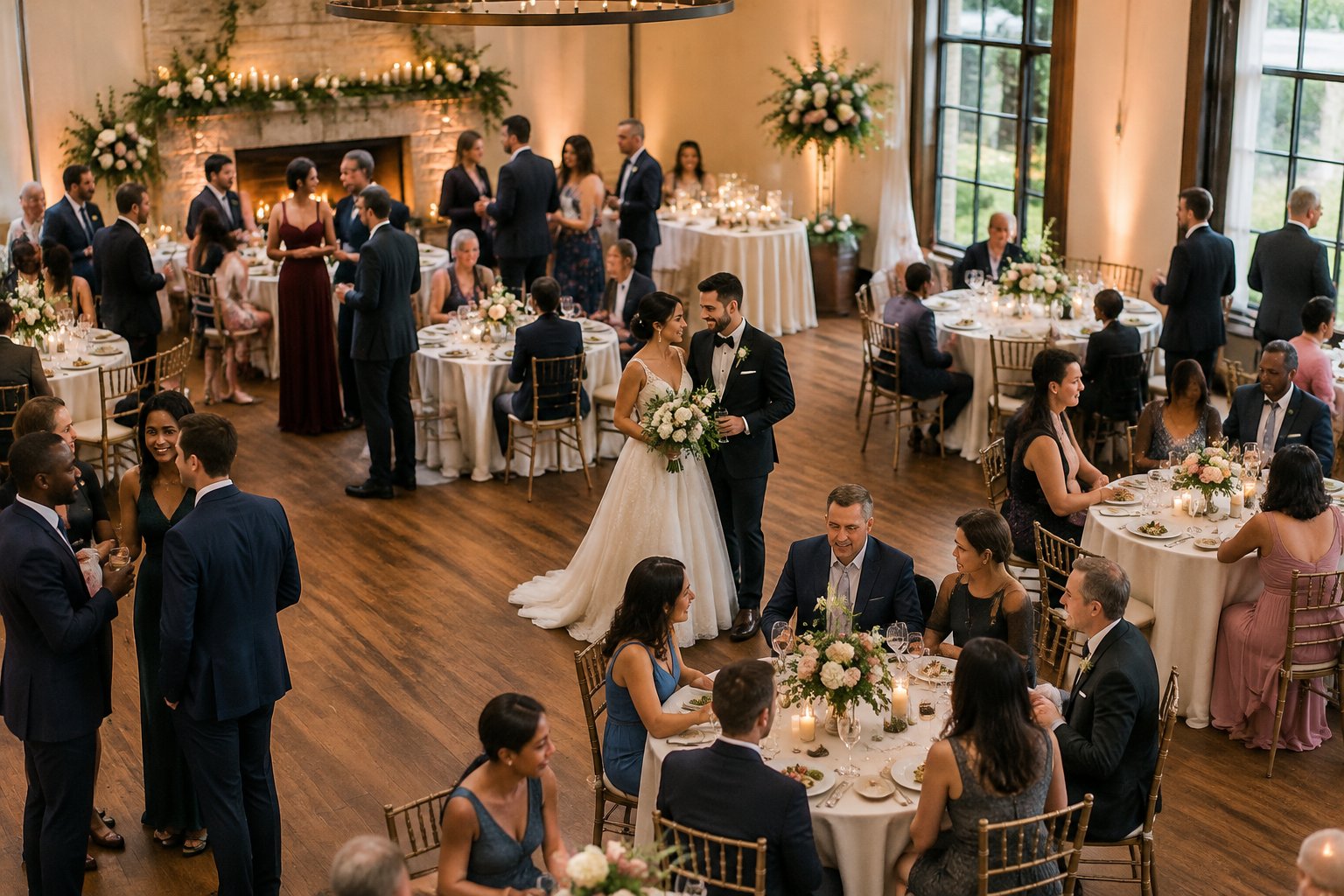
These broad ranges give you a useful starting point for planning, while micro weddings and elopements sit at the more intimate end of the scale.
What Counts as a Small, Medium, or Large Wedding?
A common planning guide puts small weddings at 50 guests or fewer, medium weddings at about 50 to 150 guests, and large weddings above 150. By that measure, a 100-person wedding is medium-sized. Some planners use different cutoffs, so you may see a 100-guest event described as medium-to-large.
You can use these categories to compare the scale of your event, not as strict rules. If your close family and friends already fill most of the list, 100 guests may feel substantial. For a larger family or social circle, the same number may feel modest. A small-versus-medium wedding comparison can help you decide which label fits your plans.
How Do Micro Weddings and Elopements Compare?
A micro wedding usually includes a small group, commonly around 20 to 50 people, while an elopement often centers on the couple and a few guests or witnesses. Definitions vary, so check how a venue or vendor counts attendees when you compare packages.
At 100 guests, you have room for a broader circle than either format allows. You can still make the event feel personal by choosing a smaller venue, limiting the program, or spending more time with guests during the reception.
Where Does 100 Guests Sit Compared With the Average?
A 100-person wedding is slightly smaller than the recent U.S. average, which places it near the middle of the usual range. The average gives you a point of reference, while your location and guest list shape the event you plan.
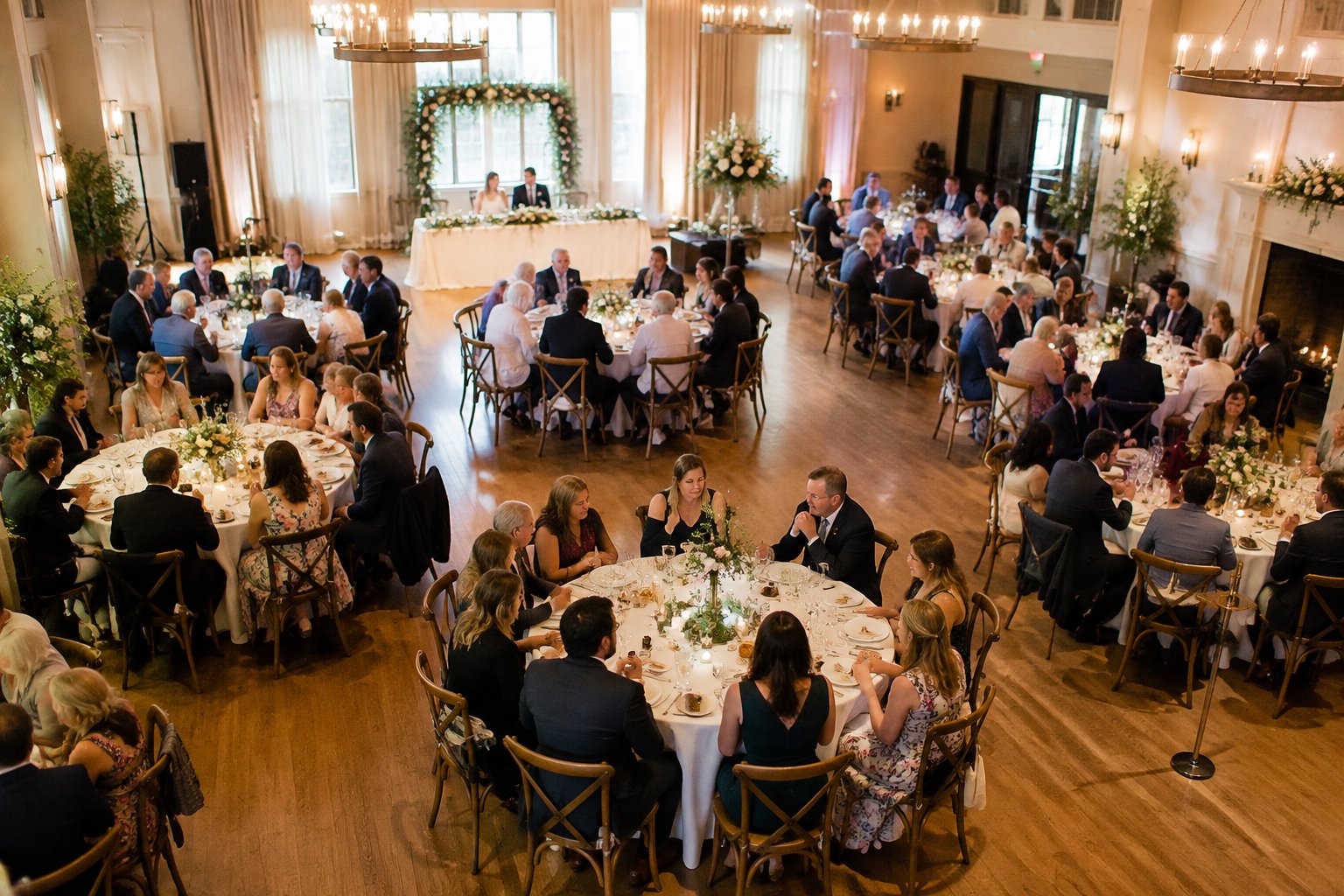
Recent U.S. figures put the average wedding size at about 117 guests. Attendance also shifts with travel distance and local customs, so the national number is a guide rather than a target.
What Is the Average Wedding Size?
The average wedding size in the U.S. is about 117 guests, based on couples married in 2025. A 100-person wedding falls 17 guests below that figure, which places it close to the national norm. You can compare the average wedding size with your own list, then plan for your expected attendance.
The number of invitations you send and the number of guests who attend can differ. Travel, schedule conflicts, and the event location affect RSVPs, so build your budget around confirmed attendance as it becomes clear. Ask your venue how it handles final guest counts and when you must submit them.
Do Cultural and Regional Expectations Change the Answer?
Yes. In some families and communities, weddings bring together a wide network of relatives and friends, so 100 guests may feel intimate. In other circles, the same count may feel like a large gathering. Regional expectations also reflect family size, local traditions, and the kinds of venues couples choose.
Location can affect attendance, too. A hometown reception is easier for nearby guests to attend, while a destination wedding asks guests to plan and pay for travel. Talk with your families about important traditions early, then decide which invitations fit your priorities and budget.
What Does a 100-Person Wedding Feel Like?
A 100-person wedding can feel lively and personal at the same time when you plan the room and schedule around guest interaction. The atmosphere comes from your layout, program, and how you spend time with people.
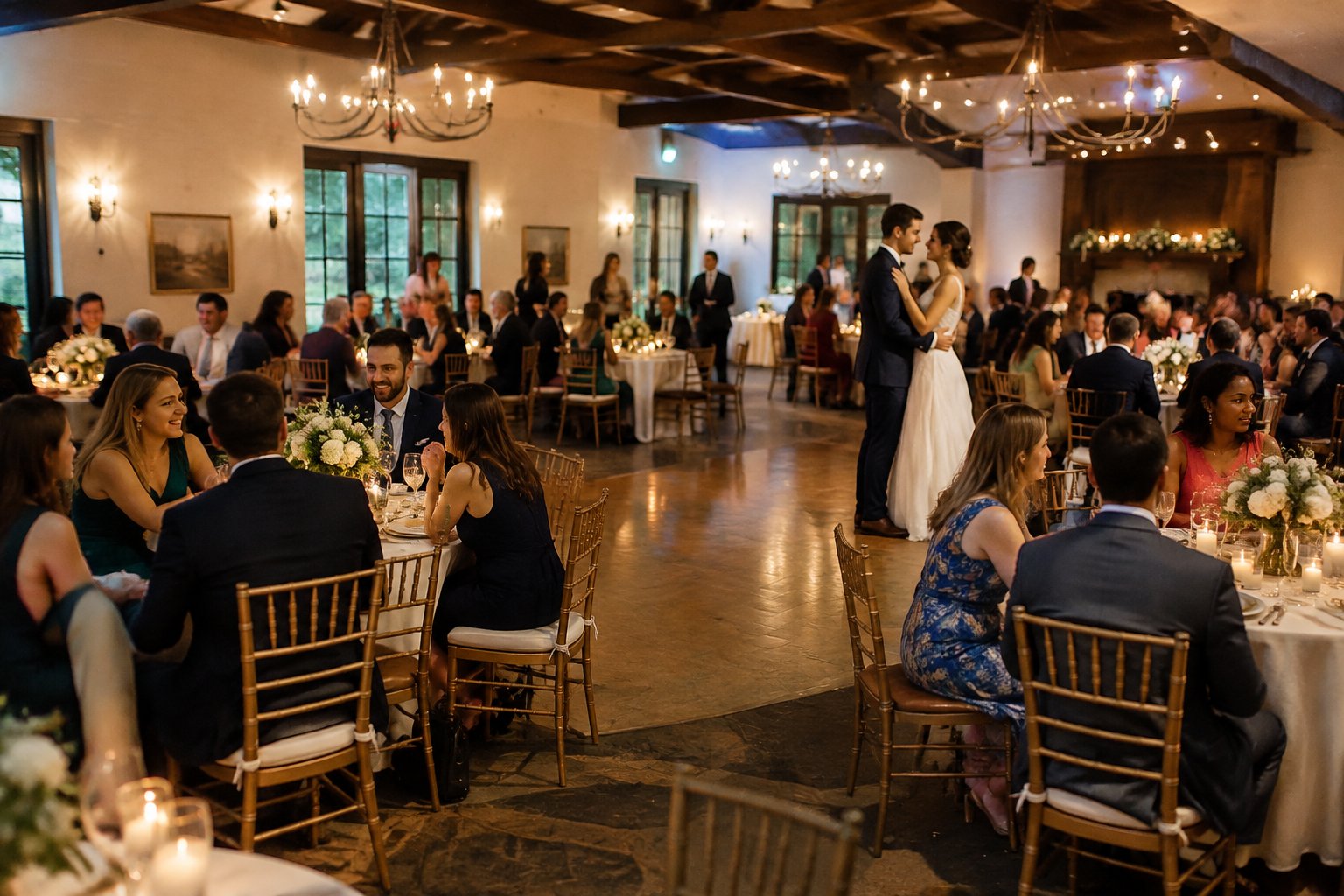
With 100 guests, you can include several groups of family and friends without creating the scale of a very large celebration. A clear room layout helps guests connect and move comfortably.
Can It Feel Intimate and Still Have a Lively Atmosphere?
Yes. A 100-person guest list can create a warm feel when you invite people you know well and choose a space that suits the count. You can welcome guests with assigned tables, add personal details to the dinner, and leave time to talk during the reception.
The event can still have plenty of energy. A full dance floor, music that suits your guests, and a shared meal bring people together. The room’s size and shape also affect the feel: a space designed for 100 guests keeps the celebration connected, while an oversized room can make the same group feel spread out.
How Does It Compare With a Truly Large Celebration?
A 100-person wedding usually requires less space and coordination than a reception with 150 to 200 guests or more. You have fewer tables to arrange and fewer guests to move through dinner service, photos, and other planned moments.
That smaller scale can make conversation easier and give you more chances to greet people. A truly large wedding brings a wider guest mix and a bigger crowd, which can create a grand atmosphere but calls for more room and service planning.
How Do Guest Counts Affect Wedding Costs?
A larger guest count raises many wedding costs, especially food, drinks, rentals, and staffing. Your final total also depends on the venue, location, season, and choices you make for the event.
A national average gives you a budget reference, though individual weddings can land far above or below it. Separate expenses into per-person costs and fixed costs to see which parts of your plan change with each added guest.
What Is the Average Wedding Cost?
The average U.S. wedding cost was about $34,000 for weddings in 2025. Treat that figure as a broad benchmark, since local prices and the services included in a wedding budget can vary widely.
For your own estimate, list the costs that change with attendance alongside fixed expenses. Catering and place settings rise with the headcount, while photography or ceremony fees may stay similar across different guest counts. A smaller list can free up money for details you value, such as music or décor.
Which Expenses Rise as the Guest List Grows?
Food and beverage costs usually rise with each additional guest. You may also need more tables, chairs, linens, place settings, invitations, favors, and service staff. A larger guest count can push you into a venue with a higher rental fee or a different room layout.
Some expenses stay fairly stable, including your ceremony, photographer, and certain entertainment packages. Ask vendors which fees are per person, which are fixed, and whether taxes or service charges apply. Those details help you see the cost of adding a table before you expand the list.
What Planning Choices Matter Most at This Size?
For a 100-person wedding, choose a venue that fits your confirmed guest count and leaves enough room for dining and dancing. Your layout, entertainment plan, and travel arrangements then shape how smoothly the celebration runs.
How Should You Choose a Venue and Seating Arrangements?
Start with your likely guest count, then tour venues that can seat that number comfortably. Ask to see a sample floor plan with tables, a dance floor, and service areas in place. A venue’s maximum capacity may include standing guests, so confirm the seated capacity for your specific setup.
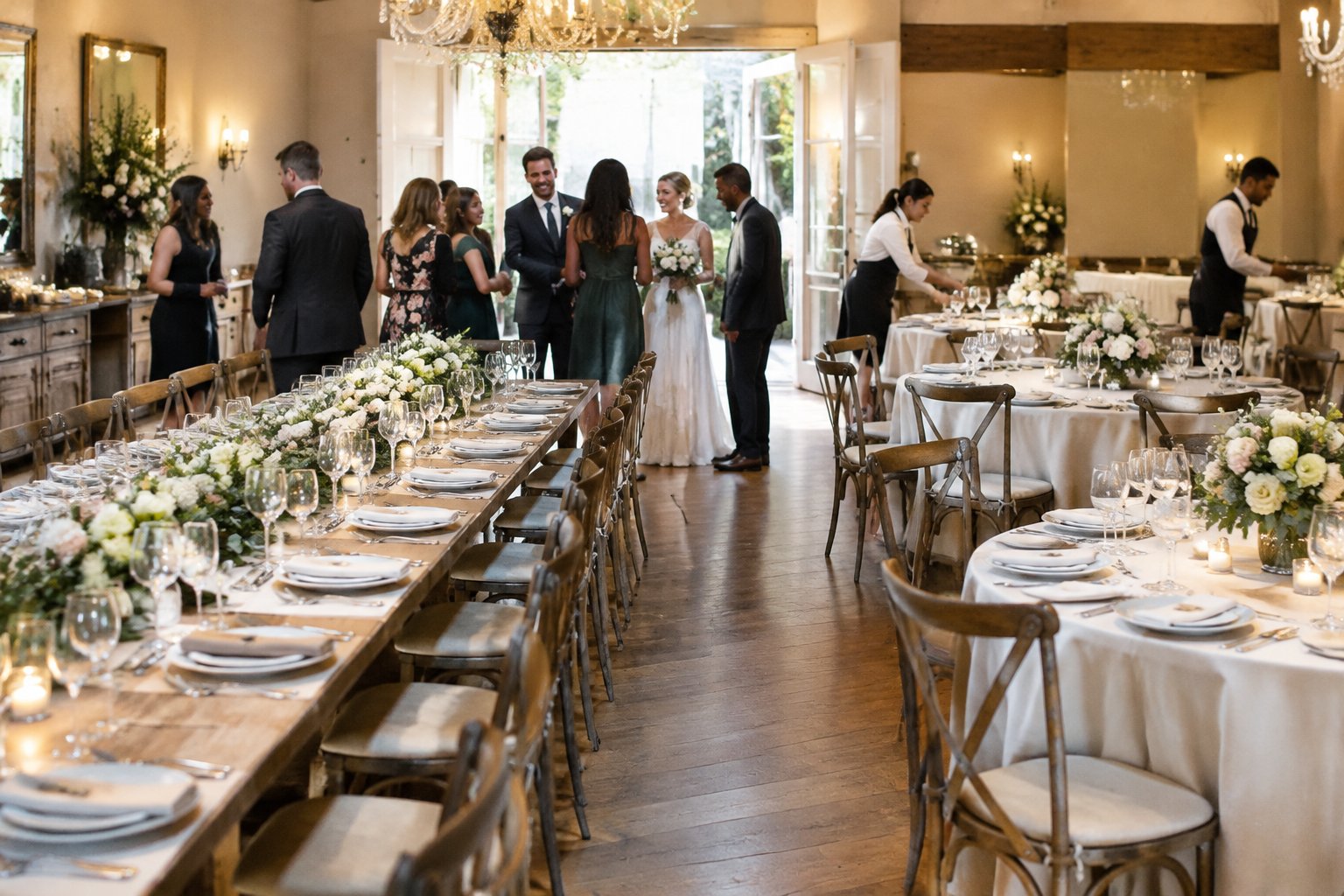
Your seating arrangements should give guests room to move and allow servers to reach tables. Round tables can seat different numbers depending on their size, while long tables create a more shared dining layout. Use a 100-guest table estimate as an early planning aid, then confirm the final layout with your venue.
What Should You Consider for Entertainment and a Destination Wedding?
For entertainment, match the setup to the room and the mood you want. A DJ can work well in a compact space, while a live band needs room for performers and equipment. Check the venue’s sound rules and make sure guests can hear announcements from their seats.
A destination wedding can lead to a smaller attending group because guests need to arrange travel and lodging. Set a clear RSVP date and use a realistic attendance estimate when comparing venues and catering options. If you’re planning a destination celebration, use a guest-count estimate for destination weddings to account for travel distance and your guests’ plans.