
Is 10K Too Much for a Wedding? A Realistic Budget Guide
A $10,000 wedding budget is a reasonable amount for an intimate celebration in many parts of the United States. Your guest count, location, and priorities will shape what it covers, so start with a firm spending limit and price your biggest expenses before booking.

If you’re asking whether $10,000 is enough to get married, the answer is yes when you plan for a smaller event and make clear choices about what matters to you. Write down your maximum spend and a first estimate of your guest count, then use those numbers to guide your plans.
What Does a $10,000 Celebration Usually Buy?
A 10k wedding can cover a ceremony and reception, though your budget will go further with a compact guest list and a simple venue. Your location and the style of your meal will affect the details.
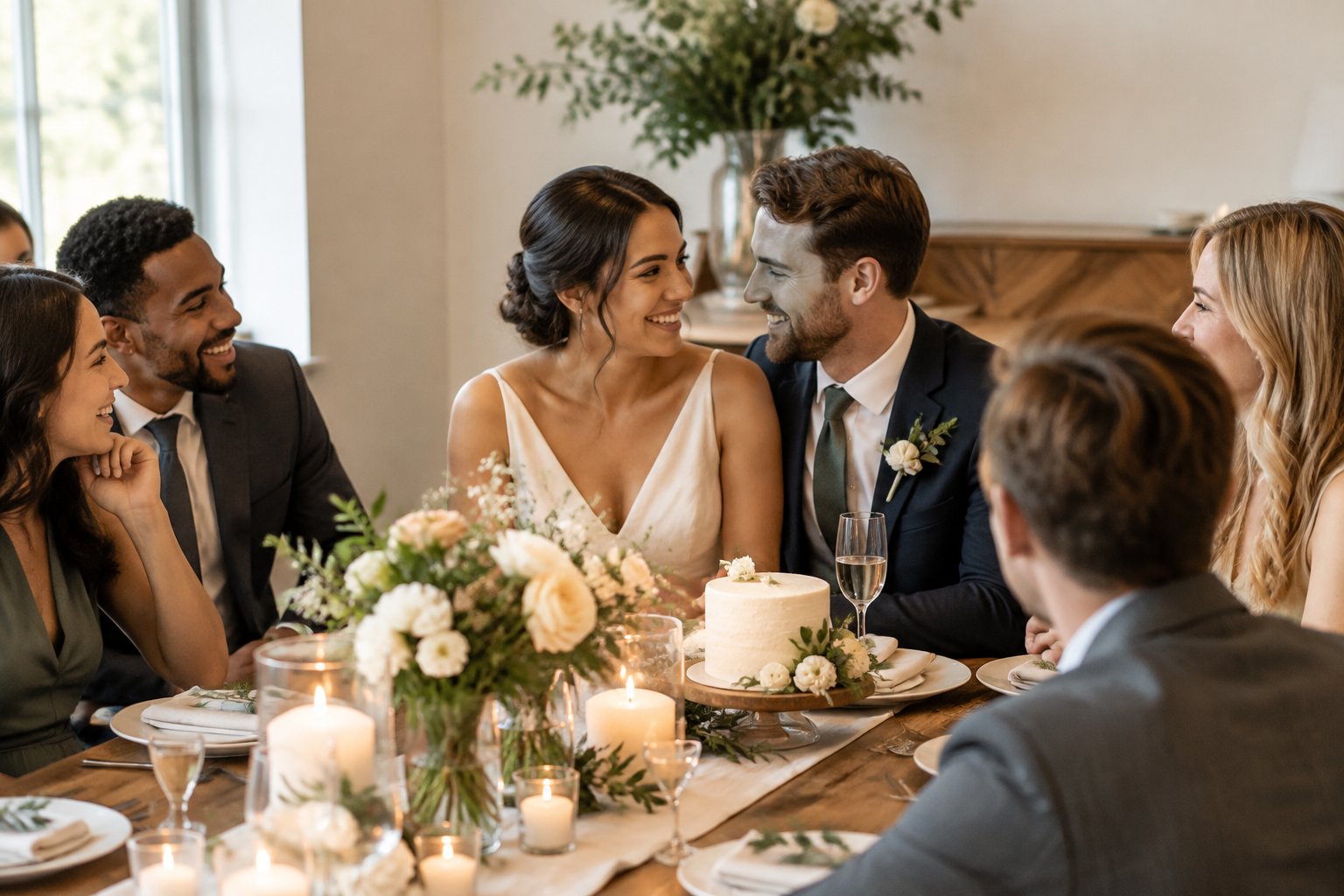
A $10,000 wedding budget can include the main parts of a celebration: a place to gather, food, photography, attire, and a few personal touches. To see how those choices fit together, consider whether $10,000 is enough to get married.
Can This Budget Cover a Ceremony and Reception?
Yes, you can host both a ceremony and reception for $10,000 if you keep your guest list manageable and choose a venue with costs that fit your plan. A community hall, park shelter, restaurant room, or backyard can provide a setting without the price of a full-service wedding venue.
You’ll need to check what the rental includes. Tables, chairs, linens, kitchen access, cleanup, and event time can all affect the final bill. If the venue charges separately for rentals or staff, count those costs before you sign.
Your reception style also shapes the budget. A brunch, buffet, or restaurant meal can keep food costs in check. A formal dinner with a full bar, elaborate décor, and a large guest list will put more pressure on your spending.
How Does It Compare With the Average U.S. Wedding Cost?
A $10,000 wedding costs far less than the average wedding cost in the U.S., which recent estimates place in the low-to-mid $30,000 range. That average reflects celebrations of many sizes and styles, so it isn’t a required amount or a useful target for every couple.
Your city, guest count, and vendor choices can shift costs by thousands of dollars. A smaller event in a lower-cost area may fit within $10,000 with room for photography and a meal. In a high-cost city, that same amount may call for fewer guests or a shorter reception.
How Should You Divide a $10,000 Wedding Budget?
A workable wedding budget gives the largest shares to your venue, meal, and photography, while leaving money for smaller costs and a reserve. Set limits before you book so a single quote doesn’t consume funds meant for other parts of the day.
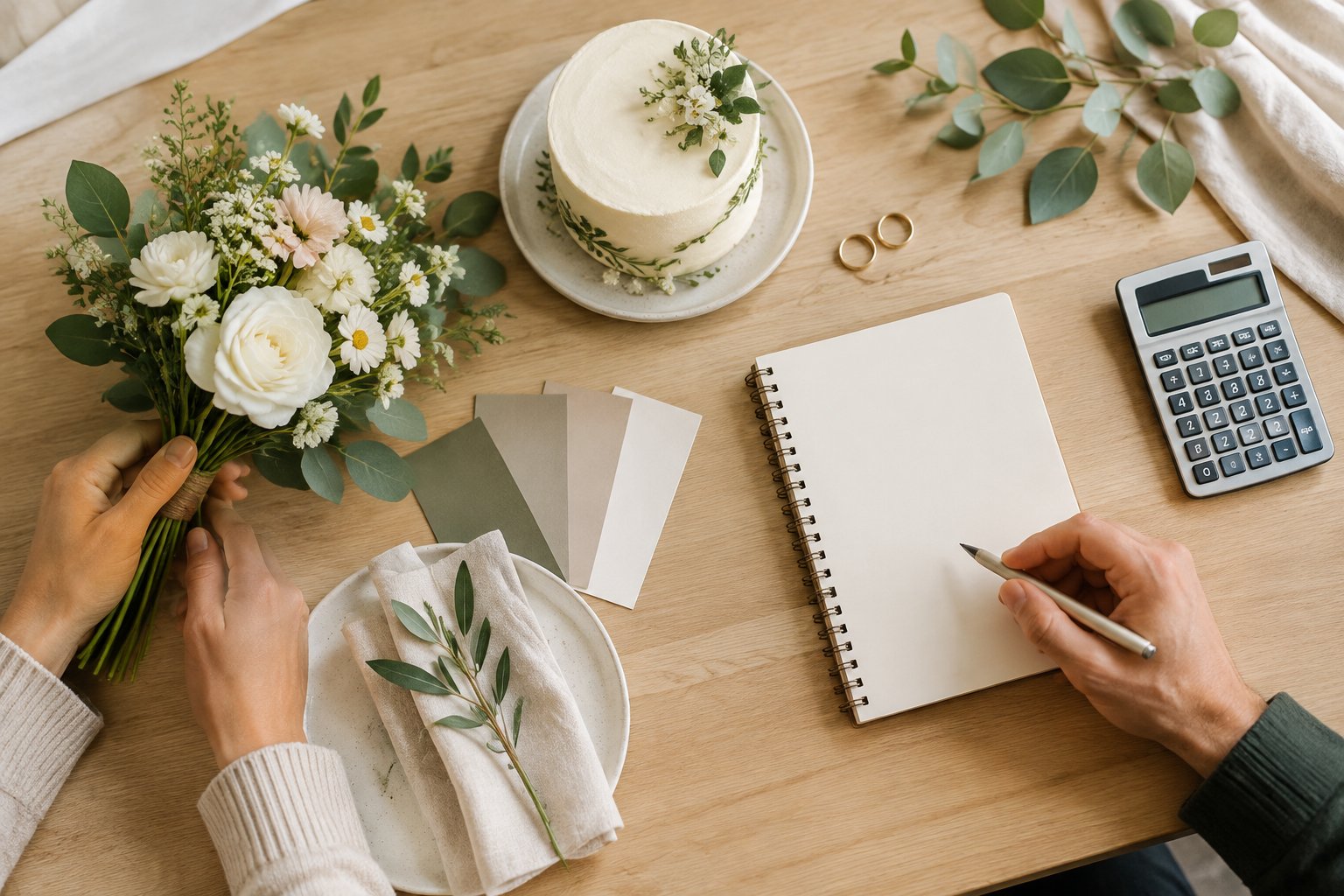
Use this sample wedding budget breakdown as a starting point, then adjust it to match your guest count and priorities. For help setting category limits, use these steps for dividing your wedding budget.
What Does a Sample Wedding Budget Breakdown Look Like?
This sample adds up to $10,000 and aims to cover core costs for a modest celebration:
| Category | Sample amount |
|---|---|
| Venue and rentals | $2,000 |
| Food and drinks | $3,000 |
| Photography | $1,500 |
| Attire and beauty | $900 |
| Flowers and décor | $600 |
| Music or sound | $400 |
| Wedding cake and dessert | $300 |
| Officiant, license, and paper goods | $400 |
| Transportation and small expenses | $300 |
| Emergency reserve | $600 |
| Total | $10,000 |
These figures are planning targets, not fixed prices. Your venue may include tables and chairs, or your photographer may charge more in your area. Move money between categories as quotes come in, and keep the reserve for costs you can’t predict at the start.
Which Categories Deserve the Biggest Share?
Your venue and food often take the largest share because they affect both the event setup and the number of people you can host. Photography may also deserve a strong allocation if you want professional images to keep. You can compare your priorities with common wedding cost drivers before choosing where to spend.
Your cake can be simple and still feel special. A small display cake with sheet cake for serving, or a favorite bakery dessert, can free up money for a category you care about more. Review every vendor quote for service charges, taxes, delivery, and setup so your wedding costs stay within the total.
How Many Guests Can You Invite on This Budget?
A $10,000 budget is more manageable with a guest list of about 30 to 50 people, especially if you’re paying for a meal and venue. Your final number depends on local prices and how much you set aside for the rest of the wedding.

Each additional guest adds to food, seating, and other per-person costs. Make your guest list before you compare wedding venues, and use guest-count planning tips to decide who fits your budget and the atmosphere you want.
How Does Guest Count Affect Food and Venue Costs?
Every guest takes a place at a table and adds to the meal count. Depending on your menu and location, the food bill can rise quickly as you add people. A larger guest list may also require more space, rentals, and staff.
Set a maximum attendance number before sending invitations. Then ask caterers for full pricing, including delivery, staffing, rentals, and taxes. For wedding food ideas on a budget, consider a brunch buffet, a family-style meal, or a local restaurant that can provide food and service together.
Which Affordable Wedding Venues Are Worth Considering?
A backyard wedding, park shelter, community hall, or restaurant private room can help keep your venue costs within reach. Each option has different needs: a backyard may require rentals and restroom access, while a park may require permits and a backup plan for bad weather.
Ask venues for a complete quote that lists rental hours, cleanup, furniture, kitchen access, and any required vendors. A low rental fee can grow if you need to bring in tables, chairs, linens, or sound equipment. A restaurant room may include some of those services in its food minimum, so compare the full price.
Which Wedding Costs Are Easy to Overlook?
Small fees can push your total beyond $10,000, so leave room for taxes, service charges, delivery, and last-minute supplies. Request itemized quotes and track each cost as soon as you commit.

A written wedding planning budget helps you spot missing expenses before they become urgent. Use a checklist of wedding costs you might have forgotten while you gather vendor quotes.
What Hidden Wedding Costs Should You Plan For?
Set aside money for costs that sit outside a vendor’s headline price. Common hidden wedding costs include:
- Sales tax, service charges, and gratuities
- Delivery, setup, and cleanup fees
- Marriage license and officiant fees
- Alterations, accessories, and beauty services
- Permits, insurance, or restroom rentals
- Extra hours for the venue or photographer
Read contracts closely and ask what each price includes. If you provide your own decorations or food, check whether the venue charges a setup or cleanup fee. Keep your reserve separate from your planned spending, and record changes as they happen.
Should You Hire a Wedding Planner?
A full-service wedding planner may take up too much of a $10,000 budget, though you can ask about a day-of coordinator or a few hours of planning support. Choose help based on the work you need handled and the price you can afford.
If you plan the event yourself, assign a trusted person to manage the schedule, vendor arrivals, and small problems on the day. Put the timeline and vendor contact details in one document, then share it with everyone who has a role.
How Can You Keep the Day Personal and Affordable?
You can create an affordable wedding that feels personal by spending on the details you care about and keeping the rest simple. Pick a few priorities together, then set a clear spending cap for each.
Where Can DIY Choices Save Money?
DIY wedding projects can reduce costs when the materials are affordable and the work fits your schedule. Paper invitations, simple centerpieces, playlists, and welcome signs are reasonable projects if you enjoy making them.
Price supplies before you start. A large décor project can cost more than expected once you add tools, materials, and delivery. Keep designs simple and recruit helpers only for tasks with clear instructions and deadlines. For more ideas, browse these affordable wedding ideas and choose projects that suit your skills.
Which Details Are Worth Prioritizing?
Choose the details you’ll notice and value most, such as a relaxed meal, meaningful vows, or photographs that capture your family and friends. Spend toward those priorities first, then simplify details with less meaning to you.
You can skip favors, limit floral arrangements to a few focal points, or wear an outfit you can use again. Before booking each vendor, check that the full price fits your plan, including fees and taxes. Keep your final $600 reserve untouched until the main costs are settled.