
Is 150 a Lot for a Wedding? Guest Counts and Costs
A 150-person wedding is a sizable celebration, with a guest list that can affect your venue choice, budget, and day-of logistics. Yes, 150 guests is a lot for many couples, though it may feel mid-sized in communities where larger weddings are common.
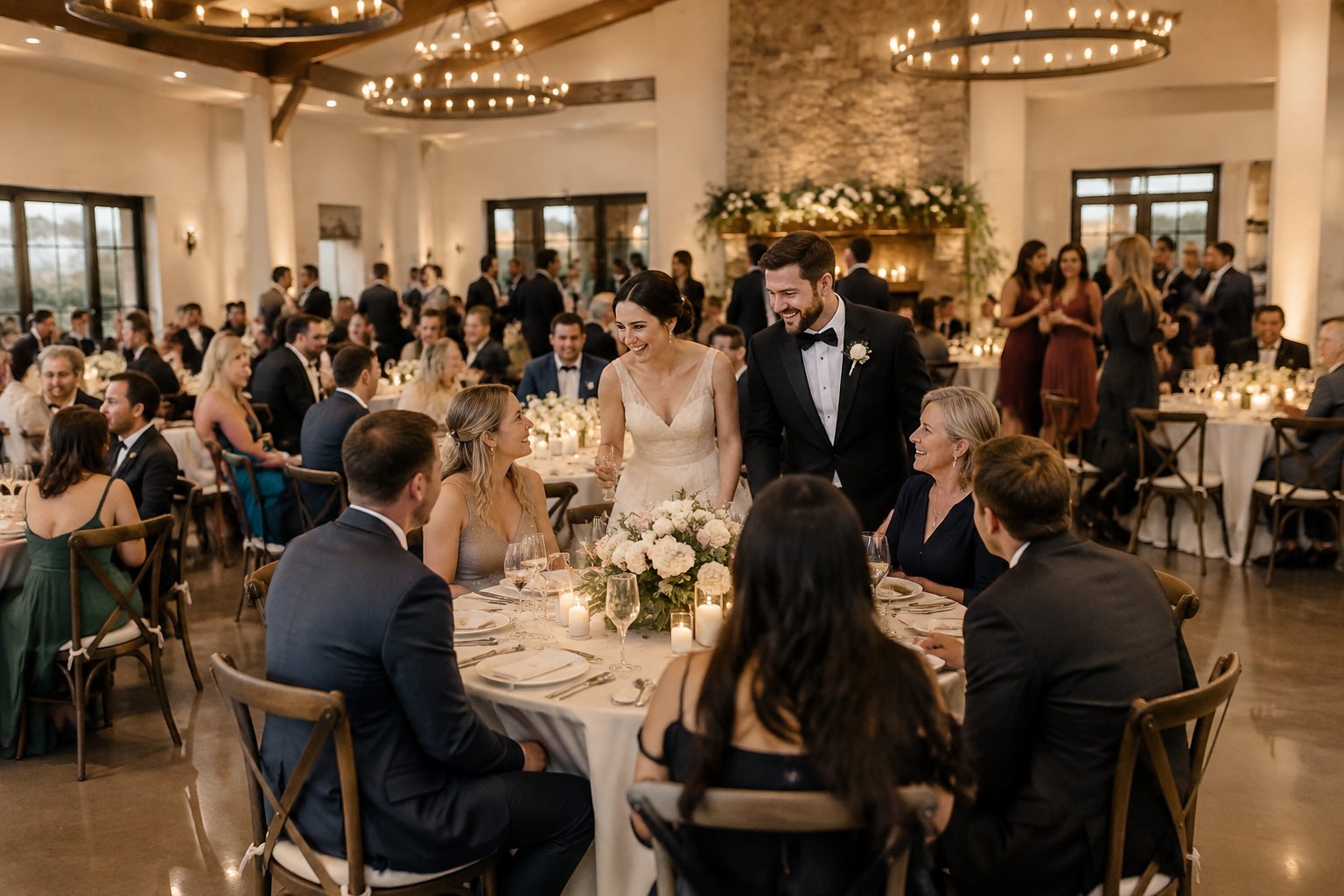
Whether that number feels comfortable depends on the people you want beside you and the kind of celebration you have in mind. As you begin wedding planning, estimate your guest count early so you can match your budget and venue to the day you want.
Is 150 Guests Considered a Large Wedding?
A 150-guest wedding sits near the line between medium and large by common U.S. planning ranges. Your culture, family traditions, and past experience with weddings all shape how that crowd feels.
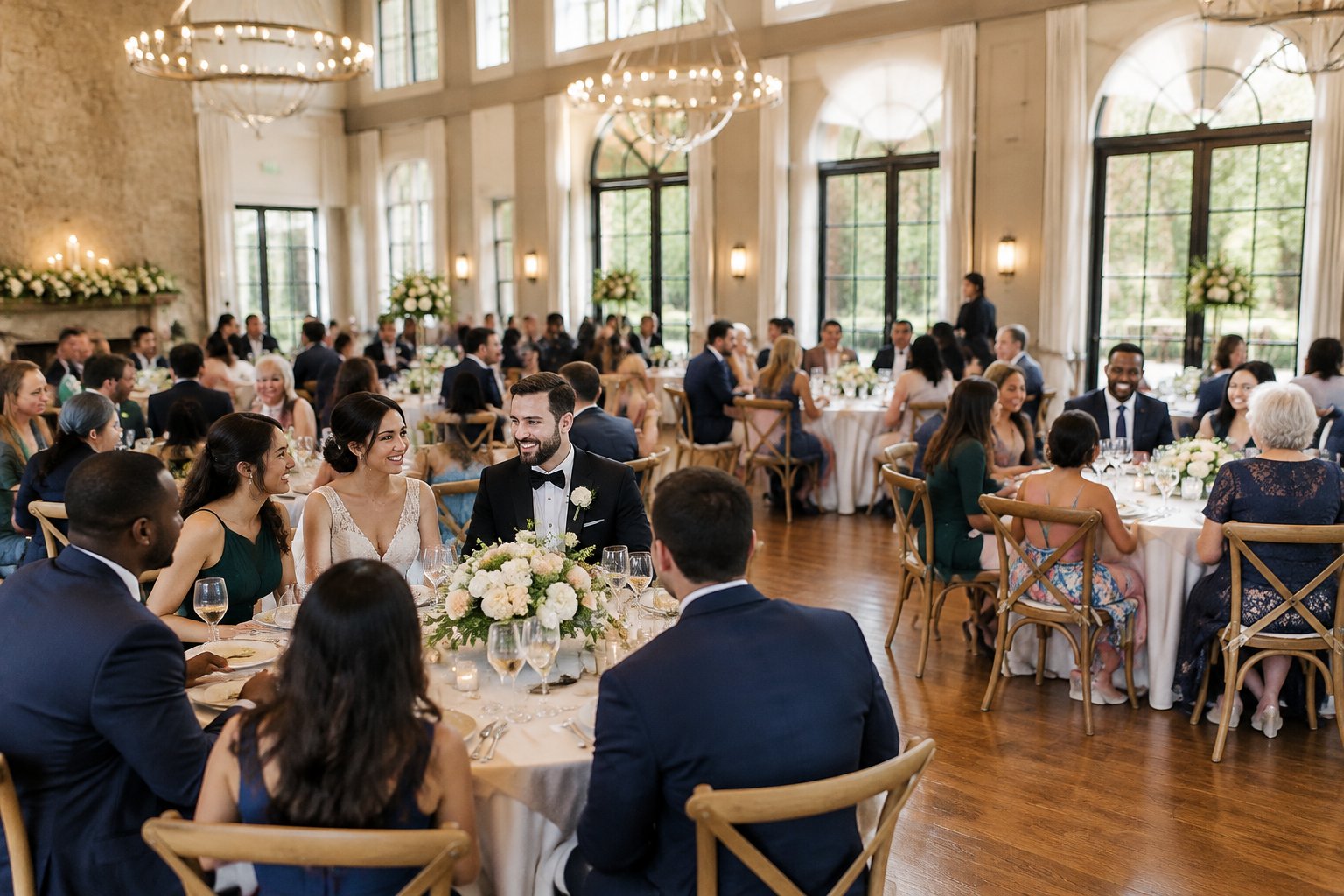
How Do Wedding Sizes Typically Compare?
Wedding size labels are useful guides, not strict rules. A common breakdown puts small weddings at about 50 guests or fewer, medium weddings around 50 to 150, and large weddings above 150. A closer look at what counts as a big wedding can help you compare your plans with these rough ranges.
With 150 people, you can fill a ballroom or create a lively reception, while still having room for close family and friends. The same guest count may feel modest to you if your family gatherings are large. If you prefer an intimate wedding, though, 150 may feel like a major event.
What Makes 150 Guests Feel Large or Intimate?
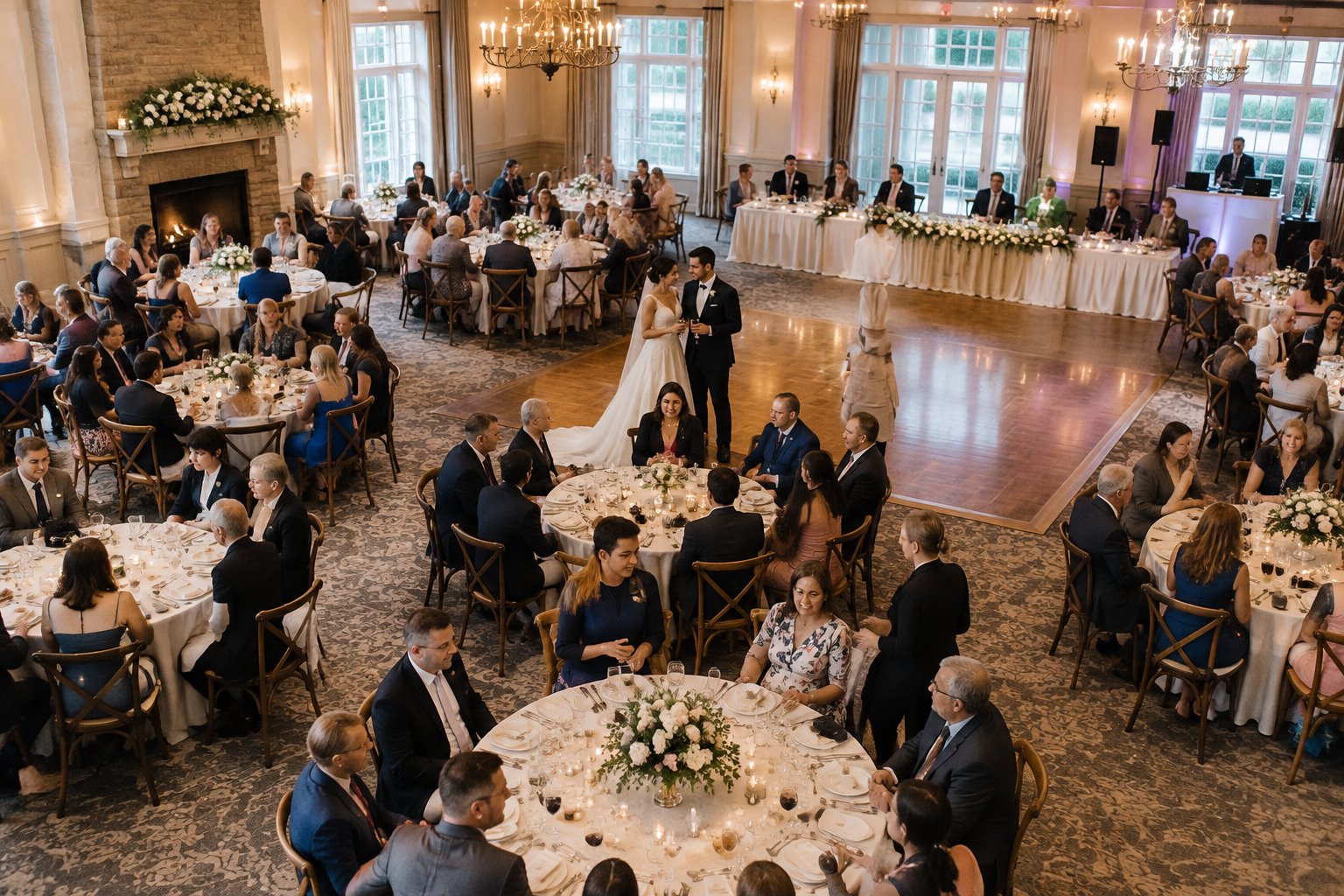
The room and the way you arrange it shape the mood. A compact venue with closely spaced tables can make 150 guests feel like a crowd. A spacious room with clear sightlines and well-planned seating can feel more open and connected.
Your guest list also affects how personal the day feels. If most people are close to you, a full room can still feel intimate. If you add distant relatives or work contacts to reach a number, you may have less time to connect with each guest.
What Does a 150-Person Wedding Cost?
A 150-person wedding can cost tens of thousands of dollars, with the location, service level, and per-person choices driving much of the total. Your final budget also includes fixed expenses that do not rise at the same rate as your guest count.
For a first estimate, separate costs that increase with attendance from expenses such as photography or attire. Use local vendor quotes to refine the numbers before you commit to a guest list.
What Is the Typical Wedding Cost per Guest?
A planning range of $100 to $300 per guest gives you a starting point for food, drinks, service, rentals, and other guest-related charges. At 150 guests, that works out to $15,000 to $45,000 for those variable costs alone. The range is broad because catering style, bar options, and local prices differ.
Your full 150-person wedding cost will also include venue fees, photography, music, flowers, attire, and other services. Ask vendors whether their quotes include service charges, taxes, setup, and equipment. For a practical starting point, consider how much to budget per wedding guest and compare that figure with quotes in your area.
How Does a 150-Person Wedding Compare With a 50-Person Wedding?
A 50-person wedding has 100 fewer guests, so your food and beverage bill will usually fall sharply. If your guest-related costs average $150 per person, the difference in those costs alone is $15,000.
Some expenses stay similar at either size. You may pay the same photographer or ceremony musician fee, for example, while your venue cost could change if a smaller room has a lower rental price. A 50-person wedding cost comparison can help you decide whether trimming the list would free enough money for your priorities.
How Does Guest Count Shape Your Wedding Budget?
Your guest count shapes the wedding budget most directly through food, drinks, seating, and guest supplies. It can also affect your venue choice and the staffing or rentals needed to host everyone comfortably.
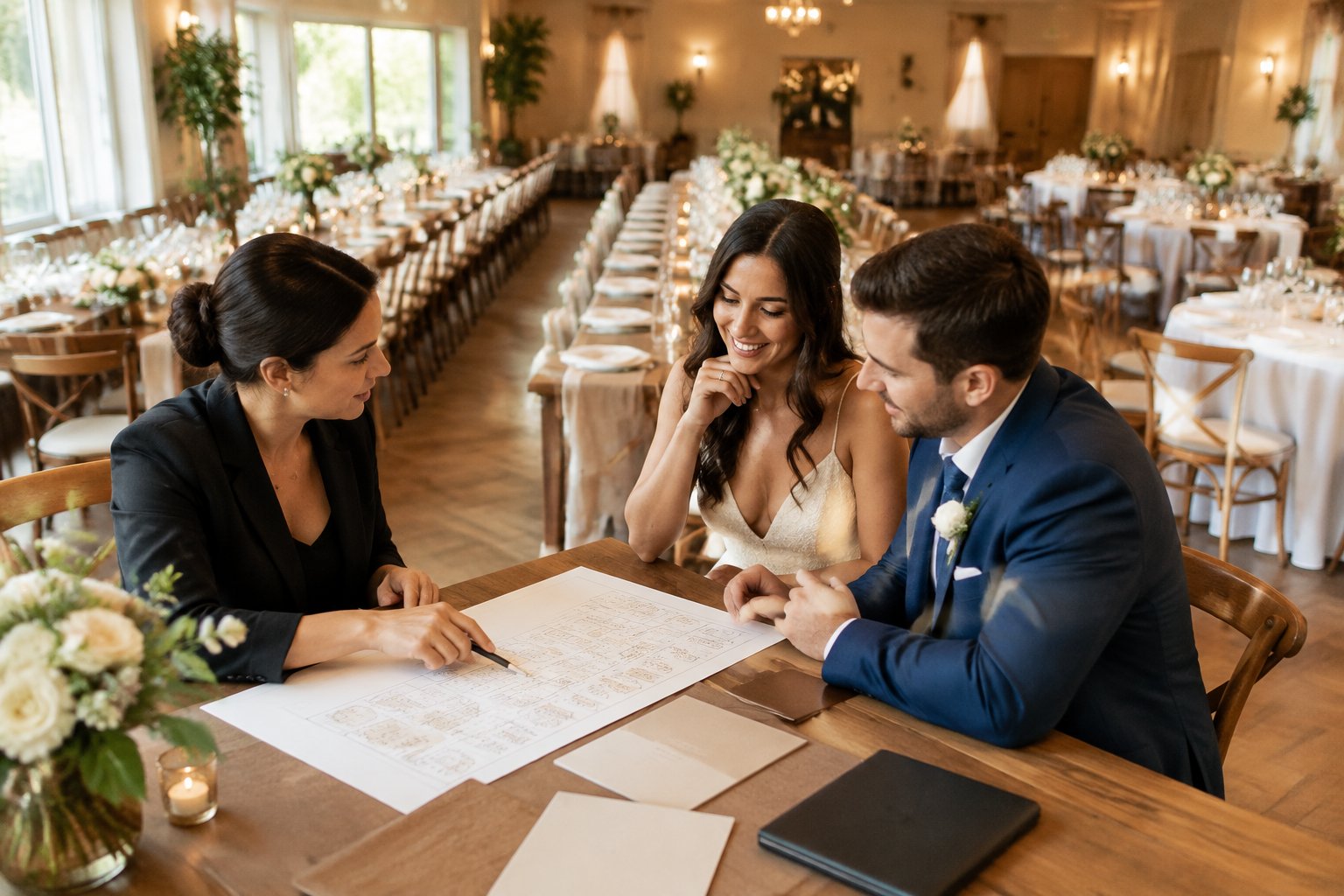
Build your budget around the parts of the day you value most, then check how each addition to the list affects the total. A clear plan helps you make changes before deposits and contracts lock in costs.
Which Costs Increase With Each Guest?
Your wedding catering bill usually rises with every confirmed attendee. The same is true for bar service priced per person, place settings, chairs, favors, and printed materials. Adding guests can also require more staff or a larger room.
Some expenses change in steps. A venue might charge one rate up to a capacity limit, then require a different space or extra rentals when your head count passes it. For a useful breakdown, learn how to divide your wedding budget into fixed expenses and costs tied to attendance.
How Can You Set Priorities and Keep Costs in Check?
Set a firm total budget before you finalize the guest list. Then choose two or three parts of the celebration where you want to spend more, such as a full dinner, live music, or a particular venue. Keep other choices simple to protect those priorities.
You can also use a tiered guest list. Start with the people you both feel certain you want there, then add extended family and friends if the budget and space allow. Before sending invitations, price your catering and venue at a few different guest counts so you can see how each change affects your plans.
What Changes When You Plan for 150 Guests?
Planning for 150 guests calls for more coordination than a small gathering, especially around capacity, seating, and guest movement. With a thoughtful layout and a clear list, you can keep the celebration organized without making it feel formal or distant.
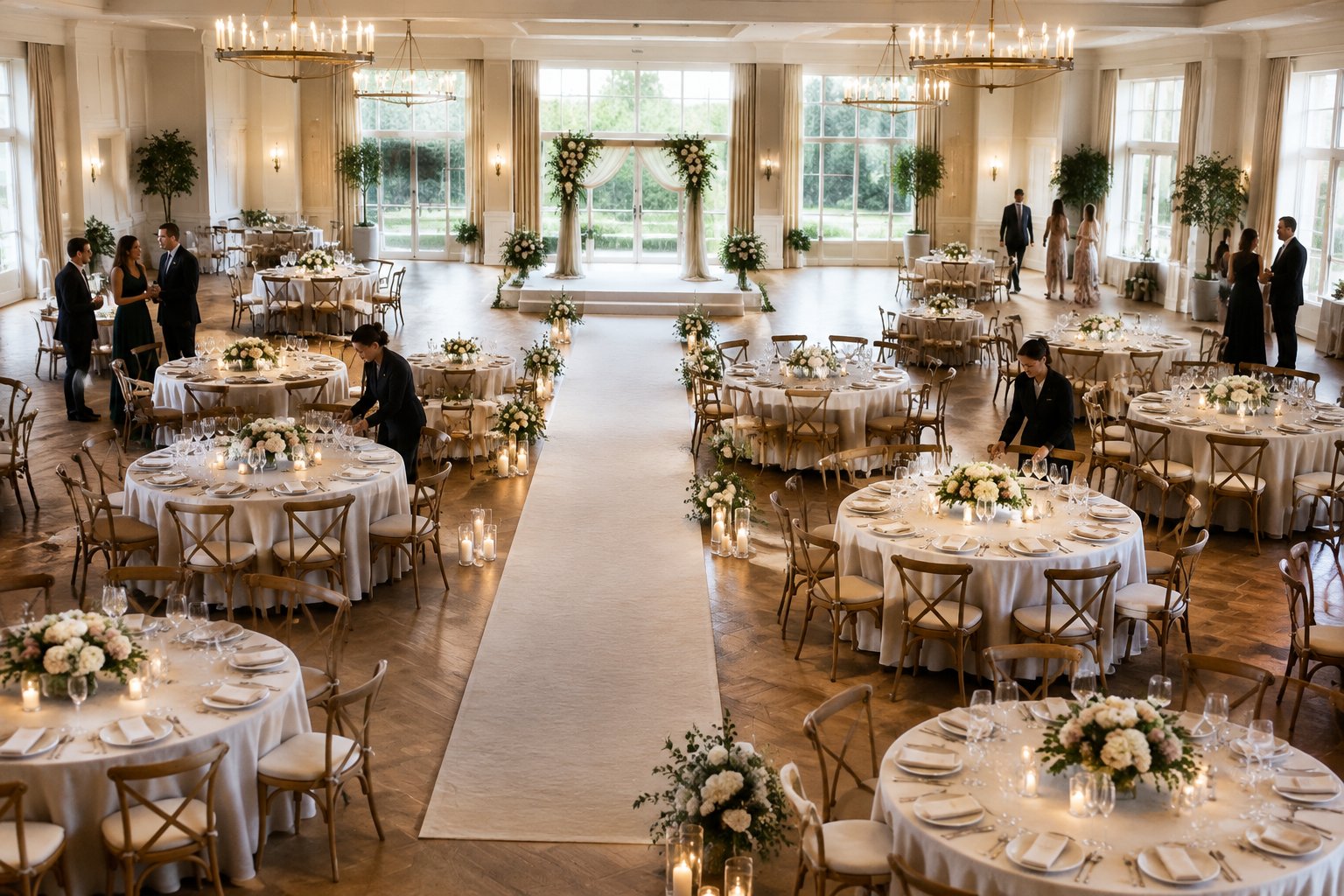
The room needs to work for dinner, dancing, and service, while your guest list needs to fit your budget and relationships. You can make those decisions together by confirming the venue’s layout before sending invitations.
How Do Venue Capacity and Guest Logistics Affect the Day?
Ask the venue how many guests it can seat for your specific plan, including tables, a dance floor, and space for servers. A room’s maximum capacity may describe a standing event, so confirm that the number works for seated dinner and dancing.
At 150 guests, seating takes careful planning. You need to account for table sizes, clear walking routes, accessible seating, and views of the couple. Your layout also affects how easily guests reach the bar, restrooms, and dance floor. If you are comparing spaces, look at affordable wedding venues for 150 guests that fit your head count and event style.
Guest logistics begin before the wedding day. Track RSVPs and meal choices in one place, set reply deadlines, and share travel details with guests who are coming from out of town. Give your caterer and venue a final attendance count by their stated deadline.
How Can You Build a Guest List That Fits Your Plans?
Start with a preliminary list of people you both want to celebrate with. Add names in groups, such as immediate family, close friends, and extended family, then compare the count with your budget and venue capacity.
Agree on guest-list rules early. Decide how you will handle plus-ones, children, coworkers, and invitations requested by family members. If your list is too large, review the people you see and speak with regularly before cutting entire groups. You can also estimate how many guests will attend while you plan, while keeping your venue’s confirmed capacity as the limit.
Would a Smaller Wedding Better Fit Your Vision?
A smaller wedding may fit your vision if you want more time with each guest, a simpler plan, or more room in your budget for personal touches. A micro wedding, intimate gathering, and elopement each offer a different way to keep the celebration focused.
What Are the Trade-Offs of a Micro Wedding?
A micro wedding gives you a short guest list and more chances to talk with everyone who attends. It may also open up smaller venues and let you put more of your budget toward a special meal, setting, or photography.
A smaller list means you will leave some people out, which can create difficult conversations with relatives or friends. Decide together where you will draw the line, then communicate your plans with care. If you are weighing the choice, consider whether a small wedding fits you.
When Might an Elopement or Intimate Wedding Feel Right?
An elopement may suit you if you want a private ceremony with only a few guests or just the two of you. An intimate wedding gives you a small circle of loved ones while leaving room for a meal or celebration afterward.
You can also separate the ceremony from a larger gathering. For example, you might exchange vows with close family and host a casual reception for a wider group later. Choose a format that feels comfortable for both of you, then set a guest limit before you begin booking.