
Is 150 Guests a Lot for a Wedding? Size and Costs
Yes, 150 guests is a lot for a wedding by many U.S. standards: it sits near the upper end of a medium-size celebration and above the current average attendance. Recent national data puts average attendance at about 117 guests, so a 150-person wedding gives you a lively crowd while requiring careful budgeting and planning.
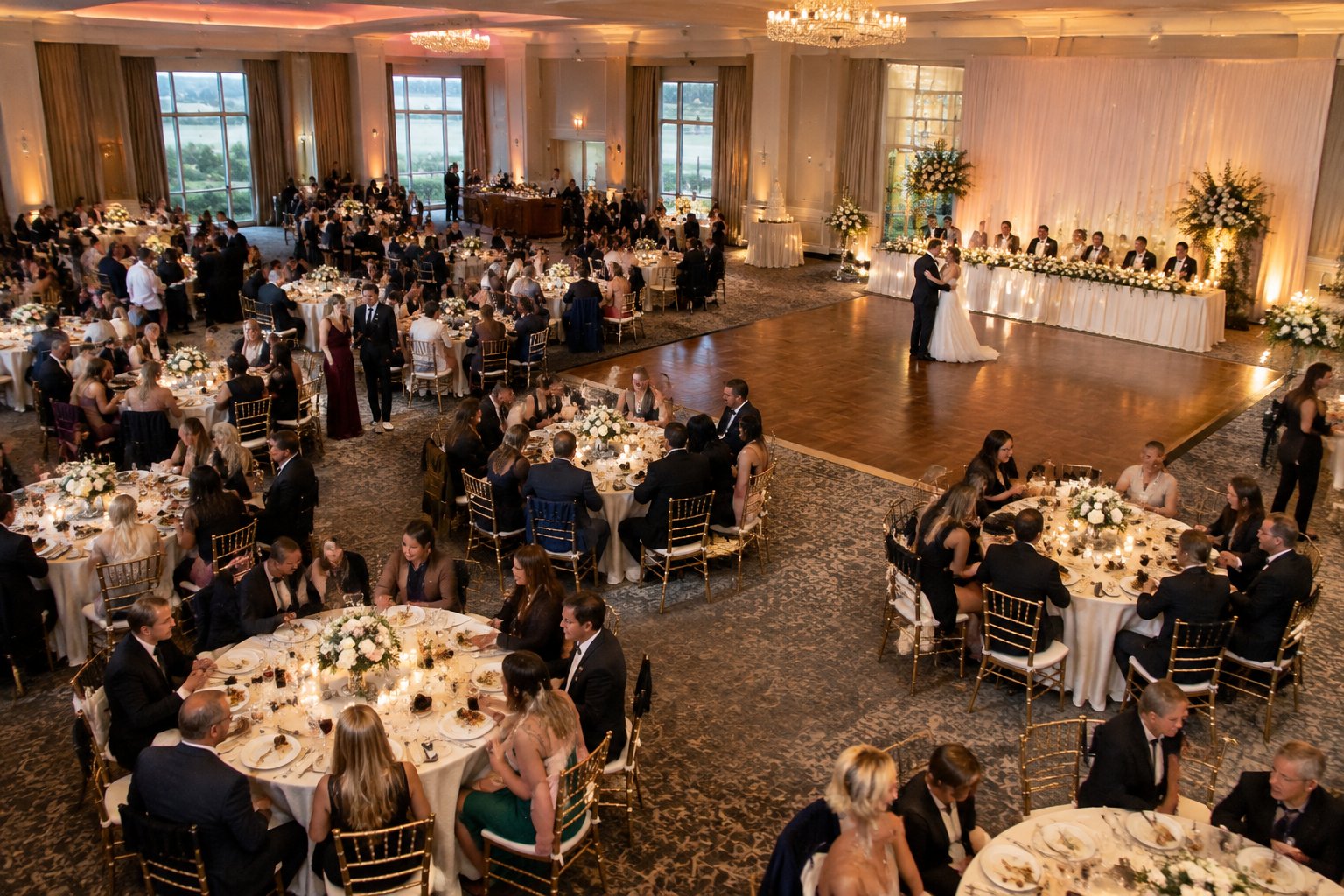
Your guest count should reflect the people you want beside you and the celebration you can comfortably afford. Start a draft list with your partner, then compare the likely attendance with your budget and venue options.
Where Does a 150-Guest Wedding Fit?
A 150-person wedding sits at the upper edge of a medium-size celebration in many common wedding-size guides. Your family traditions and social circle can make that number feel intimate or large.
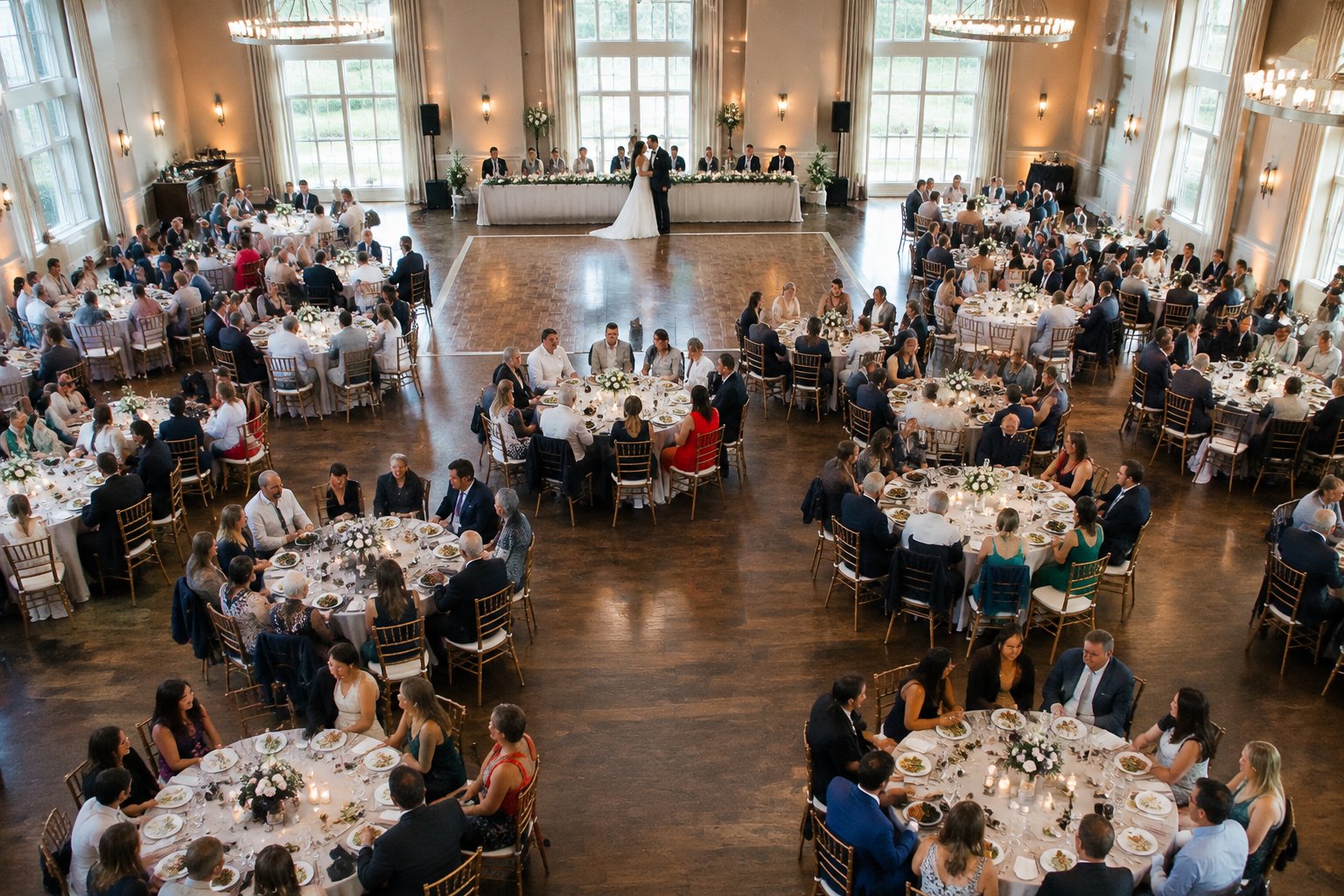
Is 150 Guests a Small, Medium, or Large Wedding?
Most size guides place a small wedding at about 50 guests or fewer, a medium wedding between roughly 50 and 150, and a large wedding above 150. With exactly 150 people, your celebration lands at the top of the medium range. Some couples and vendors count that as large, especially when their usual gatherings are smaller.
You can use these labels as a starting point, then think about the feel you want. A 150-person reception gives you room for extended family and friends, with enough guests to create a busy dance floor. For a closer comparison, consider how many guests are considered a big wedding.
How Does 150 Compare With a Micro Wedding or Elopement?
A 150-person wedding is much larger than a micro wedding, which often includes around 20 people or fewer, or an elopement with a very small group. A small wedding commonly brings together up to about 50 guests, so 150 gives you a much wider circle.
That larger group calls for more seating, meals, invitations, and coordination. If you want a close-knit atmosphere with 150 guests, use personal touches such as a shared welcome event or thoughtfully arranged tables to help guests connect.
How Much Does a 150-Person Wedding Cost?
A 150-person wedding can land near $44,000 using a recent national spending benchmark, though your location and choices can move the total significantly. Your wedding budget works best when you separate costs that rise with attendance from costs that stay fairly steady.
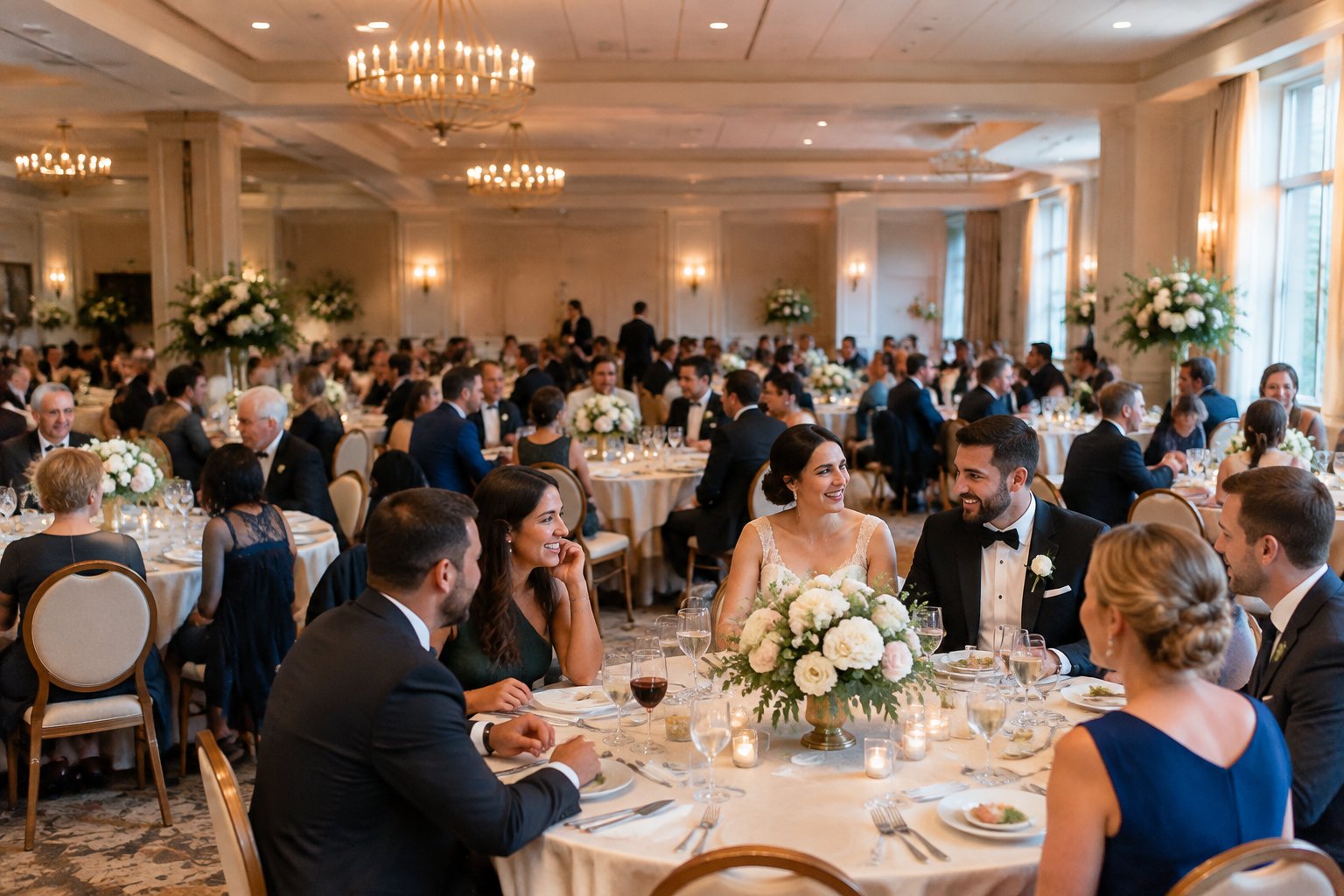
What Is the Average Wedding Cost for This Guest Count?
Recent U.S. data puts the average wedding cost for celebrations with more than 100 attendees at about $43,300. A separate national benchmark of $292 per guest gives a rough estimate of $43,800 for 150 guests. Treat that figure as a planning reference, not a quote for your event.
Your actual wedding costs depend on the city, season, venue, meal service, and level of detail. A reception in a major metro area can cost much more than one in a lower-cost market. Ask vendors to quote the same guest count and service details so you can compare their estimates fairly.
Which Wedding Costs Rise With Each Guest?
Meals and drinks are among the clearest per-person expenses. Each added guest also affects place settings, cake portions, printed materials, favors, and some rental needs. A larger guest count can trigger step-up costs too, such as an extra server, table, shuttle, or room.
Other costs, including photography, music, and some venue fees, may stay similar as your attendance changes. Ask each vendor which line items depend on the final headcount, and note any minimums or service charges. That detail helps you see the cost of each additional invitation.
How Can You Set a Realistic Wedding Budget?
Set your total spending limit before you lock the guest list, then assign amounts to the major categories. Keep a separate reserve for late changes, taxes, and service fees so those expenses do not catch you off guard.
Use confirmed quotes to build your wedding budget. Compare venue, food, bar, rentals, attire, photography, music, and planning costs, and leave room for the details you care about most. If the estimates exceed your limit, adjust the guest count or simplify selected services before signing contracts.
How Do You Build a Guest List of 150?
Build your list in clear rounds, starting with the people you and your partner most want to celebrate with. Set expectations with family early, then apply the same rules to each side of the list.

Who Should Make the Initial Guest List?
Start with close family and friends, then add extended relatives, longtime friends, and other people you want present. If family members are contributing money, agree on how many invitations each person can suggest before names are added.
A shared spreadsheet makes it easier to track names, household groups, addresses, meal needs, and RSVP status. If you need a method for balancing both sides, use a consistent approach to dividing a wedding guest list.
How Should You Decide on Plus-Ones?
Choose a clear plus-one rule before sending invitations. You might offer plus-ones to guests who are married, engaged, or in a long-term relationship, or extend them to every adult guest. Apply your rule consistently and include each plus-one in your headcount.
Remember that plus-ones affect meals, seating, and the total cost. If your budget has little flexibility, limit plus-ones with care and communicate each invitation clearly. Your guests should know whether the invitation includes another person.
How Can You Account for RSVPs and Declines?
Plan your venue and budget around the number of guests you can host, then track replies against your invitation list. Attendance shifts with travel distance, timing, family needs, and other commitments, so avoid relying on a single decline estimate.
Set an RSVP deadline that gives you time to confirm meals and seating with vendors. Follow up with guests who have not replied, and share a final headcount by the contract deadline. If you are deciding how many invitations to send, start with a realistic attendance plan for a 150-person wedding guest list. You can also estimate stationery needs by counting households, since one invitation can cover several guests.
What Venue and Planning Choices Work for 150 Guests?
Choose a wedding venue that fits your full guest setup, including dining, dancing, service areas, and clear walkways. Your plans for travel and vendor support also shape what will work smoothly.
What Venue Capacity Should You Look For?
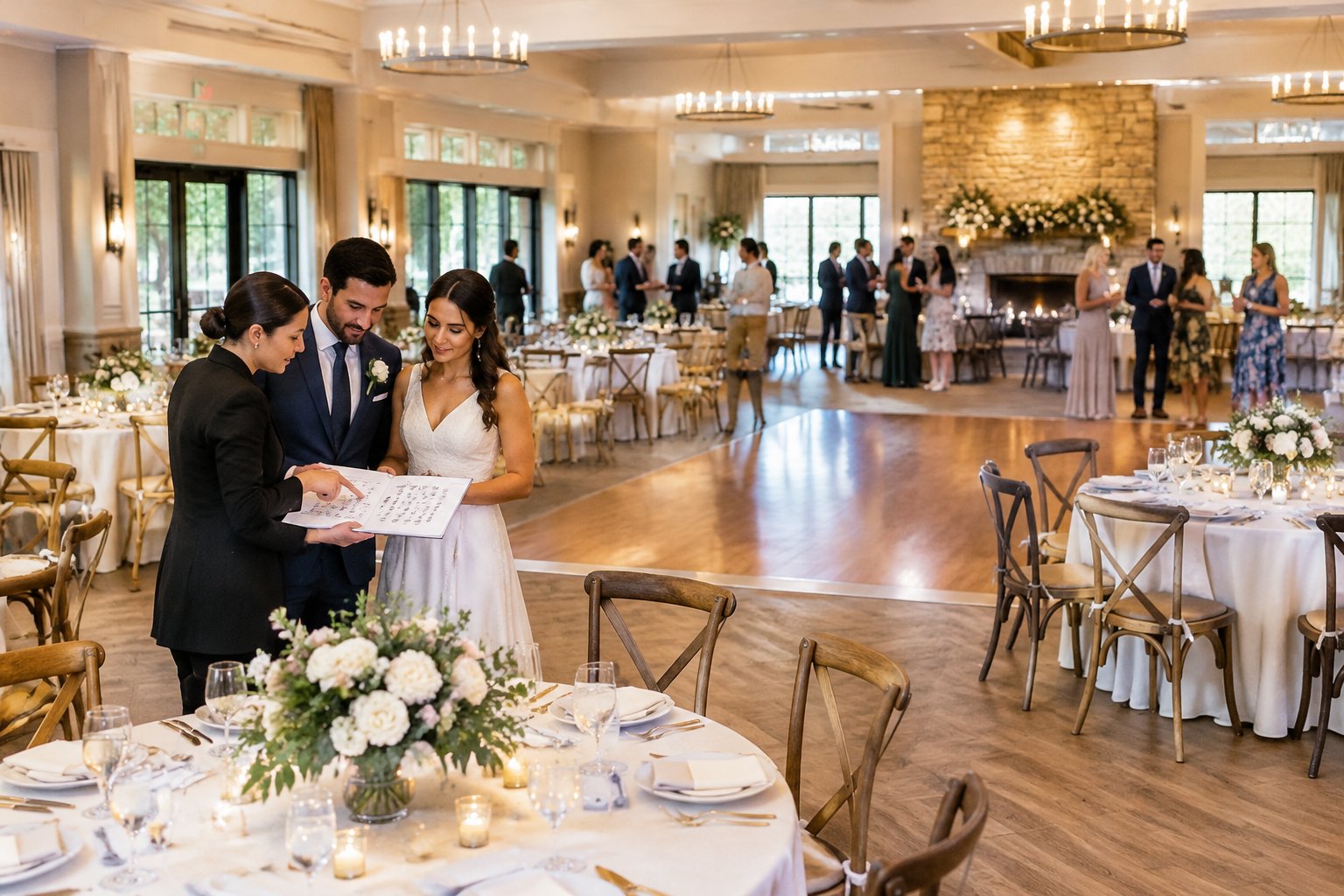
Look for a venue with capacity for 150 guests seated for dinner, plus space for the dance floor and service needs. A room’s advertised maximum may refer to a standing reception, so ask for a floor plan showing your intended layout.
Check where tables, the bar, DJ or band, and guest routes will go. Ask whether the quoted price includes chairs, tables, linens, setup, and cleanup. A venue that suits 150 guests should fit your layout and budget, with enough room for guests and staff to move comfortably.
How Does a Destination Wedding Affect Attendance?
A destination wedding adds travel time and lodging costs for your guests, so some invitees may be unable to attend. Share the date and travel details early to help guests plan, and ask about room blocks and local transportation.
Build your budget around the people who confirm they can come. If your goal is a smaller gathering, travel requirements may help keep attendance more intimate. If you want all 150 guests present, choose a location that is easy to reach and give guests clear information about lodging and travel.
When Can a Wedding Planner Help?
A wedding planner can coordinate vendor schedules, room layouts, guest logistics, and day-of timing. For 150 guests, a planner is especially helpful if your event has multiple locations, a room change between ceremony and reception, or a detailed vendor setup.
Ask what the planner’s package includes, who will be on-site, and how they coordinate with your venue and vendors. If you prefer to manage most details yourself, a month-of coordinator can handle the final schedule and event-day logistics. Before you book, match the planner’s services to the specific tasks you want help with.