
Is 150 Guests Considered a Big Wedding? Size and Cost Guide
A wedding with 150 guests sits at the upper end of a medium-size celebration and near the threshold for a big one. By many U.S. planning guidelines, 150 guests is considered a medium-to-large wedding, with large weddings often starting above that number.
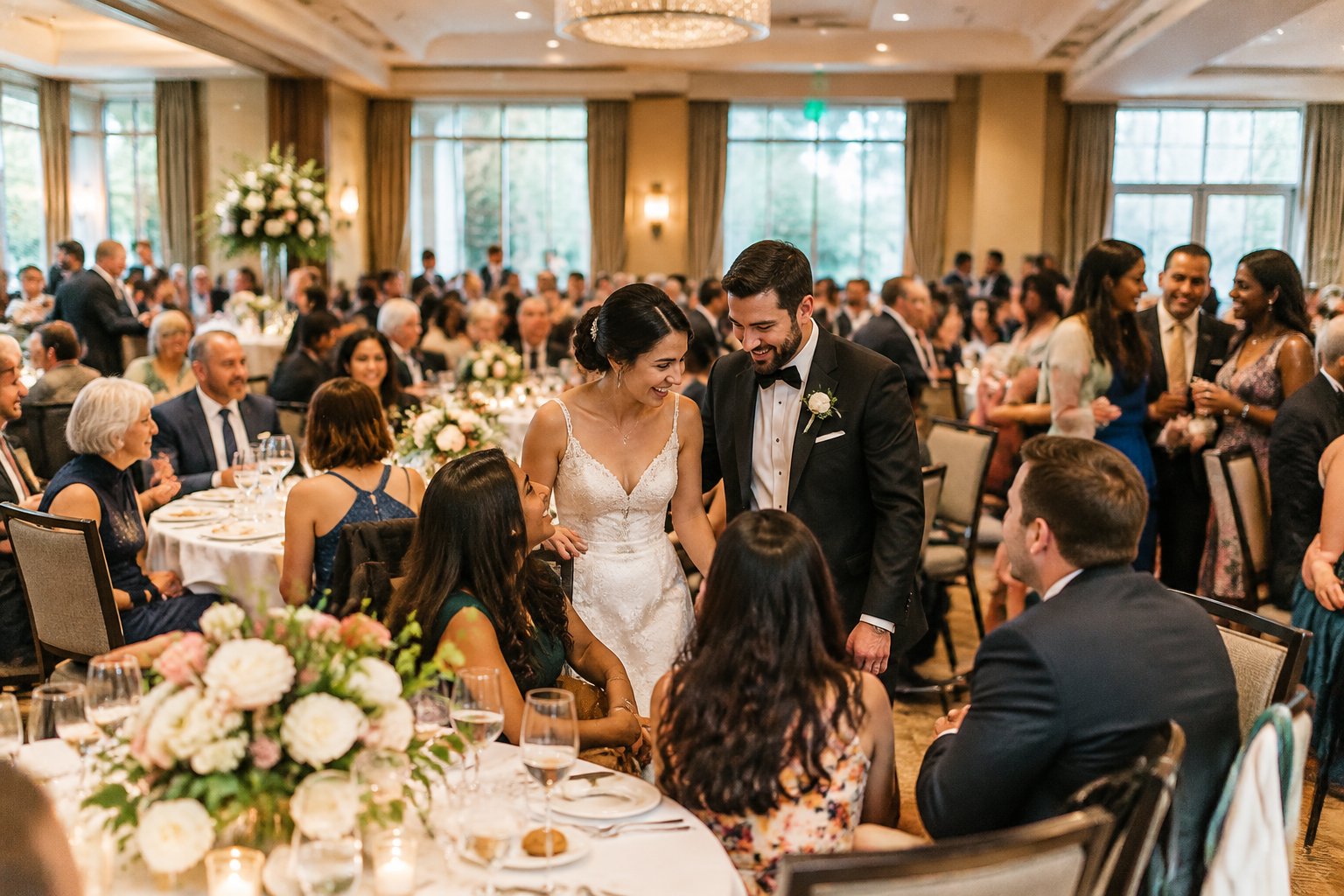
Your guest count affects the space you need, the cost of food and drinks, and how much time you’ll spend greeting people. Start with a draft list of the people you most want beside you, then use it to request venue quotes that fit your budget and plans.
Where Does a 150-Person Wedding Fit?
A 150-person wedding sits at the top of the medium range in many planning guides, while some couples and venues consider it big. Your community, venue, and guest list all influence how that number feels.
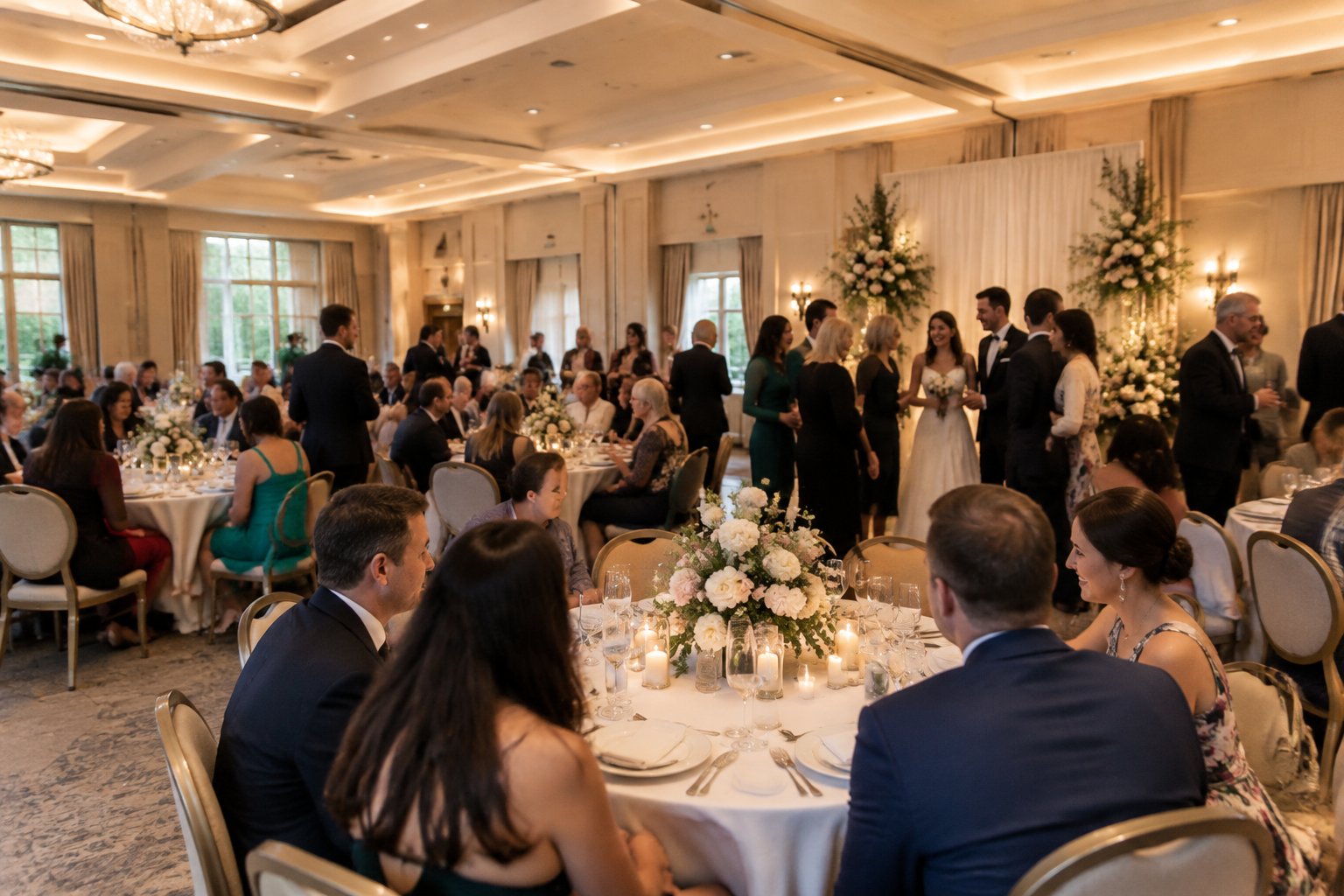
A shared set of size ranges gives you a useful starting point, even though the labels aren’t fixed rules. A 150-person wedding also looks very different from a micro wedding, where the guest list is only a small circle.
What Guest Counts Define Small, Medium, and Large Weddings?
A common planning guide defines a small wedding as 50 guests or fewer, a medium wedding as about 50 to 150, and a large wedding as more than 150. These ranges overlap at 50 and 150, so you may see different labels from planners and venues. For a closer look at where the cutoff falls, read about how many guests are considered a big wedding.
In U.S. data, average attendance is below 150, so your celebration will be larger than many weddings. Still, the label “big wedding” depends on what you’re used to. If your family gatherings include many relatives, 150 people may feel like a familiar crowd. If you picture a small gathering, that same count may feel substantial. You can compare your plans with more detail on whether 150 people is a lot for a wedding.
How Does 150 Compare With a Micro Wedding?
A micro wedding is a small gathering, often with around 20 to 30 guests, though definitions vary. At 150 guests, you’re planning a much larger event with more tables, more meals, and a longer guest list to manage.
The difference shows up in the pace of the day, too. With a micro wedding, you have time to talk with nearly every guest at length. At 150, you can still make the event feel personal, but a receiving line or table visits may help you connect with everyone.
Why Can 150 Guests Feel Big or Intimate?
A 150-person guest list can feel like a large celebration or a close-knit gathering, depending on who attends and how you arrange the event. Your family customs and the room’s layout shape the experience as much as the number itself.
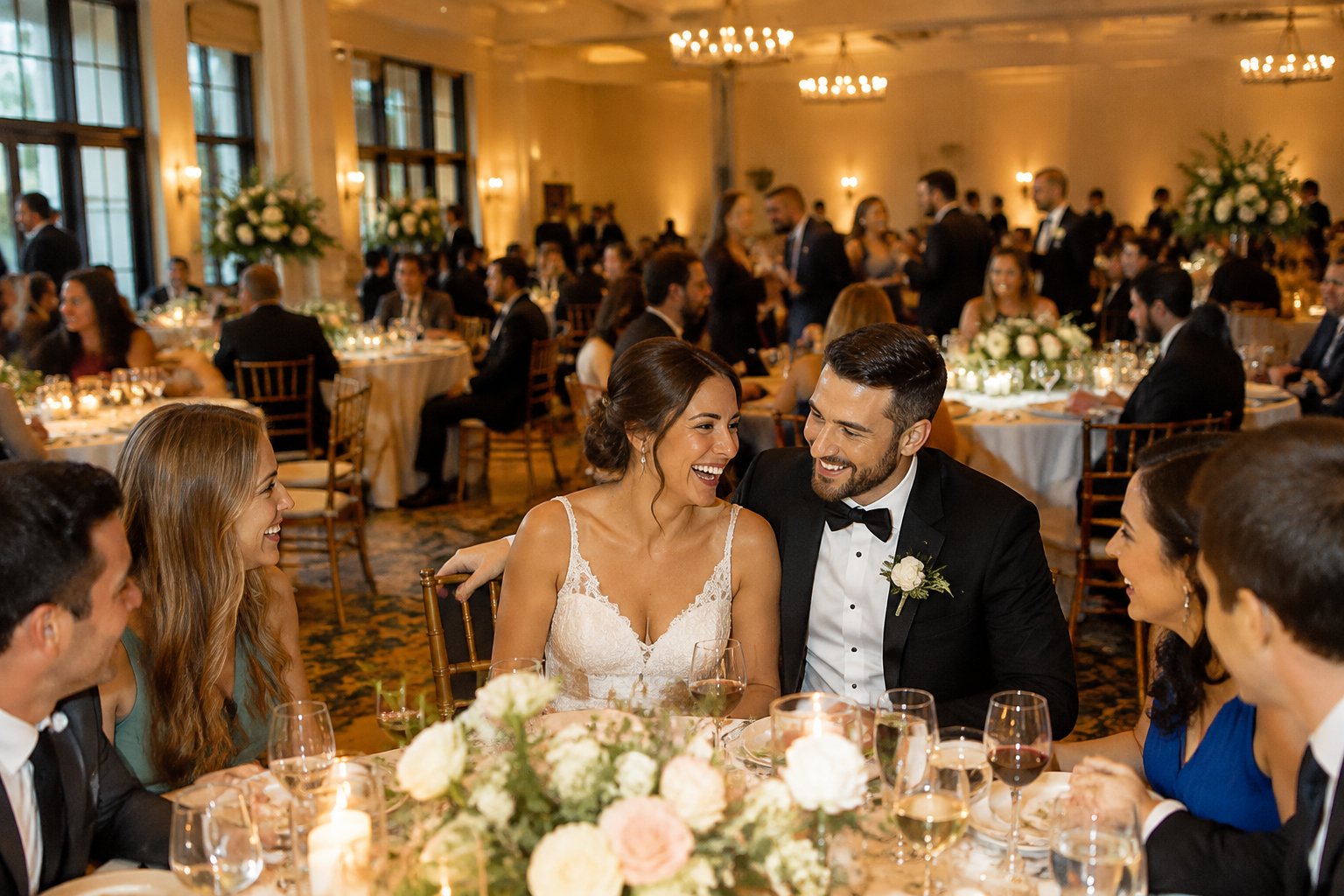
The people you invite give the day its social feel, while the space and schedule affect how easily guests connect. A thoughtfully planned reception can help a sizable crowd feel welcoming.
How Do Culture and Family Traditions Shape Wedding Size?
Family traditions can make 150 guests feel expected, especially when weddings bring together extended relatives and family friends. In some communities, inviting a wide circle is part of the celebration. In others, couples keep the day to immediate family and close friends.
You can honor family customs while setting limits that fit your budget. Talk with anyone contributing money about how many guests they hope to invite, and agree on a number before you send invitations. Clear expectations can make guest-list conversations easier.
What Kind of Atmosphere Can 150 Guests Create?
With 150 guests, you can create a lively reception with several social circles, a full dance floor, and plenty of conversation. The room’s layout helps determine whether that energy feels comfortable or crowded.
Use table groupings to bring together people who know each other, while leaving space for guests to mingle. A mix of seated dining and open dance-floor space lets guests choose how they spend the evening. Your dance-floor size for 150 guests is one detail to plan with the venue, since the right dimensions depend on how much room you want for tables and dancing.
How Much Does a 150-Guest Wedding Cost?
A 150-guest wedding can cost tens of thousands of dollars, with the final total shaped by your location, food and drink choices, and venue package. A recent national spending benchmark of about $292 per guest works out to roughly $43,800 at 150 guests, though that figure is a comparison point, not a quote.
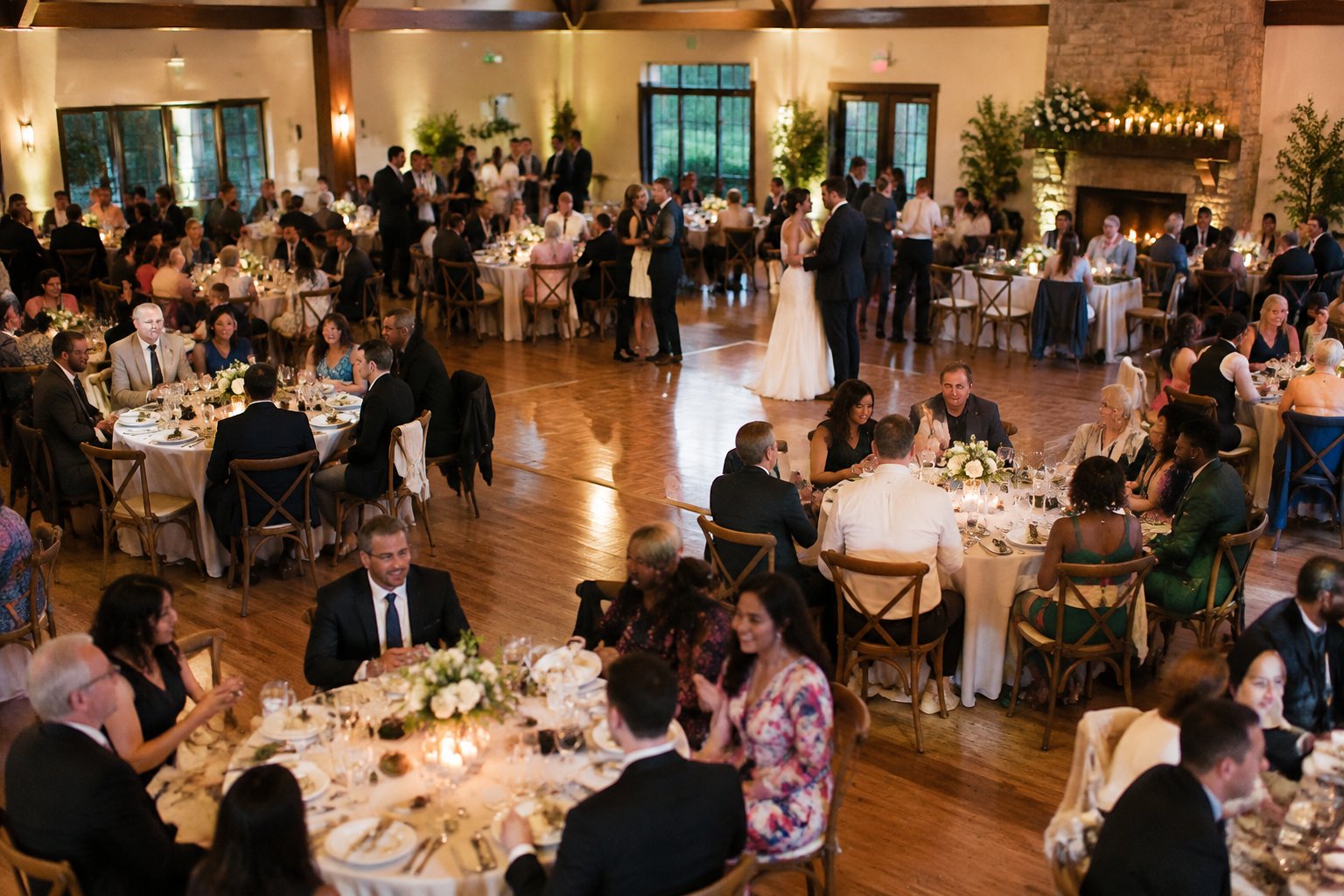
Your wedding budget should separate costs that stay similar from costs that rise with attendance. That makes it easier to see how each added guest affects the total and where you have room to make changes.
Which Expenses Increase With Each Guest?
Food, drinks, place settings, cake portions, and some rentals rise as your guest count grows. Staffing can also increase when a larger crowd requires extra servers or bartenders. Your venue, photographer, and DJ may charge a set fee that changes little with attendance.
Ask each vendor which parts of a quote depend on your final headcount. Then check whether the venue has a minimum spend, service fees, or extra charges for rentals. If you’re weighing cost against space, compare affordable wedding venues for 150 guests and request a written estimate based on your planned setup.
A destination wedding adds travel and lodging costs for you and your guests. You’ll also need to consider how the location affects attendance, since some invitees may be unable to travel.
How Can You Keep Your Wedding Budget on Track?
Set a maximum budget before you confirm your guest list, then estimate the per-person costs for meals, drinks, and rentals. Keep a separate amount for fixed expenses and a cushion for taxes, service charges, and last-minute needs.
If your estimate runs high, reduce guest-sensitive costs first. You might choose a simpler menu, limit the hosted bar, or trim the list before you book. A smaller guest count won’t reduce every expense, so compare updated vendor quotes before counting on a specific saving.
What Venue and Planning Needs Come With 150 Guests?
A 150-person wedding calls for a venue with enough comfortable seated capacity, clear service routes, and a layout that leaves room for dining and dancing. A wedding planner can help coordinate those moving parts and keep the day’s schedule organized.
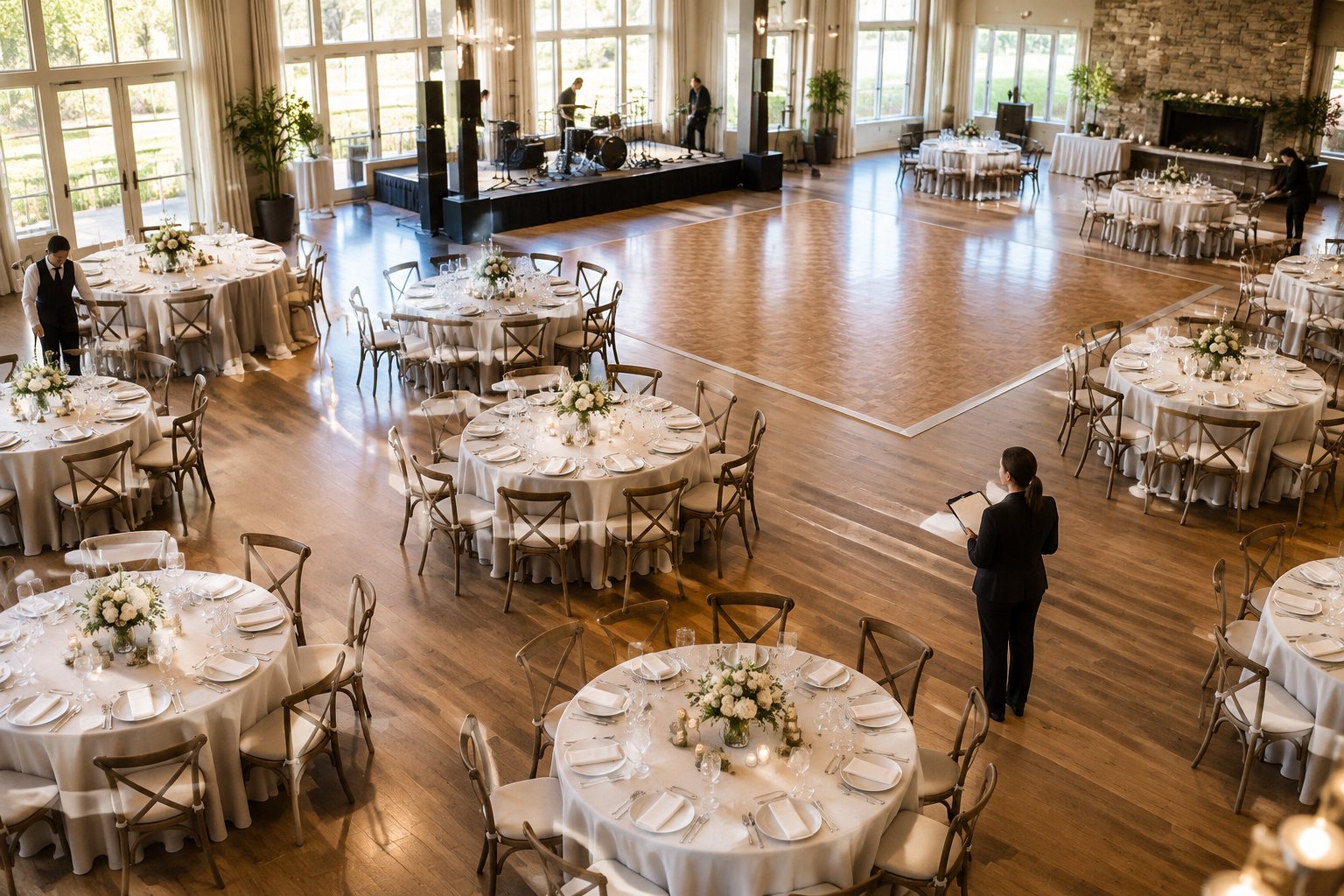
The venue’s advertised maximum may describe a standing event, so confirm that your actual reception plan fits. A floor plan and a clear list of responsibilities also help you spot planning gaps early.
How Should You Check Venue Capacity and Layout?
Ask the venue for a floor plan showing 150 guests seated for dinner, with tables, a dance floor, bar, and DJ or band area included. Confirm that aisles give guests and staff room to move, and check how the layout handles accessible seating and routes to restrooms.
If your ceremony and reception share one room, ask how the space will change between them and where guests will go during the room flip. Also confirm which rentals are included, where vendors can set up, and whether parking is available. The dance floor plan for a 150-person wedding can help you discuss how much space to reserve for dancing.
When Can a Wedding Planner Help?
A wedding planner can help you compare venues, track vendor details, and coordinate timing on the wedding day. At 150 guests, a planner can also manage seating questions and help vendors work from the same schedule.
You may want help with the full planning process or only with the final weeks and wedding-day coordination. Ask what each package includes, who will be on-site, and how the planner handles changes to your timeline or guest count.
How Can You Decide Whether 150 Guests Is Right for You?
A 150-person wedding is right for you when the guest list fits your priorities, budget, and preferred atmosphere. Your first draft can show whether that number includes the people you value or guests you feel pressured to invite.
Start with the people you most want there, then consider how much you can spend per guest and what kind of celebration you want. A rough RSVP estimate can help you plan meals and seating; use a guide to how many guests to expect at your wedding as you build your count.
How Should You Set Guest-List Priorities?
Make a first list of must-invite guests, such as close family and the friends you see regularly. Add extended family and other friends in a second group, then place work contacts and distant acquaintances in a lower-priority group.
If your parents are contributing, agree on their guest allowance before invitations go out. Be consistent with your rules for plus-ones and children, and give both families the same guidance. A guide to how many people to invite to a 150-person wedding can help you account for households and expected declines.
What Can You Adjust if the Count Feels Too High?
If the number feels too high, revisit the lower-priority groups first and review your rules for plus-ones and children. You can also choose a smaller venue or a simpler meal plan, though those choices affect the feel and format of the day.
Before cutting guests to meet a venue limit, confirm the room’s seated capacity and final headcount deadline. Once you have updated your list, ask vendors to revise their quotes so you can compare the new total with your budget.