
Is 200 Guests a Lot for a Wedding? Size, Costs, and Planning
Yes, 200 guests is a lot for a wedding, and a 200-person wedding is considered large by many U.S. planning standards. That count calls for more space, more coordination, and a budget that accounts for costs tied to each guest.
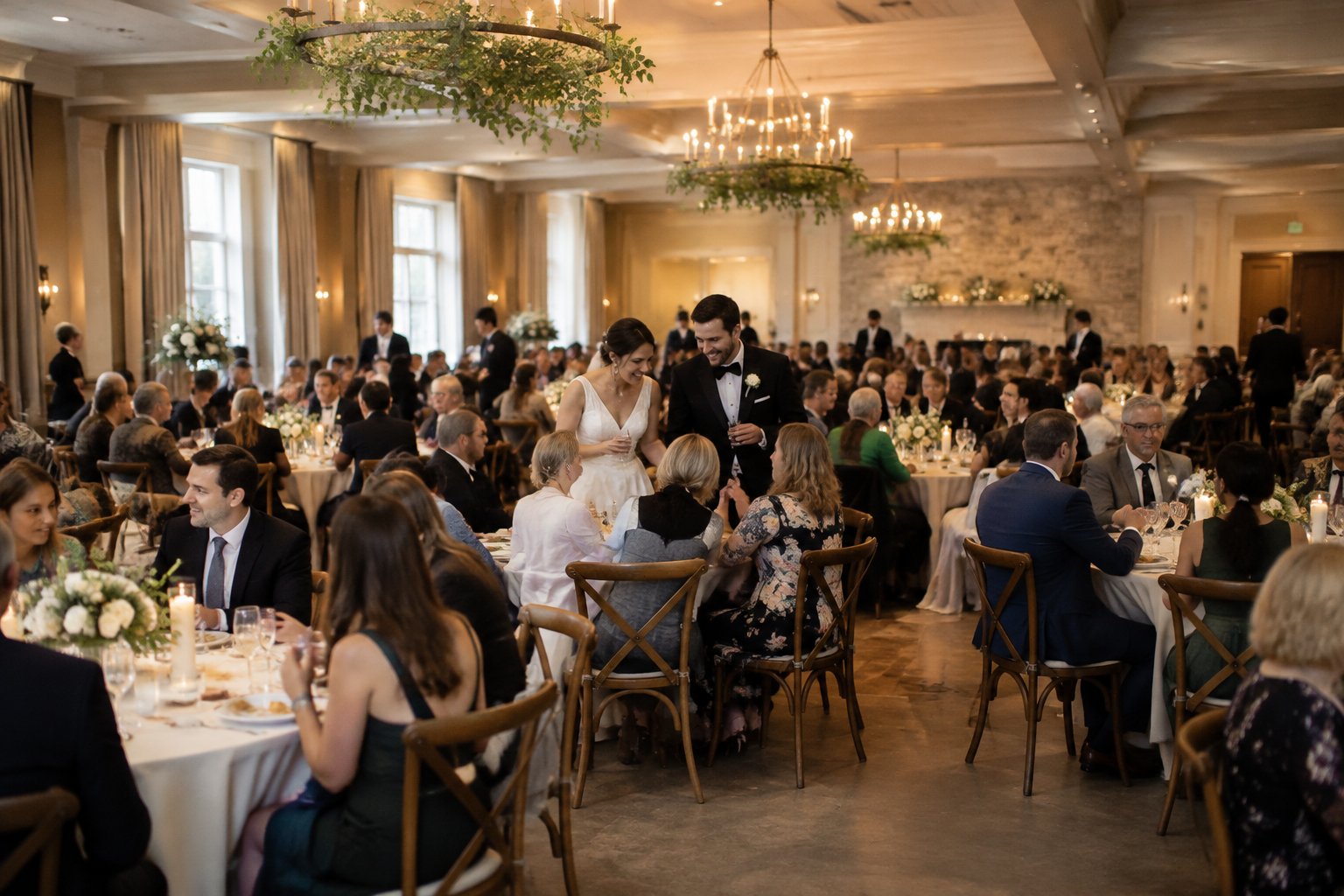
A large wedding can feel lively and welcoming when the guest list fits your vision and your plans. Start by writing down the people you most want beside you, then use that list to set a realistic starting count.
How Does 200 Compare With Other Wedding Sizes?
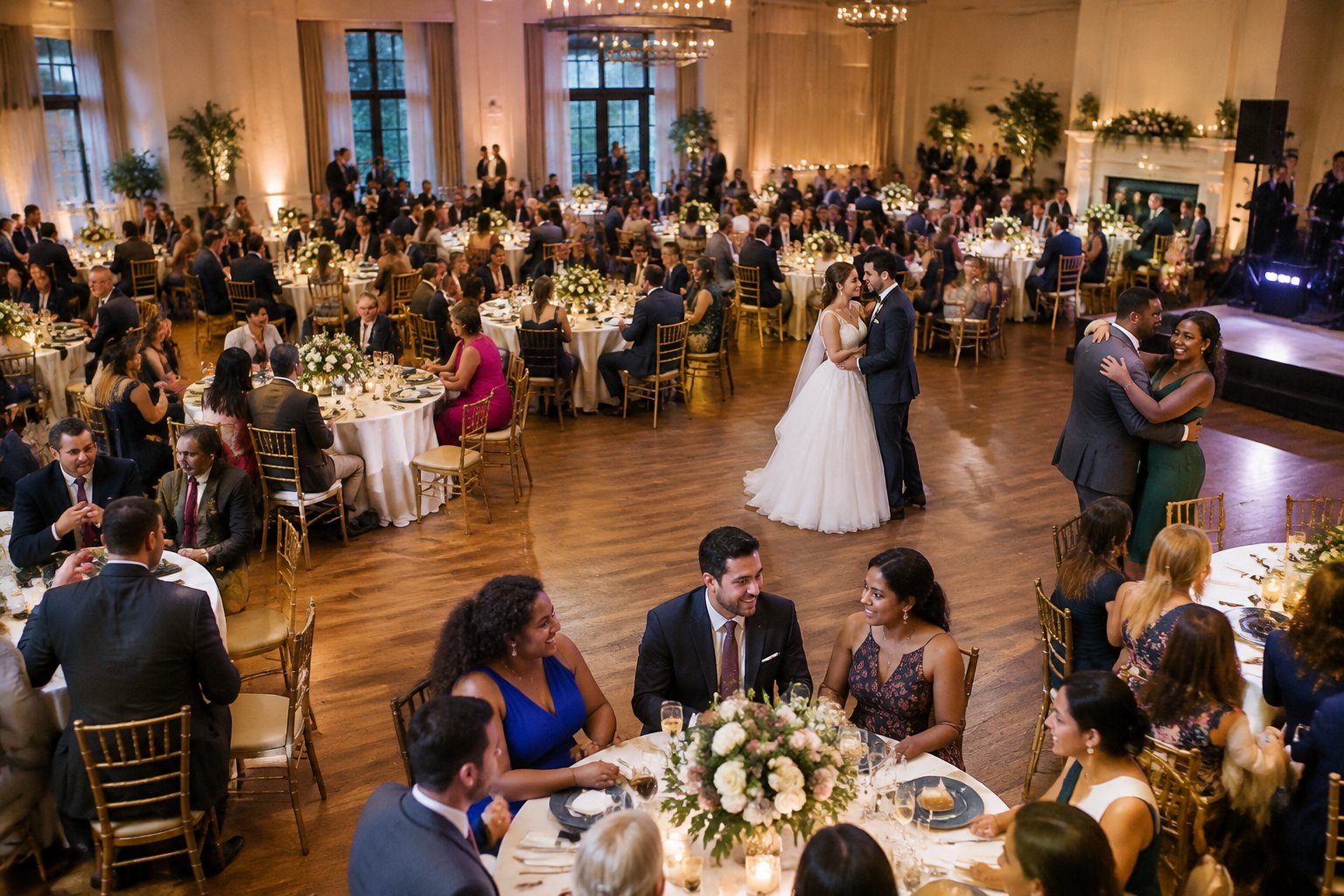
A 200-person celebration falls into the large wedding range, though family size and local customs shape what feels large to you. Comparing it with smaller celebrations can help you decide whether the energy and planning demands suit your preferences.
Why 200 Guests Is Usually Considered a Large Wedding
Many wedding planners consider a guest count above 150 large, which puts 200 guests firmly in that range. For a sense of how guest counts compare, you can look at the average guest list for a wedding.
At this size, you’ll need a plan for seating, meal service, and guest flow. You’ll also have a room full of different family and friend groups, which can create a lively atmosphere and make it harder to spend time with each guest.
How Small, Intimate, and Micro Weddings Compare
A small wedding often includes fewer than 50 guests, while an intimate wedding focuses on a close circle of family and friends. A micro wedding is smaller still, with many couples keeping the guest count to a few dozen or fewer.
With 200 people, you’re planning for a much broader group. If you’re considering a smaller celebration, comparing whether 100 guests counts as a big wedding can help you picture a different scale.
Why Wedding Size Definitions Vary
Guest-count labels are flexible. A 200-person wedding may feel large in a close-knit circle and familiar in a family or community where weddings bring together extended relatives and friends.
Your venue also affects how the number feels. Two hundred people can feel comfortable in a spacious ballroom with a clear layout, while the same count can feel crowded in a smaller room.
What Factors Determine Whether 200 Guests Is Right for You?
The right guest count reflects the celebration you want and the people you hope to include. Your wedding planning choices also need to fit your budget, location, and the time you want to spend with guests.
How Your Celebration Vision Shapes the Guest Count
Think about the atmosphere you want. A large dance floor and a busy reception suit a bigger group, while a smaller gathering gives you more time for one-on-one conversations.
Consider what you want to spend on the guest experience, too. A larger list can mean more food choices, more seating, and more guests to greet.
If an intimate meal or a relaxed outdoor gathering feels closer to your vision, a smaller list may make those plans easier.
When Family, Culture, or a Destination Wedding Affects the List
Family traditions can add many guests, especially when parents and relatives expect to invite extended family or longtime friends. Agree on how you’ll share invitations before building the final list, so each side understands the limits.
A destination wedding brings travel costs and time off into the decision. Guests may need to arrange flights and lodging, which can affect who is able to attend. You can estimate attendance with a destination wedding guest-count plan.
How Does Guest Count Affect Your Wedding Budget?
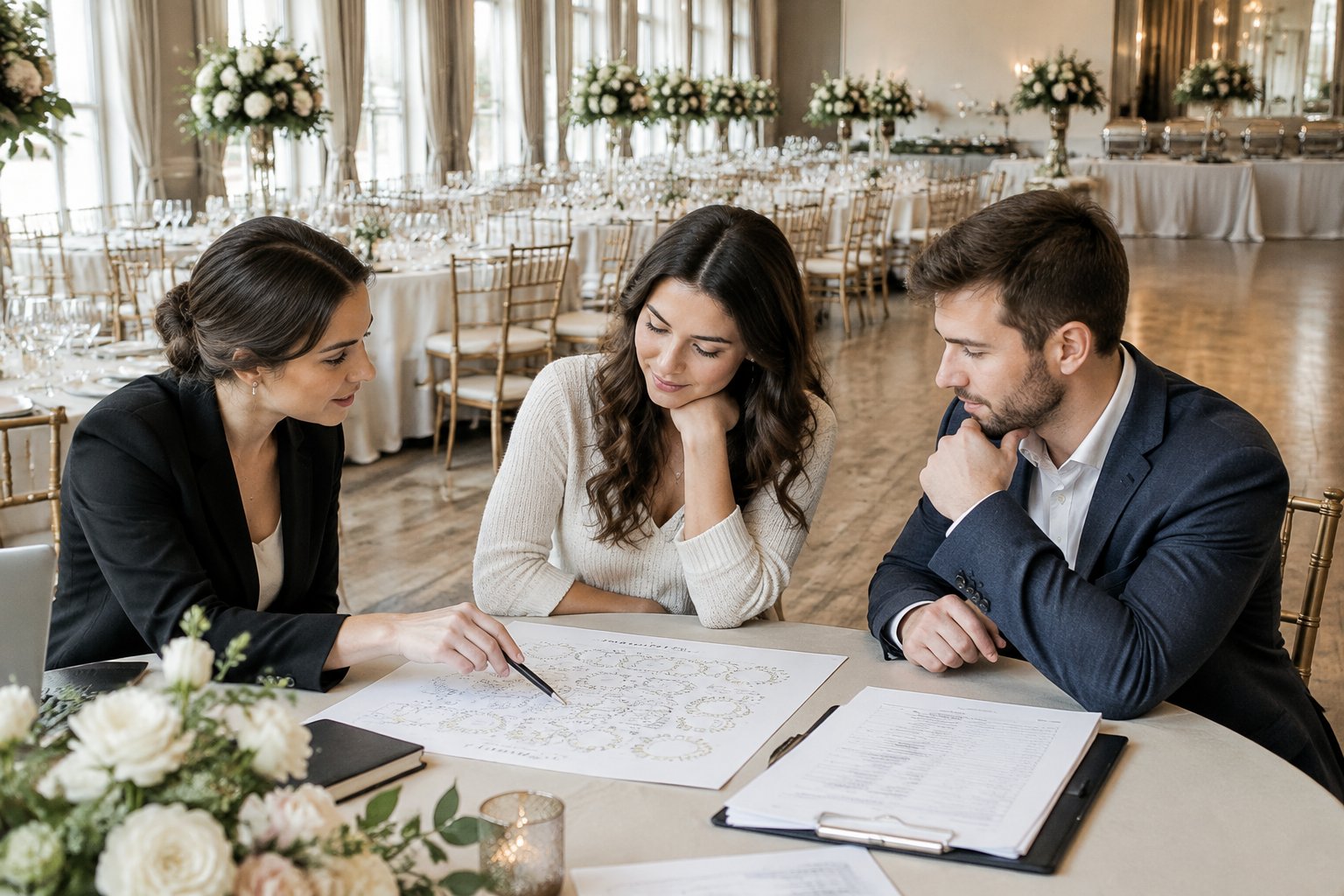
A 200-person guest list increases the wedding budget through costs that rise with attendance, while some other expenses stay relatively steady. Building your budget around a per-guest estimate gives you a clearer view of the trade-offs.
Which Wedding Expenses Rise With Each Guest?
Food and drinks are among the clearest per-person wedding expenses. Each additional guest can also affect rentals, place settings, favors, and staffing. If your venue charges by attendance, its fee may rise with the headcount as well.
Other wedding expenses, such as photography or entertainment, may be similar across different guest counts. Ask vendors which charges are fixed and which change with your final number. For a starting point, estimate your wedding budget per person and multiply that figure by your likely attendance.
How to Set a Realistic Budget Before Finalizing the List
Set a total spending limit, then reserve money for the expenses that matter most to you. Request itemized estimates for venue, catering, drinks, rentals, and service fees so you can compare options clearly.
Keep a small cushion for changes in the final count or vendor costs. If your estimate exceeds your limit, adjust the guest count or scale back selected details before you sign contracts.
How Can You Manage a 200-Person Guest List?

A clear system helps you keep a 200-person guest list organized from the first draft through the final RSVP count. Set your invitation rules early, then track each household and response in one place.
How to Divide and Prioritize Your Guest List
Start by listing the people you both feel are essential. Then sort other guests into groups, such as extended family, close friends, coworkers, and family friends. This makes it easier to review the list if the venue or budget requires a lower count.
If family members are contributing to costs, agree on how invitations will be divided before anyone sends them. A shared guest-list plan can help you set clear limits and keep the process fair.
How to Track RSVPs, Plus-Ones, and Final Attendance
Use a spreadsheet or guest-list tool to record each household, invitation status, meal choice, dietary needs, and plus-one. Give every invitee a response deadline and follow up with anyone who has not replied.
Set your plus-one rules before invitations go out, then apply them consistently. Track children and household members individually, since each person affects seating and catering. Share the final count with your venue and vendors by the deadline in your contracts.
What Does a 200-Person Wedding Require Logistically?
A 200-person wedding needs a venue and event plan built around comfortable seating, smooth service, and easy movement. Confirm the room layout and practical guest needs before you commit to a space.
How to Choose a Wedding Venue With Enough Space
Ask the venue for its seated capacity with your planned table layout, dance floor, stage, and other features included. A room’s maximum capacity may leave little space for dining or mingling, so review a floor plan and visit in person when possible.
For a seated reception, estimate how many tables you’ll need based on your table size and seating plan. You can use a table-count estimate for 200 guests as an early planning aid, then confirm the layout with your venue.
What to Plan for Catering, Parking, and Accessibility
Ask your caterer how they’ll serve the meal and manage dietary needs for a large group. Plated service needs coordinated timing, while stations or buffet service need enough space and staff to keep lines moving.
Check the number of parking spaces and give guests clear travel details. For guests with mobility needs, confirm accessible entrances, seating routes, restrooms, and drop-off points.
If your celebration is outdoors, arrange shade and a weather backup, and confirm how guests will move between the ceremony and reception.