
Is 200 People at a Wedding a Lot? Size and Planning
Yes, 200 people at a wedding is a lot by common U.S. planning standards: your celebration falls in the large-wedding range. That guest count brings a lively atmosphere, along with more planning for food, seating, space, and cost.
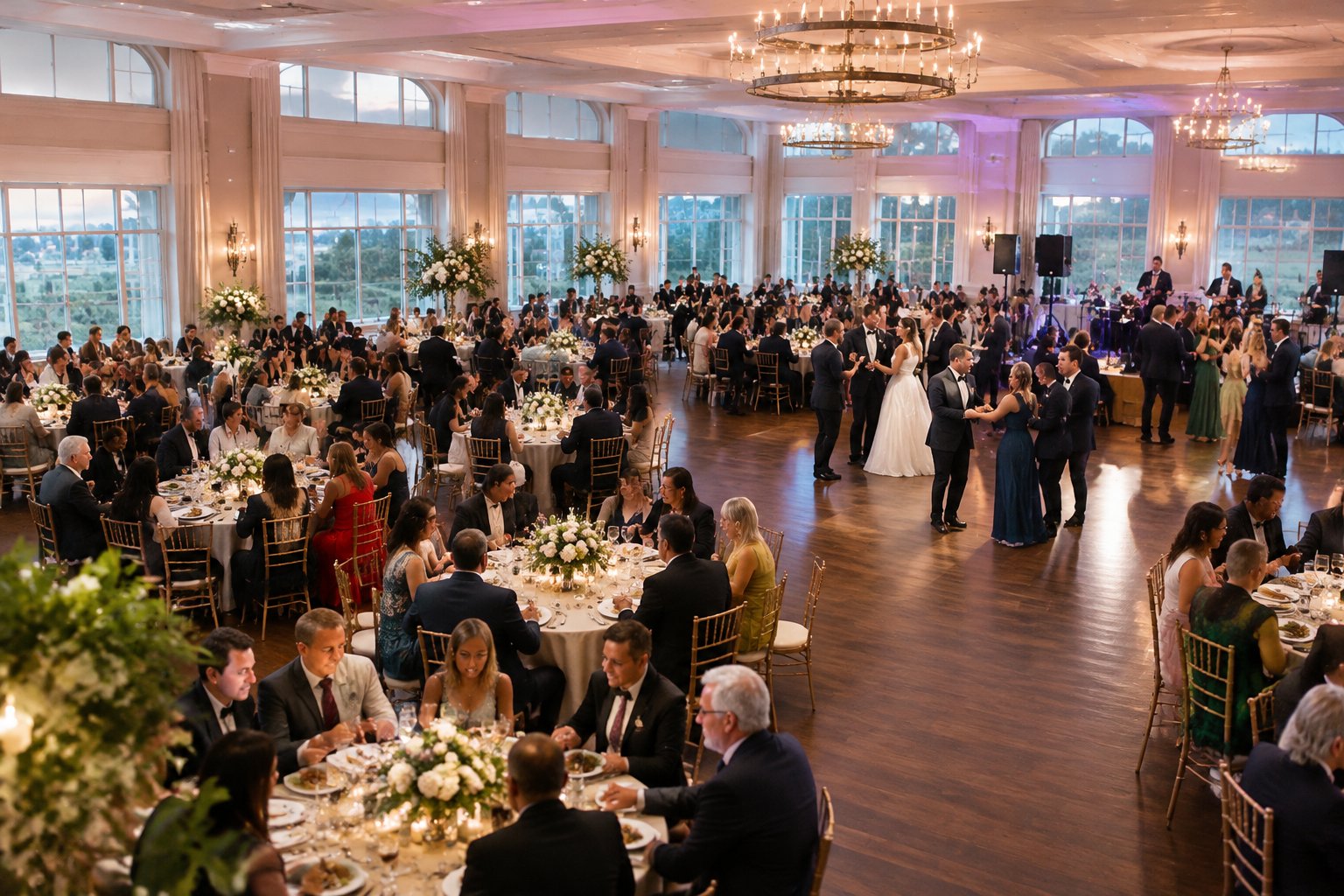
Your family size and traditions shape how 200 guests feel. If you and your partner have large circles of loved ones, that number may feel natural. Set a comfortable spending limit and draft your must-invite list together to see whether it fits your plans.
How Does 200 Guests Compare With Typical Wedding Sizes?
A 200-person wedding is considered large by many U.S. planning guides, though wedding-size labels are flexible. Smaller celebrations can be intimate, while a 200-person event brings a crowd and needs more room and coordination.
What Counts as a Micro or Small Wedding?
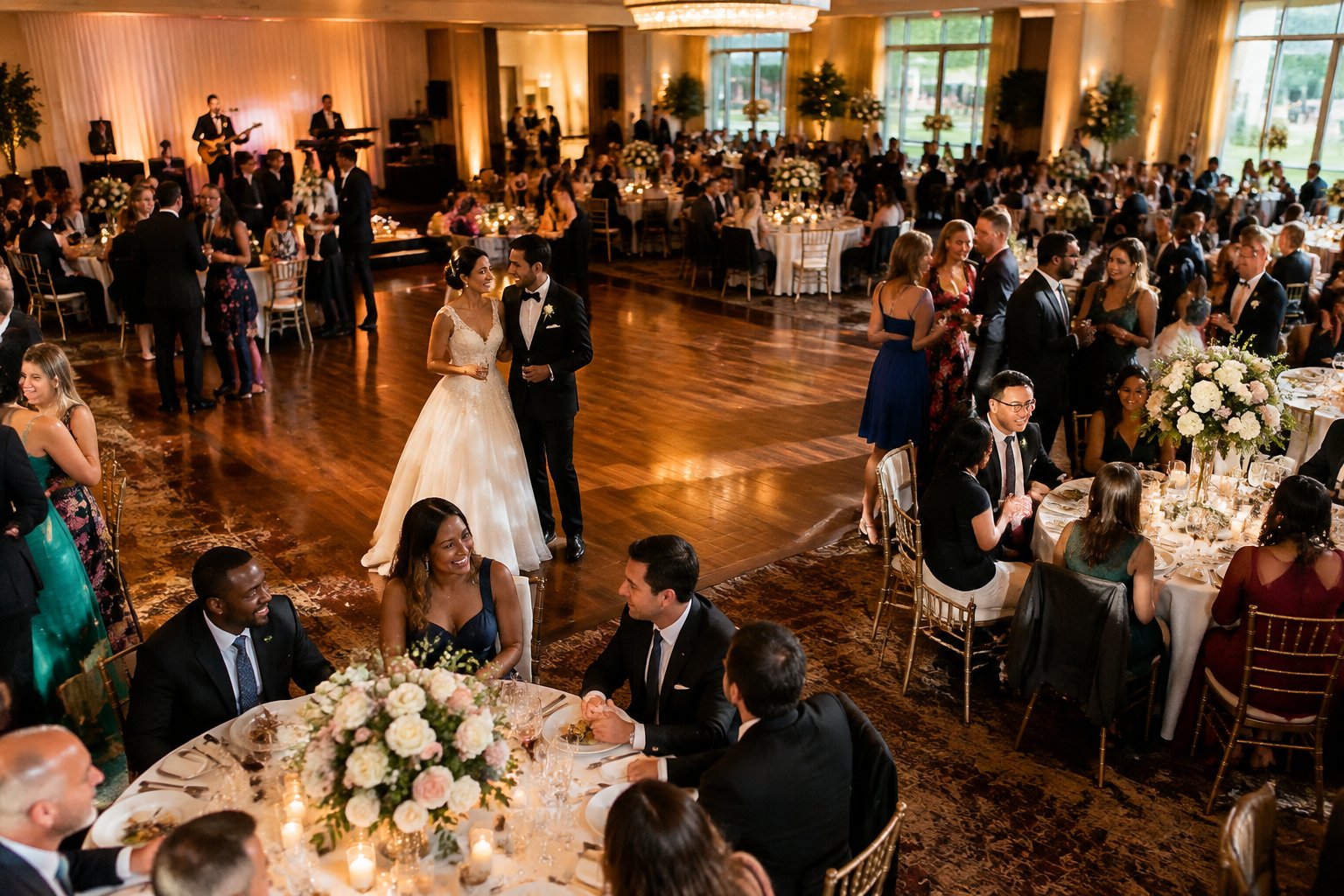
A micro wedding often has fewer than 50 guests, while a small wedding commonly includes up to about 75 people. These ranges are guidelines, so your own family and community affect how the count feels.
With a smaller group, you have more time for personal conversations and can choose a more intimate setting. If you are deciding whom to invite, a guest list for a small wedding can help you set clear priorities.
How Are Medium and Large Weddings Usually Defined?
A medium wedding often falls around 75 to 150 guests, while a large wedding usually starts above 150. You can use these ranges as a rough point of reference when deciding how many guests count as a big wedding.
The category alone does not determine the feel of your day. A 100-person wedding may feel large in a close-knit family, while 200 guests may feel familiar when you have a wide circle of relatives and friends.
How Does 200 Compare With the Average Wedding Size?
Two hundred guests is well above the recent U.S. average, which is commonly estimated at roughly 115 to 120 attendees. You can check the average number of wedding guests for context, then focus on the people you want beside you.
At this size, your reception can feel energetic and full. You will also need more seats, meals, and space than a couple hosting a smaller group.
How Should You Build a 200-Person Guest List?
A clear wedding guest list helps you balance personal priorities, family input, and the venue’s capacity. Set rules together before adding names, then estimate attendance carefully so you can plan for the people who may come.

How Can Couples Divide Guest Invitations Fairly?
You and your partner can each make a first-pass list, then compare the totals and decide how to handle family invitations. Some couples split the available places evenly; others reserve places based on family size or who is contributing to the wedding budget.
Agree on the rules for extended family, coworkers, children, and plus-ones before you send invitations. A shared method for dividing a wedding guest list can keep the conversation fair and make later changes easier.
How Many Invitees Are Likely to Attend?
If you invite 200 people, plan for roughly 170 to 180 guests to attend as a starting estimate. Your response rate will depend on travel distance, timing, and your guests’ circumstances, so use your own knowledge of the invitees to adjust the estimate.
If you want 200 people in the room, you may need to invite around 230 to 250, provided your venue can seat every person invited. A guide to how many people to invite to your wedding can help you set a practical target. Track each household’s RSVP, plus-ones, and meal needs in one place.
How Much Does a 200-Person Wedding Cost?
A 200-person wedding can cost roughly $45,000 to $80,000 or more in the United States, with location, service level, and vendor choices shaping the final total. Your wedding budget will feel the effect of each added guest because food, drinks, and rentals are tied closely to headcount.
Which Expenses Rise With Each Additional Guest?
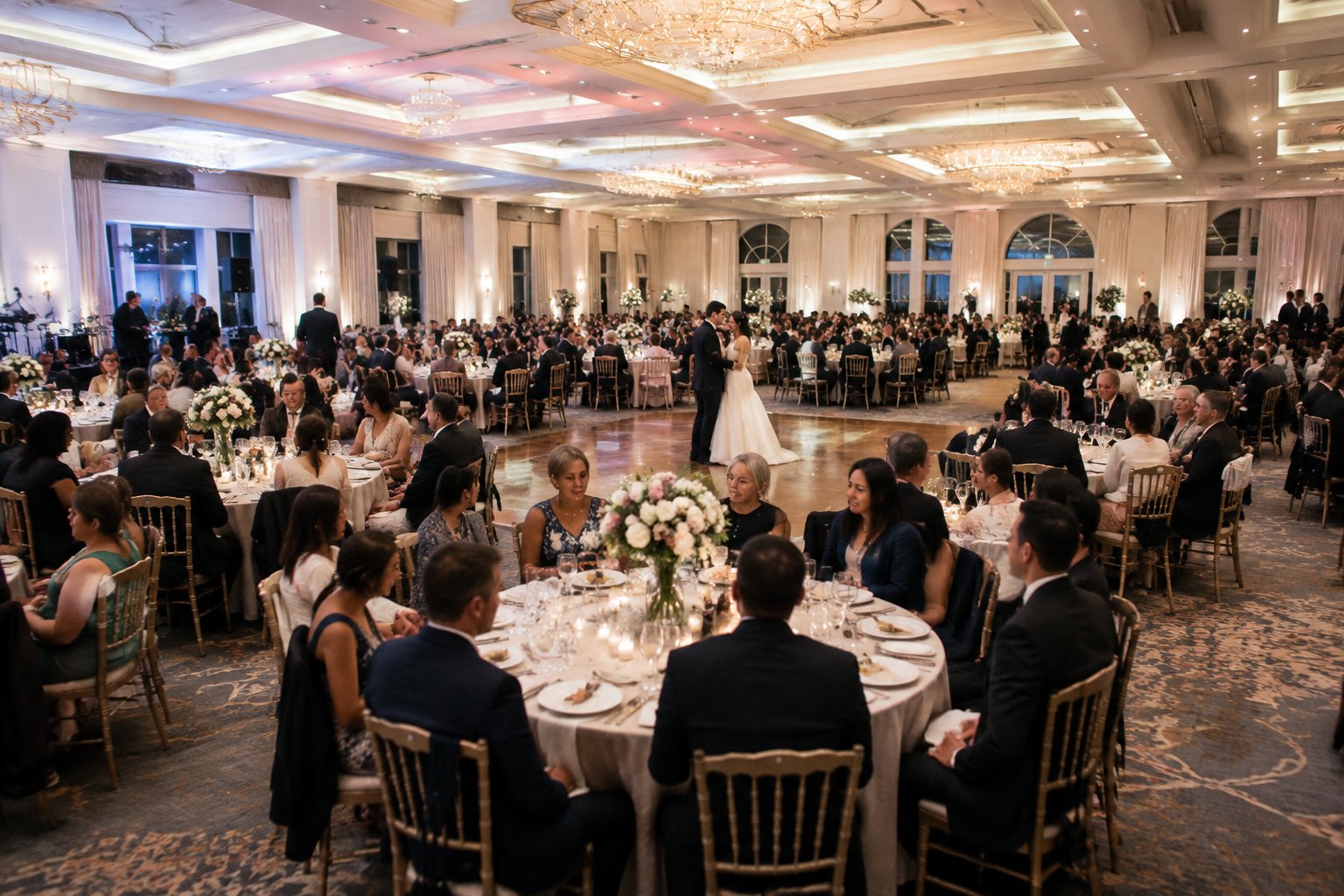
Catering and bar service are among the clearest guest-based costs. Each person also needs a place setting and chair, and your venue may charge more for staffing, linens, or rentals as your count rises.
Some expenses, including photography and attire, stay closer to the same price as the guest list grows. Separate fixed expenses from per-person costs in your budget, then ask vendors to price the event at your expected attendance and at the full invited count.
Where Can You Reduce Costs Without Losing the Celebration You Want?
You can lower your spending by choosing a simpler menu, limiting elaborate favors, or holding your wedding on a weekday or during a quieter season. Keep the parts of the celebration that matter most to you, such as dancing, a favorite meal, or time with family.
A guest-list rule can also keep spending in line: invite people you and your partner want to celebrate with, then set consistent boundaries for plus-ones and distant acquaintances. That gives you a clear way to respond when new names come up.
What Venue and Logistics Do 200 Guests Require?
A 200-person wedding needs a venue with enough usable space for dining, dancing, guest movement, and service areas. A venue’s listed maximum capacity may describe a safety limit, so ask how many people it can accommodate for your specific reception layout.
How Much Space Is Needed for Dining and Dancing?
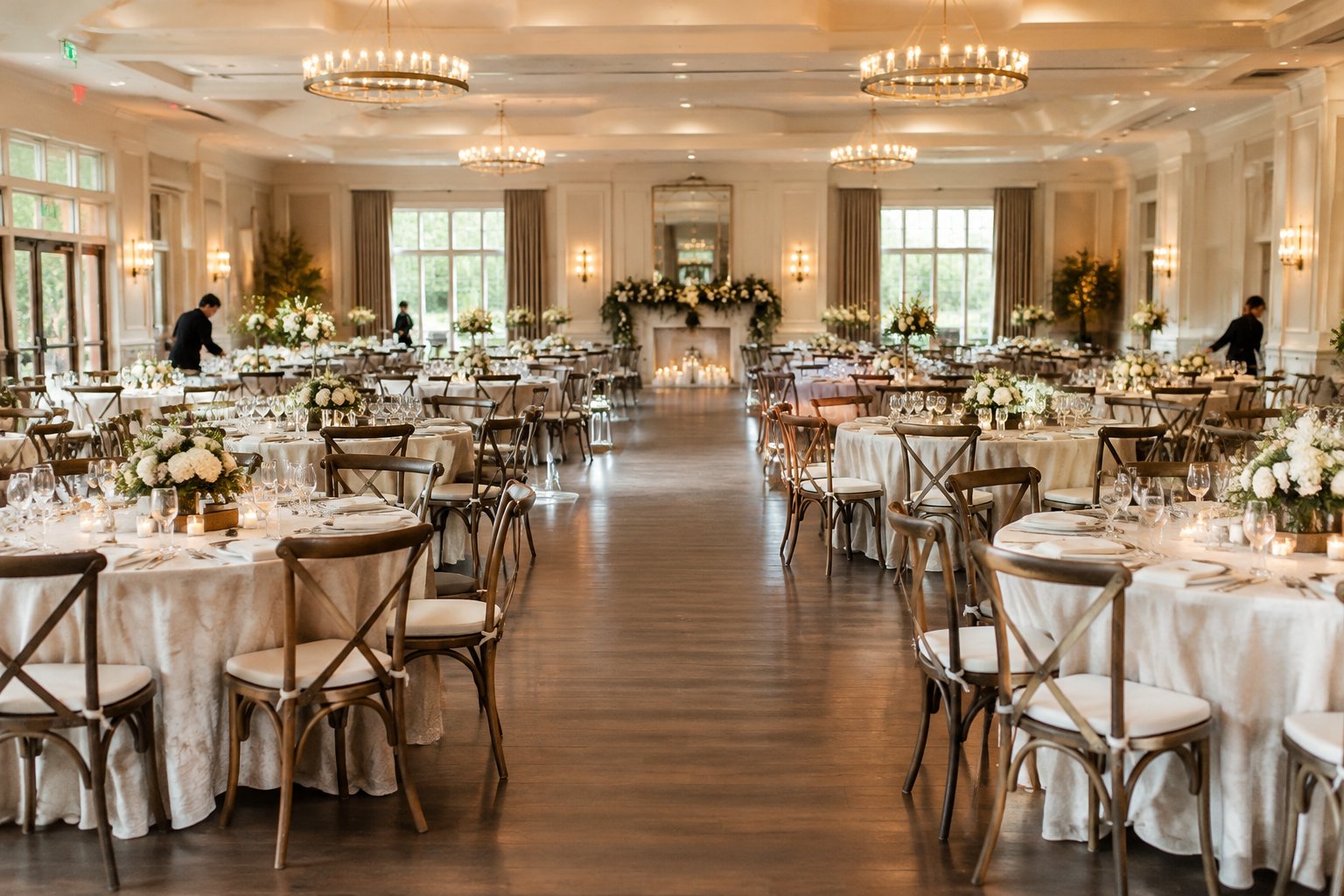
For seated dining, a useful starting estimate is 12 to 15 square feet per guest for the table area, or about 2,400 to 3,000 square feet for 200 people. You will need additional room for a dance floor, bar, DJ or band, and clear paths for guests and servers.
Ask the venue to draw your layout to scale, including tables and entertainment. You can also estimate your seating needs with guidance on how many tables a 200-person wedding needs. Check that guests can move comfortably between the dining area and the dance floor.
What Should You Plan for Catering, Parking, and Accessibility?
For catering, confirm that the kitchen and staff can serve your guest count within your planned meal schedule. Ask how the venue handles dietary requests, water service, and lines at bars or food stations.
Check parking capacity and travel options, especially if your venue sits far from hotels or public transit. Walk the routes between the ceremony, reception, restrooms, and parking areas to confirm that guests with mobility needs can use them comfortably.
How Can You Tell if This Guest Count Suits Your Wedding?
Two hundred guests suits your wedding when the people you want to invite fit your budget, venue, and preferred celebration style. Your priorities and family traditions can help you decide whether a large gathering feels right or whether a smaller event would be more comfortable.
How Do Your Priorities and Family Traditions Affect the Right Size?
Start with the guests whose presence would make your wedding day feel complete, then add other invitees as your budget allows. If close family traditions include a wide circle of relatives, 200 may be a natural fit for your celebration.
Think about how you want to spend the reception. A large crowd creates a lively shared event, while a smaller guest list gives you more time for individual conversations. Discuss family requests with your partner and agree on a limit before invitations go out.
When Might a Smaller Celebration Feel Like a Better Fit?
A smaller celebration may suit you if you want a quieter setting, more one-on-one time, or a lower guest-related budget. It can also be a better fit when your venue has limited space or you feel pressure to invite people you do not know well.
Write down your must-invite names and compare that number with your budget and venue capacity. If your list grows beyond what feels comfortable, use consistent guest-list rules and review ways to choose guests for a small wedding as you make your final decisions.