
Is 5 PM Too Late for a Wedding Ceremony? Timing Tips
A 5 PM ceremony gives you a late-afternoon start and an evening celebration, with enough time for vows, photos, and a reception when you plan the schedule carefully. Is 5 PM too late for a wedding ceremony? No, a 5 PM start works well when you plan around sunset and dinner.
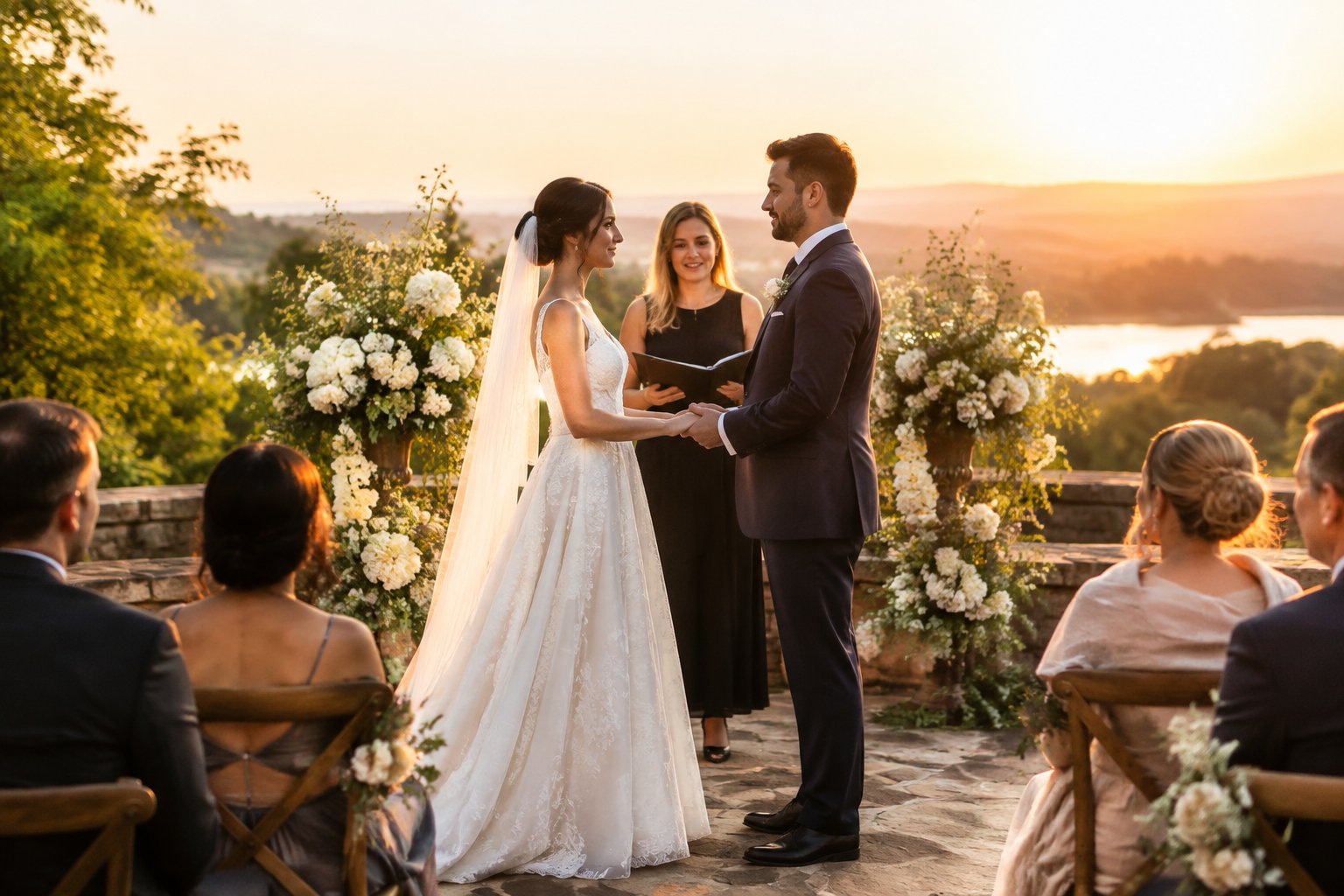
Your date, location, and venue rules shape how smoothly that timing fits. Check the sunset time for your wedding day, then ask your venue or planner to map out the ceremony through the last dance before you set the start time.
When a 5 PM Start Works Best
A 5 PM wedding ceremony works well when you want an afternoon wedding that flows into an evening wedding. Your season, ceremony length, and plans for photos help determine whether the timing feels relaxed.
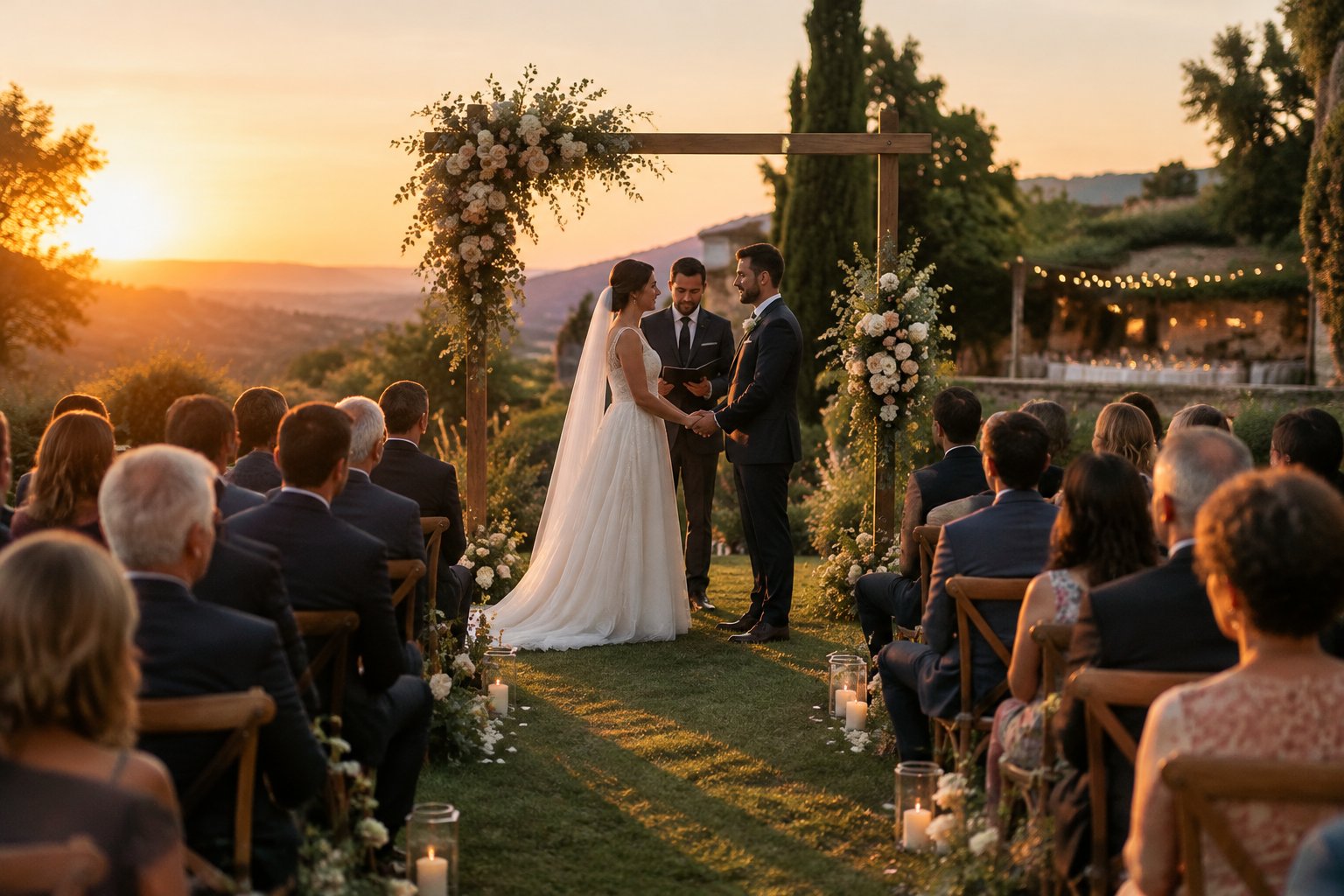
You can use a 5 PM start to welcome guests after much of the workday and move into dinner as evening begins. For more help choosing a ceremony time, compare your plans with common wedding start times.
Why Late Afternoon Can Be a Good Fit
A late-afternoon ceremony gives you a natural path from vows to cocktails and dinner. It can also help you avoid the strongest midday sun at an outdoor venue, especially during warm months.
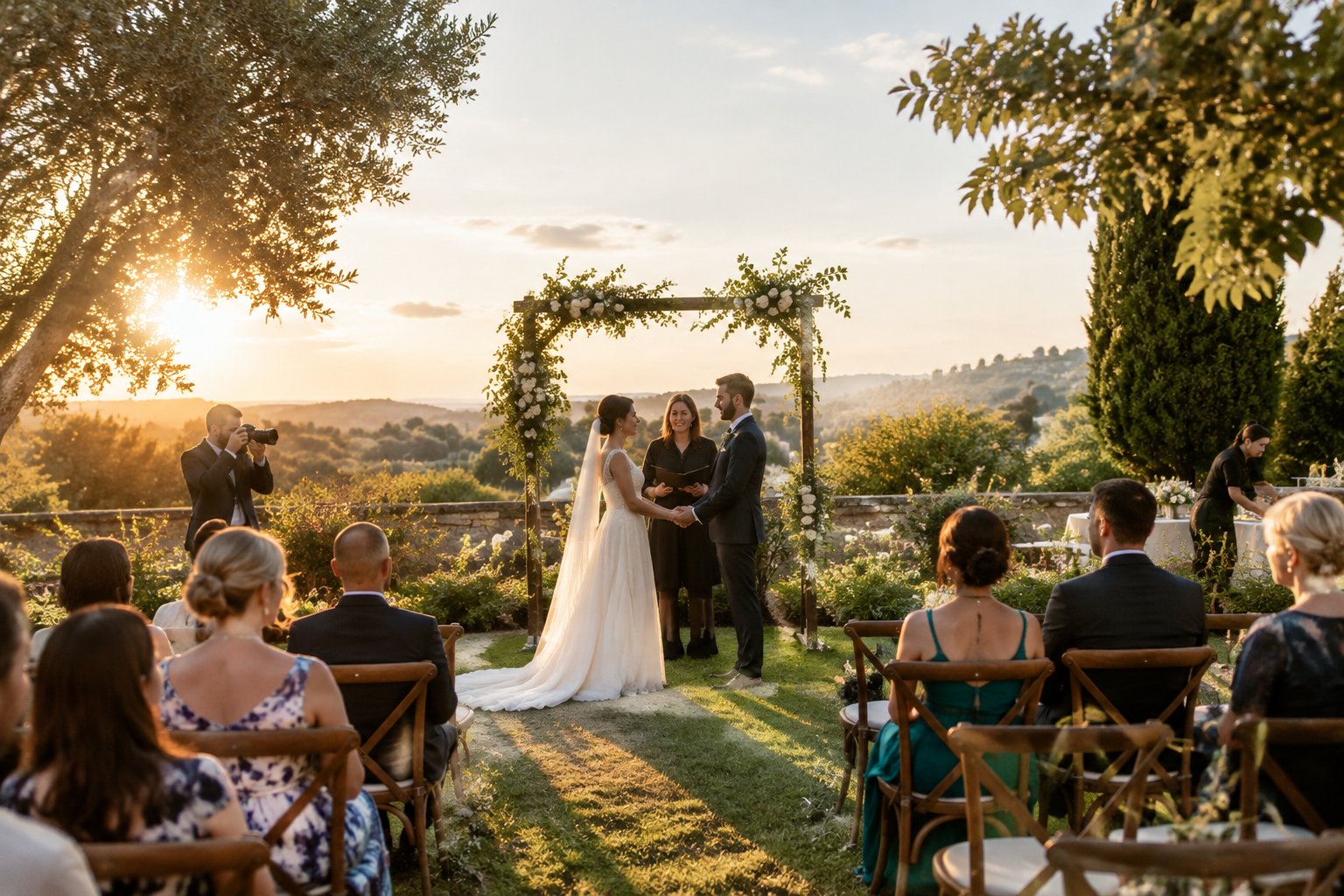
For an outdoor ceremony, check the sunset time for your exact date and location. A 5 PM start leaves more daylight in June than in December, and nearby hills or tall buildings can shade a site earlier than the local sunset time suggests. Your photographer can help you plan portraits around the light you’ll have.
When a Later Start May Cause Problems
A 5 PM start can squeeze your schedule when sunset comes early, the ceremony runs long, or the reception is far from the ceremony site. If you’re asking whether 6 PM is too late for a wedding ceremony, use the same checks: daylight, guest travel, dinner timing, and your venue’s closing time.
A short gap between events may leave little room for portraits or travel. A long gap can leave guests waiting for dinner. Pick a ceremony time that gives you enough room for both.
How to Build a Smooth Schedule Around 5 PM
A smooth wedding day timeline gives each part of the day a clear place, with buffer time for changes. Your wedding day schedule should include getting ready, photos, guest arrival, the ceremony, and the reception.
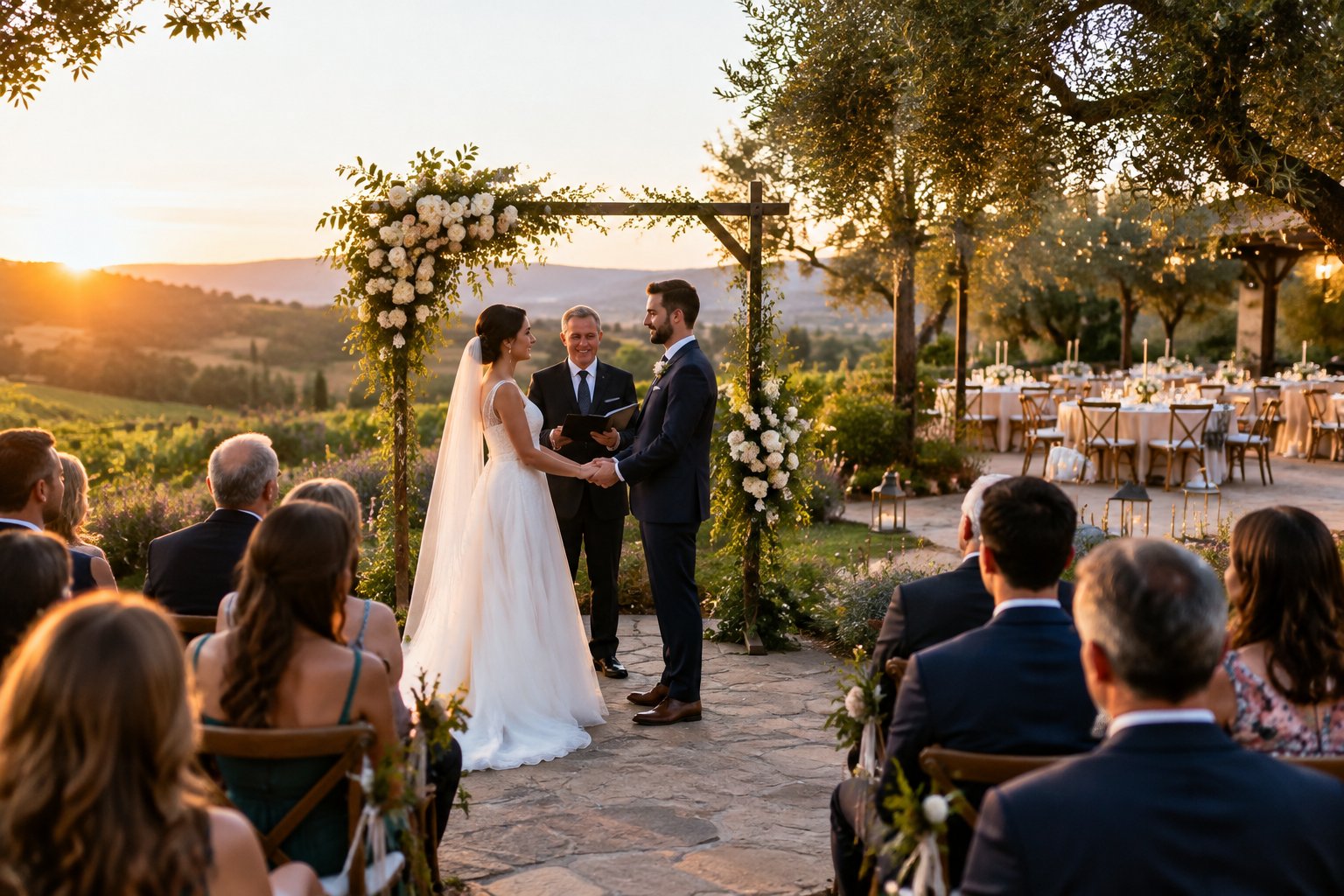
Write down the key times and share them with your vendors and wedding party. A sample 5 PM wedding day itinerary can help you shape the order around your own venue and plans.
Where to Place a First Look and Photos
A first look before the ceremony lets you take couple and wedding-party portraits earlier in the day. That can free up time after the vows for family photos and a shorter wait before cocktail hour.
If you skip a first look, plan enough time after the ceremony for portraits. Tell your photographer which family groups you need, and ask how long each set of photos will take. This helps you decide whether you’ll join cocktail hour right away or meet guests later.
How Much Time to Allow Between Events
Leave enough time for guests to move from the ceremony to the reception, especially when the two locations are separate. Build in time for parking, walking, shuttle loading, and family photos.
Share the schedule with your vendors so they know when the room needs to be ready for the next part of the day. For one location, guests can move straight from the ceremony to cocktail hour while staff prepare the dining space. For two locations, give guests clear directions and a realistic travel window.
How Will the Timing Affect Your Guests?
A 5 PM start can make the guest experience easier when you plan for travel, food, and comfort. Your choices shape guest convenience for people arriving from work or out of town.
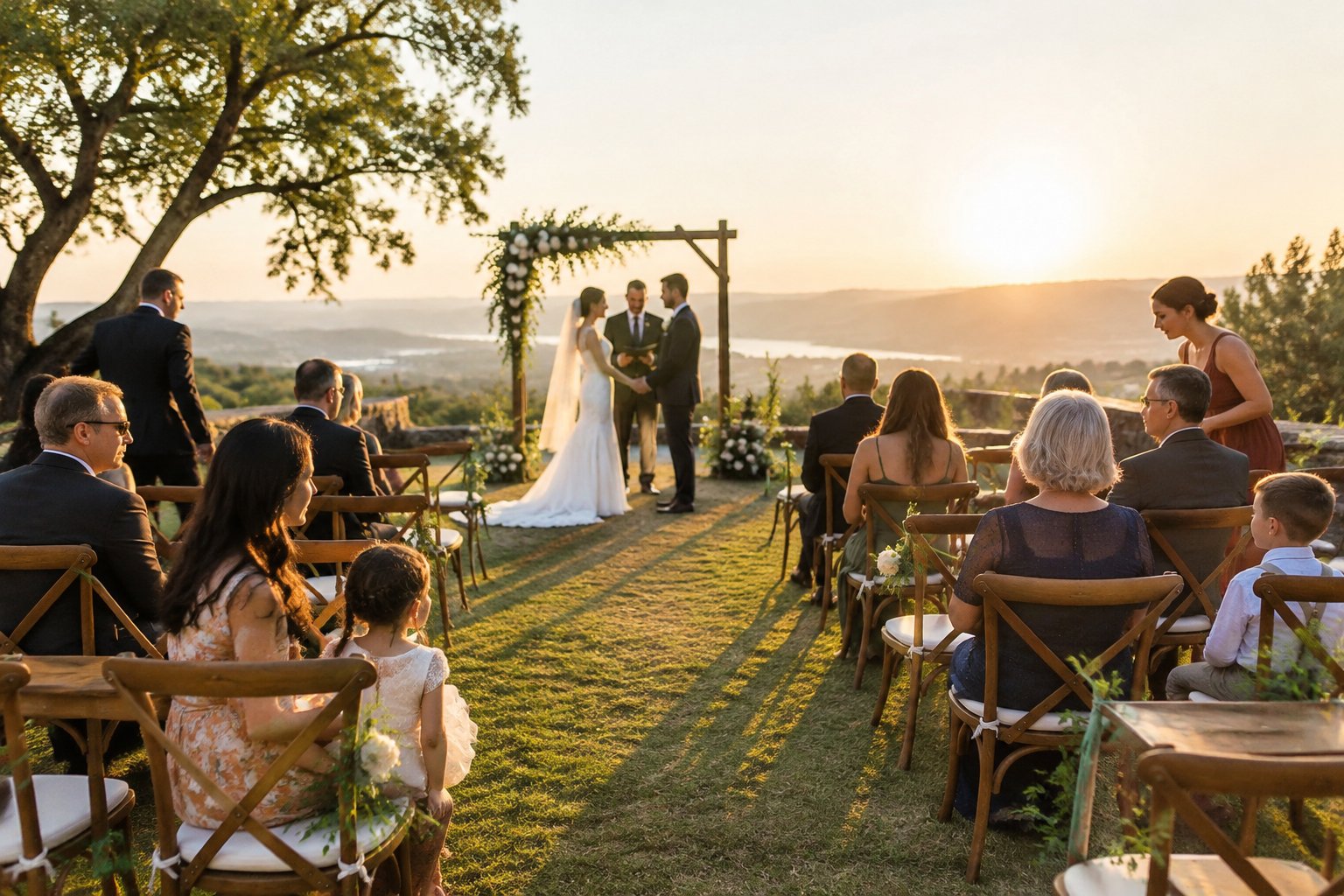
Give guests enough notice to plan their arrival and understand what happens after the ceremony. If you’re deciding how early guests should arrive, include a clear arrival time on your invitation and account for parking or check-in.
Plan for Travel, Meals, and Evening Commitments
A 5 PM ceremony may suit guests who need the day to travel or finish work, while a late reception can be harder for people heading home that night. If you’re hosting a destination wedding, share travel details early and consider hotel or shuttle options.
Plan food around the time guests arrive. If dinner follows the ceremony, offer water or light refreshments during cocktail hour so guests aren’t waiting hungry. Let guests know whether the reception includes a full meal, especially if the schedule runs late.
Make Comfort a Priority for Children and Older Guests
A comfortable setting helps children and older guests enjoy the ceremony and reception. Offer shaded seating for a warm outdoor event, accessible routes between spaces, and a place to sit during long transitions.
If the celebration runs late, let guests know the planned end time and transportation options. You can also make it easier for families to step away by identifying a quiet area or a convenient route to the parking lot.
What Season, Venue, and Vendors Allow
Your season, wedding venue, and vendor availability determine whether a 5 PM start fits the day you have planned. Confirm sunset, venue rules, and vendor schedules before you print invitations.
A wedding planner can help coordinate the moving parts, especially when your ceremony and reception use different spaces. If you’re planning without one, give each vendor the same timeline and a contact person for schedule questions.
Check Sunset and Seasonal Conditions
Check the sunset time for your date and venue, then ask your photographer how much daylight they need for portraits. Winter sunsets arrive earlier, while summer evenings can offer more light after 5 PM. Local weather also affects the plan, including heat, wind, and rain.
For an outdoor ceremony, consider where the sun will fall during the vows. Seat guests so they can see comfortably, and identify a backup space in case the weather changes.
Confirm Venue Rules and Vendor Availability
Ask your venue about the earliest setup time, event end time, sound limits, and any transition rules. Confirm that your officiant, photographer, caterer, and entertainment team are available for the schedule you want.
If your venue has a firm closing time, work backward from it to set the reception length and ceremony start. Include time for teardown or guest departure if the venue requires it.
How to Keep the Reception From Feeling Rushed
A reception feels more relaxed when cocktail hour, dinner, and dancing each have enough time. Give your guests a clear transition after the ceremony and avoid packing every tradition into a tight schedule.
Schedule Cocktail Hour, Dinner, and Dancing
A cocktail hour gives guests time to mingle while you take photos or join them for a drink. Decide when dinner should begin, then allow time for guests to find their seats and for the meal to be served.
For help setting that transition, review when your wedding reception should start. Group speeches together and place them where they won’t interrupt the meal or stop the dance floor repeatedly. Your DJ, caterer, and planner can coordinate cues for the entrance, dinner service, and dancing.
Set a Realistic Reception End Time
Choose an end time that fits your venue’s rules and the kind of evening you want. A shorter reception can still include dinner, toasts, and dancing when you prioritize the moments that matter to you.
If you’re weighing the length, use this guide to how long a wedding reception should last as a planning reference. Then work backward from your planned send-off and leave a little room for delays, so your final events don’t feel squeezed into the last few minutes.