
Is a Best Man a Groomsman? Understanding Their Roles in Weddings
Planning a wedding involves different roles. You might wonder about the relationship between a best man and groomsmen. The best man is actually a type of groomsman, but with specific responsibilities that set him apart. This distinction is important, especially if you’re trying to understand the dynamics of your wedding party.
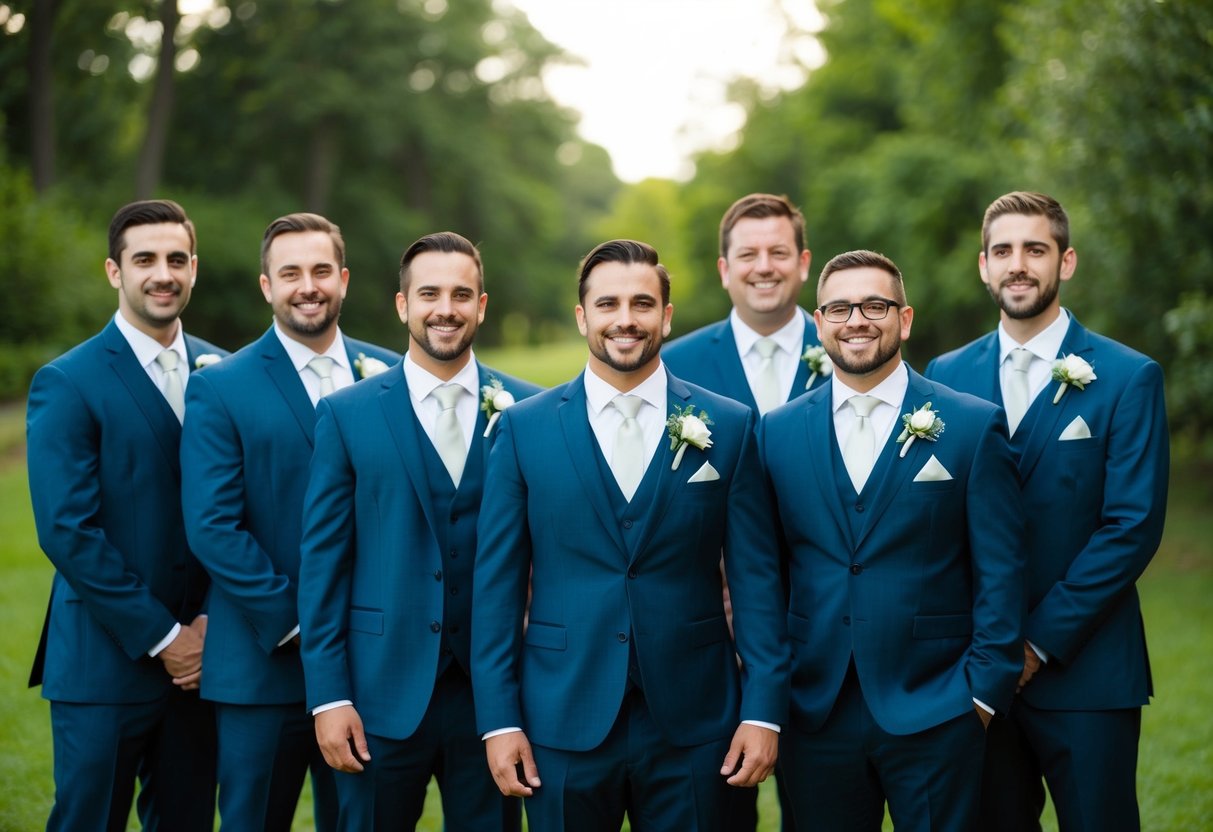
As the groom’s closest friend or relative, the best man not only stands by his side but also takes charge of various tasks like organizing the bachelor party and making the toast. Groomsmen, on the other hand, support both the groom and the best man.
They help ensure everything runs smoothly on the big day, making each member an essential part of the celebration.
Knowing the difference between these roles can help you choose the right people for your wedding party. Whether you’re the groom or part of the planning process, understanding these positions adds clarity and excitement to your wedding preparations.
Roles and Responsibilities

Understanding the roles and responsibilities of a best man and groomsmen is key to ensuring a smooth and enjoyable wedding day. Both positions are important, but they come with different duties that help support the groom.
Duties of the Best Man
The best man has specific duties that set him apart. One of the main tasks is to organize the bachelor party. This is a fun way to celebrate with the groom before the big day.
You’ll also need to ensure that the groom has everything he needs on the wedding day. This includes holding onto the rings during the ceremony.
Often, the best man is responsible for giving a toast at the reception. This is a chance to celebrate the couple and share a few heartfelt words.
A best man should also provide emotional support. Weddings can be stressful, and your role is to help the groom stay calm and collected.
Responsibilities of Groomsmen
Groomsmen play a supportive role, assisting the best man in various tasks. One of your primary responsibilities is to participate in pre-wedding events, such as the rehearsal dinner and bachelor party.
On the wedding day, groomsmen help with logistics. This includes getting ready on time and making sure everyone is where they need to be.
You’ll also likely assist with any errands the groom may need help with.
Additionally, groomsmen are there to uplift the groom. Offering emotional support during this significant day can be invaluable. Your presence and encouragement keep the atmosphere positive and cheerful.
Supporting the Groom
Supporting the groom is at the heart of both roles. Be there for him every step of the way. Whether it’s helping with wedding planning or calming his nerves, your involvement makes a difference.
Check in with him during the days leading up to the wedding. Open communication can reduce stress and help him feel more prepared.
Be ready to listen to his concerns or excitement.
On the wedding day, your role is to ensure that he feels loved and supported. A well-planned celebration is one where the groom can relax and enjoy himself, knowing that his friends have his back.
Pre-Wedding and Wedding Day Activities

You play a vital role in both the pre-wedding events and the wedding day itself. From planning fun activities to ensuring everything runs smoothly, your contributions are essential for a memorable experience.
Pre-Wedding Events
One of your main tasks is to help organize the bachelor party. This event is a chance for the groom to celebrate with friends. You might need to coordinate activities, book locations, and ensure everyone knows the details.
Another important event is the rehearsal dinner. This dinner typically happens the night before the wedding. You will help set up the venue and welcome guests. It’s an opportunity to relax and enjoy a meal before the big day.
Don’t forget about the marriage license. Make sure the groom has it ready to go. This document is crucial for the wedding to be legal.
The Big Day: Ceremony and Reception
On the wedding day, you have several responsibilities. Start by making sure the groom is prepared and calm. Support him with anything he needs, whether it’s getting dressed or helping him with the wedding rings.
During the ceremony, you’ll stand by the groom’s side, showing your support. After the vows, it’s time to celebrate at the wedding reception. Make sure guests are having fun and that things stay on schedule.
You may also need to give a speech. This is your moment to honor the couple and share some heartfelt words with everyone. Keep it light and enjoyable for the guests.
Traditions and Modern Twists
Wedding roles have changed over time, blending historical practices with contemporary values. You’ll find fascinating connections between ancient customs and modern interpretations, especially regarding the best man and groomsmen.
Historical Significance
The best man has deep roots in history. In ancient times, particularly during “marriage by capture,” a best man was often a warrior. He was there to protect the groom from potential threats while ensuring the bride was safely taken.
Groomsmen, or “bride-knights,” were similarly involved in protecting the bride. They played essential roles to safeguard the wedding party.
This tradition of having trusted friends assist the groom remains influential today. The idea of a “stag do” or bachelor party also derives from these early celebrations.
Contemporary Interpretations
In modern weddings, the roles of best man and groomsmen have evolved. While the best man still stands with the groom, his duties now include organizing the bachelor party and keeping the rings safe.
You might notice the inclusion of bridesmen or groomswomen, breaking traditional gender roles. These individuals participate fully in the ceremony, showing that friendships and support come in many forms.
Additionally, the lines between bridesmaids and groomsmen can blur, with couples choosing to have mixed stands at the altar. This reflects today’s values of equality and inclusiveness, making ceremonies more personal and relatable.
Attire and Presentation
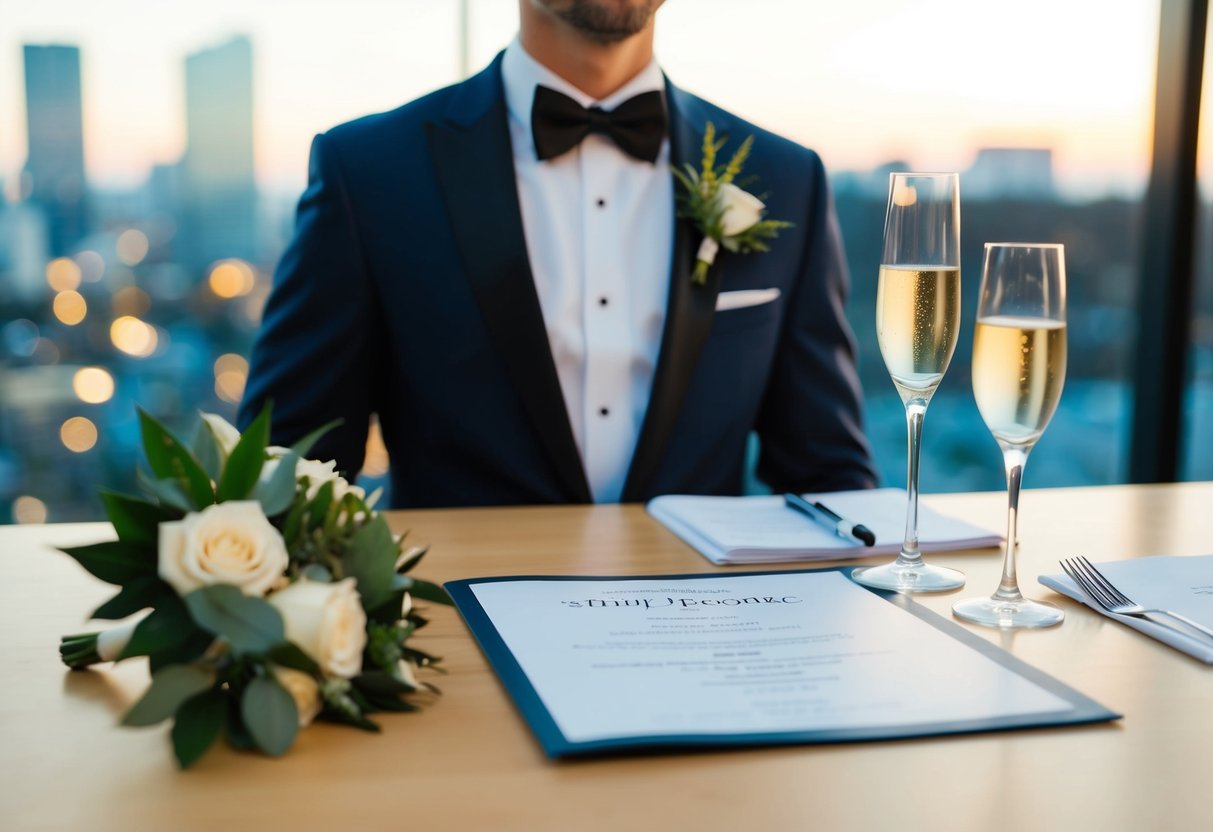
When it comes to weddings, attire and presentation are key components for both the best man and groomsmen. Your choice of clothing not only reflects the celebration’s style but also your connection to the groom. Additionally, delivering a memorable best man speech adds a personal touch to the event that guests will remember.
Dressing for the Occasion
As the best man, your attire should complement the groom’s outfit while standing out just enough. You want to look polished and cohesive with the rest of the wedding party, including groomsmen and ushers.
- Suit or Tuxedo: Choose a suit or tuxedo that matches the formality of the wedding. If the groom wears a tux, you should as well.
- Color and Accessories: Often, the best man may wear a slightly different color or style in his attire. You might add a unique boutonniere or special cufflinks to set yourself apart.
- Shoes: Make sure your shoes are clean and complement your outfit. Proper footwear is crucial for looking sharp.
Your goal is to present a sophisticated appearance while celebrating your friendship with the groom.
Delivering a Memorable Best Man Speech
Your speech is a chance to shine and celebrate the couple. A well-prepared speech can be heartfelt, funny, and touching.
- Structure:
- Start with a warm welcome.
- Share a sweet or funny story about the groom, perhaps involving moments you’ve shared together.
- Finish with well-wishes for the couple.
- Length:
- Aim for around 2-5 minutes. This is enough time to engage guests without dragging on.
- Practice:
- Rehearse your speech to feel comfortable when delivering it.
- Speaking from the heart is often more impactful than memorizing every word.
Your speech is a vital part of the celebration. It will help create lasting memories for everyone in attendance, including family and friends.