
Is a Destination Wedding Cheaper Than a Local Wedding? Cost Guide
A destination wedding can cost less for you when a smaller guest list and a bundled venue package keep event expenses below a local celebration, even after you add your own travel and lodging. The difference comes down to what each estimate includes: a package price may cover the ceremony and reception, while a local wedding budget may include a much larger guest count.

Start by listing the costs you and your guests would pay in each plan, then compare quotes with the same guest count and event details. You can begin with a simple budget and adjust it as your plans take shape.
What Do Destination and Local Weddings Typically Cost?
A destination wedding package can start below the cost of a full local celebration, though the figures are only useful when you compare the same expenses. For a first estimate, think in broad ranges and check whether travel, lodging, and extra events are included.

How Much Does a Destination Wedding Cost?
A destination wedding package may fall near $5,000 to $10,000 for a smaller celebration, while larger events and added services can push the price above that range. Some estimates put the average cost of a destination wedding near $10,000, but the figure can describe a package or a wider wedding experience.
When you ask, “how much does a destination wedding cost,” check whether the quote covers the couple’s flights and stay, guest meals, reception, taxes, and service fees. If the price describes only the wedding package, your full destination wedding cost will be higher once you add the trip.
What Is the Average Cost of a Local Wedding?
For a U.S. wedding at home, published estimates commonly place traditional wedding costs around $30,000 to $36,000. That average can rise with a large guest list, a high-cost city, or a venue that requires separate catering and rentals.
Your own traditional wedding cost might come in well below that range if you choose a smaller event or a lower-cost venue. A realistic wedding budget starts with your guest count and priorities, then sets limits for each major expense.
Why Do Destination Wedding Cost Estimates Vary?
Destination wedding estimates vary because some count only the ceremony and reception while others include lodging, flights, and a honeymoon stay. Location, season, guest count, and package upgrades also change the price.
| Cost measure | Destination wedding | Local wedding |
|---|---|---|
| Common starting estimate | $5,000-$10,000 | $30,000-$36,000 |
| Guest count | Often smaller | Often larger |
| Travel for the couple | Add flights and lodging | Usually limited |
| Package includes | Venue and selected services | Depends on vendor contracts |
Use the ranges as a starting point, not a promise. A destination wedding estimate and a local estimate only make a fair comparison when they include the same parts of the event.
What Goes Into Each Wedding Budget?
A destination wedding budget often groups several event services into one wedding package, while a local wedding budget may list each vendor and rental separately. Read the details line by line so you know which expenses are covered and which remain yours.

What Does a Destination Wedding Package Usually Include?
A destination wedding package may include the ceremony site, basic décor, an officiant, a meal, and drinks for a set number of guests. Some destination wedding packages add a cake, flowers, music, photography, or a planner.
The exact list depends on the venue and package tier. An all-inclusive destination wedding can make budgeting easier because several services come under one contract.
Check the included guest count, private-event rules, time limits, and upgrade prices before you treat the package price as your full wedding budget.
Which Expenses Are Usually Separate for a Local Wedding?
For a local wedding, you may pay separate contracts for the venue, caterer, rentals, florist, photographer, music, and officiant. Your wedding budget breakdown should also include attire, invitations, transportation, tips, taxes, and any setup or cleanup charges.
Some venues bundle food or basic rentals, so review each quote instead of assuming every service is separate. A wedding budget allocation plan can help you reserve money for the expenses that matter most to you.
How Should You Compare Wedding Budget Breakdowns?
Compare the same guest count and event length, then list the package or vendor price beside each included service. Add a separate line for every extra you would need to match the other option, such as a private reception, upgraded meal, or additional décor.
For a useful destination wedding budget breakdown, include the couple’s travel and lodging alongside event expenses. For a local wedding, include vendor fees and rentals that a destination package may already cover.
Keep guest travel separate from your personal wedding budget unless you plan to pay for it.
Where Can a Destination Wedding Save You Money?
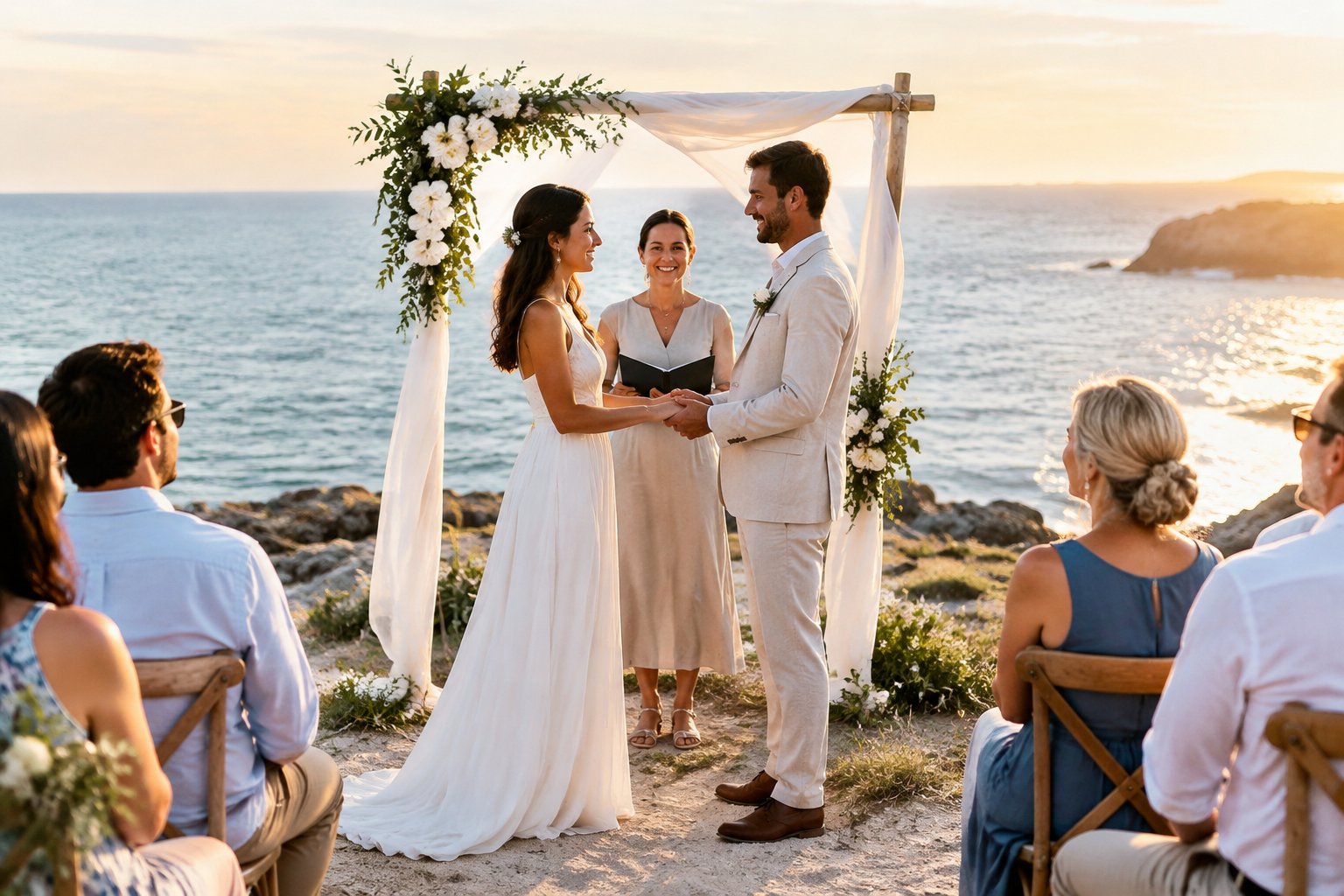
A destination wedding can lower your event spending when you invite fewer people, choose a package with useful inclusions, and let the setting provide much of the visual impact. These savings come from the structure of the wedding, not from the location alone.
How Does a Smaller Guest List Affect Costs?
A smaller guest list reduces per-person expenses such as meals, drinks, favors, and seating. It also gives you more control over the size of the reception and the amount of space you need.
Destination weddings tend to bring a more intimate group because guests must make travel plans. That can suit your priorities if you want a close gathering, though it also means some loved ones may be unable to attend.
The average destination wedding size is a useful reference when you begin estimating your headcount.
Can Bundled Packages Reduce Venue and Catering Expenses?
Bundled destination wedding packages can reduce the number of separate contracts you manage and give you a set price for the ceremony and reception. A package is a stronger value when you would have paid for its included services anyway.
Read the package details for guest limits, menu choices, bar hours, and added fees. A low starting price may cover a simple ceremony, with a private reception or extra guests priced separately.
Compare the full wedding expenses against individual local quotes before choosing.
How Can Scenery and a Built-In Honeymoon Stretch Your Budget?
A beach, garden, or mountain view can provide a striking ceremony setting with fewer décor purchases. Local flowers and venue furnishings may also reduce the amount you need to bring or rent.
If you plan to honeymoon at the destination, compare the cost of extending your stay with the cost of booking a separate trip later. Include extra nights, meals, activities, and any room upgrade in your destination wedding budget so the wedding and honeymoon remain clear in your totals.
What Extra Costs Can Change the Comparison?
Travel, lodging, and additional events can erase some of the apparent savings in a destination wedding cost estimate. Add these expenses to your own budget and give guests clear information about the costs they will face.
How Much Should You Budget for Travel and Lodging?
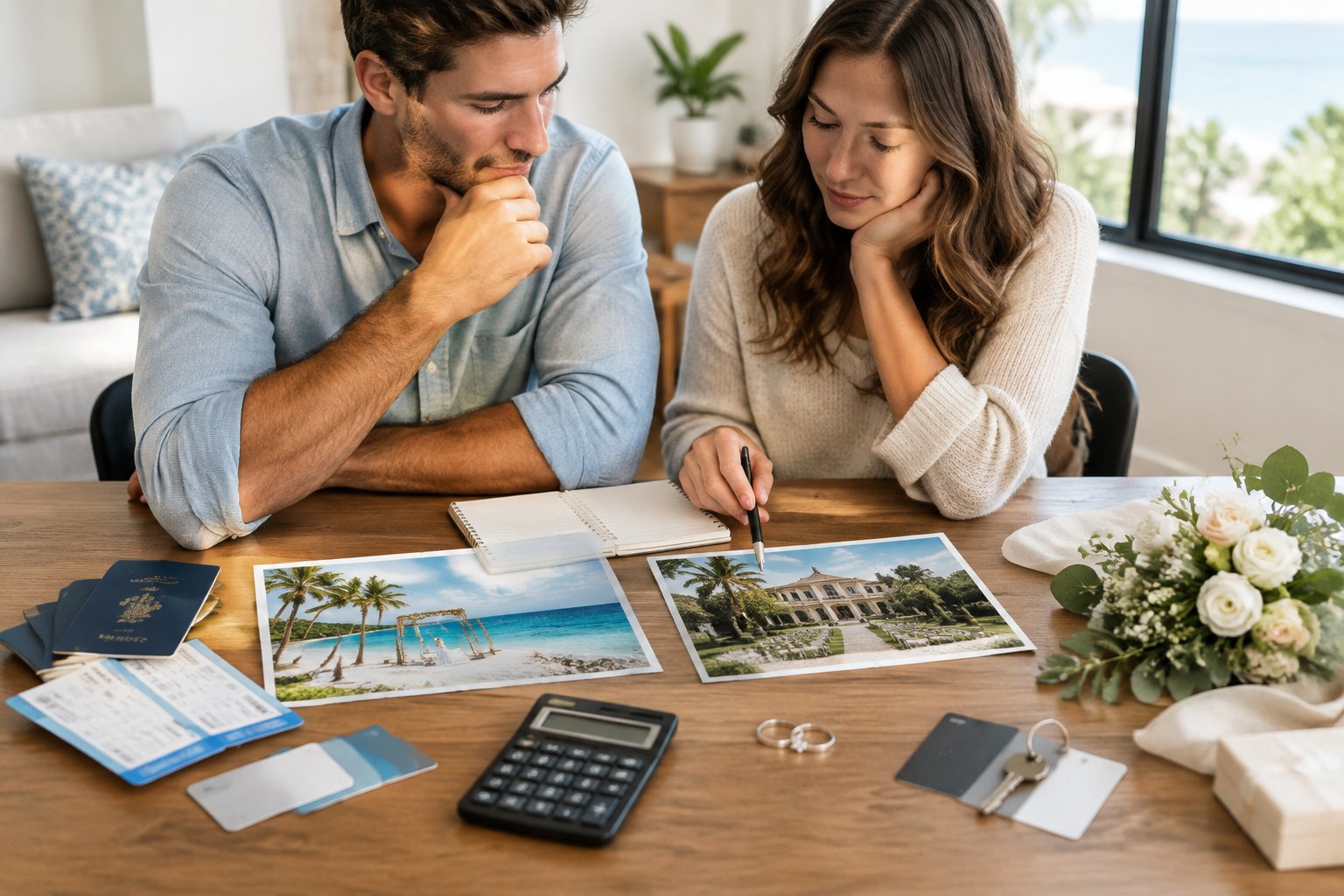
Price flights and lodging for the dates you are considering, then include airport transfers, baggage, meals outside the package, and local transportation. Rates shift with destination, season, and booking lead time, so use current quotes instead of a general travel estimate.
You may also need to arrive early for a ceremony rehearsal or stay an extra night after the wedding. Add those nights to the couple’s travel budget, and include travel insurance if you decide it fits your plans.
What Do Multi-Day Events and Vendor Fees Add?
A welcome gathering, rehearsal dinner, or farewell brunch adds food, drinks, and possibly a private venue fee. Extra services such as upgraded décor, live music, longer photography coverage, and a private reception can also raise the destination wedding budget.
Ask the venue for a written list of service charges, taxes, vendor rules, and outside-vendor fees. For a local wedding, review overtime rates, delivery, setup, and cleanup charges in the same way.
Keep a small reserve for costs that appear after you confirm your guest count.
Who Pays for Guests’ Travel and Accommodation?
Guests commonly pay for their own flights and lodging, while you pay for the wedding events you host. You can choose to help close relatives or wedding-party members with some costs, but include that help as a planned expense.
Share travel dates, room options, and booking deadlines early so guests can decide whether the trip fits their budget. A clear note about what guests pay for at destination weddings can help set expectations without making assumptions about each person’s finances.
How Can You Decide Which Option Fits Your Budget?
Choose the option that fits your priorities after you compare complete costs for the same guest count, event length, and services. A destination wedding package may suit a smaller celebration, while a local wedding can offer better value if most guests live nearby or you want a larger gathering.
How Do You Compare Total Costs on Equal Terms?
Build a destination wedding budget breakdown and a local wedding budget breakdown with matching categories. Include venue, food, drinks, décor, photography, attire, transportation, lodging, taxes, and any extra events.
For each estimate, mark which costs you pay, which guests pay, and which services are already included. Include a honeymoon only if you are comparing it on both sides.
This method helps you judge the wedding budget as a whole instead of comparing a package price with a full local event.
When Is a Local Wedding the Better Value?
A local wedding may be the better value when most of your guests live nearby, you want a large guest list, or you already have access to an affordable venue. It also keeps travel simple for guests who cannot take extra time off or spend money on a trip.
A smaller local event can still create substantial savings through a community venue, a weekday date, or a limited menu. Compare those choices with the destination option before deciding that travel will lower your costs.
What Should You Confirm Before Booking a Package?
Before you sign, ask for the full price in writing and confirm the package’s guest limit, ceremony details, meal and bar service, vendor choices, and payment dates. Check the cancellation terms and ask how taxes, service charges, and upgrades affect the final bill.
Then confirm the room-block terms, transport needs, and legal steps for your chosen location. Use those answers to update your wedding budget, and compare the final destination wedding package against local quotes with the same services included. If you are weighing both options, a local-versus-destination wedding decision guide can help you organize your priorities.