
Men’s Wedding Band Cost: 2026 Price Guide
A men’s wedding band can cost anywhere from a couple hundred dollars to several thousand, with simple gold and alternative-metal styles giving you plenty of options at different price points. In the U.S., men’s wedding band cost commonly falls between $200 and $2,500, while a straightforward gold band often costs around $400 to $1,000.
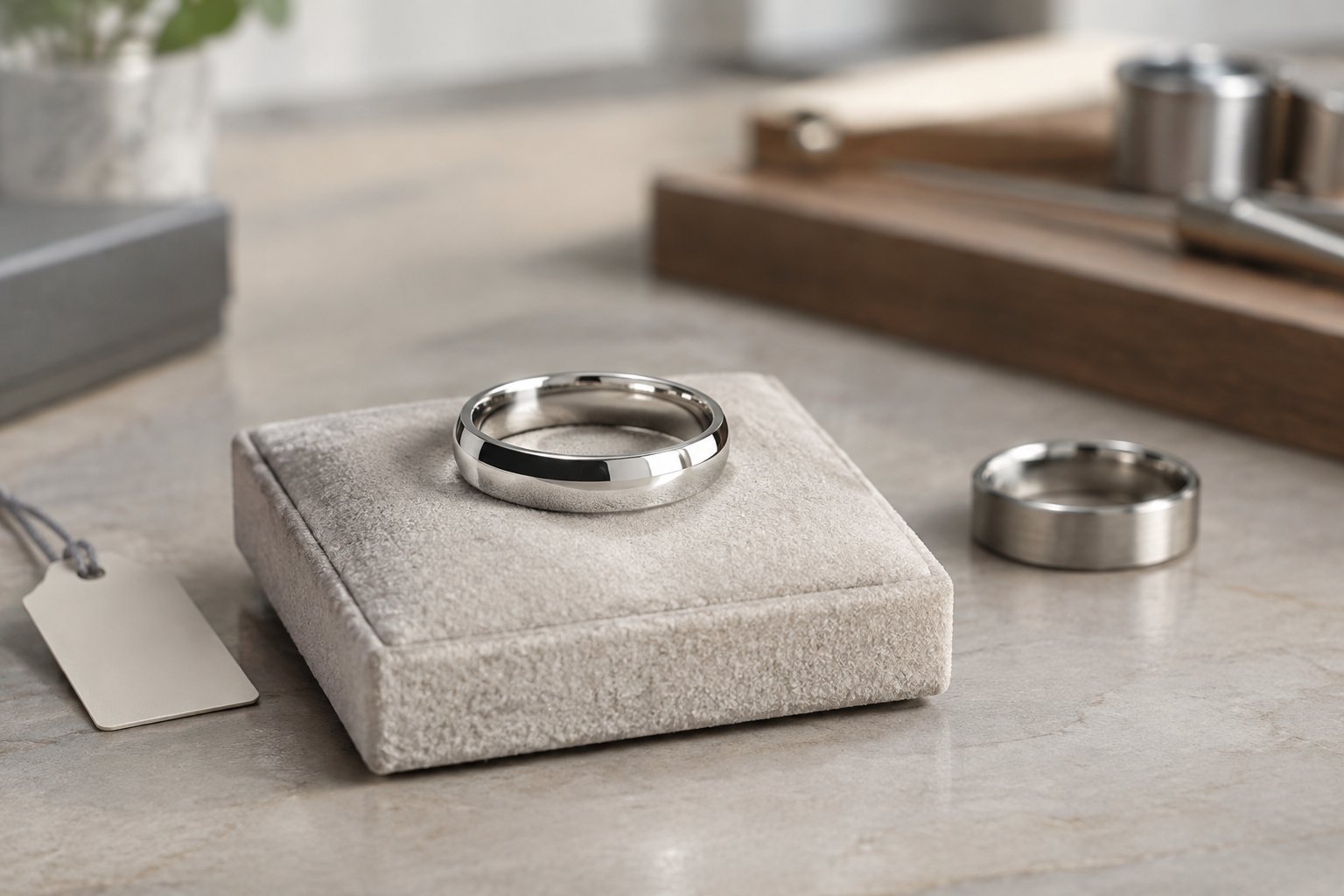
Your budget can reflect what you value in a ring you’ll wear every day: precious metal, a certain width, a diamond accent, or a comfortable fit. Start by choosing a spending limit that feels right for you, then compare bands that fit it.
How Much Should You Budget for a Wedding Band?
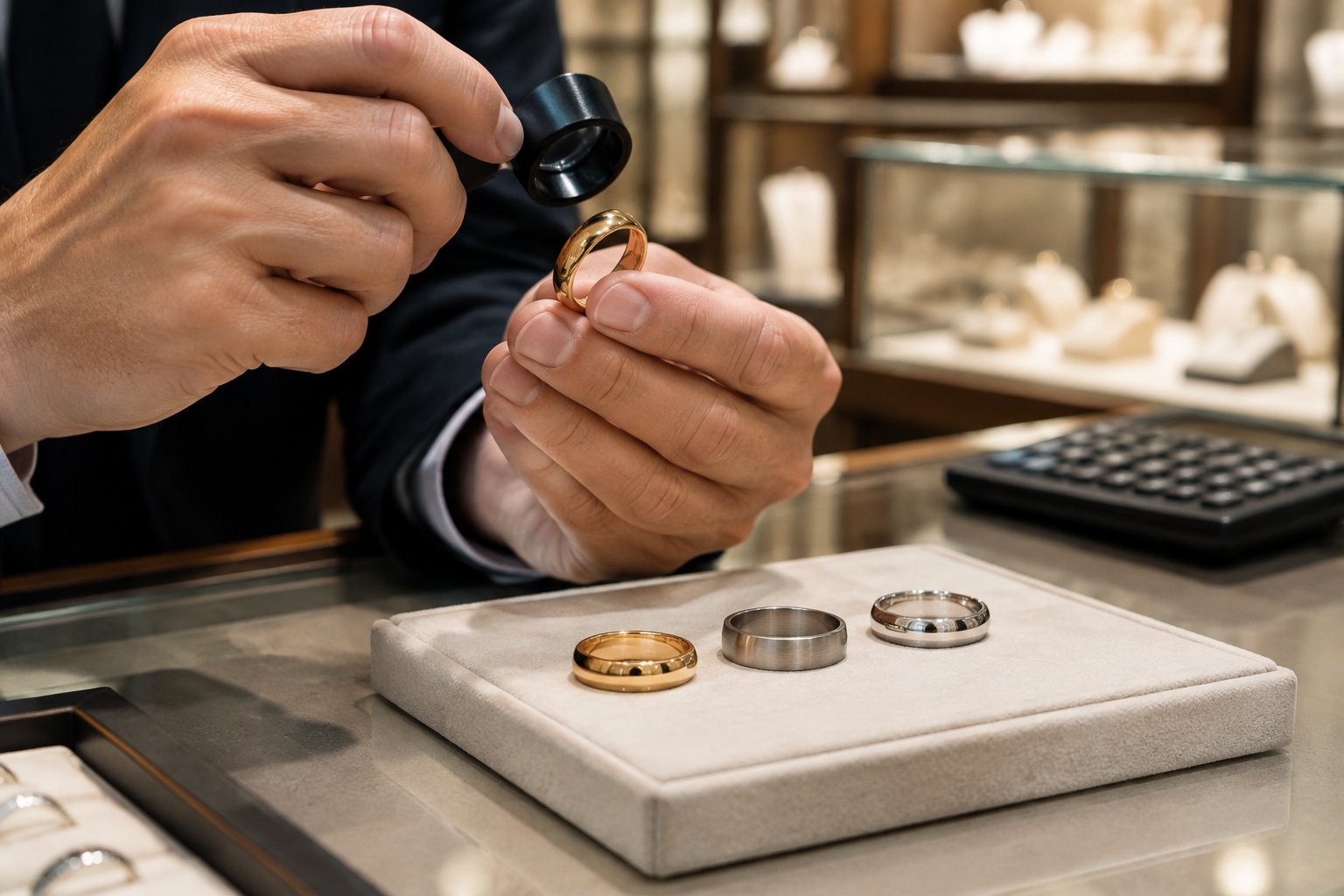
A budget of $400 to $1,000 gives you a solid starting point for a classic men’s wedding ring in gold, with lower-cost and luxury choices available outside that range. Prices shift with metal, weight, design, and retailer, so use estimates as a guide while comparing similar rings.
What Is the Typical Price Range?
You can find simple alternative-metal bands for roughly $100 to $600, while classic gold and platinum styles often fall around $400 to $1,500. Diamond-set, designer, and custom men’s wedding bands can reach several thousand dollars.
For a practical starting estimate, plan around $600 for a straightforward band. If your preference is a particular metal or a wider design, check comparable styles before you settle on a budget. These men’s wedding band cost estimates can give you another reference point as you compare options.
How Do Average and Median Prices Compare?
The average adds all reported prices and divides by the number of rings; the median is the middle price in an ordered list. A widely cited U.S. estimate places the average cost of a men’s wedding band around $600, while a dependable national median is harder to find.
A small number of costly diamond or custom rings can pull an average upward. That makes the median useful when you want to know what a more typical shopper might pay, but many price summaries publish an average without a matching median. Treat the average as a rough benchmark, not a spending target.
Why Do Cost Estimates Vary?
Estimates vary because each one may include a different mix of materials, styles, and retailers. A survey of purchased rings may also produce a different figure from a store’s current list prices.
Before comparing prices, match the details: metal purity, width, ring size, finish, and stone setting. A good wedding band budget starts with the features you want and the amount you’re comfortable spending.
How Do Materials Affect the Price?
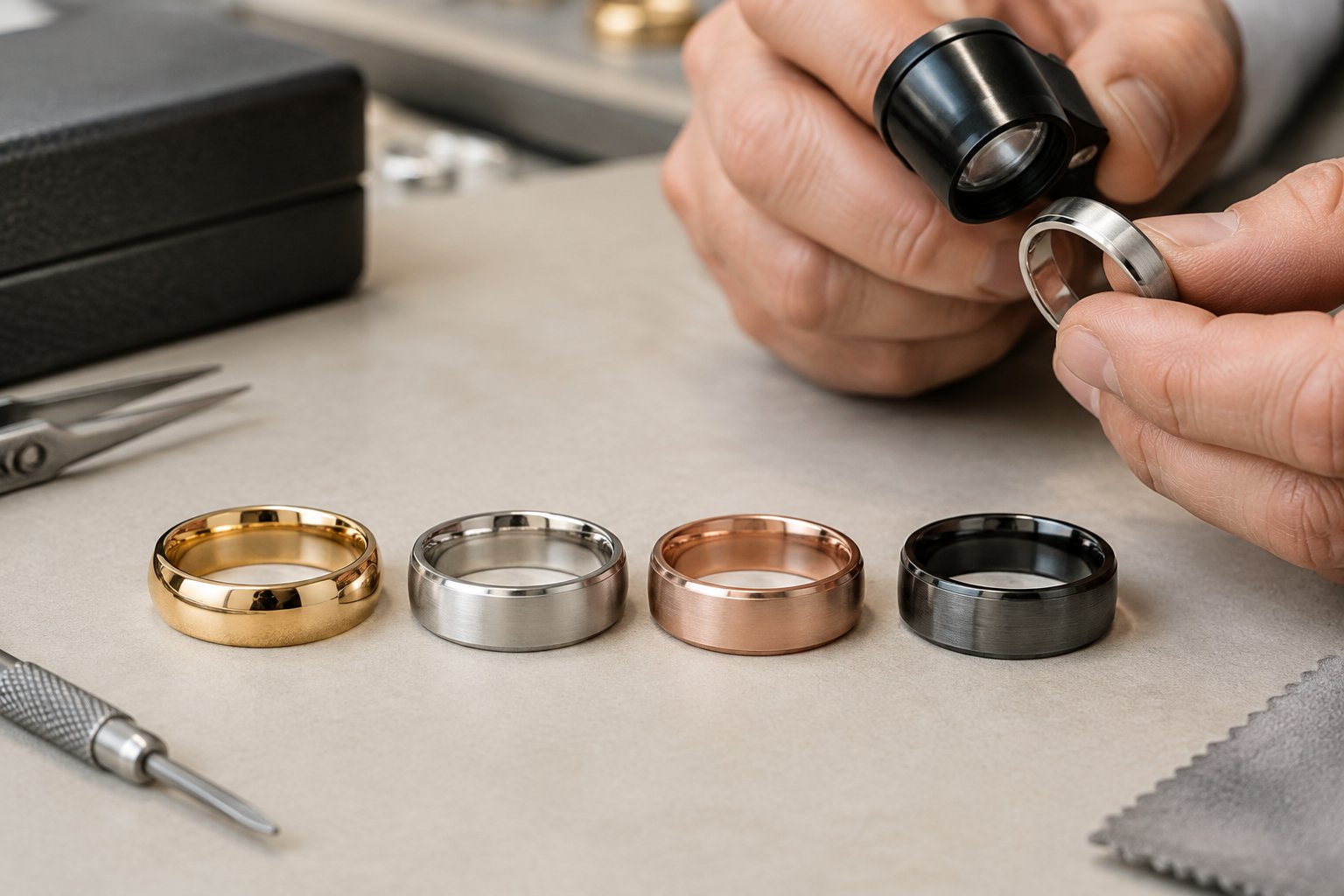
The metal is one of the biggest influences on your ring’s price, weight, and care needs. Gold and platinum sit at the higher end, while titanium, tungsten, and stainless steel offer lower-priced choices with different resizing options.
What Do Gold and Platinum Bands Cost?
A simple 14k gold band often costs about $400 to $1,500, depending on its width, weight, and design. An 18k band can cost more because it contains a higher share of gold. You can compare current gold wedding band prices by looking at rings with similar widths and karats.
Platinum bands often start around $1,000 and can exceed $2,500 for heavier or more detailed designs. Platinum is dense, so the same size band can use more metal by weight than a gold ring. Your final price also reflects the work needed to shape and finish it.
How Much Can Alternative Metals Save?
Titanium, tungsten, and stainless steel bands can cost roughly $100 to $600, with some designs priced higher for inlays or custom details. That can save you several hundred dollars compared with a gold or platinum band.
Each metal has different trade-offs. Titanium feels light, while tungsten resists scratches but is difficult to resize. Check the retailer’s exchange policy before you buy a hard-to-resize band, especially if you’re unsure of your ring size.
Which Materials Suit Different Wear Habits?
Choose a material that fits your daily routine and the care you’re comfortable giving it. Gold and platinum are common choices when you want a precious metal that a jeweler can resize in many designs.
Alternative metals suit you if you prefer a lower price or a particular feel, though repairs and resizing options differ by material. If your work involves frequent hand use, ask how the metal handles scratches and whether the finish can be renewed. A polished surface makes marks easier to see, while brushed or textured finishes help soften their appearance.
What Features Can Raise the Price?
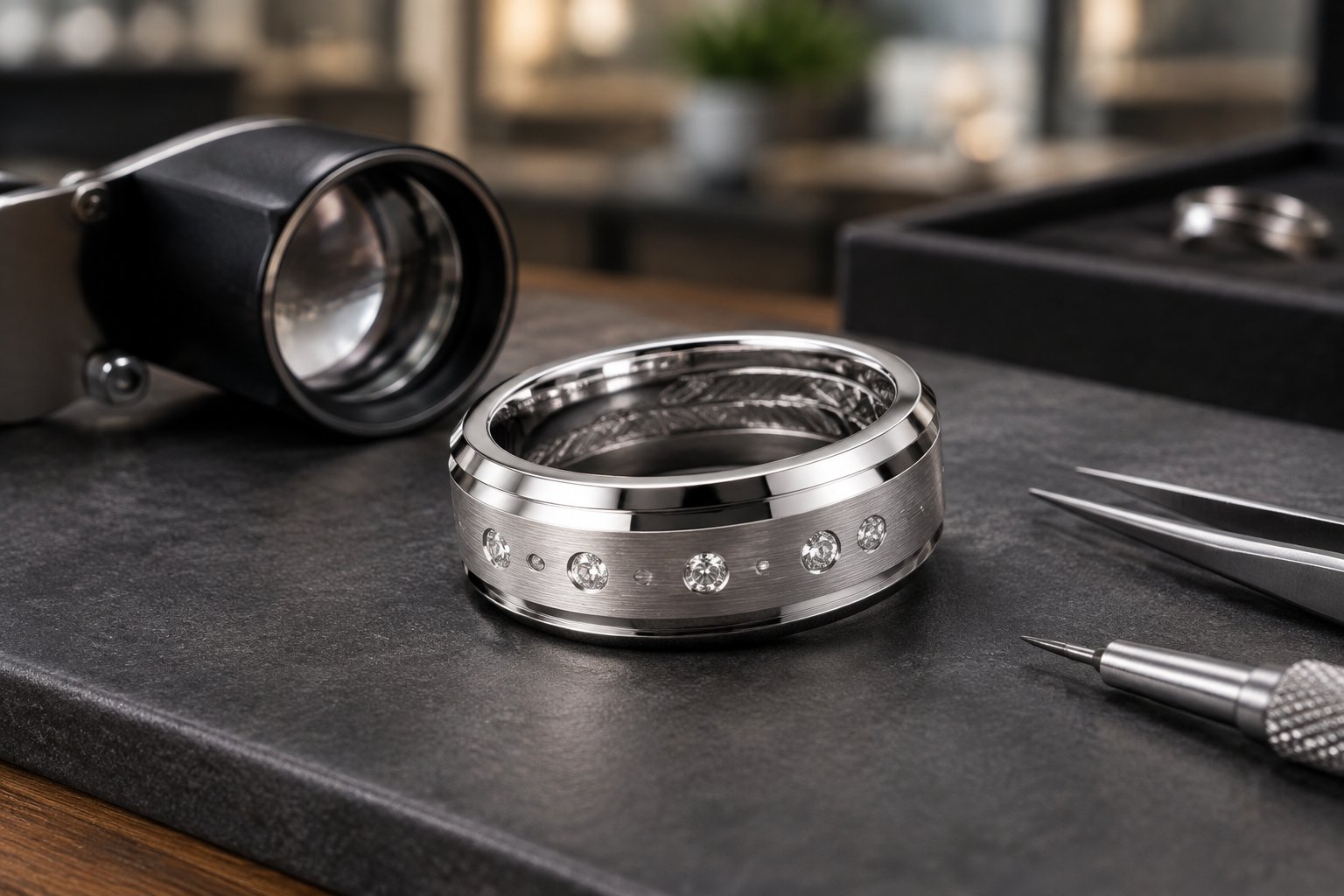
A wider band, added stones, and custom details can all raise the price by adding material or labor. Comparing similar rings helps you see which features account for the difference.
How Do Width, Finish, and Customization Affect Cost?
A wider band uses more metal, so a 7mm or 8mm ring often costs more than a similar 4mm or 5mm design. Width also changes how the ring feels on your finger. Try on different widths if you can, since a broad band may feel snugger than a narrow one in the same size.
Finishes such as brushed, hammered, or mixed polish add design work, while custom engraving or a made-to-order shape adds labor. A comfort-fit interior can also add to the price because it requires extra shaping. When you compare why men’s wedding rings can cost more, look at these details alongside the metal.
How Much Do Diamonds Add?
Diamonds raise the price based on their number, size, quality, and setting. A small accent can add less than a row of stones, while a band with diamonds around much of its surface can cost several thousand dollars.
The setting also affects labor and care. Ask how securely stones are held and whether the ring’s design allows future repairs. If you like the look of a diamond, compare a single accent with a multi-stone style to see how each fits your budget.
Can Lab-Grown Diamonds Lower the Price?
Lab-grown diamonds can lower the cost of a diamond-set band compared with a similar design using natural diamonds. They share the same basic diamond material, while origin and market pricing differ.
Compare the diamond details and the total ring price, including the setting. Ask the seller to state clearly whether the stones are lab-grown, and review the grading information provided for them.
How Can You Find the Best Value?
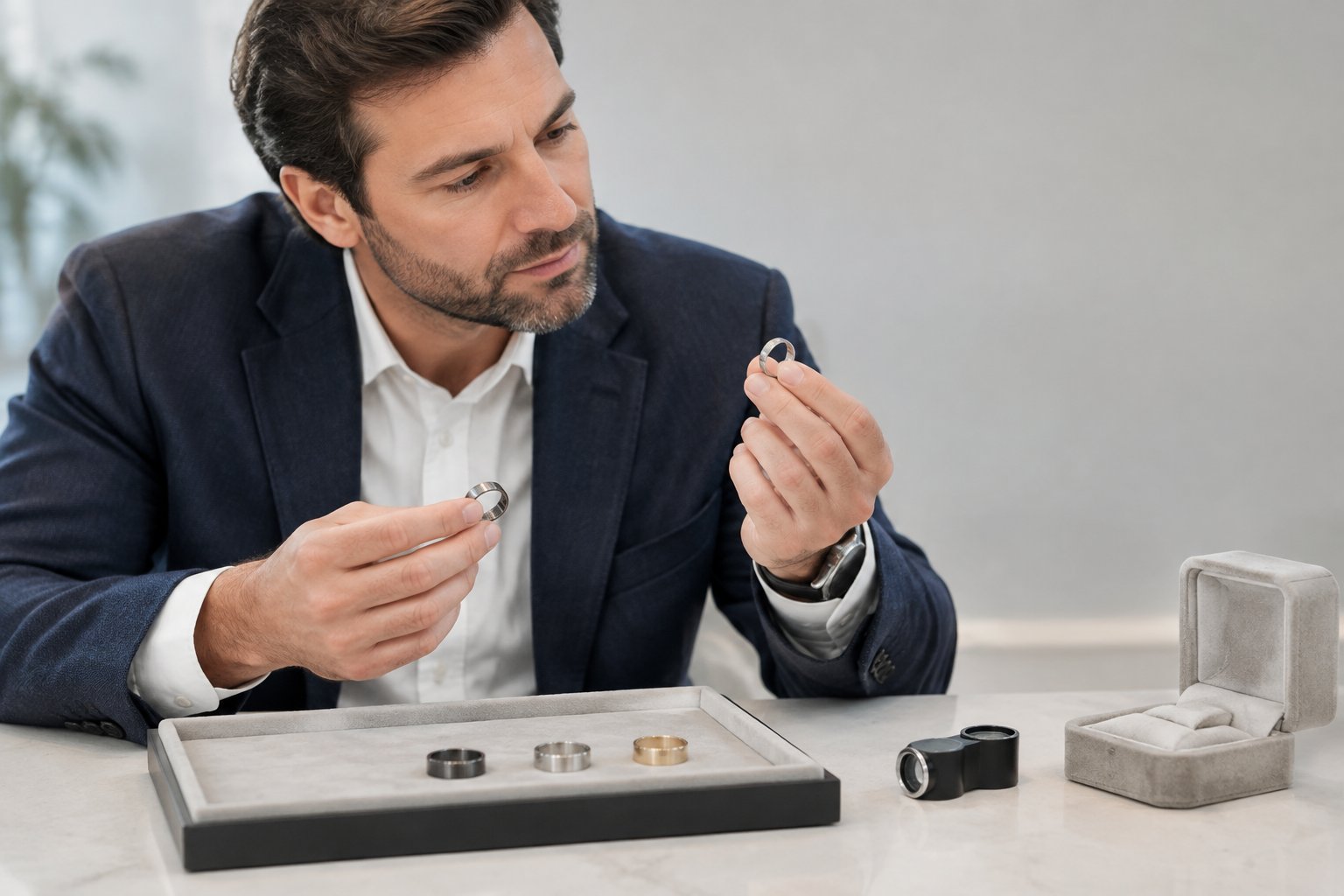
You’ll find better value by prioritizing the features that affect comfort and long-term wear, then comparing like-for-like prices. A clear budget and a careful look at service costs help you avoid paying extra for details you don’t want.
When Is It Worth Spending More?
Spending more can make sense when you want a precious metal, a particular level of craftsmanship, or a custom design that fits your style. A ring you wear daily should feel comfortable, so a careful fit and smooth finish may be worth prioritizing over decorative extras.
If you choose gold or platinum, consider how the ring can be maintained over time. Check what care the jeweler offers and whether resizing or refinishing is available for your design.
Where Can You Save Without Sacrificing Fit or Quality?
You can save by choosing a simpler design, a narrower band, or an alternative metal that suits your preferences. A plain band can still have a polished look, and a brushed finish adds texture without stones or complex detailing.
Compare several rings with the same metal, width, and finish before deciding. These wedding ring shopping tips can help you keep the comparison focused on details that affect fit and price. You can also ask whether engraving, cleaning, or resizing is included.
What Extra Costs Should You Plan For?
Your purchase total may include sales tax, shipping, engraving, resizing, or insurance. Some costs are paid at checkout, while others come up after the ring arrives or as you arrange care.
Check which services are included in the price and get any extra charges in writing. If you’re buying a ring that can’t be resized easily, factor in the retailer’s exchange terms before placing your order.
What Should You Check When Shopping Online?
When you buy a men’s wedding band online, check the full product details, sizing guidance, return terms, and material information before paying. A clear listing helps you compare the price with the ring you’ll receive.
How Can You Compare Prices and Policies?
Compare rings with the same metal, purity, width, and stone details. Check whether the listed price includes engraving or other services, and review shipping fees, delivery timing, and return windows before ordering.
Look for clear product photos and written descriptions of the finish and construction. You can also compare the cost of wedding bands across styles to see whether a price difference comes from a specific feature.
What Should You Know About Sizing and Resizing?
Get sized by a jeweler when possible, especially if you’re ordering a wide band. Finger size can change with temperature and time of day, so ask the retailer how its sizing guide works and whether a sizing exchange is available.
Gold and platinum bands can often be resized, depending on the design. Tungsten and titanium rings are difficult or impossible to resize, so review the exchange policy before choosing one. Designs with stones around the full band can also limit resizing options.
How Can You Verify Materials and Warranties?
Check that the listing names the metal and its purity, such as 14k gold, and states whether any diamonds are natural or lab-grown. Ask for documentation or a clear written description if a material claim is unclear.
Read the warranty terms for coverage, duration, and exclusions. Confirm how the seller handles defects, repairs, and routine care, then save your receipt and product details with your order.