
Mountain Wedding Venues for Sale: 2026 Buyer’s Guide
Mountain wedding venues for sale include working farms, ranches, estates, vineyards, inns, and lodges with event spaces and scenic acreage. Your best fit is a property with permitted event use, a guest experience couples want, and financial records that support its asking price.
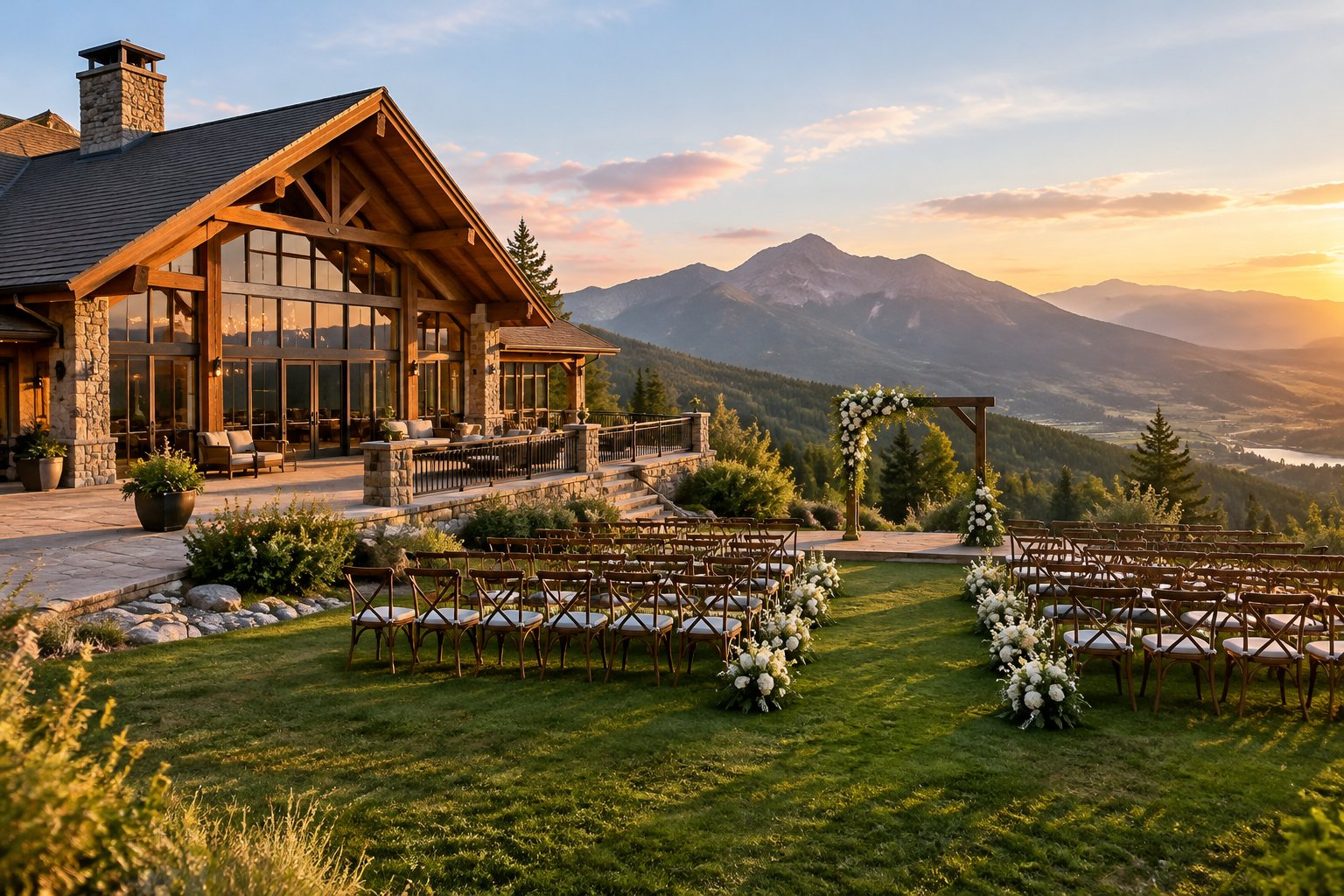
A mountain backdrop can help your venue stand out, while steep roads, short booking seasons, and high maintenance costs shape how you run it. Start by setting your budget and deciding what you want to operate, then arrange property tours with a commercial real estate broker who knows event businesses.
What Types of Mountain Properties Are on the Market?
Mountain wedding properties range from event-focused farms to full-service inns, with each type bringing different assets and operating needs. Compare the event spaces, lodging, land, and existing business records before deciding which model fits your plans.
How Do Estates and Farms Compare With Wineries?
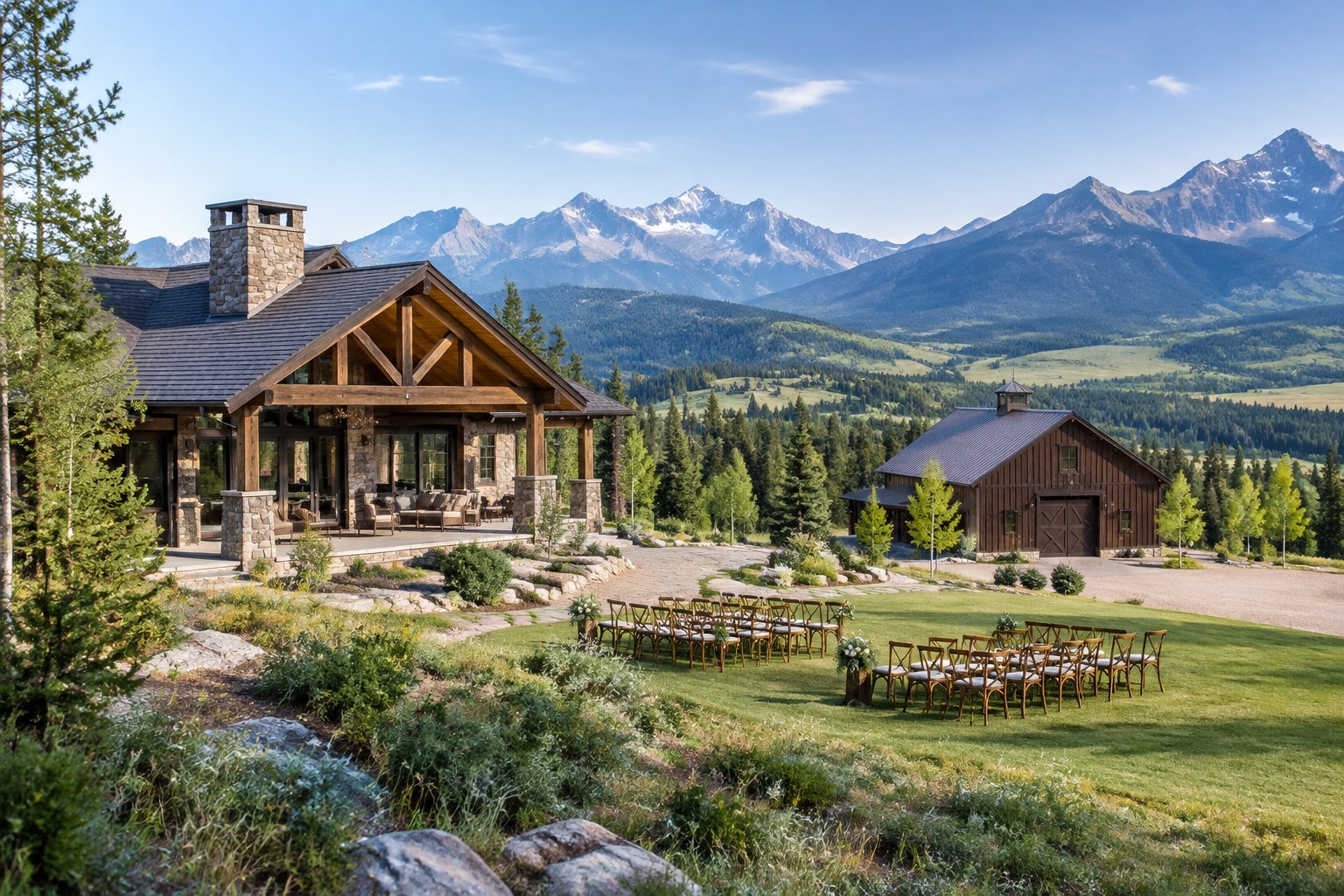
Estates and farms offer flexible outdoor space and room for ceremony sites, receptions, and guest activities. You might find a barn, a manor house, pastures, gardens, or wooded trails on one property. Review the condition of every building and confirm that the advertised guest capacity matches the permitted occupancy.
A farm venue may include working land or livestock, which adds equipment and daily care to your operating plan. An estate may need significant upkeep for historic buildings and landscaped grounds. If you are comparing a farm with a barn-based event business, review the distinct features of barn wedding venues for sale.
A winery combines event space with vineyard operations, wine production, and tasting experiences. That adds opportunities for sales and events beyond weddings, along with licensing, labor, and crop management needs. Check whether the vineyard is active, how much equipment transfers, and whether the winery’s permits cover the activities you plan to offer.
What Do Inns and Lodges Add to a Venue Business?
An inn or lodge adds guest rooms and hospitality income to wedding bookings. On-site lodging can make a destination wedding easier to plan and give guests a place to stay close to the celebration.
Confirm the approved sleeping capacity, the condition of rooms, and how bookings are managed. Ask for room-night revenue and occupancy records, along with event contracts and deposits. A property promoted as a wedding venue still needs the right lodging approvals for its accommodations.
How Much Do Mountain Wedding Properties Cost?
Mountain wedding property prices reflect the real estate, venue business, and assets included in the sale. Compare the asking price with verified earnings and the cost of any work required before you host events.
What Affects the Asking Price?
Location, acreage, buildings, event approvals, and booking history all shape an asking price. A turnkey property with a finished reception hall, furnishings, and an established calendar may command more than land with a basic structure. Your price comparison should also account for road access, utilities, and the age of major systems.
Ask the seller to explain how the price breaks down between real estate and business value. Review several years of financial statements, tax records, and signed contracts. Deposits tied to future events come with obligations, so confirm the dates, contract terms, and amount owed to couples after closing.
Your budget should include closing costs, repairs, insurance, property taxes, marketing, and operating reserves. You can compare the property’s asking price with what most wedding venues cost, while keeping in mind that venue listings and consumer rental prices describe different purchases. A luxury wedding venue for sale may include high-value accommodations or finished event spaces, along with higher upkeep and staffing costs.
How Should You Compare Acreage and Included Assets?
Acreage has value when it supports approved event use, guest access, parking, and a memorable setting. A large parcel with steep slopes or protected land may offer less usable space than a smaller site with level lawns and clear access.
Make an asset list for each property. Include buildings, furniture, kitchen equipment, vehicles, booking software, signs, and the venue’s brand. Then compare the usable event area, number of indoor spaces, parking capacity, and lodging rooms. Confirm which items transfer with the sale and which belong to the seller.
How Do You Choose the Right Mountain Location?
Choose a mountain location that combines a strong guest experience with reliable access and enough local demand to support your business. Views can draw couples, while travel time, weather, and nearby lodging affect how smoothly an event runs.
How Do Views, Access, and Weather Affect Weddings?
Views can make a ceremony site memorable, but guests also need safe roads, clear directions, and practical parking. Check the route from major highways and airports, and note steep grades, narrow bridges, and winter road conditions. These details affect vendor deliveries as well as guest arrival.
Mountain weather can change quickly. Your venue needs an indoor backup plan, sheltered walkways, and a clear process for moving an event when outdoor conditions shift. Inspect drainage, retaining walls, and access paths for signs of erosion or runoff. When you compare regions, Blue Ridge mountain wedding venues offer one useful point of reference for the range of scenic settings couples search for.
Think through the experience from arrival to departure. Guests may need shuttle service, nearby hotels, or accessible routes between the ceremony and reception areas. Use a structured approach to choosing a wedding location as you weigh the setting against travel and event logistics.
What Should You Know About Nearby Demand and Competition?
Study the local wedding market before you buy. Review competitor prices, guest capacities, event styles, and online reviews, then check how far couples travel to reach the area. Nearby attractions and lodging options can support destination weddings and weekend events.
Ask the seller for inquiry and booking records by month. This helps you see the busy season, slow periods, and the channels that bring in leads. Look at nearby venues’ calendars and vendor networks to understand whether couples have many alternatives. Your business plan should account for the local wedding season and the time it takes to build a reputation.
What Should You Check Before Making an Offer?
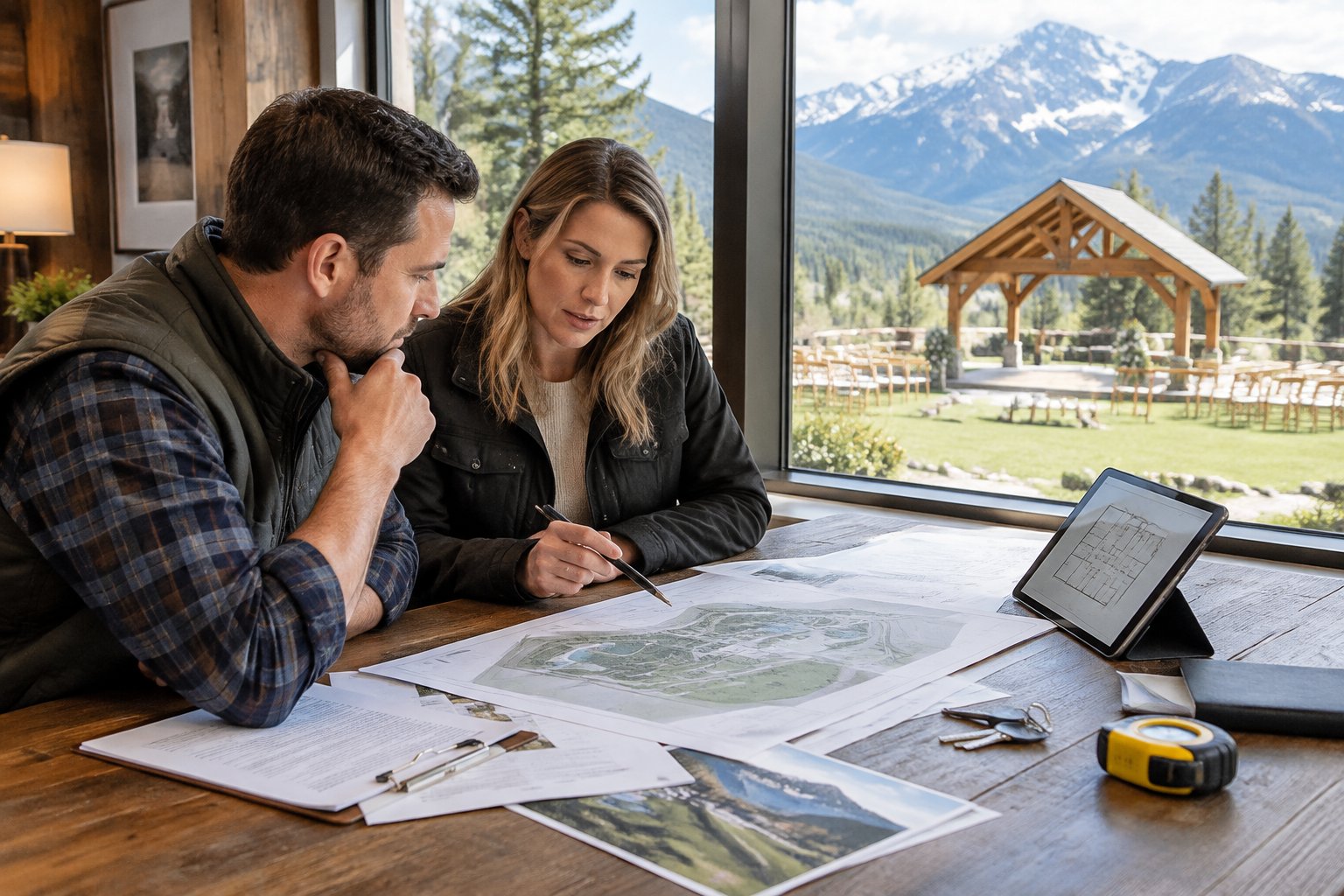
Before you make an offer, verify that the property can legally host the events and guest counts in the listing. Have qualified professionals inspect its buildings, utilities, access, and safety features, then match their findings against the seller’s records.
How Can You Verify Zoning and Event Approvals?
Ask the county planning or zoning office for written confirmation that the property allows weddings and other planned events. Residential or agricultural use alone may not permit a commercial event business. Check approved occupancy, event hours, parking rules, noise limits, and any restrictions on outdoor gatherings.
Review permits for food service, alcohol, lodging, signage, and wastewater where relevant. Confirm whether approvals transfer with the sale or require a new application. If you are weighing event use on a rural parcel, review the questions involved in holding a wedding on your property and confirm the rules with the local authority.
Which Buildings, Utilities, and Site Features Need Inspection?
Hire inspectors to assess the roof, foundation, heating and cooling systems, plumbing, electrical service, and fire safety. For a commercial kitchen, request an equipment review and check whether the layout meets local health requirements.
Mountain properties need close attention to wells, septic systems, drainage, retaining walls, and private roads. Ask for service records and permits, and test water quality if the property uses a well. Have a surveyor confirm property boundaries, easements, and access rights. Get repair estimates for major issues before you set your final offer terms.
How Can the Property Support Year-Round Revenue?
You can build year-round revenue by pairing wedding bookings with lodging, dining, and smaller events that fit the property. Your plan should include realistic staffing, maintenance, and marketing costs for both busy and quiet months.
Can Lodging, Dining, or Wine Sales Diversify Income?
On-site lodging can generate room revenue around weddings and during other travel seasons. You can also consider retreats, family gatherings, and corporate events if the permits and spaces support them. A restaurant, tasting room, or catering operation adds sales opportunities, with added food-service rules and labor needs.
Match each revenue idea to the property’s approved use and local demand. For example, a lodge with guest rooms could suit weekend retreats, while a working vineyard may have potential for tastings and seasonal events. If lodging is part of your plan, compare nearby hotel rates and services with what hotels charge for weddings to assess how your offer fits the market.
What Staffing and Operating Costs Should You Plan For?
Build your operating budget around event setup, cleanup, grounds care, guest services, and routine repairs. You may need an event manager, maintenance staff, housekeepers, and seasonal workers, depending on the property’s services and booking pace.
Include insurance, utilities, taxes, marketing, payroll, supplies, and equipment replacement in your forecasts. Mountain weather can raise heating, snow removal, and road maintenance costs during colder months.
Use the seller’s financial records as a starting point, then update the numbers with current quotes and a calendar of confirmed bookings before committing to the purchase.