
Niagara Winery Wedding Venues: A Planning Guide
Niagara winery wedding venues give you vineyard scenery, regional wine, and a distinctive setting for your ceremony and reception. You can choose a celebration among the vines, in a historic estate, or in an indoor event space, then shape the day around your guest count and budget.
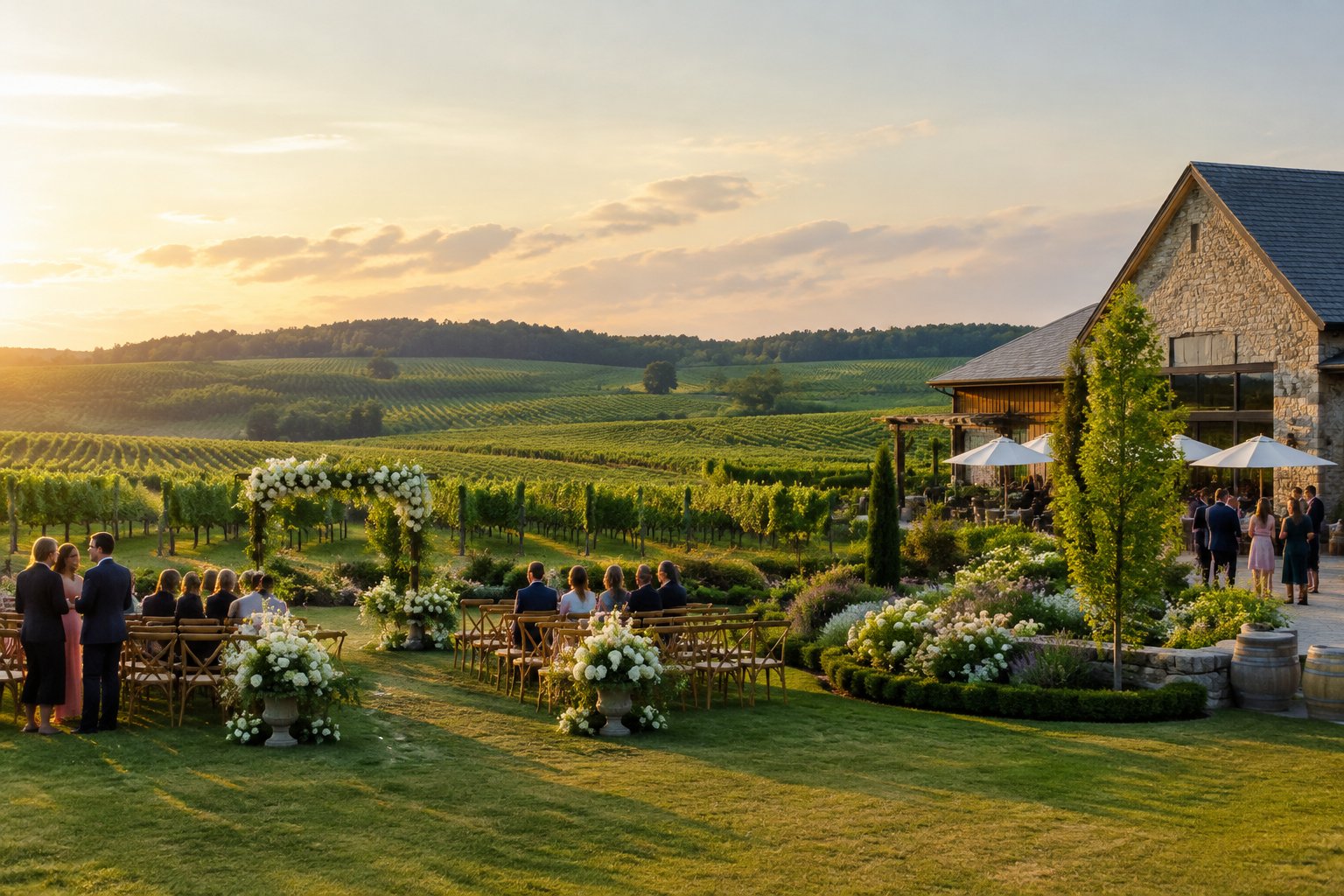
As you compare locations, consider how far your guests will travel, what the venue fee includes, and which spaces work for your wedding date. If you’re ready to start narrowing your options, build a shortlist around your preferred style, guest count, and travel plans.
What Makes Niagara Wine Country a Memorable Wedding Setting?
Niagara wine country pairs vineyard scenery with distinctive local character, giving your wedding a setting that feels connected to the region. Your choice of area shapes the views, guest activities, and travel time.
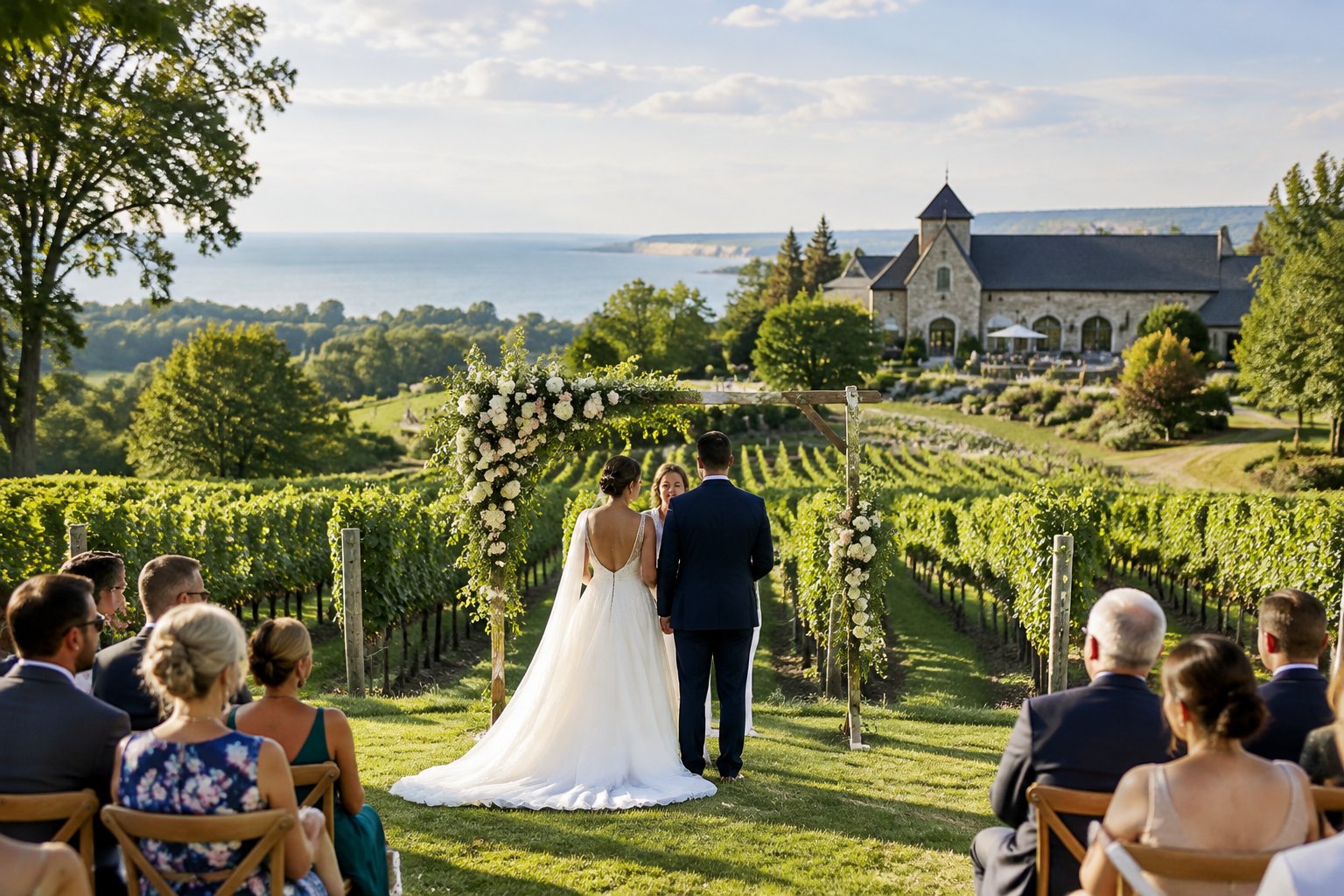
Vine rows, lake views, and heritage properties each create a different mood for your celebration. When you set your priorities, you can use them to choose a wedding location that suits your guest list and plans.
How Do Vineyards, Lake Views, and Historic Estates Shape the Atmosphere?
Vineyards give you an open-air ceremony backdrop, with orderly rows of grapevines and changing colors through the seasons. A tented terrace or garden can create an easy transition from vows to cocktails, while an indoor reception space offers a comfortable place for dinner and dancing.
Lake and waterfront settings bring broad views and sunset light into your day. Historic estates add details such as mature gardens and period architecture, which can suit a formal dinner or a more intimate gathering. As you plan your look, connect the decor and dress code to the venue’s features; a clear wedding style helps your choices feel cohesive.
Which Areas Offer Different Guest Experiences?
Niagara-on-the-Lake combines wine-country scenery with a heritage district, boutique accommodations, and places to explore between wedding events. Niagara Falls offers a major visitor hub with hotels and attractions, while wineries elsewhere in the Niagara region can provide a quieter rural setting.
Your guests’ experience also depends on the distance between their hotel and your venue. If people are traveling from the United States to a winery in Ontario, share the venue’s Canadian address and remind guests to check current border-crossing document requirements. Include time for traffic when you plan travel between hotels, ceremony sites, and reception spaces.
How Do You Choose the Right Winery for Your Wedding?
Choose a winery that fits your guest count, event style, and plans for ceremony and reception spaces. A venue tour can help you check how the rooms, outdoor areas, and guest flow will work on your date.
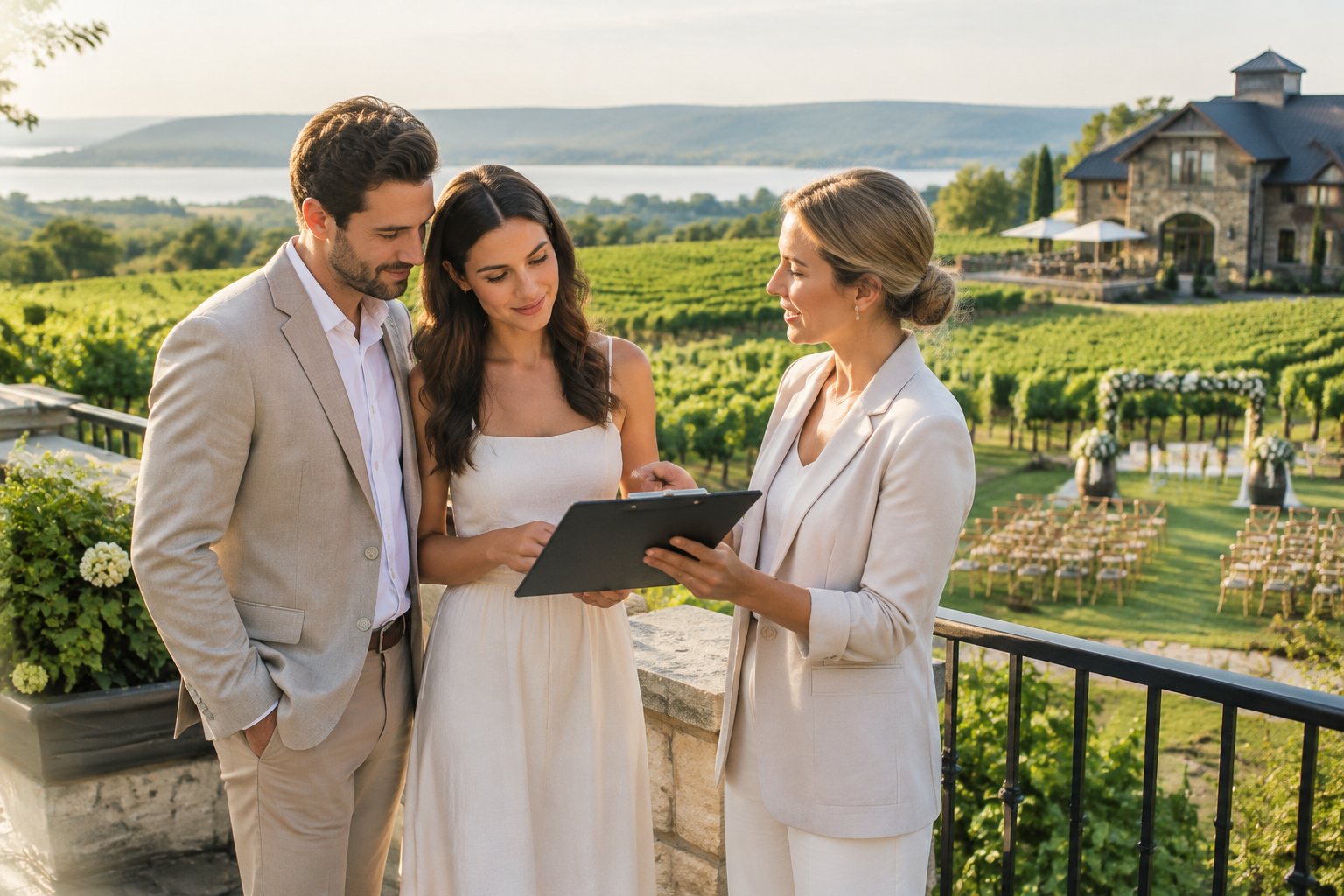
Before you fall for a view, confirm the venue’s capacity and ask what happens if weather changes. Use those details to compare spaces with different layouts and levels of service.
What Venue Styles and Guest Capacities Are Available?
Winery wedding venues range from intimate private rooms to large event spaces, tented terraces, and vineyard lawns. Some properties provide a flexible room you can decorate to match your plans; others have a more defined style, such as a historic estate or modern tasting room.
Capacity can vary by space and event setup. Ask for the seated dinner limit, ceremony limit, and any difference between indoor and outdoor capacities. Also confirm whether the quoted number includes your wedding party, children, and vendors who need a meal.
If you’re working with a tighter budget, compare affordable winery wedding venues and check what each package includes before you compare rental prices.
Can You Host Both the Ceremony and Reception On-Site?
Many winery properties have separate ceremony and reception areas, which lets you keep the main celebration at one location. Ask how guests move between spaces, where cocktail hour takes place, and whether you can use a backup indoor ceremony area.
If the venue offers a vineyard lawn, garden, or pond-side ceremony space, confirm its setup time and any restrictions on decor. Ask whether your photographer can access the grounds for portraits and when. A shared site can simplify your schedule, though you’ll still need to plan transitions for guests with mobility needs.
What Should You Consider About Indoor and Outdoor Spaces?
Check how the indoor room feels at your expected guest count, including space for tables, a dance floor, and a band or DJ. For outdoor events, ask about shade, lighting, power access, restrooms, and the venue’s rain plan.
Request a written weather policy that explains when the venue makes a change and who decides. Find out whether tents, heaters, or extra rentals are included or billed separately. A clear backup plan helps you keep the ceremony and reception schedule intact if the weather shifts.
What Should You Budget for a Winery Wedding?
Your winery wedding budget should account for the venue fee, food and drinks, rentals, taxes, and guest transportation. Ask for a detailed estimate so you can compare the full cost of each venue.
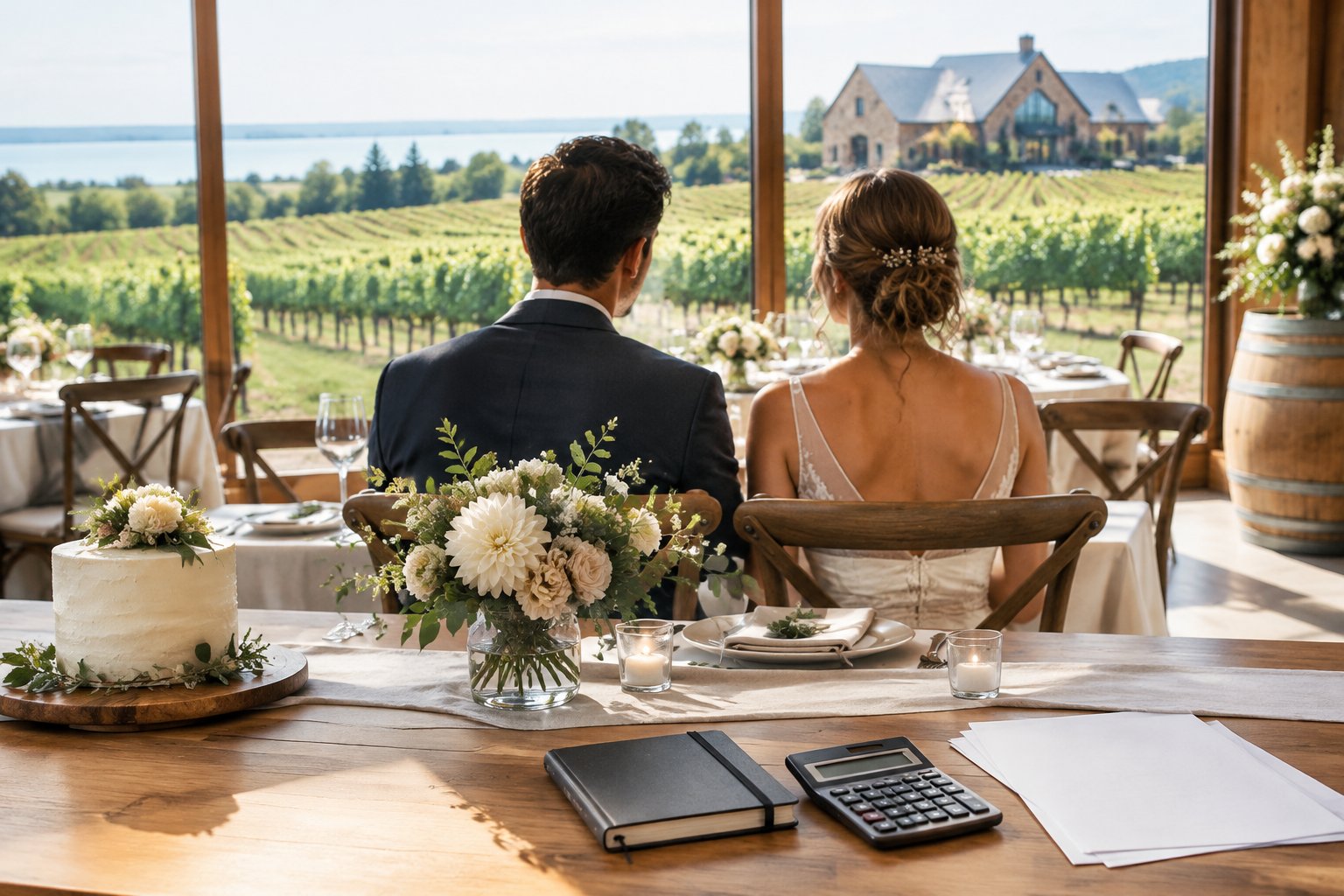
Prices depend on your date, guest count, package, and venue policies. To set a starting limit, use a wedding budget plan and leave room for costs that appear after you select a venue.
Which Costs Are Usually Included in the Venue Fee?
A venue fee may cover use of the event space, tables, chairs, linens, setup, and access to a getting-ready room. Some wineries combine the rental with food and wine packages, while others price those services separately. Review the contract line by line to see which services are included.
Ask about service charges, taxes, gratuities, security, cleanup, and event insurance. If the venue requires a minimum spend, check whether it applies to food and drinks, room rental, or both. A written quote should show the amount due at booking and the dates for later payments.
How Do Food, Wine, Rentals, and Minimums Affect the Total?
Food and beverage costs rise with your guest count, menu choices, and bar service. Ask whether the venue provides catering, whether outside caterers are allowed, and how wine service is priced. For outside catering, use a caterer selection checklist to compare menu costs, staffing, and service details.
Rentals can add costs for tenting, upgraded linens, lighting, furniture, or extra sound equipment. If you’re planning a cross-border wedding, confirm whether prices are quoted in U.S. or Canadian dollars, and ask how applicable taxes and payment fees appear on your invoice.
For a realistic comparison, add the venue fee, food and drinks, rentals, transportation, and taxes into one estimate.
How Do You Plan Guest Travel and Wedding-Day Logistics?
Plan transportation and accommodations early, especially if your venue is outside a town center. Clear travel details help guests arrive on time and get back to their hotels after the reception.
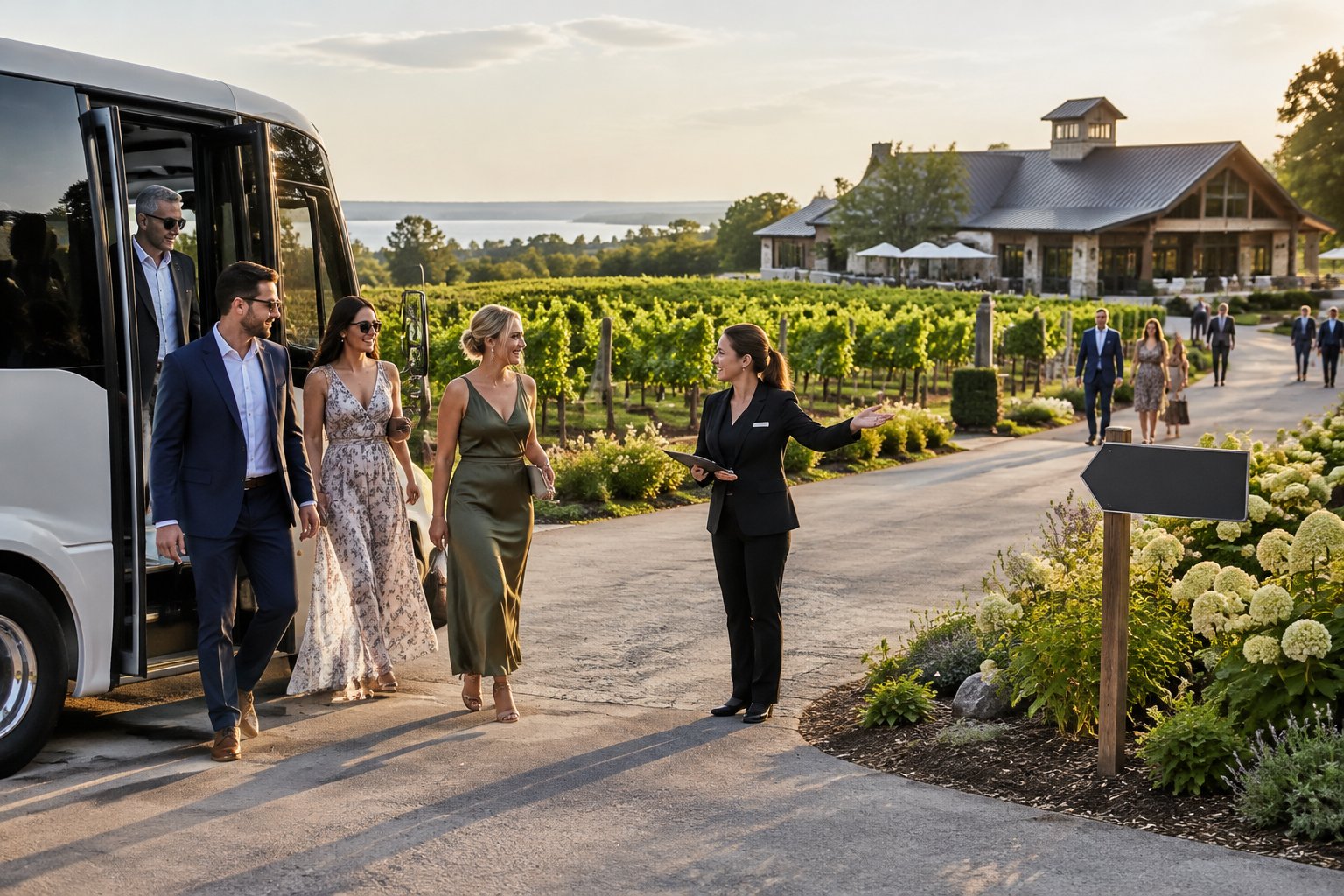
A rural winery may have limited transit and ride-hailing options late at night. Your schedule should account for distance, parking, and the time guests need to move between locations.
What Transportation and Accommodation Options Should You Check?
Ask how many parking spaces the venue has and whether it can accommodate buses or shuttles. If guests are staying at more than one hotel, compare pickup locations and build a route that works for the group. You can use a wedding transportation plan to organize pickup times, return trips, and a backup contact.
For an Ontario venue, share the correct Canadian address with U.S. guests and give them time to confirm their travel documents. Hotel blocks near the venue can make the weekend easier, especially during busy travel periods. If your celebration includes a welcome event or brunch, include those locations and times in your guest information.
How Can You Prepare for Weather and Accessibility Needs?
Ask the venue which indoor space serves as the weather backup and how many guests it can hold. Check the plan for rain, wind, heat, and cooler evening temperatures, then confirm when the venue makes a final call about moving outdoors.
Walk the route between parking, ceremony, reception, and restrooms with accessibility in mind. Ask about step-free entrances, accessible restrooms, seating options, and shuttle access. Share any access needs with the venue team before your final layout is set.
When Should You Book, and What Should You Ask?
Reserve your date as soon as you have a firm guest count and budget, especially if you want a popular-season Saturday. Before signing, get the venue’s policies, package details, and vendor rules in writing.
How Far Ahead Should You Reserve a Date?
For a Saturday during the busy wedding season, start your venue search 12 to 18 months ahead. A weekday or off-season date can give you more flexibility, though you should still ask the venue about current availability before booking other vendors.
Choose your season and date with your priorities in mind. Vineyard colors and outdoor comfort change through the year, and demand can affect pricing. If your plans are flexible, compare a Friday or Sunday with your preferred Saturday; choosing a wedding date around venue availability can open up more options.
Which Questions Help Clarify Policies and Vendor Requirements?
Bring a written list to each venue tour so you can compare answers. Ask about the details that affect your timeline, budget, and guest experience:
- What is the seated dinner capacity, and what is the ceremony capacity?
- Which spaces are included in the rental, and when can you access them?
- What is the rain plan, and who makes the decision to move indoors?
- Which food and drink packages are available, and what minimums apply?
- Can you bring outside vendors, and are there required or preferred vendors?
- What are the payment schedule, cancellation terms, and overtime fees?
- What parking, shuttle access, and accessibility features are available?
- Which currency is used on the quote, and how are taxes listed?
Ask the venue to send its answers with the contract and current package details. Save the final documents with your wedding timeline so you can confirm setup, vendor arrival, and payment dates as the event approaches.