
Out of the Ordinary Wedding Venues for a Personal Celebration
Out of the ordinary wedding venues give you a setting that reflects your story and shapes how your guests experience the day. A greenhouse, historic inn, working farm, waterfront property, or city landmark can make your wedding feel personal through its character and atmosphere.
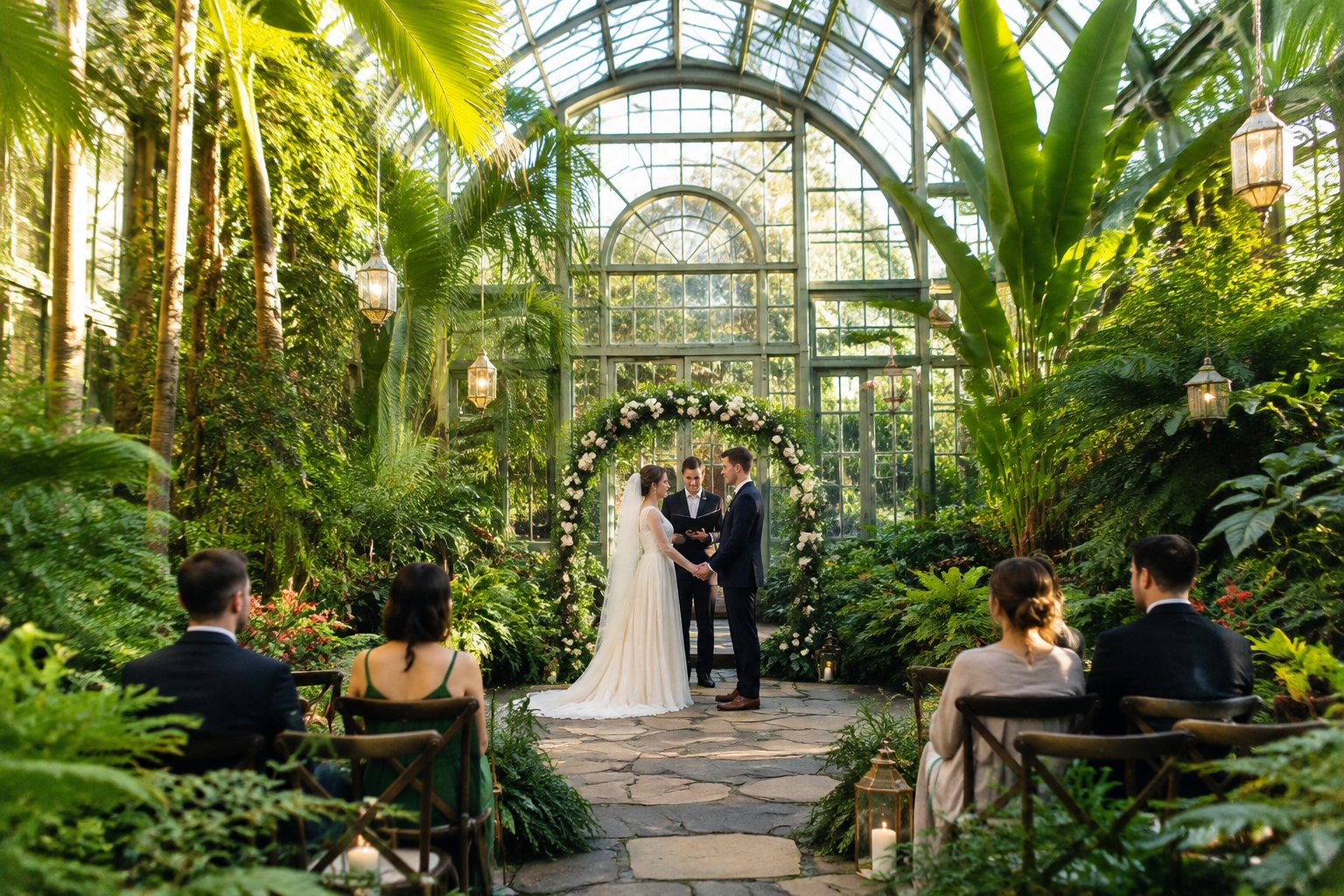
Start your search by choosing the feeling you want to create, then picture how the space will work for your ceremony, meal, and celebration. As you explore wedding venue ideas, keep a shortlist of places that fit your style and practical needs.
What Makes a Venue Feel Unconventional?
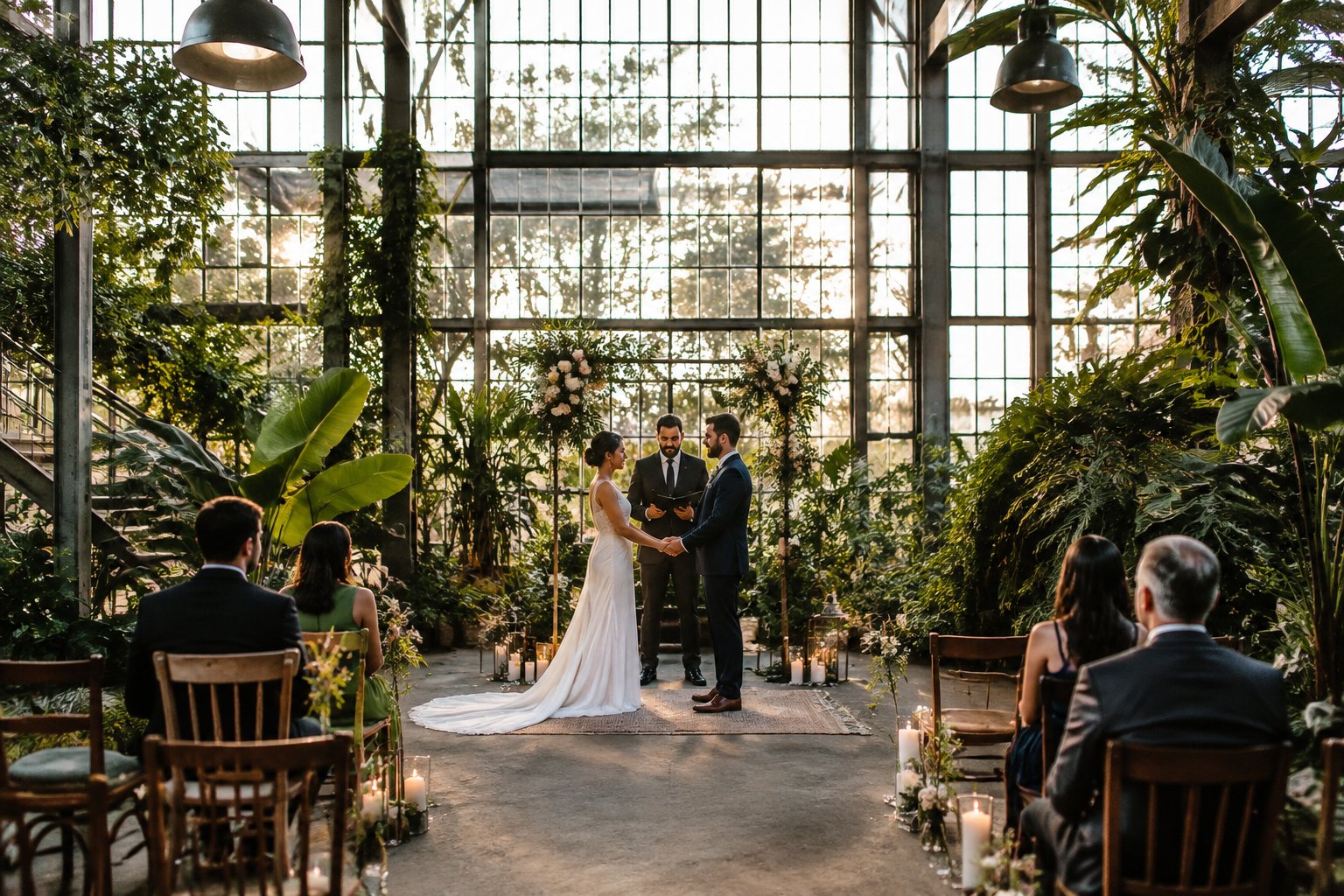
An unconventional wedding venue feels personal through its setting, story, or use of space. Your choice can set the mood from the moment guests arrive, while the venue’s layout helps shape the flow of the celebration.
How Can a Space Reflect Your Story?
A space reflects your story when its details connect with your relationship, interests, or shared values. You might choose a greenhouse because you both love gardening, a favorite restaurant where you had an early date, or a historic inn near a place that matters to your family.
Look beyond the venue’s label and notice what makes it feel distinct. Original woodwork, vintage furnishings, local art, or an open view of the water can add character before you bring in any decorations. A converted factory or loft may suit a modern celebration, and industrial-looking wedding venues can give your plans a strong architectural backdrop.
What Makes an Experience Memorable for Guests?
Guests remember a celebration that feels welcoming and easy to enjoy. A venue with an interesting setting gives people something to explore, while thoughtful details such as clear directions and a comfortable place to gather help everyone settle in.
Consider how people will move through the day. A garden ceremony could lead into cocktails on a patio, followed by dinner in a glass hall. A museum might offer a quiet place to talk alongside a lively reception room. Personal touches, such as a menu inspired by a meaningful trip, make the experience feel connected to you.
Which Unusual Setting Fits Your Celebration?
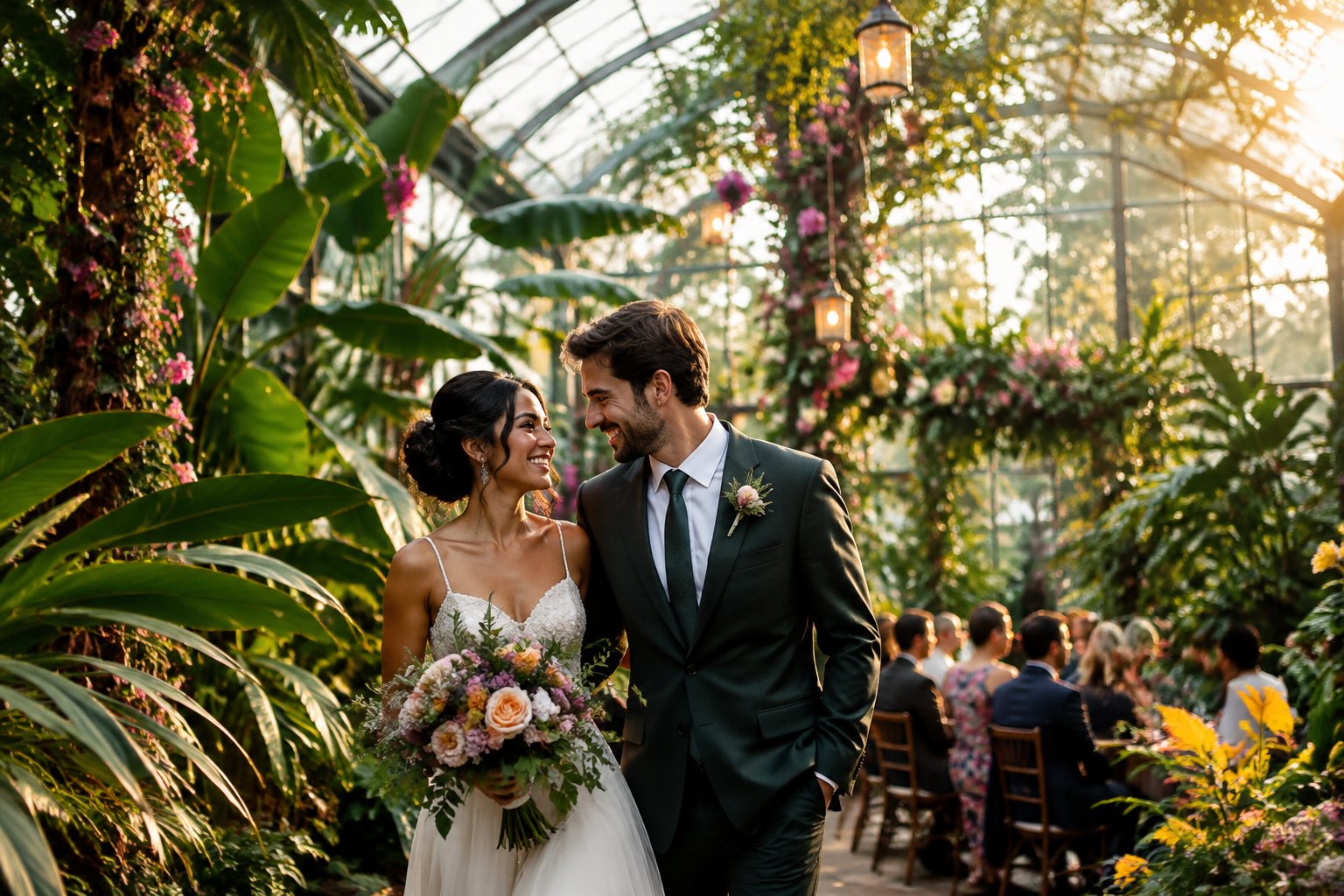
Choose a setting that supports the mood and style you want, from a relaxed garden gathering to a polished celebration in a historic building. Your guest count, season, and ceremony plans can help you narrow the range of wedding venues.
Could a Historic Inn or Estate Set the Right Mood?
A historic inn or estate suits a celebration with a sense of place and a slower pace. You might host a ceremony on the lawn, welcome guests into a parlor for cocktails, and share dinner in a restored hall. Original features can give the rooms visual interest without much added décor.
Ask how the property handles event access and guest movement. Some older buildings have stairs, narrow doorways, or rooms on different levels. If you are planning an intimate wedding or an elopement, look for a smaller room or garden that feels warm with a modest number of guests.
Would a Garden, Farm, or Waterfront Space Suit Your Vision?
A garden, farm, or waterfront venue suits you if open air and natural scenery are central to your plans. A garden creates a leafy backdrop; a farm offers a relaxed rural feel; and a waterfront location gives you broad views and space for an outdoor wedding.
Think through the season and the ground underfoot. Guests may need shade on a sunny day, a paved route across a lawn, or a warm indoor place in cooler weather. If you want flexible ceremony and reception spaces, indoor-outdoor wedding venues can make it easier to use the scenery while keeping an indoor option nearby.
Is a City Landmark or Creative Space More Your Style?
A city landmark or creative space fits a celebration with an urban or artistic feel. Consider a gallery, library, theater, rooftop, brewery, or converted warehouse. These places bring built-in character, from exhibit walls and dramatic windows to brickwork and skyline views.
Check the venue’s event rules before you plan the design. A gallery may limit where you can place décor, while a rooftop may have sound limits or a fixed end time. For a space with an industrial look, confirm that the lighting, restrooms, and vendor setup areas suit your event.
How Do You Match the Space to Your Guest List?
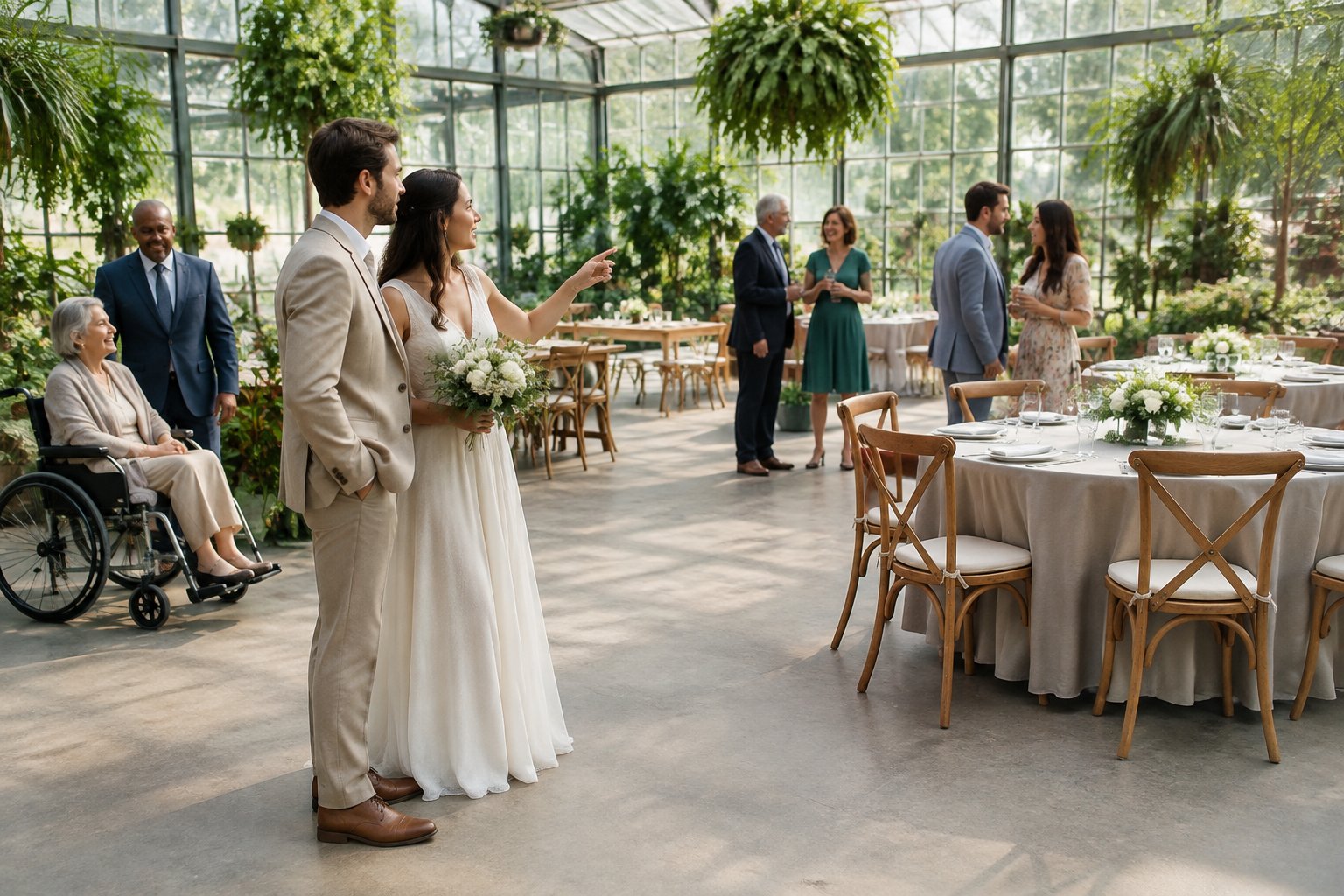
Match the venue to the number of people you plan to invite and the way you want them to spend the day. A room can meet its stated maximum and still feel crowded once tables, food service, and a dance floor are in place.
What Does the Venue’s Capacity Include?
Venue capacity may refer to different arrangements, so ask for separate limits for a seated meal, a ceremony, and a standing reception. Find out whether the stated count includes staff, vendors, children, and any outdoor areas.
Bring a working guest estimate when you tour. Ask the venue for a sample floor plan at that size, then check where the tables, bar, band or DJ, and guest pathways will go. If your list is still changing, estimate how many guests will attend before you compare room sizes.
How Will Ceremony, Dining, and Dancing Fit Together?
A useful layout gives each part of your celebration enough room and a clear transition. Ask whether the ceremony and reception can happen in one space or whether guests will move between rooms. Check where the meal will be served and where the dance floor will sit.
A floor plan can help you see the details before you book. Make sure guests can reach their seats without crossing the dance floor, and leave room for a DJ or band to set up. If the venue has several event areas, ask how long it takes to reset a room between the ceremony and dinner.
What Should You Check Before Booking?
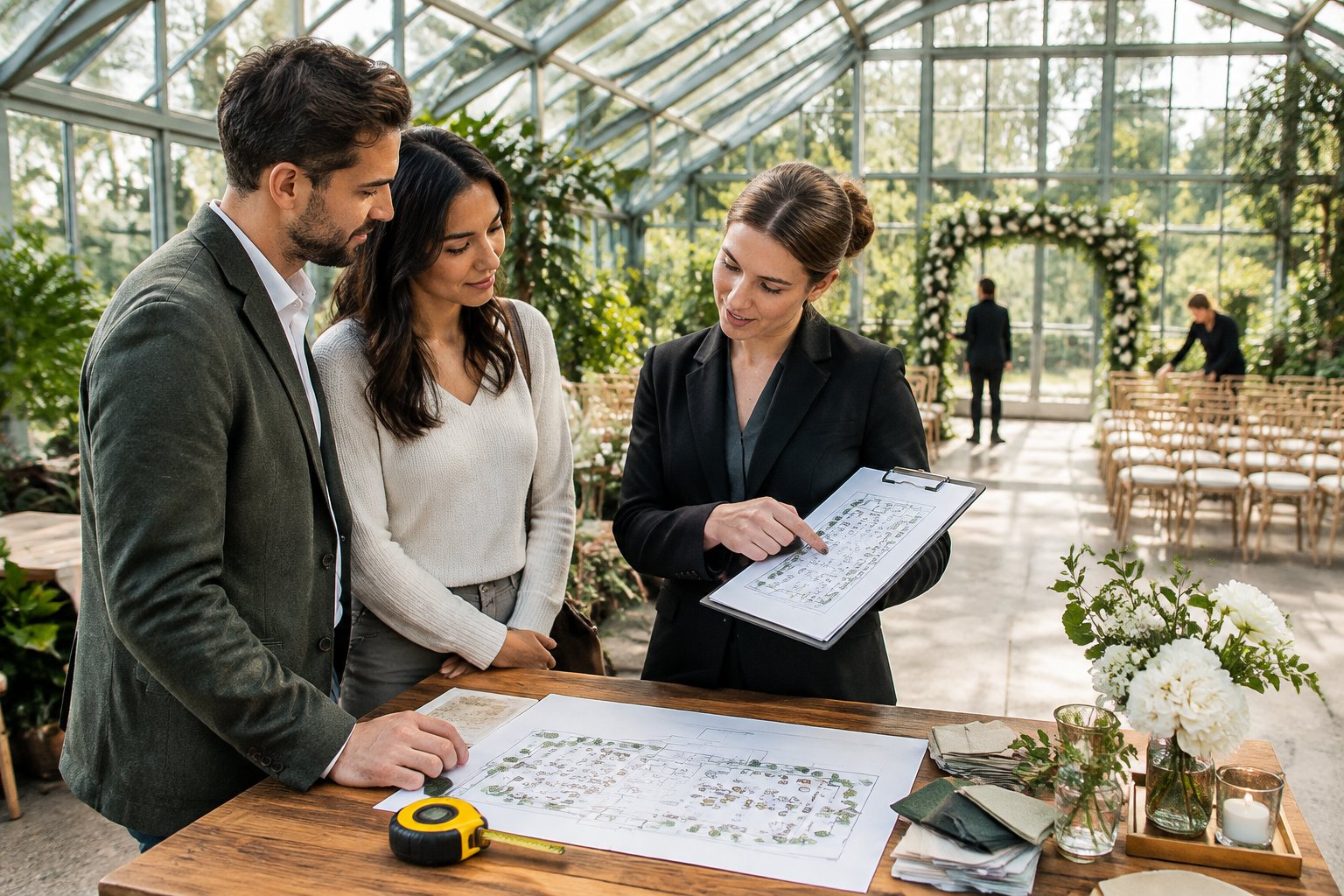
Before you book, confirm the rental terms, vendor arrangements, guest access, and weather plan in writing. A distinctive wedding venue can have special rules about setup, sound, décor, or the use of outdoor areas.
What Is Included in the Rental Price?
Ask for a written list of what the rental price covers and which charges are separate. Check whether tables, chairs, linens, lighting, setup, cleanup, and event staffing are included. Ask about the rental hours, deposit schedule, cancellation terms, and fees for extra time.
Also confirm what you can bring in and when vendors can start setting up. Some spaces have limits on candles, hanging décor, amplified music, or open flames. Clear answers help you plan your budget and avoid day-of surprises.
Are Catering, Accessibility, and Overnight Stays Available?
Ask how catering works at the venue and whether you can choose your own vendor. If outside caterers are allowed, find out whether they have access to a kitchen, food-prep area, and loading space. Review beverage rules and ask how dietary needs will be handled.
Check the guest experience beyond the reception room. Find out whether entrances, restrooms, and key event areas are accessible for guests with mobility needs. Ask about parking, nearby hotels, and any on-site rooms for overnight stays. For a remote property, plan how guests will get there and return safely.
What Is the Backup Plan for Bad Weather?
An outdoor wedding needs a clear indoor backup or a covered space that works for your guest count. Ask when the venue makes the weather decision, who moves furniture, and whether the alternate location costs extra.
Visit the backup space in person and review its layout. Confirm that it can fit the ceremony or reception setup you have planned, including seats and sound equipment. Ask about shade, heaters, fans, and umbrellas for weather that stays dry but still affects guest comfort.
How Can You Make an Unusual Venue Work for Everyone?
Help guests feel comfortable by planning for the venue’s layout, access, and surroundings. Your décor and vendor choices should support the space’s existing character and make essential areas easy to use.
How Can You Help Guests Navigate the Location?
Give guests clear directions before the event, including parking details, the correct entrance, and any shuttle information. Add signs at key turns and between ceremony, cocktail, and reception areas. For a large property, identify the route between the parking area and the main event space.
Think about comfort along the way. Uneven paths may call for a shoe note on your wedding website, while a long walk might need a golf cart or shuttle for guests who need assistance. If guests will travel from out of town, share nearby lodging details and a simple schedule.
Which Décor and Vendor Choices Will Suit the Space?
Use the venue’s strongest features as part of your design. Greenery and soft lighting can complement a greenhouse, while simple table details can let a gallery’s artwork take focus. For a converted hall, linens and a thoughtful lighting plan can add warmth.
Before hiring vendors, confirm the venue’s rules and practical needs. Ask whether your florist can attach décor to walls or beams, whether your band has power nearby, and when caterers can load in. Choose furnishings and floor coverings that suit the surfaces, and leave a clear path to restrooms and exits. If dancing is a priority, reserve enough open space for the dance floor before adding lounge seating or décor.