
Photography Services Packages for Weddings: What to Compare
Photography services packages for weddings combine a set amount of coverage with edited images and delivery terms, with extras such as a second photographer or album available in some packages. Compare each photographer’s hours, team, image delivery, and contract details so you know what you’re booking.
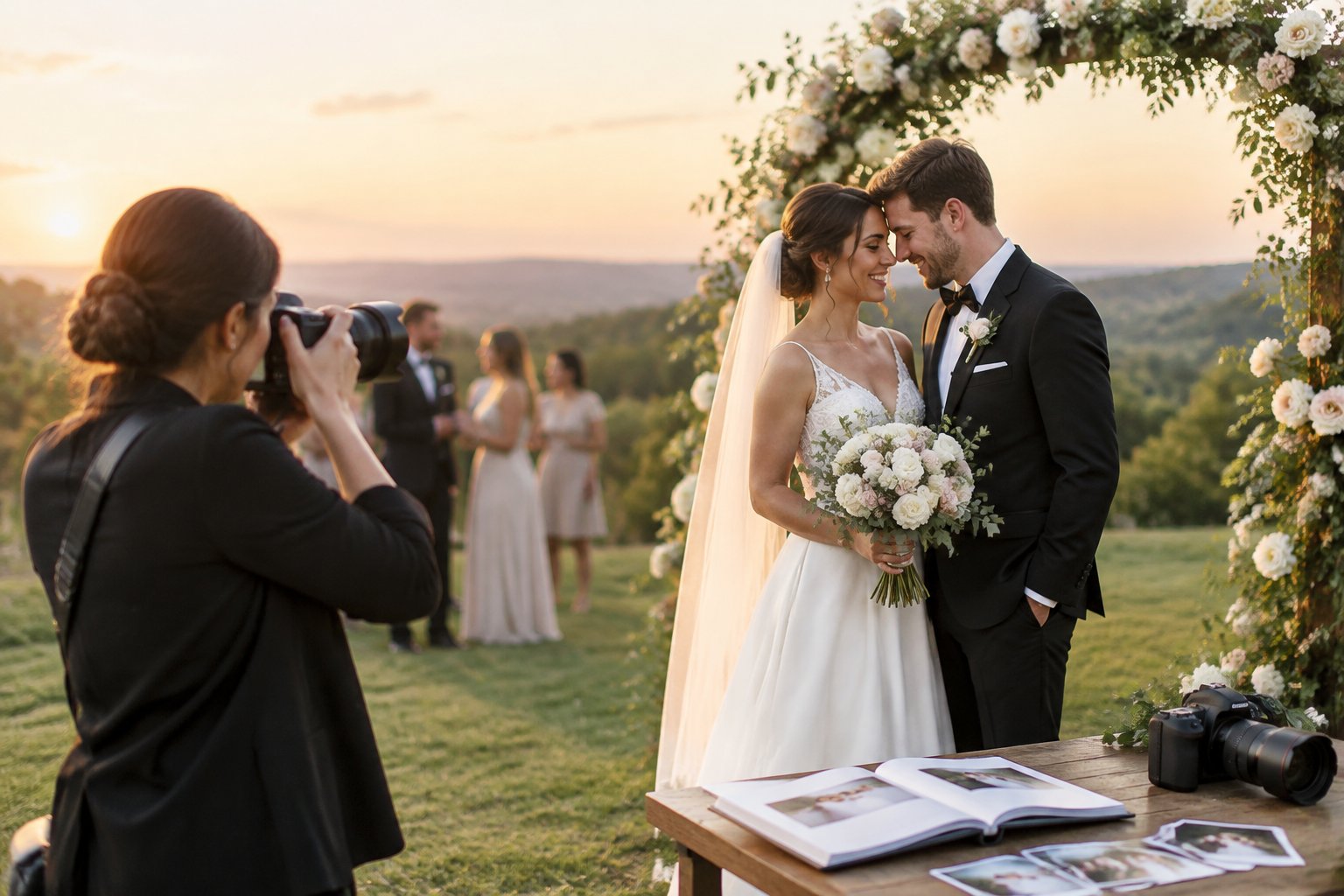
Your wedding timeline and the moments you want photographed should guide your choice. Ask each photographer for a written package breakdown, then compare the details side by side before you book.
What Do Wedding Photography Packages Usually Include?
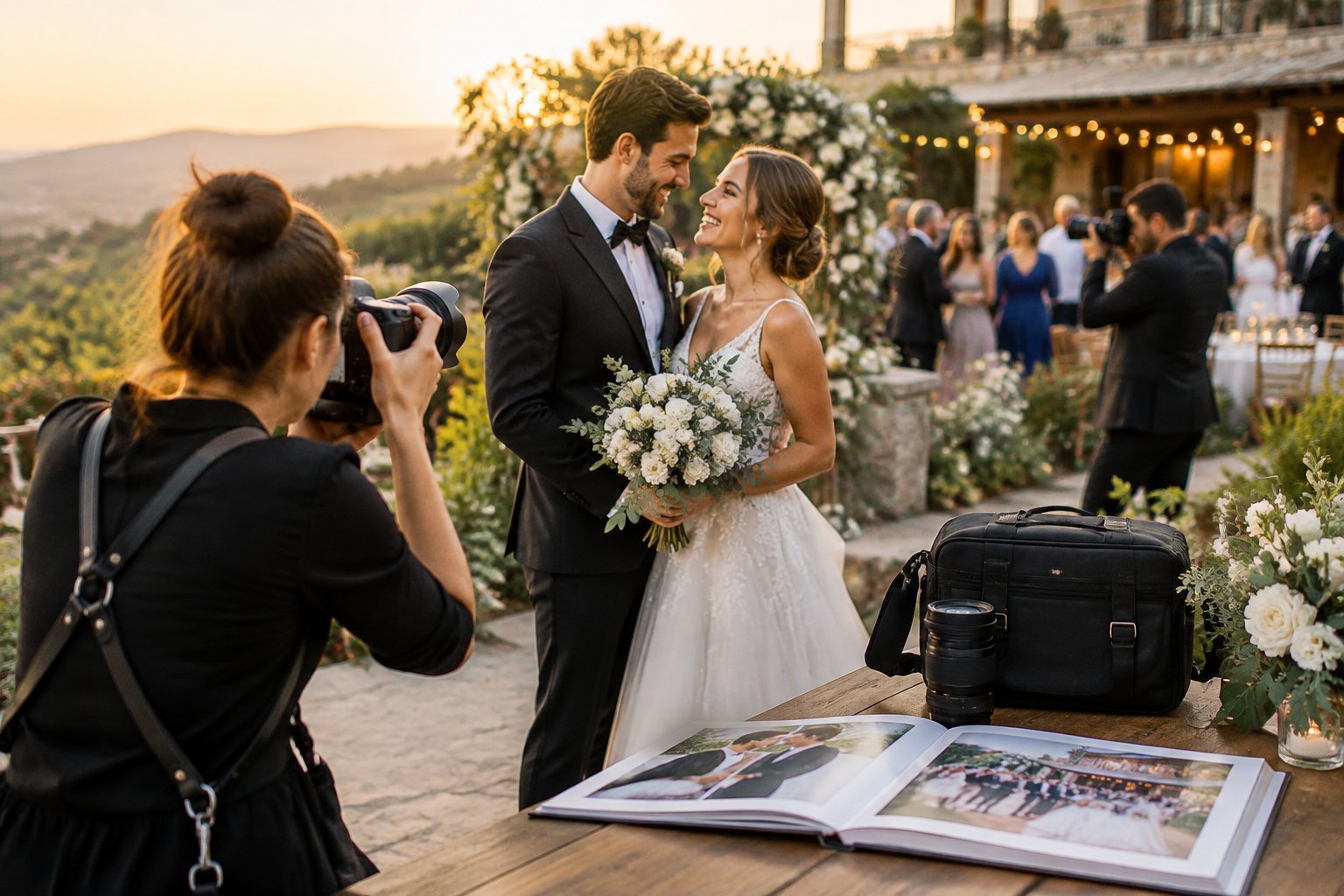
Wedding photography packages define how long your photographer works, what you receive, and how you access the finished photos. Check the contract for coverage limits, delivery timing, and image-use terms.
Coverage Hours and Key Moments
Coverage hours describe the time your wedding photographer spends photographing your day. A package might begin with getting-ready photos or start at the ceremony, then end after a reception event such as the first dance.
Build your schedule before choosing a number of hours. Include travel between locations, family portraits, and the time needed for couple photos. Coverage is usually continuous, so ask when the photographer’s clock starts and what overtime costs.
Edited Images and Delivery
Your package should state how many edited images you can expect, how the photographer selects them, and when they will arrive. The final count can reflect your schedule, guest count, and the number of events photographed. Ask whether the images receive color and exposure adjustments, plus any detailed retouching.
Some photographers provide a preview gallery before the full collection. Check the contract for the expected delivery window and file format. You can also clarify how wedding photographers edit your photos and whether unedited files are part of the offer.
Online Galleries and Print Rights
A private online gallery gives you a place to view, download, and share your finished photos. Ask how long the gallery will stay active, whether it has a password, and whether relatives can order prints through it.
Review the print release, too. It should explain how you can download, print, and share images for personal use, along with any limits on commercial use or editing. If you want to know which wedding photos your photographer will deliver, ask how the photographer chooses the final edited collection.
How Do Basic and Premium Packages Differ?
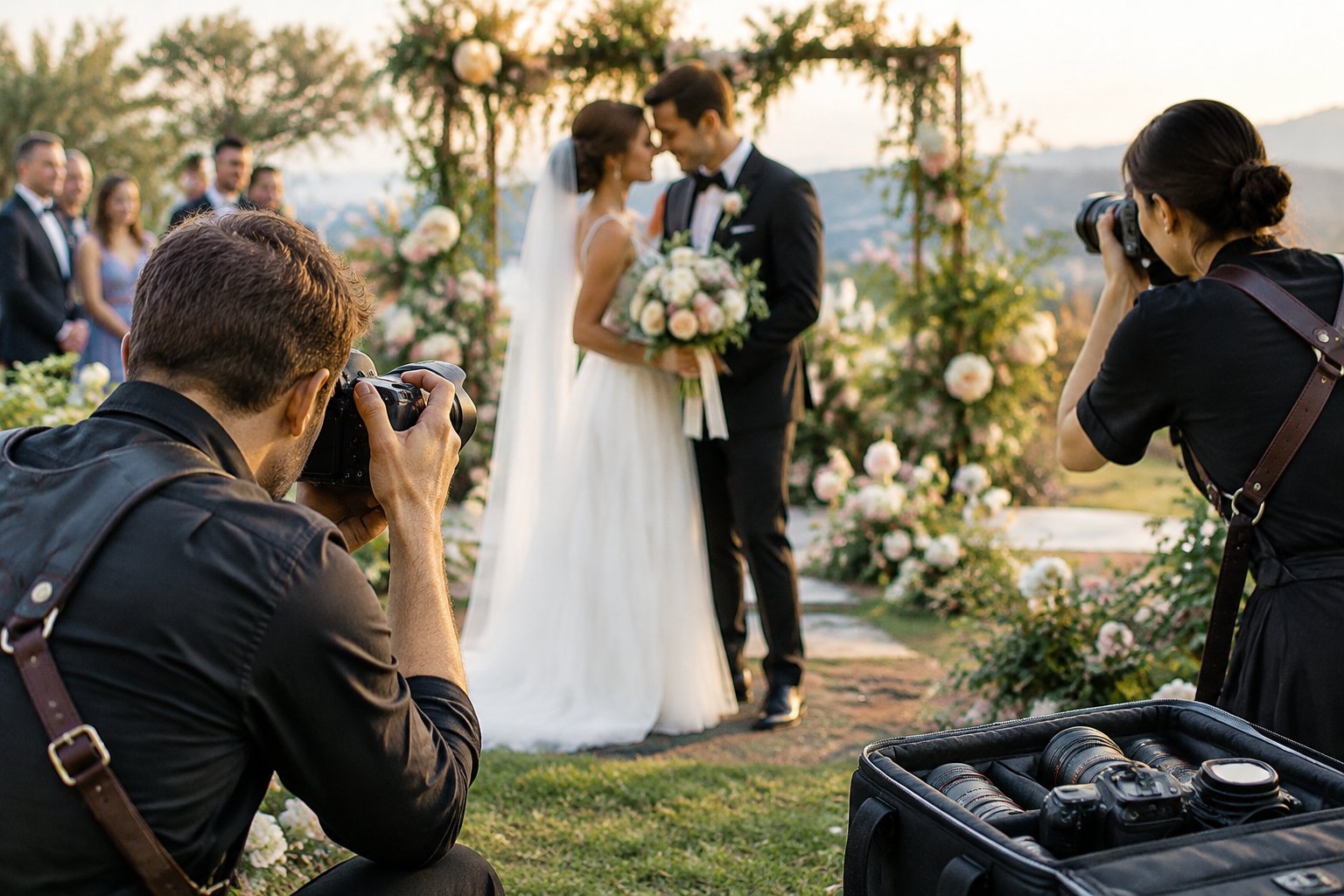
Basic wedding photography packages focus on core coverage and digital delivery; premium wedding photography packages add time, team members, or printed products. Package names vary, so compare their actual inclusions before weighing the price.
What to Expect From Basic Wedding Photography Packages
A basic package may suit a small celebration with a short timeline. It often includes one photographer, a set number of coverage hours, edited digital images, and an online gallery. An album, engagement session, or second shooter may be priced separately.
Check whether the package covers the moments you care about, such as getting ready, the ceremony, and the reception entrance. If you’re considering basic wedding photography packages, compare the hours and delivery terms with your schedule before choosing a lower tier.
What Premium Wedding Photography Packages May Add
Premium packages can include longer coverage, a second photographer, an engagement session, or a wedding album. Some photographers also include planning support, such as a timeline review. Confirm which services are part of the quoted price and which are optional upgrades.
A second photographer adds another viewpoint during events happening at the same time. Longer coverage can include more of your day, from preparation through late reception moments. These additions are useful when they fit your timeline and priorities.
Matching Package Tiers to Your Wedding Size
Choose a package that covers the parts of your wedding you want documented. A short ceremony and dinner may need fewer hours than a full-day celebration with separate getting-ready locations and a late reception.
Guest count can affect how much coverage your day needs. With a larger group, family portraits and reception coverage may take more time. Use your schedule, venue layout, and planned events to decide whether one photographer can cover the day.
How Much Does Wedding Photography Cost?
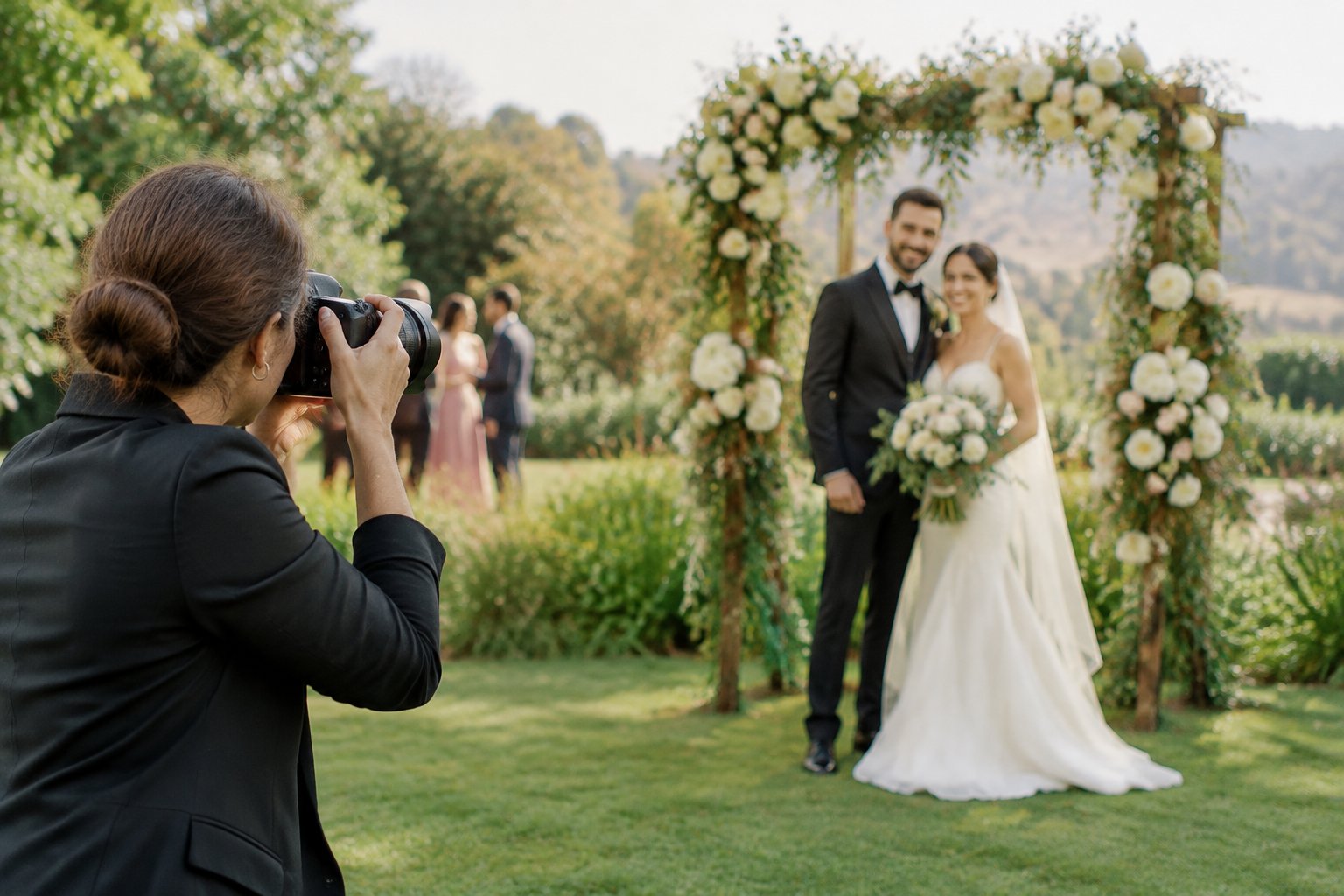
Wedding photography pricing reflects the photographer’s experience, location, hours, team size, and included products. A recent U.S. industry study reported a $3,000 average, though local quotes can fall above or below that figure.
What Affects Package Prices?
The amount of time and labor behind the package shapes its price. More coverage means more time at your wedding and more images to review and edit. A second photographer adds another professional to the day, while albums and prints add production costs.
Your location and wedding date also affect quotes. Rates can differ between cities and regions, and popular dates may have higher demand. Travel fees can apply when a photographer travels to your venue. For a broader cost range and budgeting context, review how much wedding photography costs.
How to Compare Quotes and Spot Extra Fees
Line up quotes using the same details: coverage hours, number of photographers, image delivery, gallery access, and print rights. Then check for added costs such as travel, overtime, album upgrades, or an extra hour of coverage.
Read the contract for payment dates, cancellation terms, and what happens if the photographer cannot attend. Ask whether a backup photographer is arranged in an emergency. A clear quote should spell out what you pay and what you receive.
When Custom Packages Offer Better Value
A custom package can make sense when a standard tier includes services you don’t need or leaves out coverage you do. You might ask for fewer hours, a later start time, or an album added to a digital package.
Request an itemized quote for each change. That helps you see how a shorter schedule or selected add-on affects the total. Keep the package focused on the parts of the day and deliverables you plan to use.
Which Photography Add-Ons Are Worth Considering?
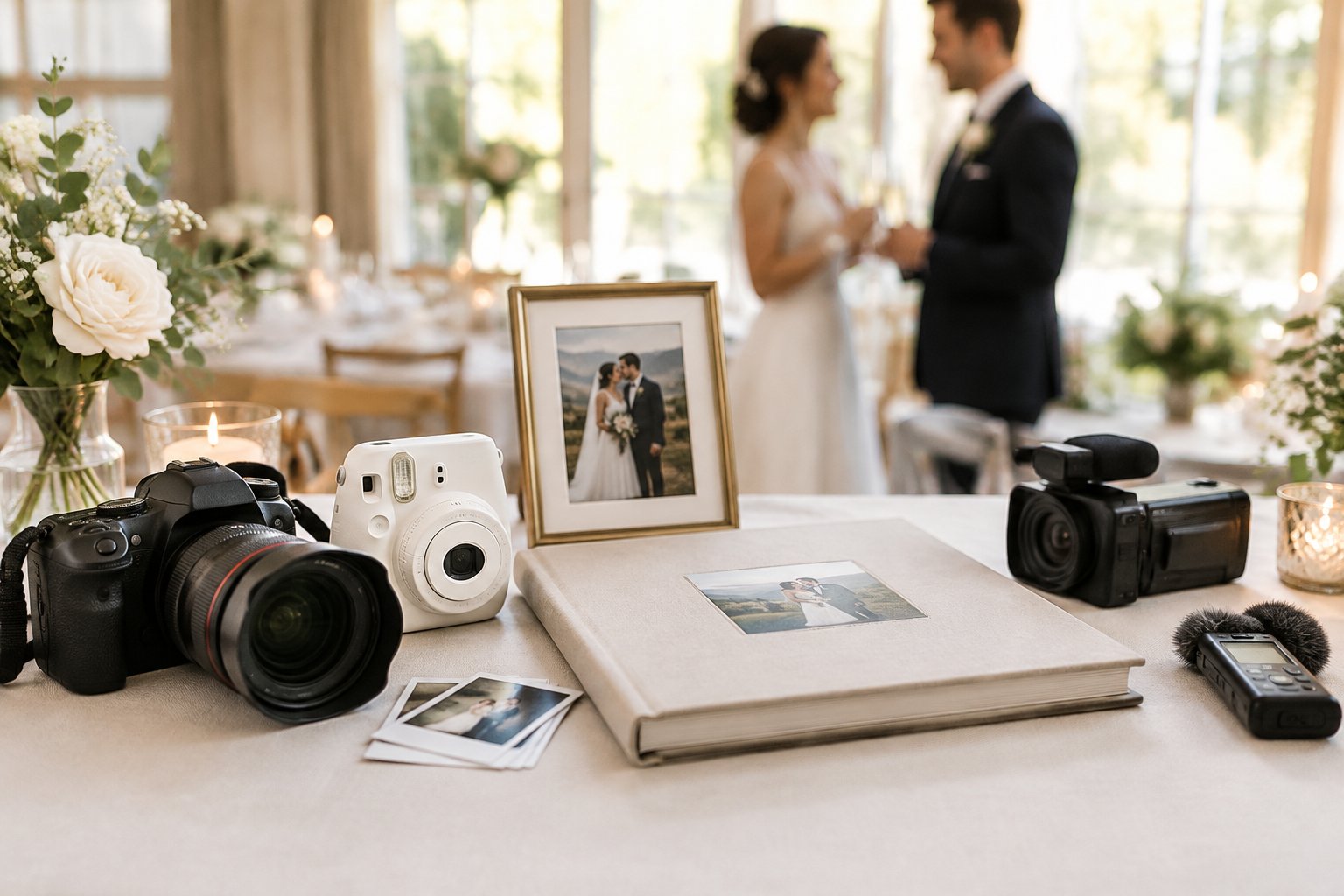
The most useful add-ons fill a specific need, such as helping you feel comfortable in front of the camera or covering two locations at once. Consider each option against your schedule and budget.
Engagement Sessions and Shoots
An engagement session gives you time to work with your photographer before the wedding. You can get comfortable posing and learn how the photographer gives direction. The images can also be used for invitations or a wedding website.
Ask how long the engagement shoot lasts, where it takes place, and how many edited images it includes. If it comes with your package, check whether travel or location fees apply. Compare engagement and wedding photography packages to see how the session is priced alongside wedding-day coverage.
When to Hire a Second Photographer
A second photographer helps cover moments happening at the same time. While one person photographs the ceremony from the front, another can capture your guests’ reactions. Extra coverage is useful when you’re getting ready in separate places or hosting a large wedding.
Ask whether the second photographer is included for the full booking or only certain hours. Confirm how the team shares responsibilities and whether both photographers’ images appear in your final gallery.
Choosing Wedding and Parent Albums
A wedding album turns selected images into a printed keepsake. Ask about page count, cover choices, paper quality, and who selects the photos. Some photographers include a design review, while others offer a set layout for you to approve.
A parent album is a smaller copy you can give to family. Check whether it matches your main album and whether you can order extra copies later. If you want printed books, compare the cost of adding wedding albums to your package with ordering them after the gallery arrives.
How Do You Choose the Right Photographer and Coverage?
Choose a photographer whose work fits your style and whose package covers your timeline with clear delivery terms. Review a full wedding gallery and confirm the team, contract, and backup plan before you pay a retainer.
Match Coverage to Your Wedding Timeline
Write down the key events you want photographed, then mark their start times and locations. Include time for portraits and travel. This makes it easier to see whether your package begins early enough and runs through the moments you want captured.
Ask the photographer to review your schedule and point out timing gaps. Confirm how overtime is billed and whether you can add hours before the wedding. A short planning call can help you set a coverage start and end time that fit your day.
Review Style, Experience, and Deliverables
Look through a complete wedding gallery to see how the photographer handles different lighting and parts of the day. A portfolio shows their preferred look; a full gallery lets you see how that style carries across an entire event.
Ask about experience with your venue type and the events on your schedule. Review the final image count, editing, gallery access, delivery window, and print release in writing. You can also use these details when you choose a good wedding photographer.
Questions to Discuss With a Wedding Consultant
If you’re working with a wedding consultant, ask how the photography timeline fits with the ceremony, portraits, and reception plans. The photographer can help estimate photo time, while your consultant can coordinate that plan with the rest of the schedule.
Before booking, ask who will photograph your wedding, what happens if the lead photographer is unavailable, and how your images will be backed up. Confirm the payment schedule and cancellation terms in the contract, then save a copy with your planning documents.