
Pretty Outdoor Wedding Venues: U.S. Picks for 2026
You’ll find pretty outdoor wedding venues across the U.S. in flower-filled gardens, wooded settings, along the coast, beside lakes, and in open desert landscapes. The right setting gives your ceremony a natural backdrop and helps shape the feel of your outdoor wedding.
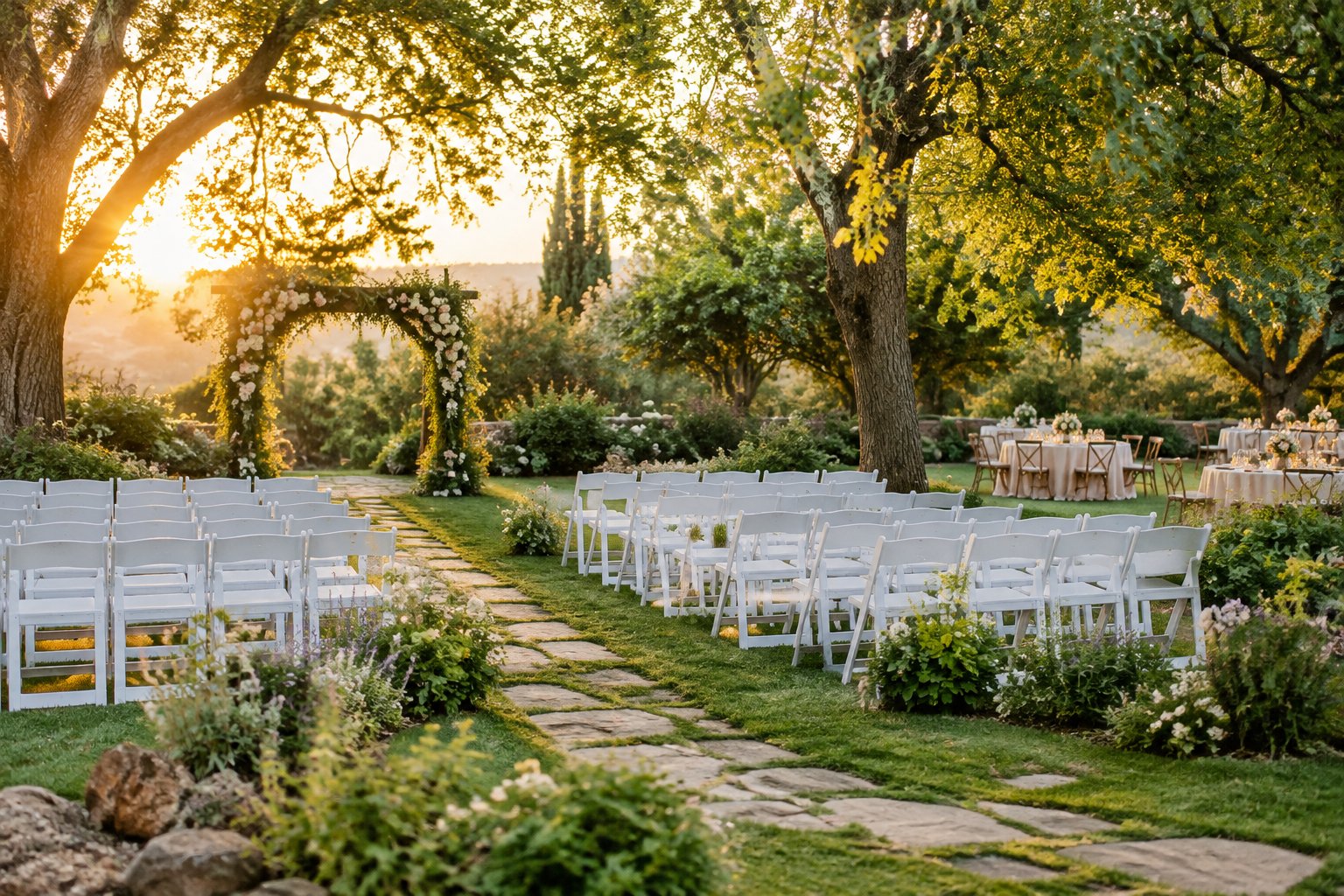
Start a shortlist around the landscape you love, then ask each venue how the space works for your guests and what happens if the weather shifts. A site visit gives you a chance to walk the ceremony and reception areas before you choose.
Which Outdoor Venue Style Fits Your Wedding?
Choose a setting that suits your preferred scenery and the kind of guest experience you want. A garden feels polished and floral, a wooded space feels sheltered and quiet, and coastal, lakeside, or desert venues put dramatic natural views front and center.
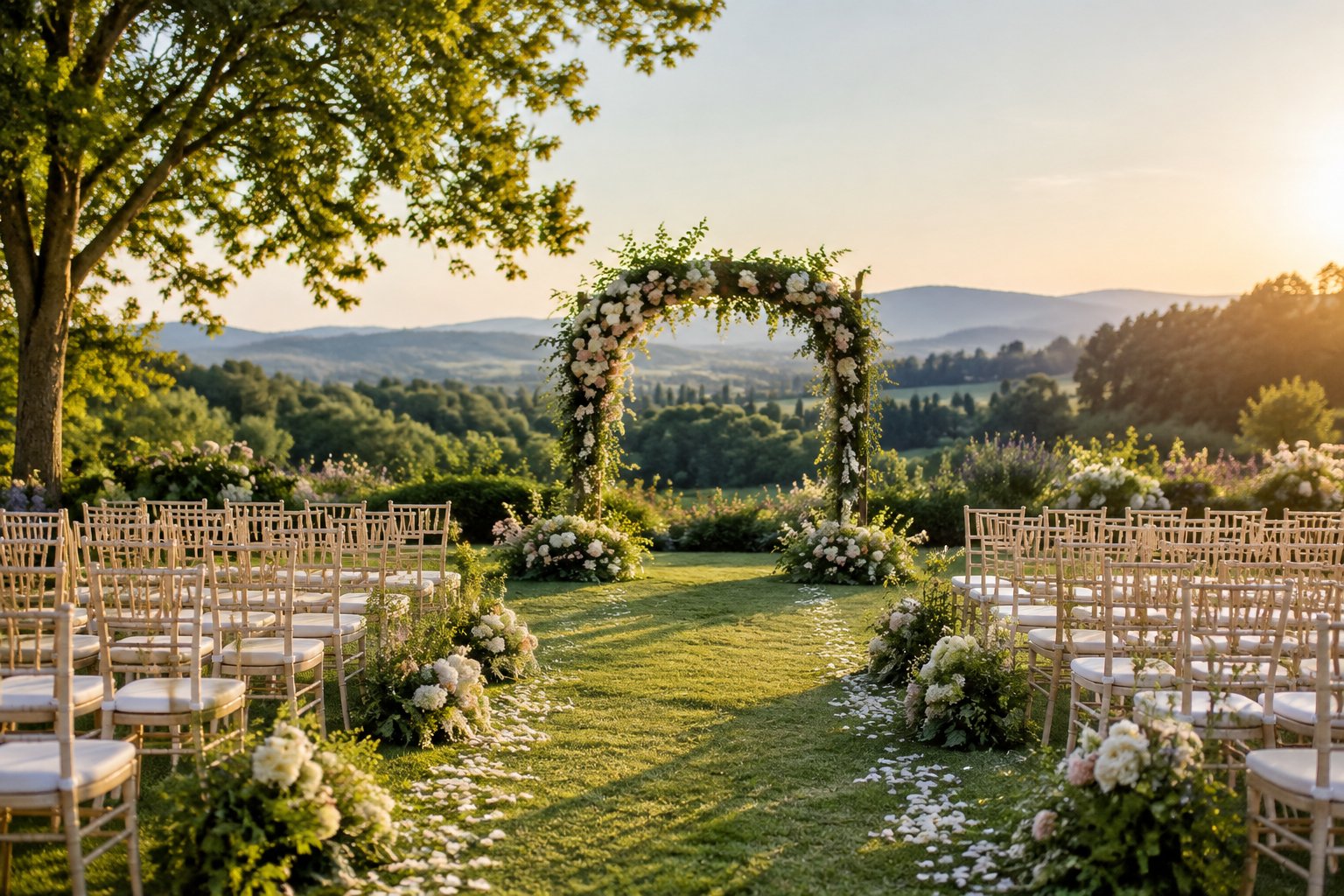
What Makes a Garden Venue Special?
A garden wedding venue brings built-in color and texture, from seasonal flowers to leafy paths and mature trees. You can keep decorations simple with an arch, aisle markers, and a few table details that echo the grounds. Browse beautiful garden wedding venues to compare the range of garden styles, from formal landscapes to relaxed green spaces.
Check what the garden looks like during your wedding month. Flowering periods vary, and a spring tour may look different from an autumn celebration. Ask whether the venue maintains the ceremony lawn and if your guests have a covered area nearby.
When Is a Woodsy Setting the Right Fit?
A woodsy wedding venue suits you if you want a quieter ceremony framed by trees and natural shade. Look at the ground underfoot, especially if guests will walk from parking to the ceremony or wear formal shoes. Ask about lighting along paths and whether the space has power for sound equipment.
Tree cover can also affect the light and temperature through the day. Visit at the time your ceremony is planned, and ask how the venue handles wind, rain, and insects.
What to Expect From a Coast or Lakeside Celebration
A coast wedding offers open views and the sound of the water, while lakeside gardens pair a shoreline backdrop with planted grounds. A lakeside lodge can also give you an indoor gathering space close to the ceremony site. For either setting, ask about wind exposure, public access, sound rules, and a covered backup area.
Waterfront ground can be uneven or sandy, so check whether guests with mobility needs can reach the ceremony comfortably. Confirm what the venue provides for seating and whether tides or shoreline conditions affect your event layout.
Could a Desert Setting Suit Your Wedding?
A desert wedding venue suits you if you’re drawn to wide horizons, warm earth tones, and striking rock or cactus scenery. Plan ceremony timing around heat and direct sun, and confirm that shade, water, and indoor cooling are available. Ask how far guests will walk between event areas and whether the venue has a clear plan for sudden wind.
Where Can You Find Memorable Outdoor Wedding Locations?
Memorable outdoor wedding locations range from Midwest waterfronts to Hawaiian ranchland and desert landscapes. Milwaukee and Traverse City offer distinct Midwest settings, while Kaneohe and Kualoa Ranch make Hawaii a strong choice for destination weddings.
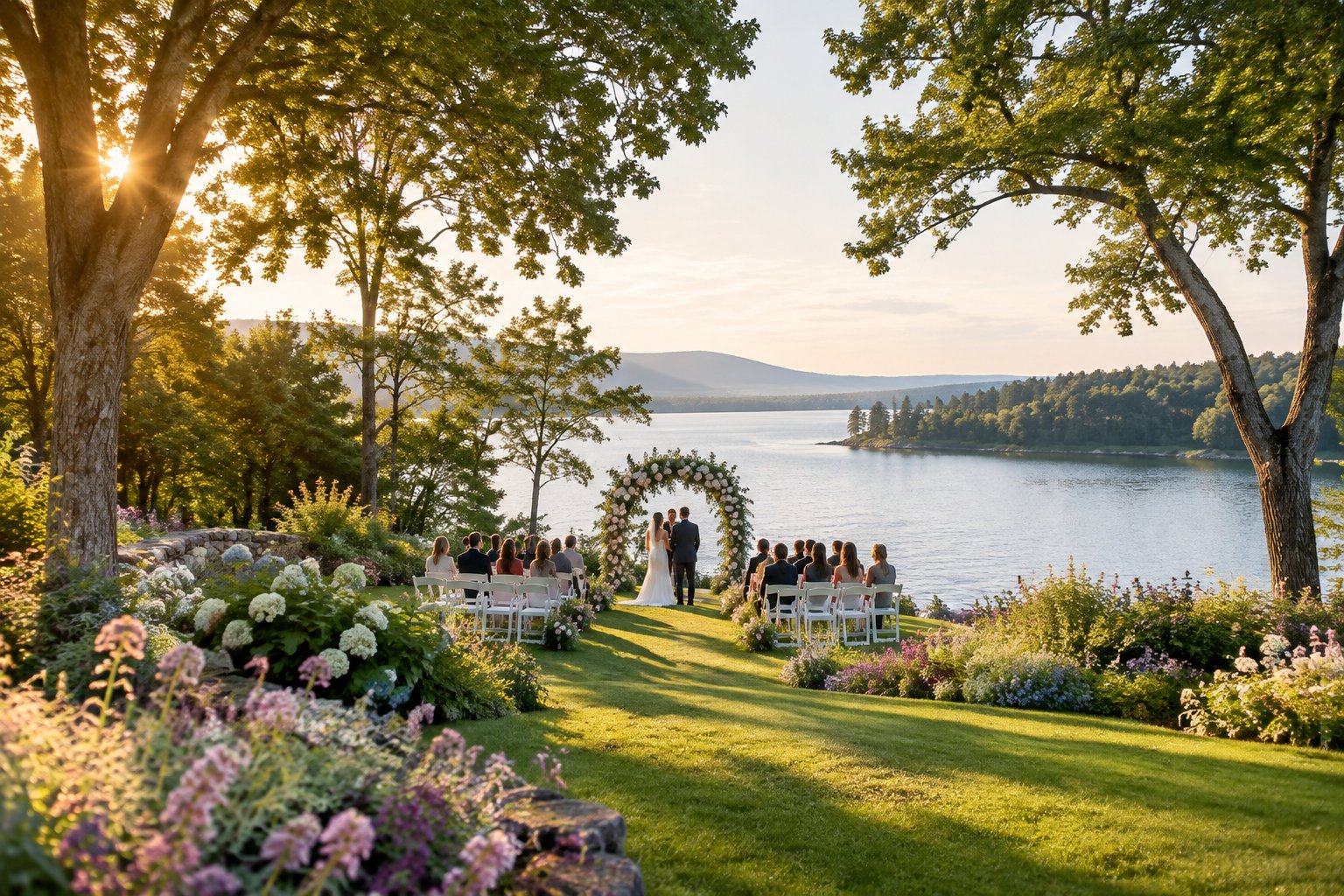
What Are Some Standout Midwest Settings?
Milwaukee, Wisconsin, gives you a city base for a celebration with gardens, parks, or waterfront scenery nearby. Traverse City, Michigan, brings a northern Michigan setting where lakeside views and gardens can shape a relaxed outdoor day. As you compare these areas, check travel time from airports, lodging choices, and how guests will get between hotels and the venue.
Your venue search should also account for the season. For an autumn date, compare fall outdoor wedding venues and ask how the grounds look when leaves change. Confirm your rain plan and the indoor space available if the weather turns cool.
Which Hawaiian Locations Make a Destination Wedding?
Kaneohe, Hawaii, gives you a lush setting on Oahu, while Kualoa Ranch is a well-known choice for a celebration surrounded by dramatic natural scenery. When you plan destination weddings, check travel routes, guest lodging, event rules, and what the venue includes in its rental. Ask whether local vendors are required and how deliveries reach the site.
Give guests clear travel details early, including recommended arrival dates and transportation options. If your ceremony and reception take place in separate areas, confirm how guests will move between them.
What Makes Red Earth a Distinctive Desert Venue?
Red Earth stands out as a desert-venue option for couples who want a landscape-led celebration with an earthy, open-air feel. Ask the venue team about the ceremony backdrop, guest capacity, shade, and indoor or covered backup space. Also confirm what services and rentals are included so you can plan for the full event.
How Do You Choose a Venue That Works for Your Guests?
A venue works well when its capacity, access, amenities, and backup plans match your guest list and event schedule. Walk the full route your guests will take, from arrival and seating to the reception and restrooms.
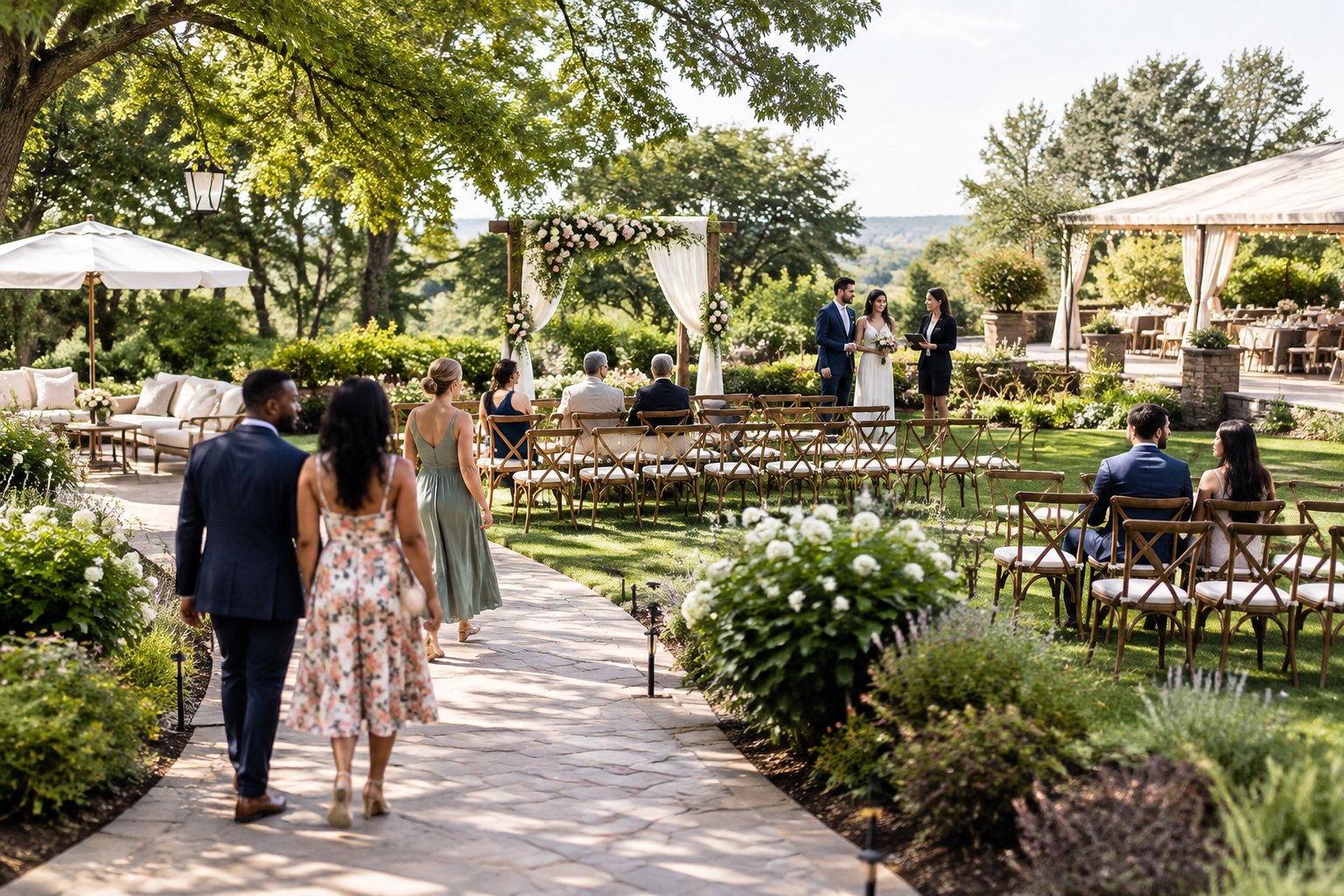
How Should You Compare Capacity and Accessibility?
Compare the venue’s capacity with your expected guest count for each part of the day. Ask for a floor plan showing ceremony seating, dining tables, dance space, and vendor areas. A space that fits the maximum number of guests may feel crowded once you add tables, equipment, and walkways.
Check accessible parking or drop-off points, path surfaces, slopes, and restroom access. If guests need to travel between ceremony and reception areas, ask how far they’ll walk and whether a shuttle or other support is available.
Which On-Site Amenities Can Simplify Planning?
On-site chairs, tables, restrooms, a getting-ready room, and a reliable power supply can reduce rental and setup needs. Ask whether the venue provides staff during the event and who coordinates vendor arrival and cleanup. For an outdoor ceremony, check the microphone and speaker setup so guests can hear vows and speeches.
Make sure you know what the rental fee includes. A venue with indoor and outdoor spaces can give you more options for ceremony, dining, and weather backup.
What Should You Check Before Booking?
Read the contract closely and ask for answers in writing before you sign. Confirm the event hours, setup window, cleanup rules, cancellation terms, noise limits, and any restrictions on outside vendors or decorations. Ask who makes the weather call, when that decision happens, and what the backup plan costs.
Visit in person if possible. Check the sound, shade, lighting, and ground conditions at the time of day you expect to use each space. A clear venue-selection checklist can help you compare your must-haves across site visits.
What Should You Budget for an Outdoor Wedding?
Your outdoor wedding budget should include the venue fee plus the rentals, staffing, and weather provisions needed to host guests comfortably. For destination weddings, also account for travel-related plans and guest logistics.
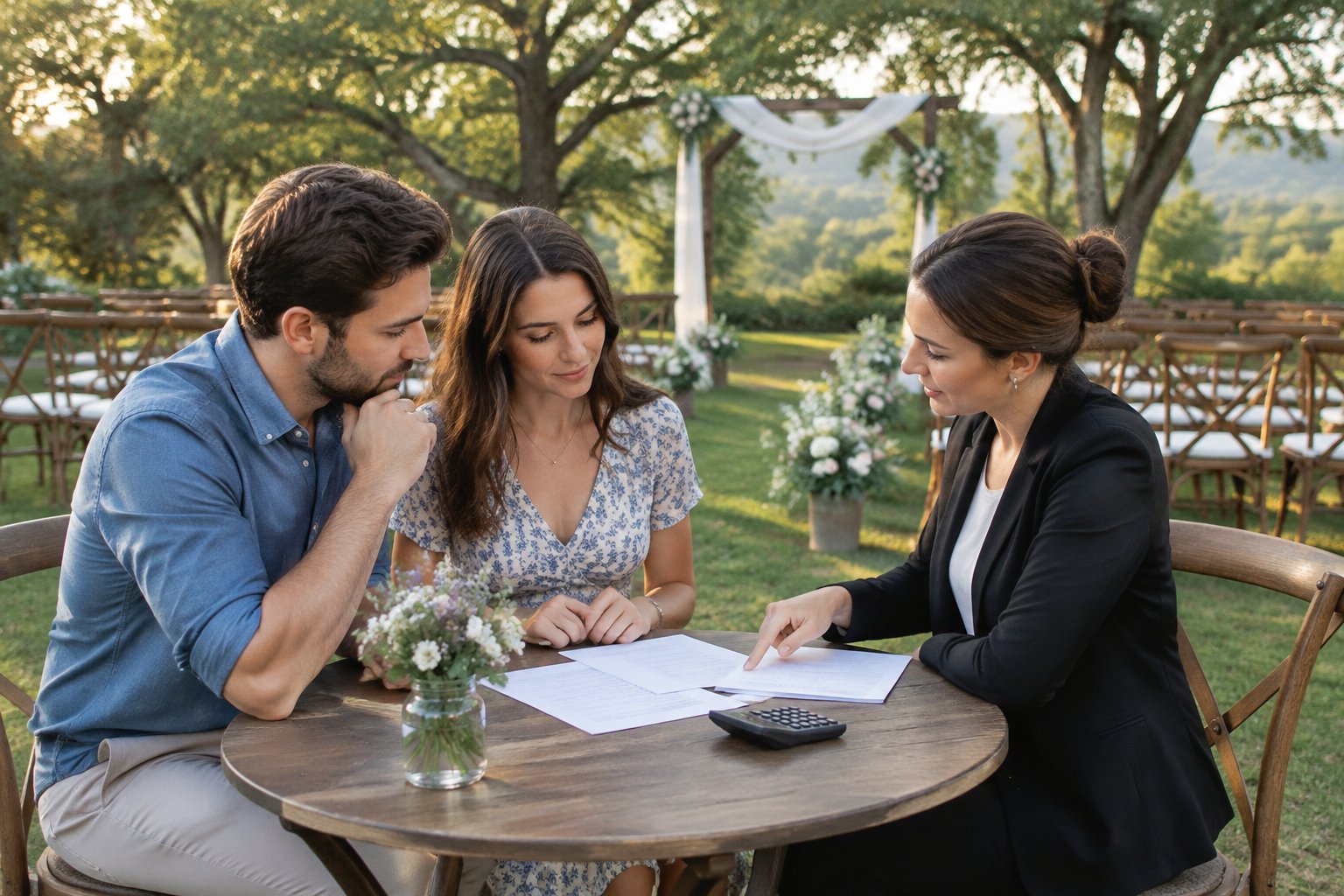
Which Costs Vary by Season and Location?
Venue prices can change with location, date, and demand. A popular peak-season Saturday may cost more than a weekday or an off-season date. Remote properties may also require extra transportation or delivery planning for vendors and equipment.
Build a full estimate that includes the site fee, catering, rentals, lighting, sound, staffing, permits, and taxes. For a park or other public space, check permit requirements and event rules with the local authority. Set aside money for your weather plan, including a tent, heaters, or fans if the venue does not provide them.
How Can Packages and Guest Count Affect the Price?
A package can make budgeting easier when it includes essentials such as tables, chairs, catering, or staff. Compare the package total with the cost of hiring those services separately, and ask about fees for setup, overtime, and cleanup.
Your guest count affects food, seating, drink service, and restroom needs. A smaller list may let you choose a more intimate venue or reduce rentals, while a larger gathering needs enough room for guests and vendors to move safely. Check how much of your wedding budget to spend on a venue as you set a spending limit, then compare the full cost of each option.
How Do You Plan a Comfortable Outdoor Wedding Reception?
A comfortable outdoor wedding reception needs a weather backup, basic guest comforts, and a layout that keeps food, seating, and dancing easy to reach. Plan the guest experience from arrival through the end of the evening.
What Weather Backup Should You Arrange?
Choose a specific backup location or tent plan before you book. Ask how much notice the venue needs to make the switch and who decides when the outdoor setup is unsafe. Confirm the backup space can hold your guest count and the full reception setup.
For heat, plan shade, cold drinking water, and fans. For a cool evening, ask about heaters or blankets. Review the forecast with your venue team as the date gets closer, and share the backup decision time with your vendors.
How Can You Keep Guests Comfortable After the Ceremony?
Offer water near the ceremony and reception areas, with shade where guests will wait or sit. Add clear signs to restrooms and pathways, and let guests know if the ground calls for comfortable shoes. If your event runs into the evening, light walkways and provide a warm layer or blanket when temperatures are expected to drop.
Your outdoor wedding tips can help you plan for sun, wind, and other details that affect guest comfort. Ask the venue about insect control and whether guests can reach indoor restrooms easily.
What Layout Helps the Celebration Flow?
Arrange the reception so guests can move easily between dining tables, the bar, restrooms, and dance floor. Keep clear paths for servers and guests with mobility needs, and place the dance area where music won’t overpower dinner conversation.
A well-planned outdoor wedding layout helps you make room for comfortable seating and smooth movement across the space.
Set the ceremony and reception timeline with sunset and lighting in mind. Confirm where the power outlets are and when lighting will be turned on, then share the final floor plan with your venue team and vendors.