
Should the Bride Be on the Left or Right? Understanding Tradition and Modern Choices
When it comes to wedding traditions, many couples wonder about the placement of the bride and groom during the ceremony. Traditionally, the bride stands on the left side of the groom, symbolizing that he stands closest to her heart. This choice, though, is not set in stone. As wedding ceremonies evolve, many couples embrace their individuality and creativity, making their own decisions about these customs.
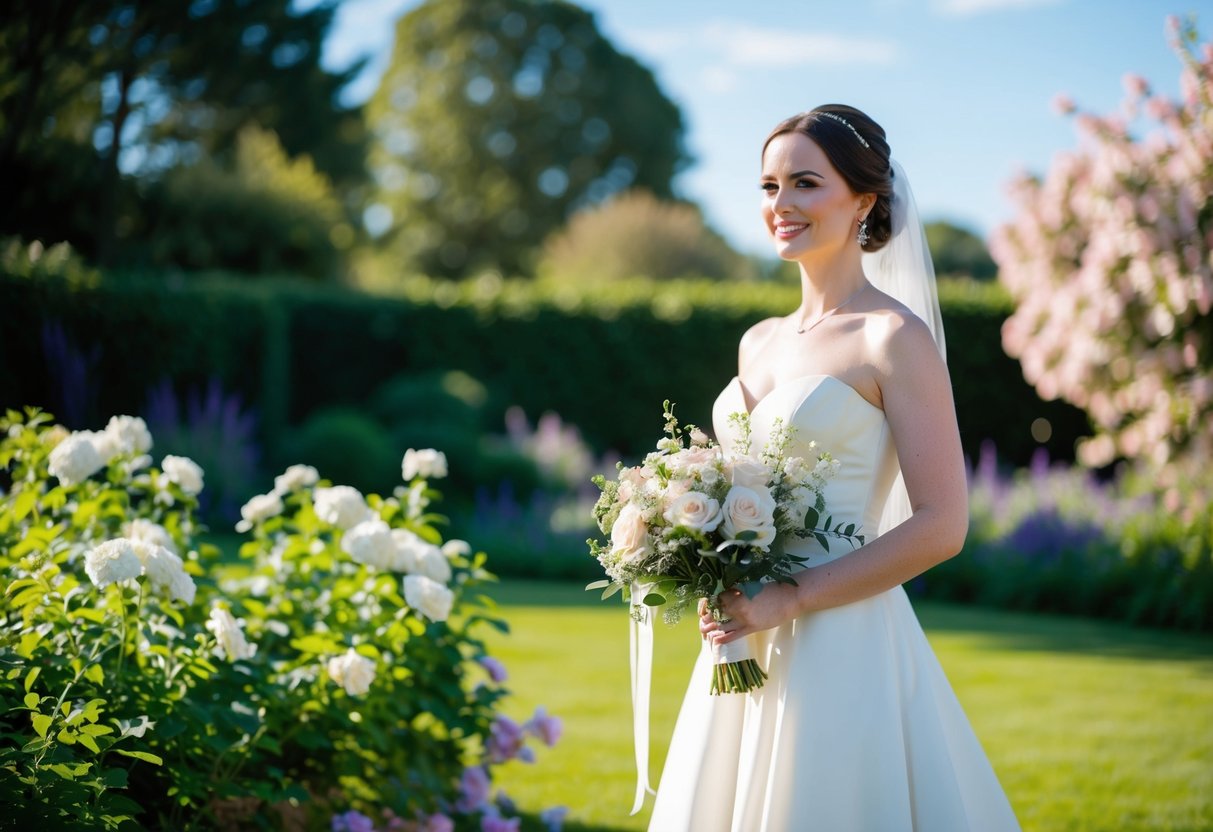
Understanding the history behind these placements can add meaning to your special day. While many people stick with tradition, others choose to flip the script and have the bride on the right. Whether you prioritize adherence to tradition or wish to create a unique experience, the choice is ultimately yours.
Your wedding ceremony should reflect your love and commitment. No matter which side you choose, the most important part is that it feels right for both of you.
The Tradition Behind Positions in Wedding Ceremonies

The placement of the bride and groom during a wedding ceremony holds deep historical and cultural significance. Various traditions influence whether the bride stands on the left or right, shaped by customs, societal norms, and ceremonial practices across different cultures.
Historical Significance of the Bride’s Position
In the Middle Ages, the positioning of the bride on the left side of the groom became common. This tradition stems from the concept of “marriage by capture.” You might imagine a knight protecting his bride from potential threats on his right side. This practice reflected ancient codes of chivalry that emphasized the groom’s role as a protector.
Christian ceremonies often adopted this left-sided tradition, associating it with the idea that the bride is given away by her father to the groom. This significant act symbolized a transfer of responsibility. Furthermore, historical origins suggest that many cultures followed similar practices, indicating the importance of the bride’s placement as a reflection of her status within the union.
Cultural Variations in Wedding Ceremonies
Different cultures show a variety of traditions surrounding the bride’s position. In Jewish weddings, the bride traditionally stands on the right. This symbolizes her value, which is central to the ceremony. In Hindu weddings, you may find the bride and groom seated together on a platform called a “mandap,” with no strict left or right positioning.
Meanwhile, in many Western ceremonies, the bride continues to stand on the left, while the groom remains on the right. Groomsmen often flank the groom, reinforcing this traditional setup. Each culture provides its unique twist while maintaining the focus on love, commitment, and the joining of families.
Modern Considerations in Seating and Positioning
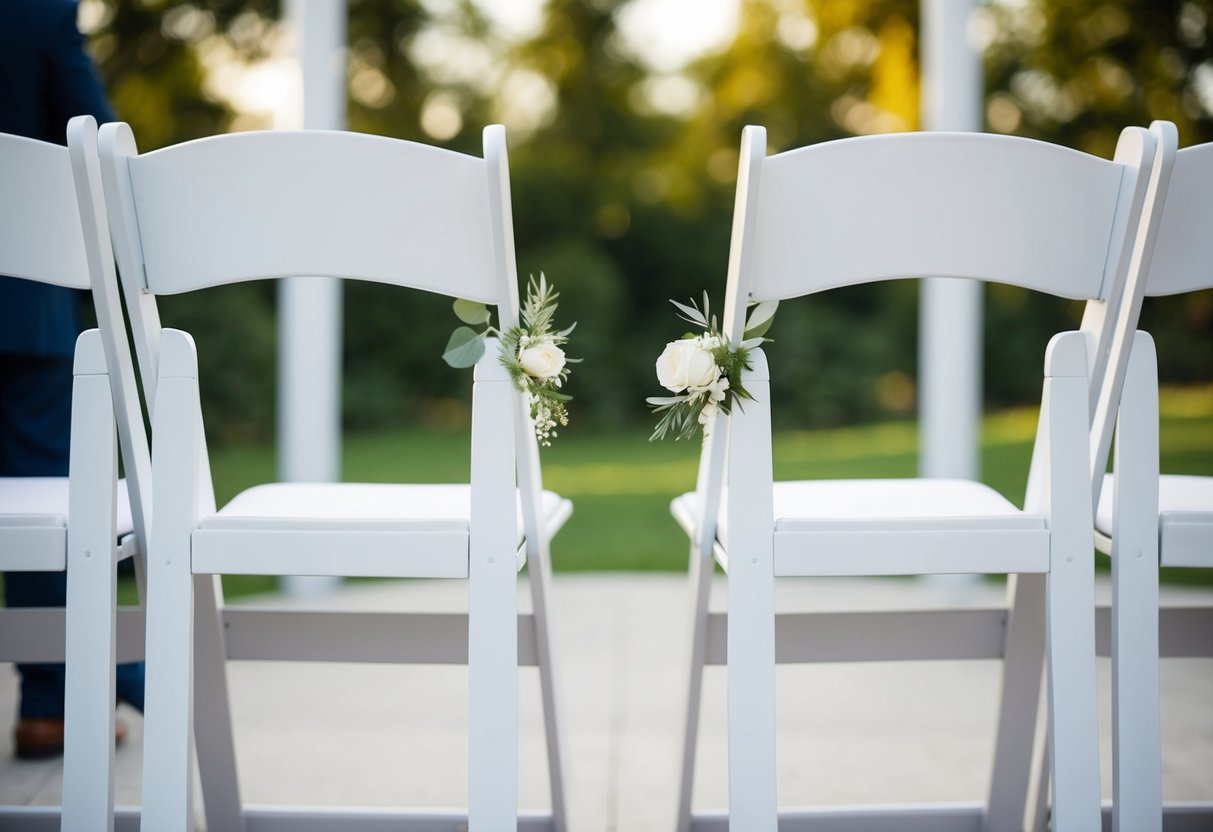
When planning your wedding seating, personal preference and inclusivity play significant roles. Traditional norms are evolving, allowing you to make choices that feel right for you and your partner. Here are some important factors to consider.
Personal Preference and Modern Updates
Your wedding day is a reflection of you and your partner. This means that you can decide where each of you sits based on personal preference.
- Changing Traditions: Many couples now prefer a more relaxed arrangement, while many weddings follow traditional seating.
- Creative Choices: You might choose to sit side by side or have a mix of family and friends around you.
- Wedding Planner Advice: Consulting with a wedding planner can help you create a layout that suits your vision while also accommodating guests.
Your comfort should take priority. After all, it’s your special day, so seating arrangements should reflect your relationship.
Inclusive Approaches for Same-Sex Couples
For same-sex couples, seating can hold even deeper significance as it represents a partnership. Here are some ways to navigate this aspect:
- Family Dynamics: Think about your family members and their comfort levels. Positioning can help ease family interactions.
- Representation: You may want to consider how you want to represent your relationship at the ceremony.
- Flexibility: Feel free to mix traditional and modern elements, creating a unique experience that honors both partners.
Work with your wedding planner to explore options that celebrate your union visibly. It’s all about making choices that are meaningful to you and your loved ones.
Wedding Ceremony Logistics and Layout
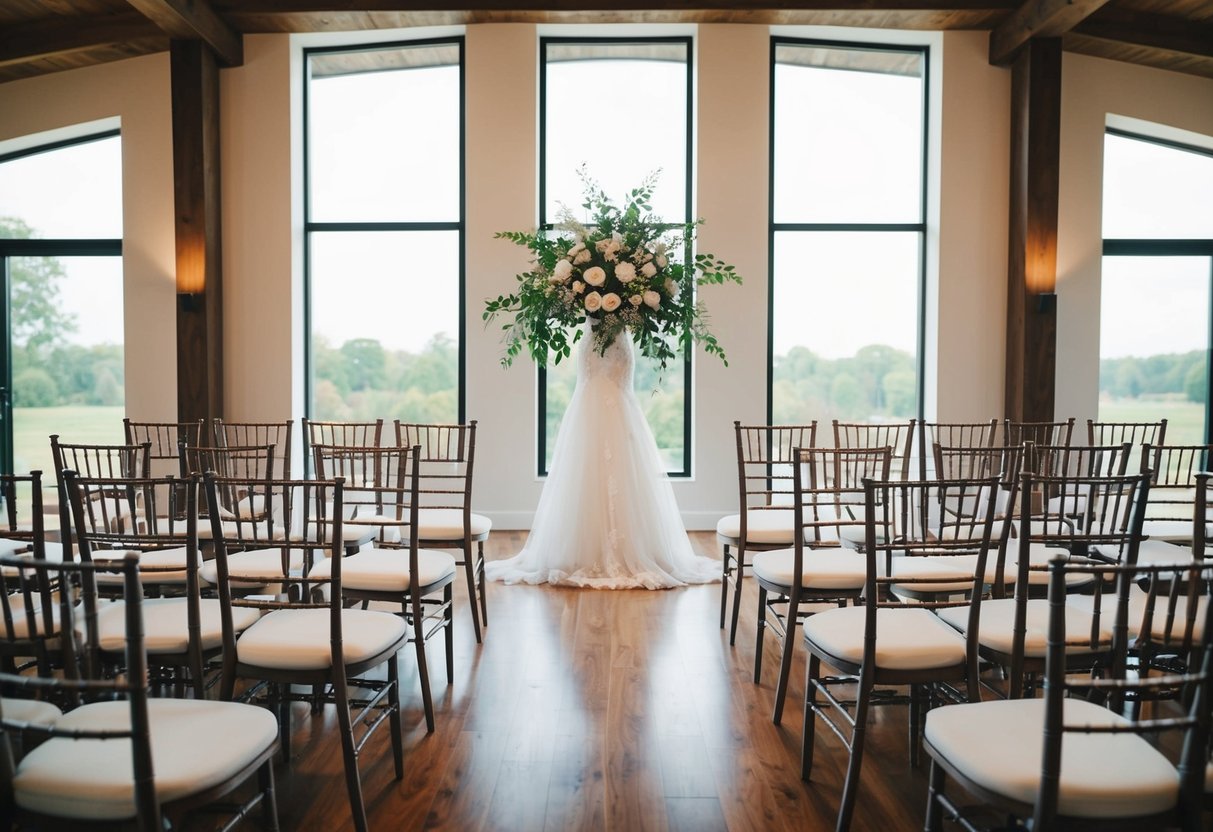
Planning the wedding ceremony involves careful attention to logistics and layout. From the altar setup to the flow of the processional and recessional, these details help create a smooth experience for you and your guests.
The Setup of the Ceremony Altar
The altar is the focal point of your ceremony. It typically sits at the front of the venue, often framed by flowers or decorative elements.
When arranging the altar, consider seating arrangements. The bride’s family usually occupies the left side, while the groom’s family takes the right side. This tradition symbolizes the joining of two families in unity.
In front of the altar, you’ll place the officiant, who leads the ceremony. The head table or sweetheart table may be located nearby, but it’s distinct from the altar area. This helps emphasize the ceremony while also providing a space for the couple to sit during the reception.
Processional and Recessional Practices
The processional marks the start of the ceremony. You might want to choose specific music that sets the right tone. The bridesmaids usually walk down the aisle first, followed by the bride. This is where traditions, like the bride entering from the left, can be significant.
After the vows, the recessional takes place. This involves the couple walking back down the aisle together, often with joyous music. Family members and guests typically follow the couple out, creating a lively atmosphere.
Coordinating with your planner in both instances ensures smooth transitions. This allows everyone to enjoy the special moments. Effective planning of seating and flow makes your ceremony memorable and enjoyable for all.