
Small Wedding Venues for Sale: A Buyer’s Guide
Small wedding venues for sale give you a way to pair a real estate purchase with an event business, whether you’re considering a barn, inn, estate, or banquet hall. You can find small wedding venues for sale as standalone properties or as operating businesses that include equipment, bookings, and lodging. The right fit starts with checking that the property suits your guest count and that its finances, approvals, and sale terms support your plans.
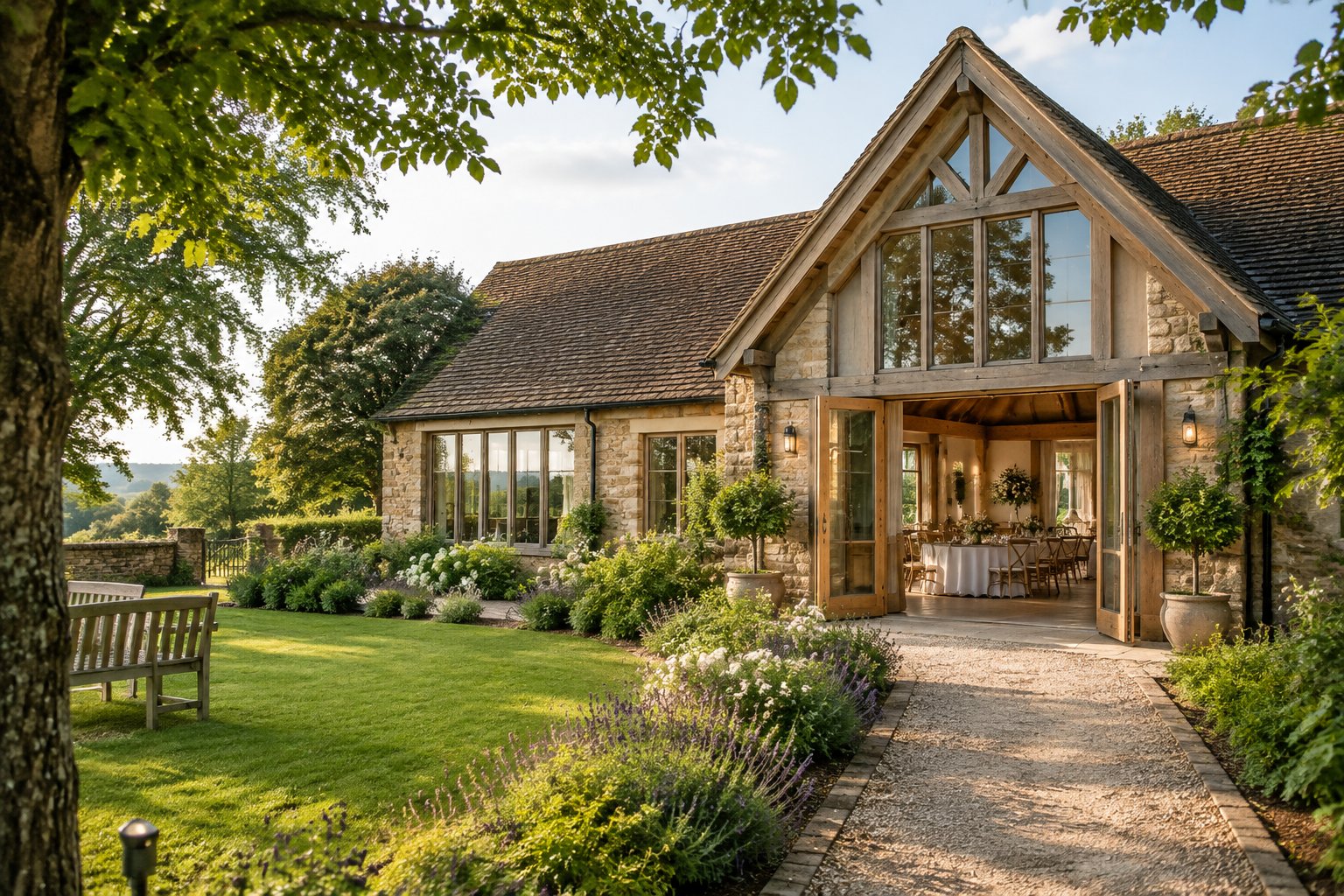
Before you make an offer, decide how many guests you want to host, which services you plan to provide, and how much work you can take on after closing. If you’re ready to explore a purchase, start by listing your must-haves and talking with a local commercial real estate professional who knows hospitality properties.
What Types of Small Venues Are Available?
Small venues range from converted barns and historic estates to inns and banquet halls. Compare the event spaces, guest rooms, and operating setup to see which property matches your goals.
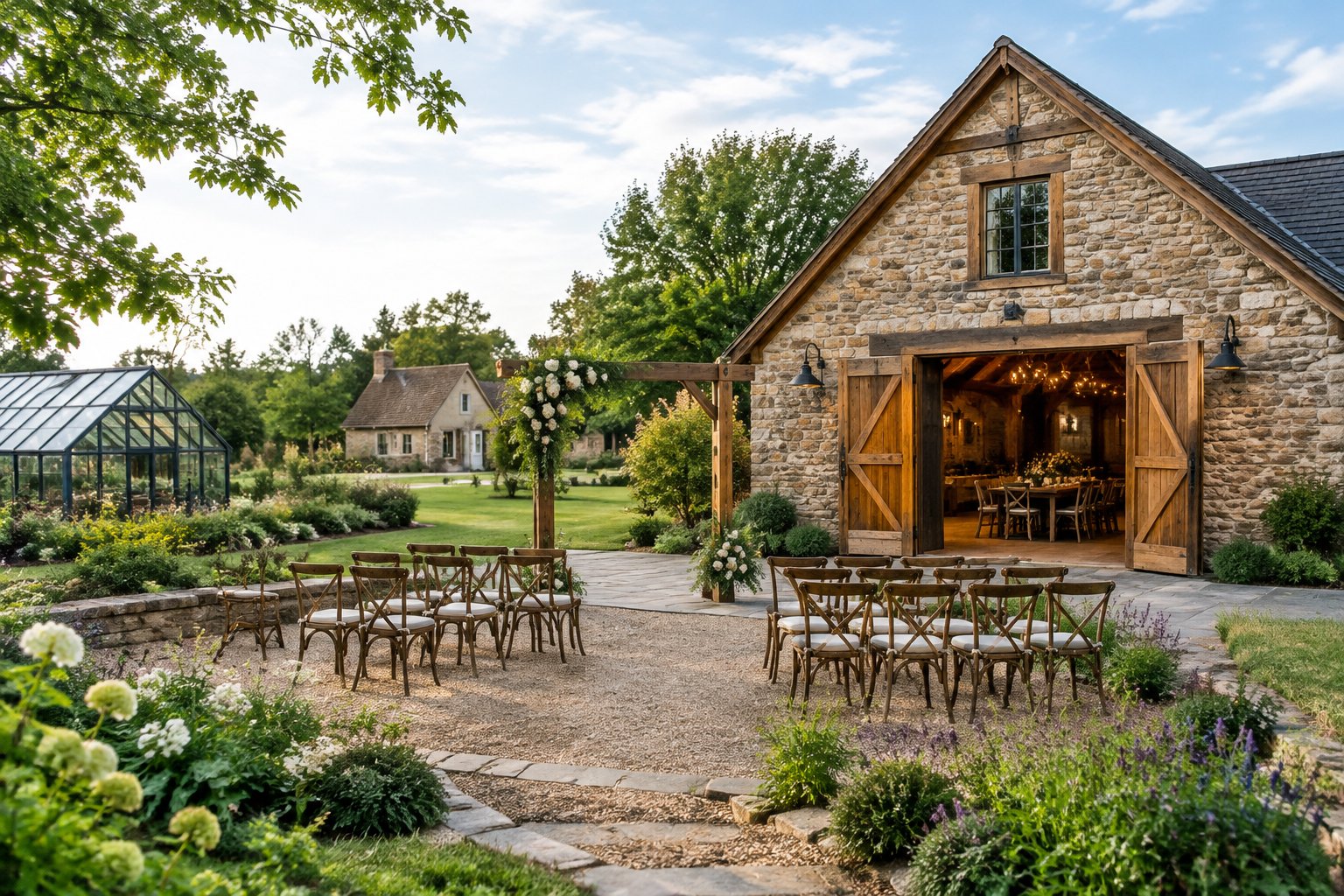
Barns, Estates, Inns, and Banquet Halls
A barn can offer a relaxed setting with room for an indoor reception and an outdoor ceremony. Check the building’s utilities, restrooms, heating, cooling, and access routes, since these features affect both guest comfort and renovation costs. If you’re considering a barn, compare its features with other barn wedding venues for sale.
An estate may offer formal rooms, landscaped grounds, or a historic look. Confirm that the property’s layout allows guests and staff to move between ceremony and reception areas safely. An inn brings lodging into the business model, with guest rooms that can serve wedding parties or overnight visitors. A banquet hall can provide a practical indoor setup with kitchens, tables, and room for year-round events.
How to Compare Guest Capacity and Event Spaces
Compare each venue’s legal capacity with the guest count you want to serve. Ask whether the stated limit applies to indoor seating, outdoor ceremonies, or the full property, and request records that support the number.
Look at how each space works for different parts of an event. A ceremony lawn, reception room, preparation suite, and accessible restrooms can all affect the guest experience. Check parking, vendor access, storage, and whether you can host two events in separate areas at the same time. If your plan centers on intimate celebrations, consider how venues for small weddings handle guest flow and flexible room layouts.
Where Can You Find Small Wedding Venues?
You can search for small wedding venues in established markets such as Northern Virginia and scenic areas such as the Shenandoah Valley. Compare local demand, access, and the property’s setting before choosing a region.
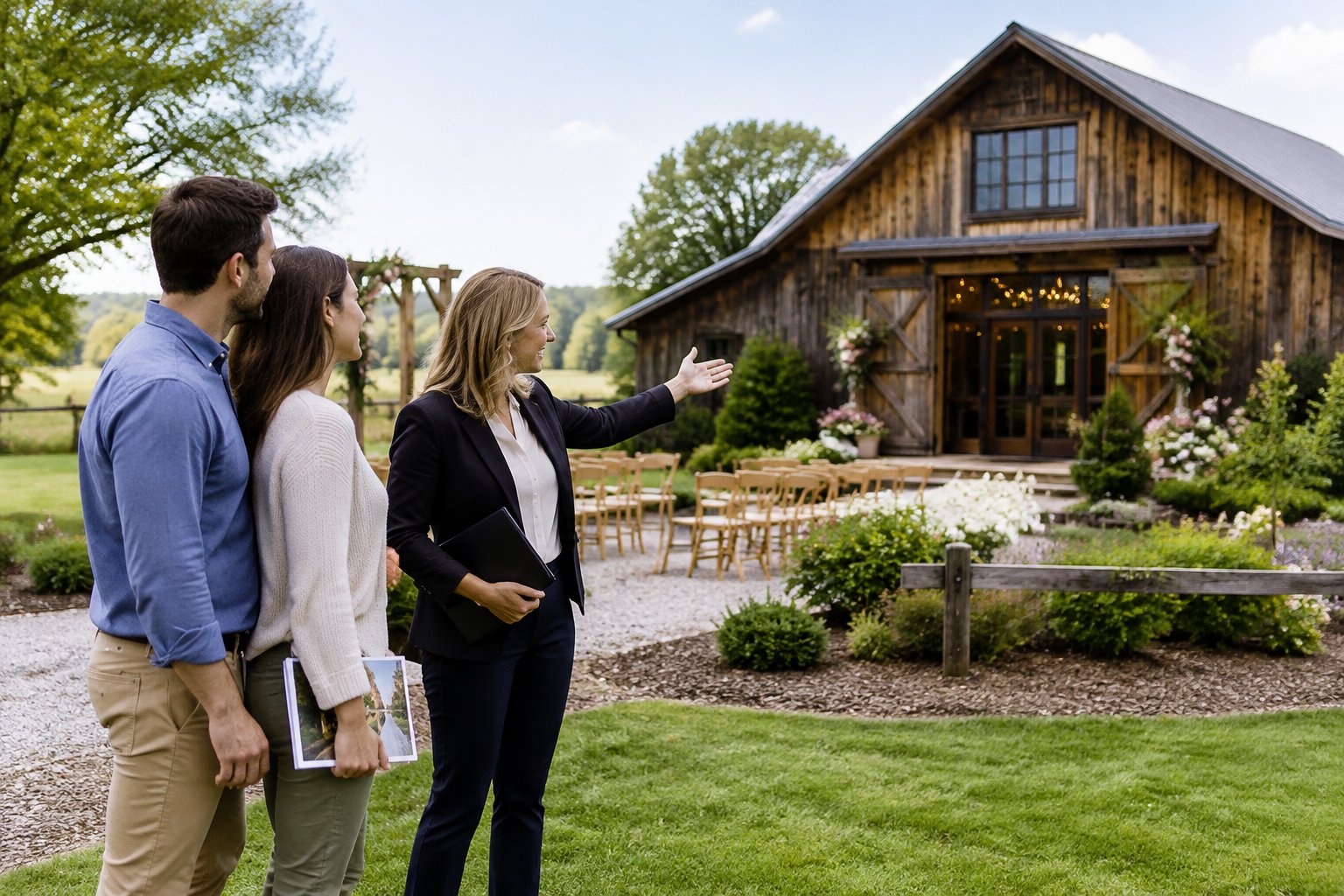
Opportunities in Northern Virginia
Northern Virginia gives you access to a large population and a range of communities, from suburban areas to rural properties. For each listing, check travel times from nearby towns, road access, parking, and the distance guests must travel from hotels or airports. Local zoning rules and event permits can vary by county, so confirm the property’s approved use with the local planning office.
Compare the venue with nearby event spaces and note how each one serves couples. A small property can stand out through its setting, service style, or event packages, but your business plan should account for competing venues and seasonal demand. If you’re weighing the region against another area, use a structured approach to choosing a wedding location.
Properties in the Shenandoah Valley
In the Shenandoah Valley, you can look for rural properties with open grounds, established buildings, and scenic backdrops. Review road conditions, utility access, internet service, and the availability of nearby vendors. Ask how the property handles rain, heat, and cold so you can plan for indoor events across the calendar.
If guest rooms are part of the purchase, verify their condition, permitted use, and upkeep costs. Check the distance to lodging, food, and other guest services for visitors who stay overnight.
Why Mountain Views and Rural Settings Appeal to Buyers
Mountain views and rural settings can give a venue a strong identity and a memorable backdrop for ceremonies and photographs. Your evaluation should also cover practical details: guest travel, parking, lighting, noise limits, and reliable access for emergency services.
Ask whether outdoor spaces have drainage, clear paths, and a backup plan for bad weather. Review the grounds at different times of day to assess light, shade, and the amount of work needed to keep lawns and gardens event-ready.
How Much Do Small Wedding Venues Cost?
The asking price for a small wedding venue reflects the real estate, the operating business, and the assets included in the sale. Compare those parts separately so you can judge what the price covers and what you’ll need to fund after closing.
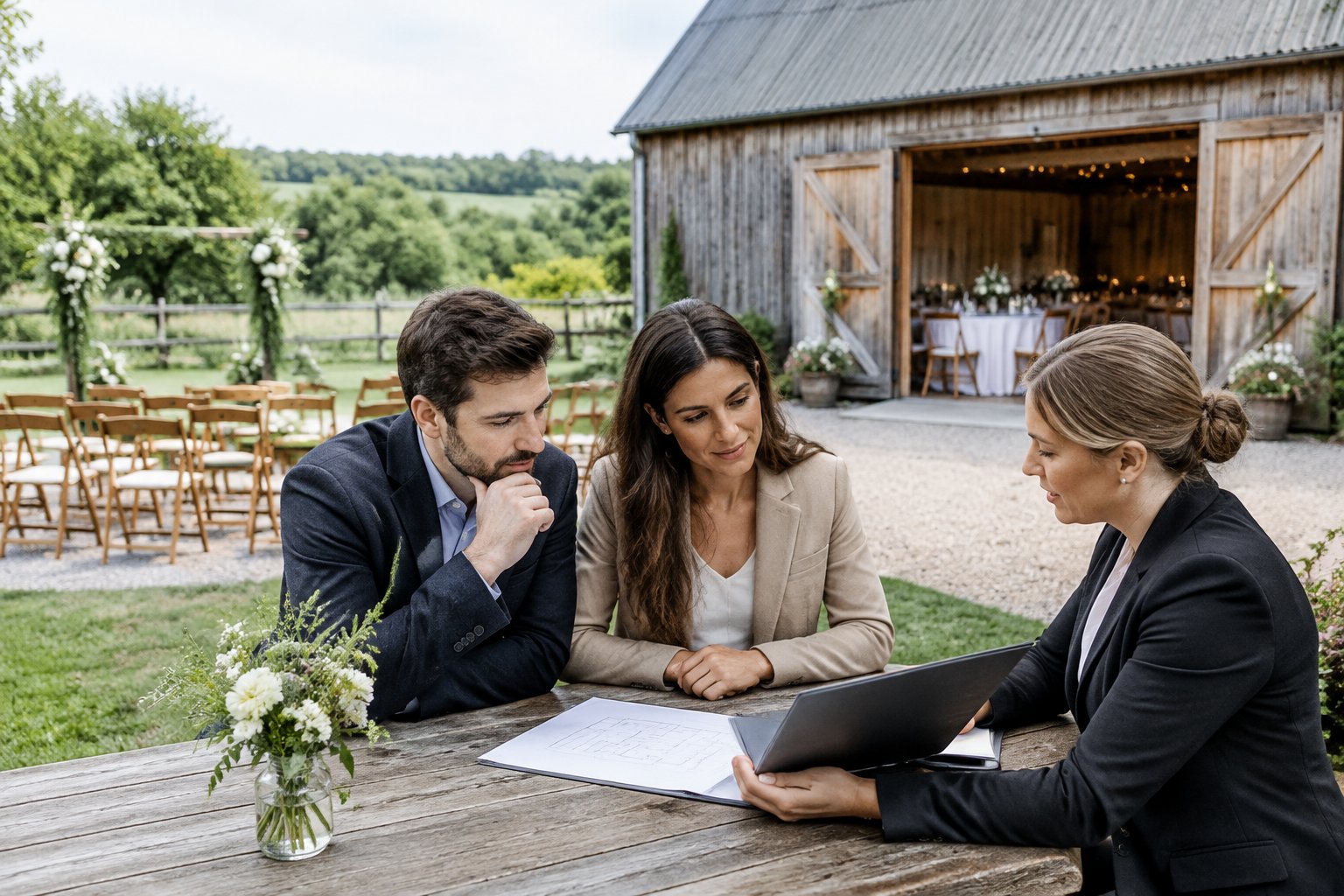
What the Asking Price Includes
A listing’s asking price may cover land and buildings, an operating business, or both. Request a written inventory that identifies included furniture, kitchen equipment, décor, vehicles, and other assets. Ask whether the sale includes the venue name, website, booking records, software, and customer contracts.
Compare the listing details with the purchase agreement. Confirm how the seller treats deposits, prepaid events, refunds, and bookings scheduled after the sale. Those obligations can affect the cash you need at closing and the work you take over. To put the property price in context, compare it with published guidance on what wedding venues cost, keeping in mind that a venue purchase also involves business assets and operating obligations.
How Property, Business, and Equipment Affect Value
Property value depends on location, land, building condition, and features such as event rooms or guest rooms. Business value relates to verified earnings, brand reputation, customer records, and future bookings. Equipment value depends on its condition, age, and usefulness to your planned operation.
Ask for separate support for each part of the price. Have a qualified appraiser assess the real estate and ask an accountant to review business records. Build a budget for repairs, permits, insurance, and operating cash after closing. If you’re comparing lower-priced listings, review lower-cost wedding venues for sale with the same care you apply to higher-priced properties.
How Can You Assess a Venue’s Business Potential?
You can assess a venue’s business potential by checking documented revenue, booked events, costs, and the income opportunities tied to guest rooms and other services. Treat seller projections as claims to verify against records.
Reviewing Event Revenue and Existing Bookings
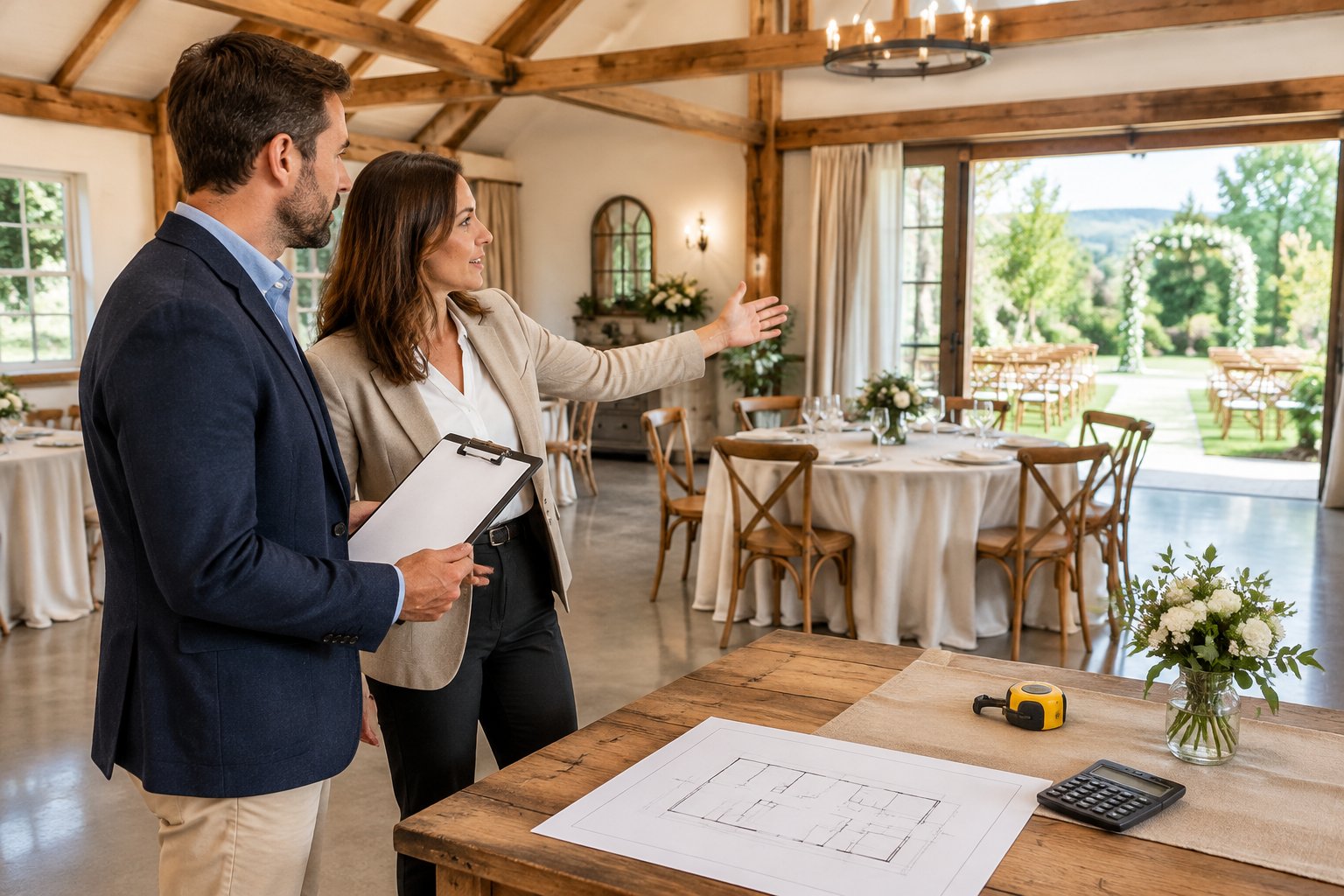
Request several years of tax returns and financial statements, plus current year-to-date figures. Compare reported revenue with bank records, booking invoices, and event calendars. Ask for event counts, average booking prices, refunds, and cancellations so you can see how revenue changes across the year.
Review the contracts for future bookings and confirm which payments have already been collected. Check whether contracts transfer to you and whether clients have a right to cancel after a change in ownership. A booked date is not guaranteed profit: include the costs of labor, cleaning, supplies, and any promised services when you estimate its value.
Evaluating Lodging and Additional Revenue Streams
Guest rooms can support overnight stays and add income beyond event rentals. Review occupancy records, room rates, cleaning expenses, repairs, and any lodging approvals. Confirm which rooms are available to guests and whether any require renovation.
Look at other services the venue offers, such as catering, coordination, rentals, or weekday events. For each revenue stream, check the contracts, staff needs, equipment, and direct costs. If the business sells bundled packages, confirm what each package includes and how the venue tracks those costs.
What Should You Verify Before Buying?
Ask the local planning office to confirm the property’s zoning and approved uses. Check whether the current owner holds special-use approvals, business licenses, health permits, or alcohol-related permits, and find out which approvals need to be renewed or transferred.
Verify the approved guest capacity and the conditions tied to it. Review building and fire inspection records, parking rules, noise limits, and accessibility features. Confirm that outdoor ceremony areas and guest rooms are covered by the relevant approvals. A listing for wedding venues for sale does not by itself prove that a property is cleared for every type of event.
Property Condition, Operating Costs, and Sale Terms
Hire qualified inspectors to review the roof, structure, plumbing, electrical systems, heating and cooling, and fire safety equipment. For rural properties, check wells, septic systems, drainage, and road access. Get repair estimates before you decide how much cash to reserve.
Review recurring expenses such as property taxes, utilities, insurance, payroll, maintenance, and marketing. Ask for service agreements, vendor contracts, leases, and any debt tied to the business or property.
Have an attorney review the purchase agreement, including the assets included, booking transfers, deposit obligations, financing conditions, and deadlines. Walk away from unclear terms until you know what you’re agreeing to take on.