
Small Wedding Venues Near the Beach: How to Choose
Small wedding venues near the beach work best when they pair a guest-sized ceremony space with a clear weather backup and easy shoreline access. For a small wedding, choose a beach venue that feels comfortable at your guest count and gives you a practical plan for wind or rain.
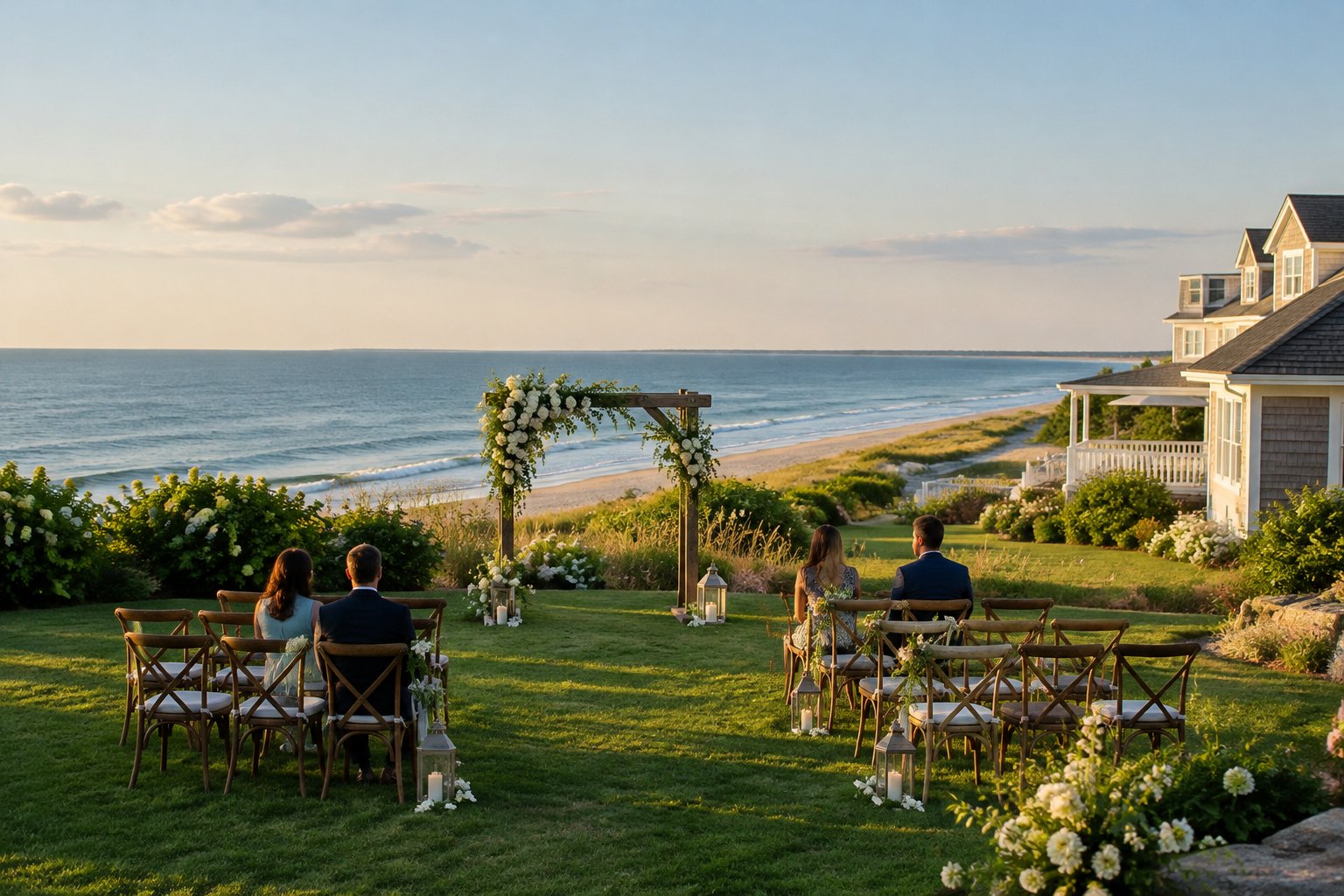
Decide whether you want the ceremony directly on the sand, on a terrace with ocean views, or at a nearby indoor space. That choice helps you narrow your search for an intimate beach venue and focus your tour questions.
What Makes a Beach Venue Work for a Small Guest List?
A beach wedding feels intimate when the space, layout, and amenities suit your guest list from arrival through the reception. A well-chosen beachfront wedding venue also gives you a way to enjoy the coast while keeping guests comfortable.
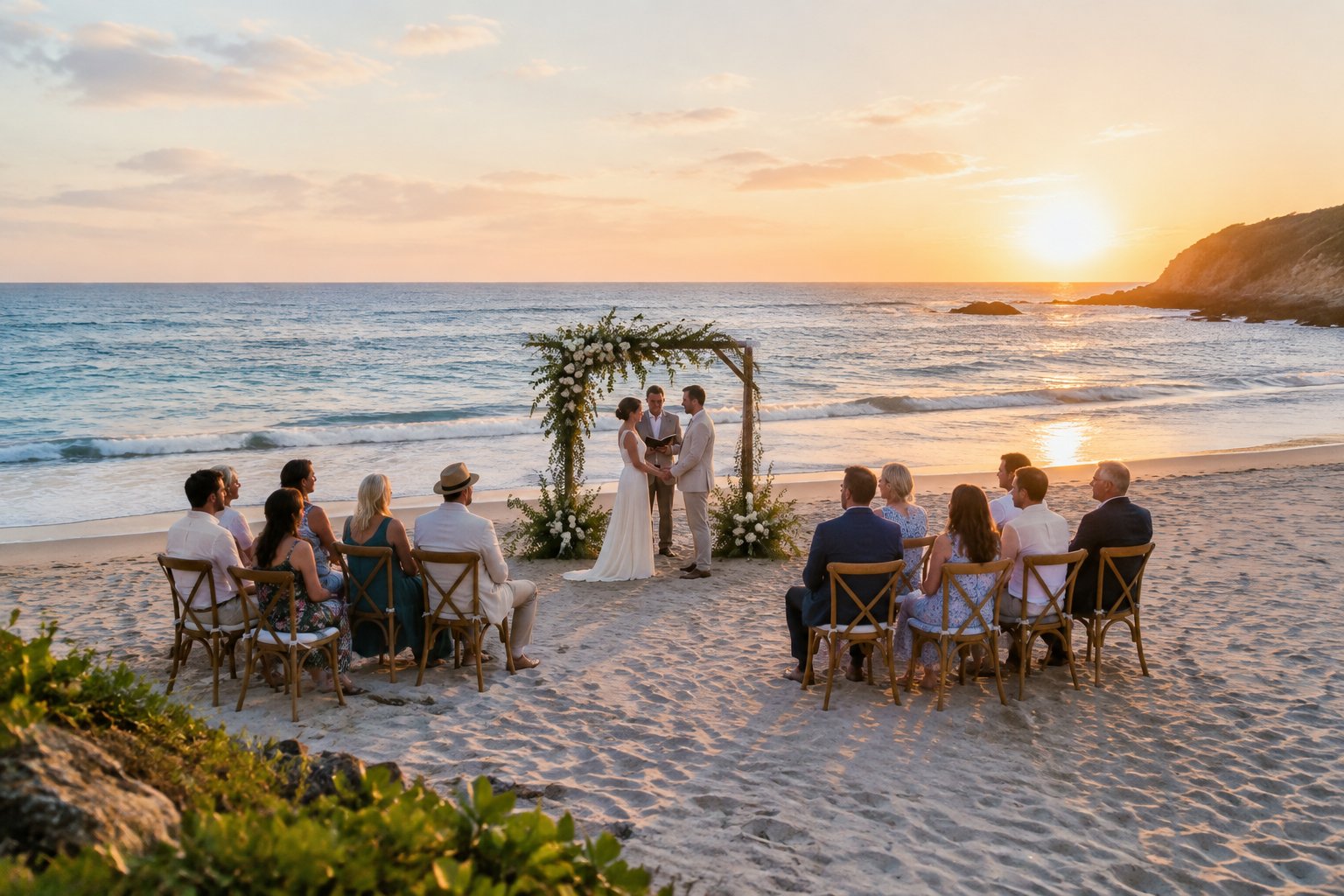
How Do Capacity and Layout Shape the Celebration?
Check the venue’s capacity for each part of your event, since ceremony seating and reception dining may have different limits. Ask for a floor plan that shows where guests will sit, how they will reach the ceremony area, and where you can gather for dinner or dancing.
For an intimate wedding, a space sized for your actual guest count helps guests feel connected to the ceremony. If you expect 30 people, ask to see the layout set for that number. A large lawn or ballroom can feel sparse without a thoughtful seating plan.
Look at the route from parking to the ceremony space, too. Sand, stairs, and long walks can create challenges for guests with mobility needs. Coastal wedding venues with a boardwalk, paved path, or nearby terrace can make the day easier for everyone.
Which Amenities Matter Most for a Smaller Wedding?
Prioritize the amenities that support your schedule and guest needs. Ask whether the venue provides chairs, restrooms, an indoor gathering space, and a point person for setup. Find out if food service and cleanup are included or handled by outside vendors.
A smaller event still needs a clear plan for getting guests from the ceremony to the reception. If you want both in one place, look for a venue with a nearby dining area or a private room. You can compare intimate reception venue options while deciding how much of the celebration you want on the beach.
Which Coastal Settings Suit an Intimate Celebration?
Resorts, beach clubs, historic hotels, and dedicated event spaces each offer a different way to host a small coastal celebration. Compare the guest experience and the spaces available for your date before you choose a destination wedding setting.
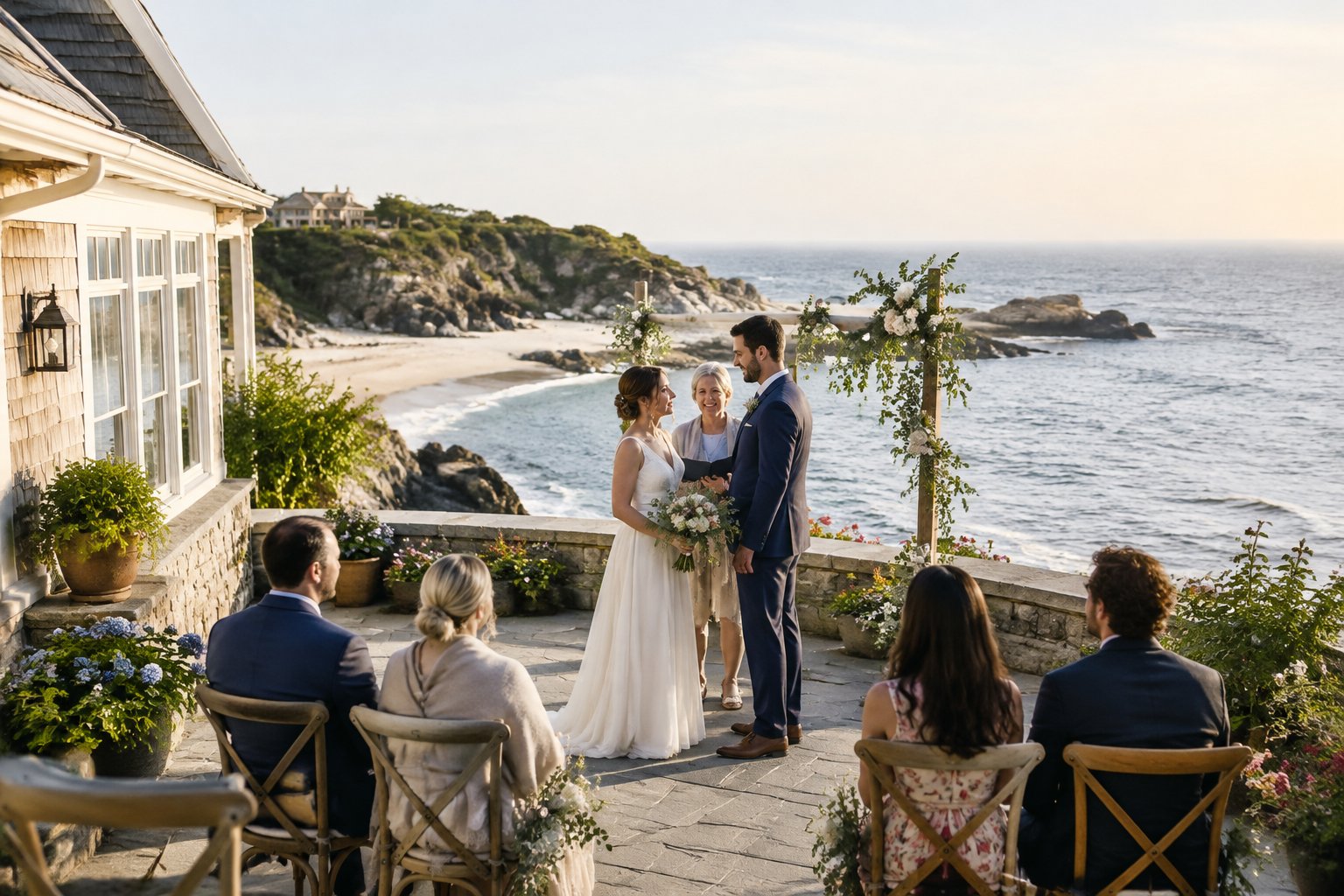
What Do Full-Service Resorts Offer?
A full-service resort can bring ceremony, reception, lodging, and planning support together at one property. That setup can simplify travel for your guests, especially when they are coming from different areas. Ask for a written list of what each wedding package includes, then check how the price changes with your guest count.
You might explore Wild Dunes Resort, Alila Marea Beach Resort, or Hotel del Coronado as starting points for researching coastal resort settings. Compare their current event spaces, package details, and guest lodging options directly with each property.
A resort can also work well if you want guests to stay for a few days. Share key travel details early, and consider how you’ll help guests plan their time with ideas for a destination wedding guest schedule.
Are Beach Clubs, Historic Hotels, and Unique Spaces a Better Fit?
A beach club or smaller event space may suit you when you want a focused celebration with a strong sense of place. Navy Beach, Monterey Beach Station, and Surf Club are examples to research as you compare coastal venues. Confirm which spaces are available for private events and how each location handles ceremony and reception plans.
Historic hotels can offer a distinct setting with indoor and outdoor spaces in one property. The Grand Hotel is one name to consider when researching historic coastal stays. Ask about event capacity, room availability, and any venue rules that affect your plans.
Your shortlist should reflect your preferred setting and your guests’ needs. Look at current photos and floor plans, then confirm details such as privacy, access, and setup time with the venue.
How Do You Find and Compare Nearby Venues?
You can build a useful shortlist by searching local listings, venue directories, and individual property sites, then checking each result against your guest count and budget. Search for beach wedding venues near your preferred town and compare the details in one place.
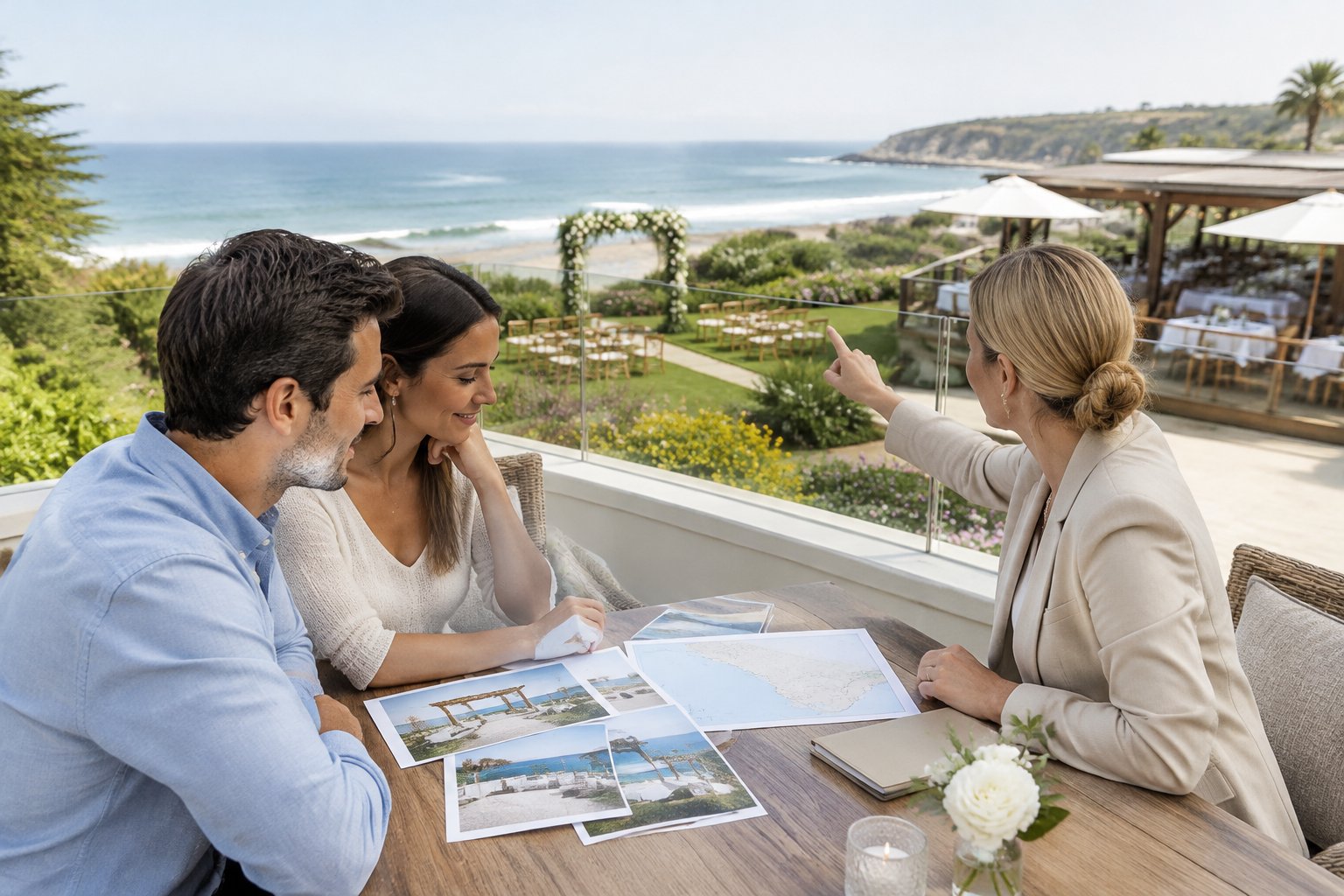
Which Search Tools Help You Build a Local Shortlist?
Start with searches such as “beach wedding venues near me” and “wedding venues near me,” then add the town, coastline, or nearby landmark you have in mind. Directory listings can help you discover options, while venue websites are useful for checking current policies and event details.
Peerspace can help you find event spaces by location and compare listing details. You can also review beach wedding venues in your area as you map out your search. Save a short list of places that match your guest count, preferred setting, and travel needs.
Keep notes on the ceremony location, reception space, listed capacity, and contact details. This makes it easier to spot which venues need a follow-up call and which ones fit your requirements on paper.
What Questions Should You Ask During a Venue Tour?
Ask the coordinator to show you the exact areas you would use for the ceremony, reception, and weather backup. A tour helps you assess the guest route and see how close the spaces are to parking and restrooms.
Bring questions about these details:
- What is the seated capacity for the ceremony and reception?
- Is the beach public, private, or shared with other visitors?
- Which furniture, setup, and cleanup services are included?
- What happens if wind or rain affects the outdoor plan?
- Are outside caterers or vendors allowed?
Ask for current prices and policies in writing after your visit. A clear response gives you something specific to compare across your shortlist.
What Should You Budget and Confirm Before Booking?
Set your budget by estimating the full event cost, including venue fees, food, rentals, permits, and weather protection. A wedding planner can help you track those details and coordinate vendors if your venue does not provide that support.

Which Fees and Services Can Affect the Total Cost?
Ask for a complete estimate that separates the venue fee from food, service charges, taxes, rentals, and any required staffing. Check whether the quoted price changes by day, season, event length, or guest count. If you are weighing lower-cost options, compare affordable beach venues by the full package price, not just the rental fee.
A beach ceremony can need extra items such as chairs, a sound system, lighting, or a wedding tent. Ask whether the venue supplies these or expects you to arrange them. If you plan to bring outside vendors, confirm delivery times and any access or setup fees.
Do You Need Permits, a Wedding Planner, or a Backup Space?
Ask who is responsible for permits before you book a beach ceremony. Rules vary by location, and public beaches may have limits on event size, décor, sound, or setup. Get the permit requirements and fees from the local authority or venue in writing.
A wedding planner can manage details such as vendor schedules, setup, and communication with the venue. If you are hiring one, clarify which tasks are covered and who will be on site on the wedding day.
Confirm your backup space before signing. Ask whether it is included in the rental, how many guests it holds, and when the venue makes a weather call. If you are considering a tent, confirm that the site allows one and ask who handles installation.
How Can You Make the Day Comfortable for Guests?
You can make beach wedding venues more guest-friendly by planning for the elements and sharing clear travel details in advance. A few practical choices help guests prepare for the ceremony and enjoy the celebration.
How Should You Plan for Wind, Sand, and Changing Weather?
Choose a ceremony time that limits direct sun exposure, and check local conditions for your date. Ask the venue how it handles wind, rain, and changing tides, then make sure your backup plan is ready well before the event.
Give guests a clear dress note that mentions sand, outdoor seating, and suitable shoes. Provide water and shade, and check that chairs sit securely on the ground. If your ceremony is on soft sand, think about a firm path or another accessible route for guests who need one.
Wind can affect hair, flowers, printed signs, and sound. Use sturdy décor and ask whether the venue provides a microphone or sound system. For more ideas on helping guests feel welcome, plan small comforts such as fans, sunscreen, or a place to sit while guests wait.
What Should You Consider for Travel and Overnight Stays?
Choose a location that guests can reach without a difficult transfer, and share directions, parking details, and nearby lodging as soon as you set the date. If guests are traveling from far away, ask whether the venue or nearby hotels offer room blocks or shuttle options.
Include the ceremony location and arrival time in your invitations or wedding website. Let guests know about stairs, sand, walking distance, and any limits on parking. If your venue is part of a destination wedding, share a simple schedule so guests can plan their stay and know when to be at each event.