
Small Wedding Venues NZ: A Practical Planning Guide
For a small wedding in New Zealand, choose a venue that fits your guest list and makes the day easy for people to attend. A compact guest count gives you more choice, from a private dining room to a vineyard, garden, or country retreat.
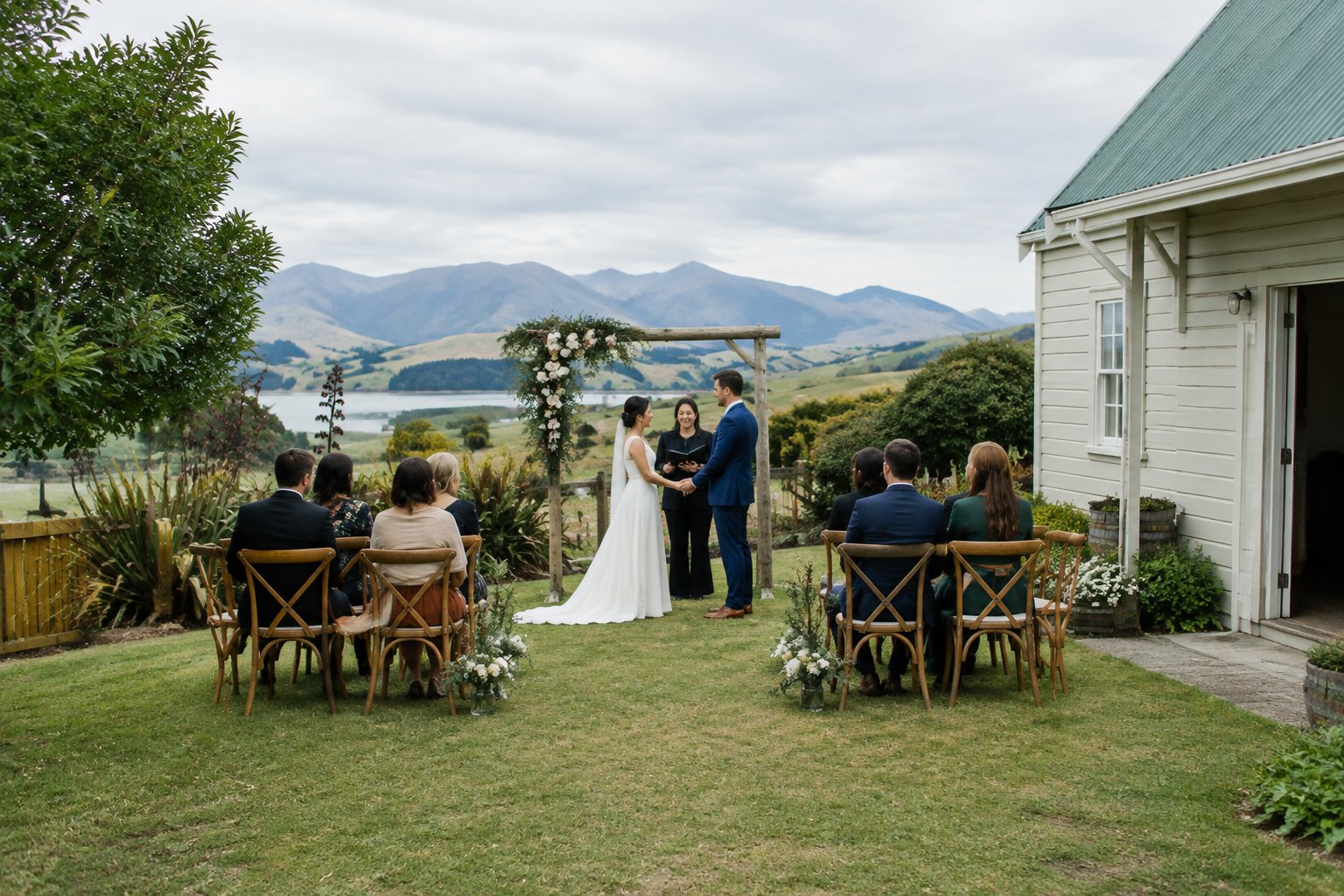
Start by setting a realistic headcount, then compare the venue’s capacity, location, and total cost. Once you have a rough guest list, contact a few venues to ask about dates, packages, and site visits.
How Do You Set Your Guest Count and Location?
Your guest count and travel plans will quickly narrow your venue choices. Decide who you most want beside you, then look at regions that are practical for those guests to reach.

What Counts as a Small Wedding?
A small wedding often means around 20 to 50 guests, while a micro wedding may have fewer than 20. These labels have no fixed rule, so choose a number that feels personal and fits your budget. Include children and your wedding party in your first count, and allow for vendors when you check the venue’s capacity.
If your list is still shifting, sort guests into priority groups and estimate how many are likely to attend. A simple guest-count planning method can help you set a working number before you request quotes.
Which New Zealand Region Works Best?
Choose a region that suits your preferred setting and your guests’ starting points. Auckland offers city spaces and island escapes; Waikato and the Bay of Plenty have countryside and garden options; and Queenstown and Wānaka suit couples drawn to alpine views.
You can also consider Hawke’s Bay for vineyard and rural settings, or Wellington and Christchurch for venues near city services. Compare at least two areas before you settle on a date. A small wedding venue shortlist can help you explore different styles while you keep your guest count in view.
How Will Travel Affect Your Guests?
Travel affects attendance, timing, and what guests need to spend. Check flight and ferry options, drive times, local transport, and nearby places to stay before you commit to a remote or island venue. If many guests are traveling from overseas or across New Zealand, share the location early so they can plan leave and transport.
What Venue Styles Suit an Intimate Wedding?
Small weddings work well in spaces designed for close gatherings, including restaurants, boutique stays, vineyards, gardens, and community venues. Compare how each place handles dining, ceremony setup, and guest comfort, then decide how much planning you want to manage yourself.
Are Boutique Hotels and Restaurants a Good Fit?
A boutique hotel or restaurant can keep your day straightforward, especially if you want a meal-led celebration. Private dining rooms give your group a defined space, while a hotel may combine your ceremony, reception, and guest rooms in one location. Browse boutique wedding venues with your expected guest count in mind, and ask whether the hire fee includes staff, furniture, and a meal.
A restaurant may have limited room for dancing or a separate ceremony. Ask for a floor plan and confirm the event’s end time before booking.
Could a Vineyard, Farm, or Garden Suit Your Plans?
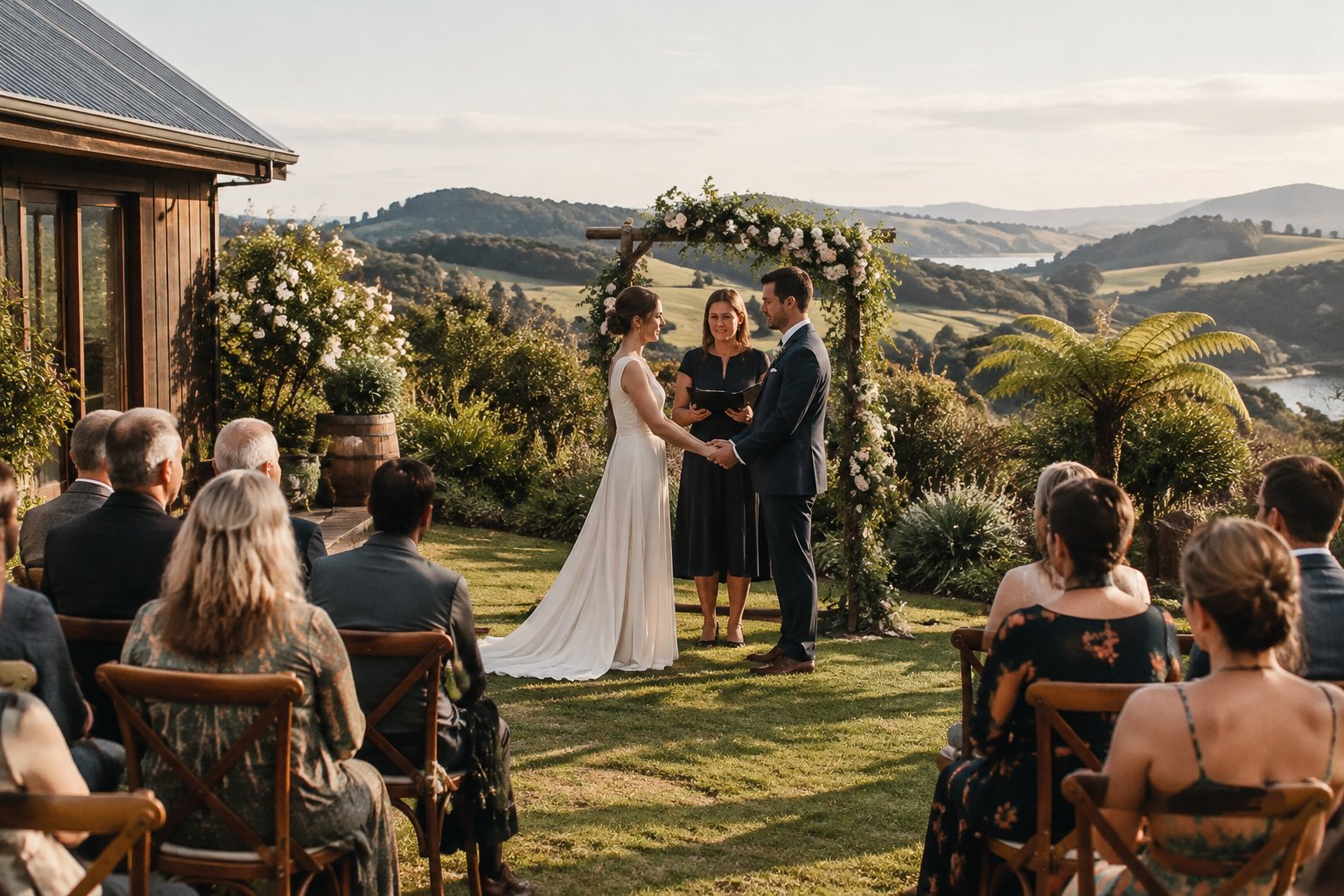
A vineyard, farm, or garden can give you an outdoor ceremony with a built-in setting for photos and mingling. Check what happens if weather changes, how far guests walk between spaces, and whether the venue provides chairs, lighting, toilets, and a covered area.
Local small businesses, such as caterers and florists, can help shape a relaxed celebration around regional food and flowers. If the venue requires you to bring in suppliers, confirm their access times and setup needs.
What Can a Private Home or Community Venue Offer?
A private home can make your wedding feel personal, while a community hall can provide a flexible room at a lower hire cost. These options may involve more coordination: you could need to arrange catering, furniture, tableware, toilets, rubbish removal, or sound equipment.
Ask about parking, neighbours, noise limits, and cleaning duties. For a home wedding, check that the property has enough indoor space for every guest if the outdoor plan changes.
How Much Do Small Wedding Venues Cost?
The hire fee is only one part of your venue budget; food, drinks, staffing, and equipment can change the final figure. Compare full quotes for the same guest count and hours so you can see what each venue includes.
What Is Usually Included in the Hire Fee?
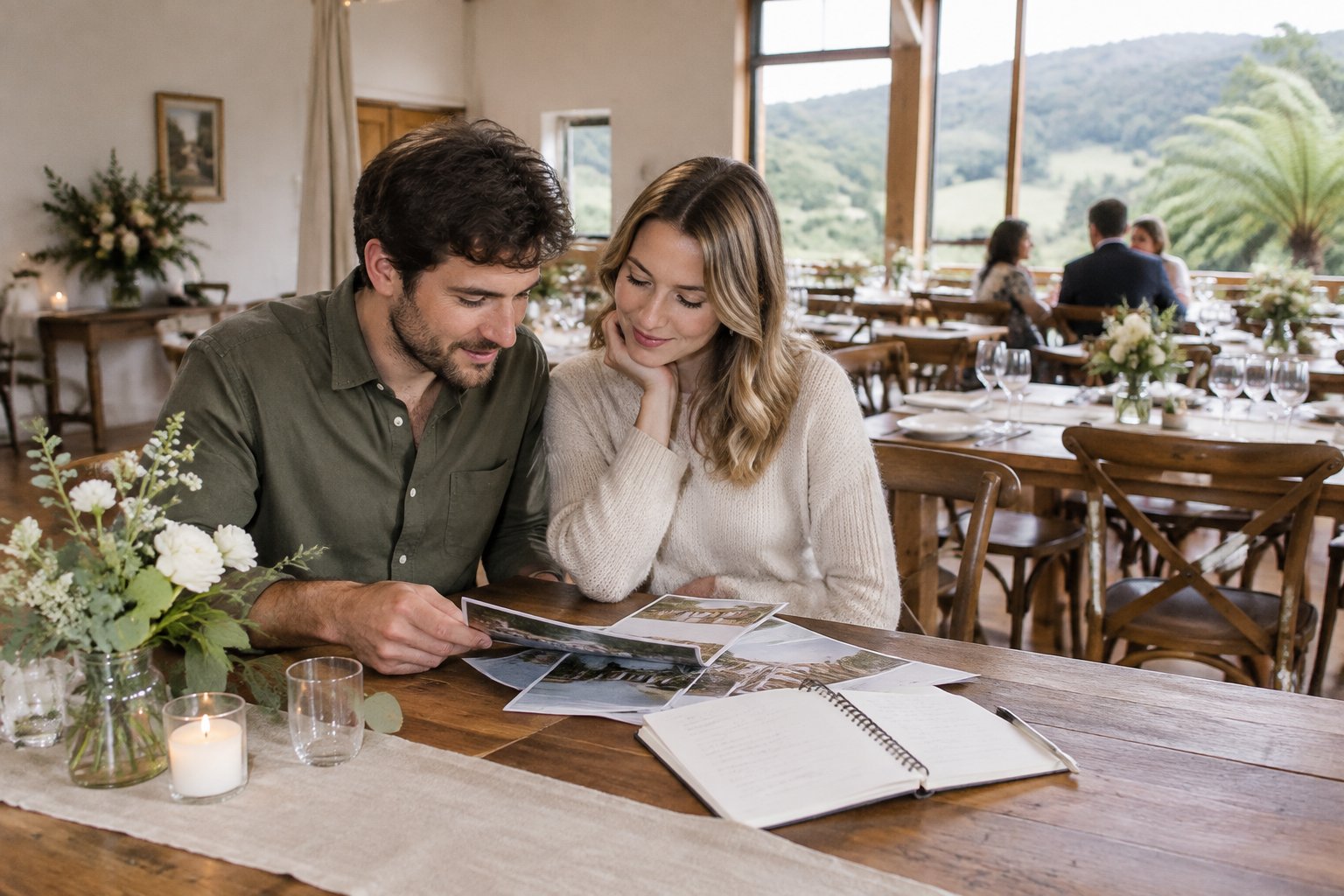
A venue hire fee may cover the event space, tables, chairs, basic setup, and access for a set period. Some venues include an event coordinator, staff, or standard tableware; others charge separately for these services. Review what wedding venues cost as a starting point, then request a written quote for your date and group size.
Check whether the quote includes GST, ceremony use, setup time, and pack-down time. Ask who will be on site during your event and what support they provide.
Which Extras Can Increase the Budget?
Catering, drinks, furniture hire, décor, lighting, and transport can add to your venue spend. A venue with a lower hire fee may need more supplier bookings, while a package can bundle several services into one price. Compare all-inclusive small wedding venues with BYO options by listing each included item and its cost.
Ask about minimum spends, per-person charges, service fees, and overtime. A weekday date or shorter event may also change the hire rate, so request pricing for more than one date if your plans are flexible.
How Can You Compare Quotes Fairly?
Use the same guest count, event length, and meal plan when you compare quotes. Make a simple table with venue hire, food, drinks, staffing, rentals, and any required suppliers. Then note what is included, what is optional, and when each payment is due.
A lower-cost venue search can help you spot budget-friendly formats, but review the full cost before you decide. Get each venue to confirm its quote and any additional charges in writing.
What Should You Check Before Booking?
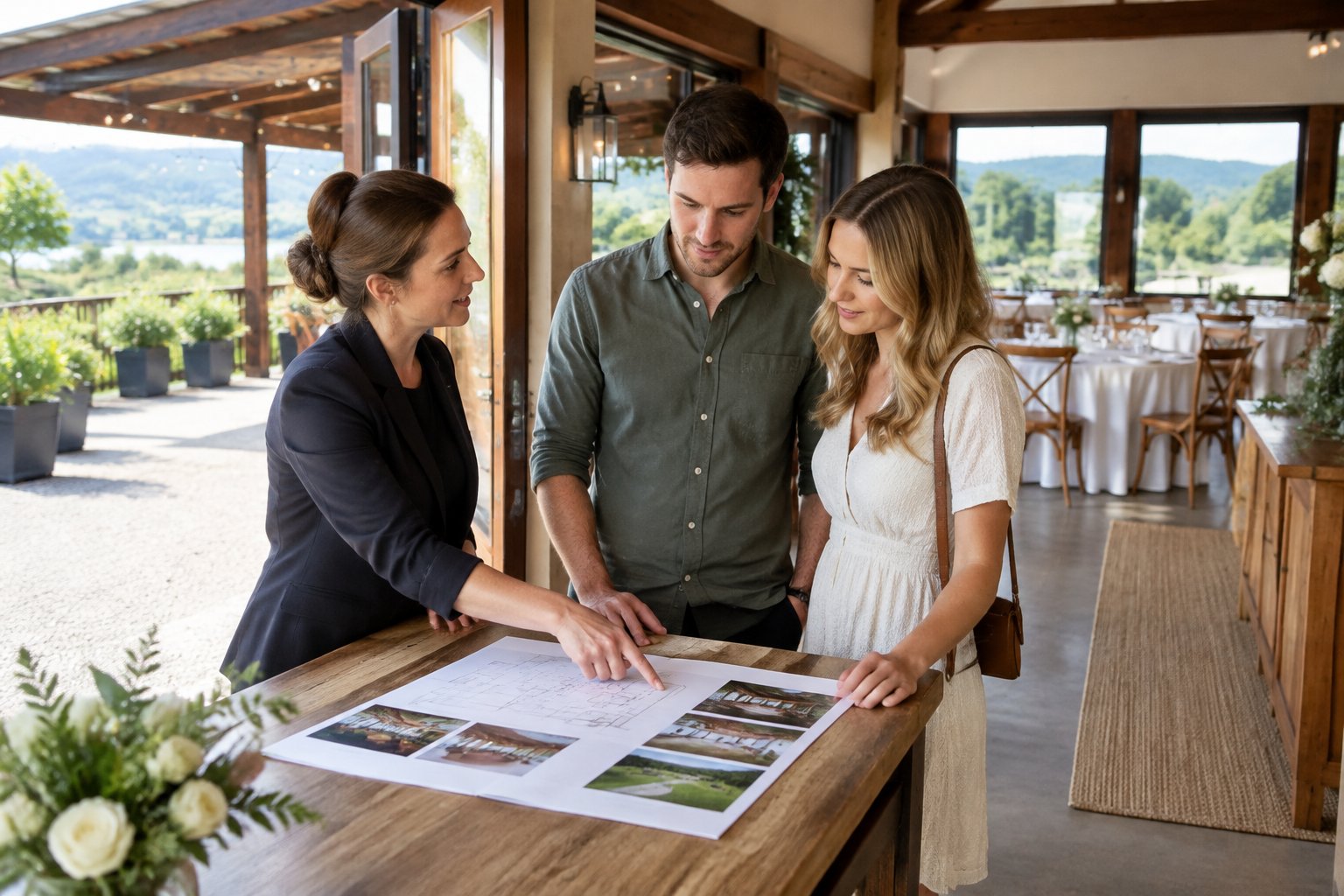
Before you pay a deposit, confirm the venue’s capacity, supplier rules, and contract terms in writing. A site visit helps you check the layout and facilities, while direct questions can clarify details that a brochure may leave out.
Does the Capacity Include Vendors and Children?
Ask how the venue counts guests, children, and working vendors such as photographers, musicians, and caterers. A room’s legal capacity may differ from the number it can seat comfortably for dinner. Request a sample layout for your ceremony and reception, including space for walkways and vendor equipment.
Confirm whether the venue uses separate limits for indoor and outdoor areas. If your guest list grows, find out when you need to provide the final number.
What Are the Rules for Catering, Drinks, and Décor?
Ask whether you can choose your own caterer, bring alcohol, or use a preferred supplier list. Confirm corkage charges, bar service rules, kitchen access, and any restrictions on candles, confetti, or hanging decorations. If you have a specific styling plan, share it before signing.
Check what the venue provides for setup and pack-down. A clear schedule helps you coordinate vendors and know when the space will be available.
What Are the Deposit and Cancellation Terms?
Read the contract for the deposit amount, payment dates, cancellation terms, and any rescheduling rules. Check whether deposits are refundable and how changes to the guest count affect your bill. Ask about overtime charges, damage fees, and who is responsible for cleaning.
Keep the signed agreement and payment records together. If a term is unclear, ask the venue to explain it before you pay.
How Can You Plan for Comfort and New Zealand Weather?
Choose a venue that keeps guests comfortable across the ceremony, meal, and travel between spaces. Check access, shelter, parking, and nearby accommodation before you lock in the date.
Are the Venue and Facilities Accessible?
Walk the route from parking to the ceremony, reception, and toilets. Check for stairs, steep paths, uneven ground, narrow doorways, and enough space for mobility aids. Ask whether accessible toilets are available and whether guests can reach the main event areas without a long walk.
If guests have specific access needs, discuss them with the venue before booking. A site visit can help you confirm the details in person.
What Is the Backup Plan for Rain or Wind?
Ask the venue to show you the wet-weather layout and confirm that it can hold your full guest count. Check whether the indoor space has heating, seating, lighting, and room for dining as well as the ceremony. For outdoor locations, ask how the venue handles strong wind, wet ground, and sudden temperature changes.
Agree on who makes the call to move indoors and when that decision must be made. Share the plan with your key suppliers so they know where to set up.
Will Guests Have Enough Parking and Accommodation?
Confirm the number of parking spaces, whether parking is on site, and how guests can get home safely after the reception. For a rural or island venue, check taxi availability, shuttle options, and travel times.
If guests need to stay overnight, look at lodging at different price points nearby; venues with guest accommodation can make the logistics easier.
Send travel and lodging details with your invitations or wedding website, and include a contact person for transport questions.