
Transportation Services for Wedding Guests: Planning Guide
Transportation Services for Wedding Guests help you bring friends and family to the right place at the right time, especially when venues are far apart or parking is limited. A scheduled shuttle or bus is a practical choice when you need to move a group together and give guests a clear ride plan.
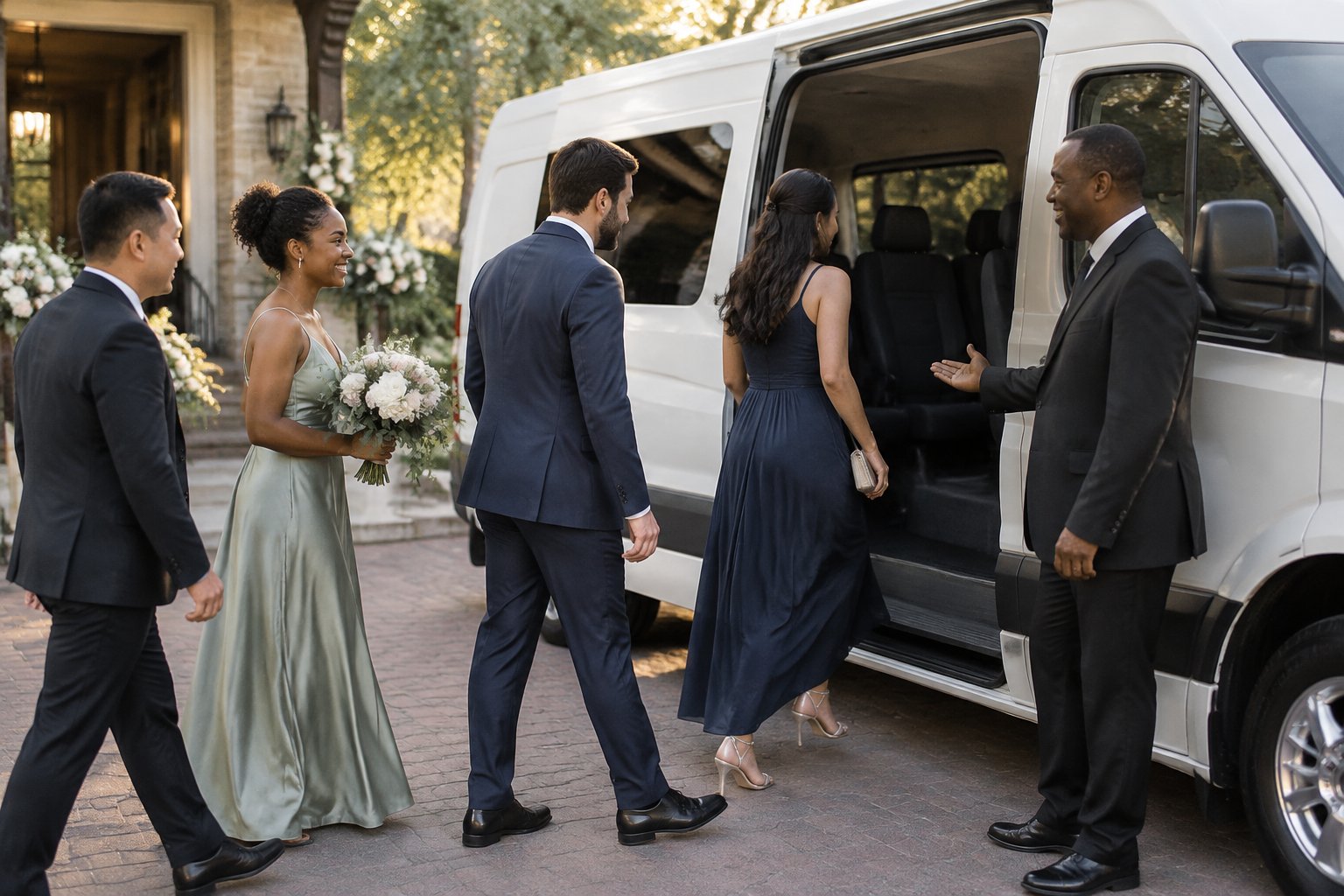
You can scale your plan to fit your celebration, from rides for older relatives to shuttles between a hotel and the reception. Start by estimating how many guests need a ride and where they will board.
If you’re still weighing your options, use this guide to plan how to transport guests at a wedding, then take the next step by asking local providers for availability and a written quote.
When Do Guests Need Organized Rides?
Organized wedding transportation helps when guests face long drives, limited parking, or several locations during the day. You can also use group transportation to make arrival times easier to manage and give guests a safe ride after the reception.

How Can Shuttles Help With Multiple Venues?
A shuttle gives guests a clear connection between locations when your ceremony, reception, and hotel are in different places. You can set pickup and drop-off points in advance, which helps guests avoid searching for parking or arranging a ride between events.
Share the route and departure times with guests before the wedding. If your ceremony and reception are far apart, ask the provider whether the same vehicle can handle both transfers.
You can also set up a shuttle loop from one main hotel or meeting point. For a larger celebration, organizing wedding transportation starts with confirming each stop and estimating how many people will board at each one.
When Is Guest Transportation Especially Useful?
A ride plan is useful when many guests are coming from out of town, your venue has limited parking, or rideshare options are scarce nearby. It also helps when the trip between venues takes a long time or your guests will be traveling after drinking.
Check with your hotel block and venue before booking. A hotel may offer a shuttle, and a venue may have advice about traffic, loading areas, or parking limits.
If guests will need a ride after an after-party, include that trip in your transportation plan.
Who Should Get a Ride Option?
You can offer transportation to everyone or focus on guests who have fewer easy travel options. Older relatives, guests with mobility needs, out-of-town visitors, and your wedding party may benefit from a reserved ride.
Use your RSVP form to ask whether guests plan to use a shuttle. That gives you a better estimate of the seats you need and helps you select pickup points that serve the largest group.
If you’re arranging rides for a smaller group, identify those passengers early so you can coordinate accessible boarding and drop-offs.
Which Vehicle Fits Your Guest List?
Choose a vehicle based on the number of passengers, the route, and the kind of ride your guests need. A wedding shuttle can work well for regular trips between a hotel and venue, while a larger wedding shuttle bus or charter bus can carry more people per run.
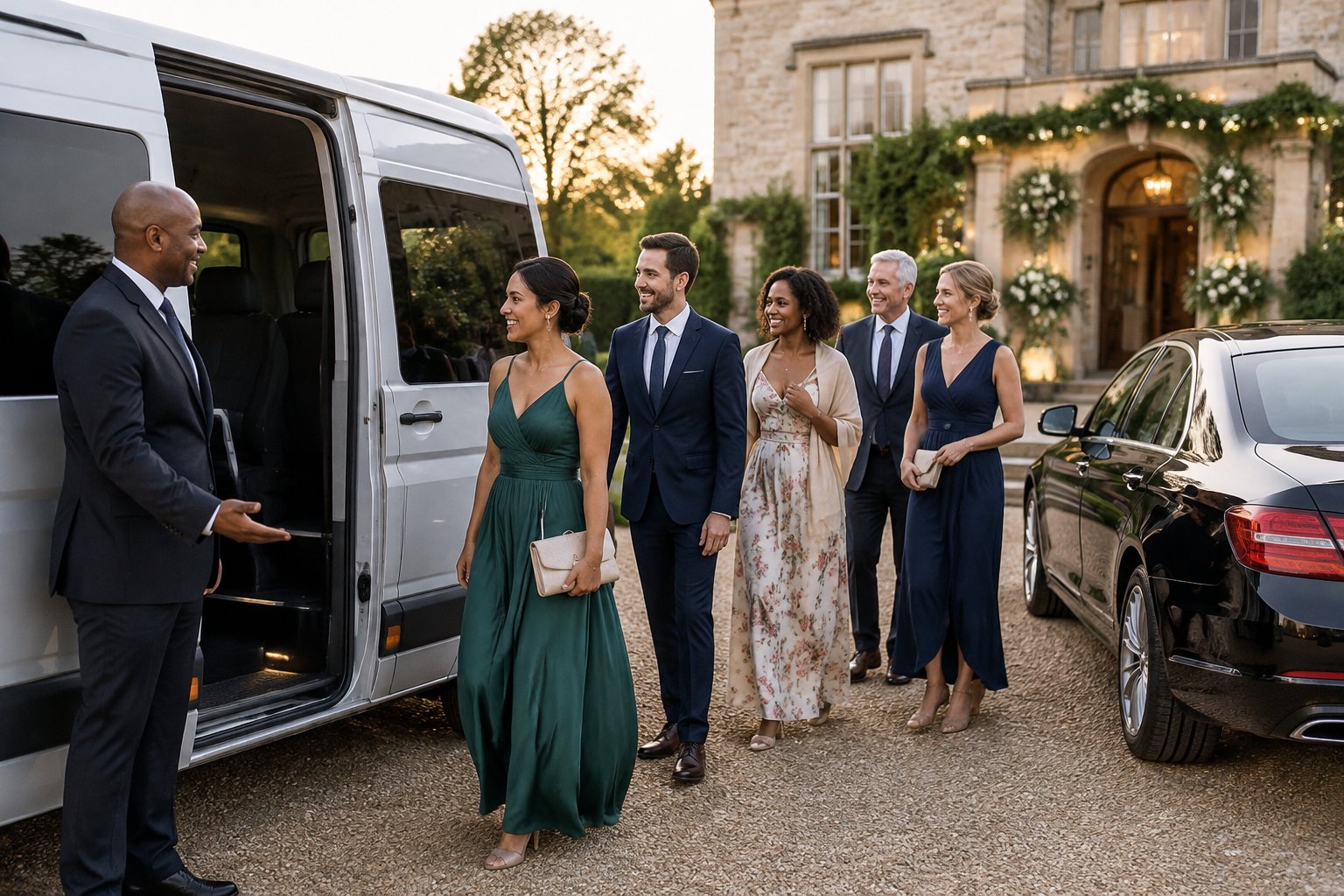
When Is a Wedding Shuttle Bus a Good Fit?
A wedding shuttle bus is a strong option when you need to move many guests on a set schedule. It can reduce the number of cars arriving at your venue and keep groups together on the way to the ceremony or reception.
A smaller wedding bus or van may suit a short route or a limited guest count. Ask providers for the seating capacity of each vehicle and compare it with your expected riders.
If you’re considering a bus, review the route, passenger count, and loading space when choosing a bus for wedding transportation.
How Do Charter Buses Compare With Smaller Vehicles?
Charter buses carry larger groups in a single trip, which can simplify service between a hotel and a venue. Smaller vehicles offer more flexibility for narrow roads, limited loading areas, or a few pickup locations.
You can also combine vehicle sizes. For example, a bus can handle the main hotel route while a van serves guests who need a separate pickup.
Ask whether the provider can supply the vehicles together and coordinate their arrival times. Build your estimate from the confirmed passenger count, not the total guest list.
What Amenities Should You Consider?
For a short ride, comfortable seats and a clear boarding process may be enough. Longer trips call for attention to climate control, luggage space, and easy entry and exit.
Ask about seat belts and accessibility features if guests need them. If you want a more polished experience for close family or your wedding party, a premium vehicle may suit that group.
Compare amenities with the route and ride length before choosing an upgrade. Your decision about luxury wedding transportation can also guide what you reserve for guests who need extra comfort.
How Do You Plan Routes and Pickup Times?
Plan transportation around guest locations, travel time, and the moments when everyone needs to be in place. A detailed itinerary gives your provider and guests the same schedule, including pickup addresses, departure times, and drop-off points.

Which Pickup Locations Should You Include?
Choose pickup locations that are easy to find and serve a large share of your guests. A hotel block is a useful starting point, while a second stop can help guests staying elsewhere.
Confirm that each location has room for the vehicle to pull over and load passengers. Give your transportation provider the exact addresses and a contact person for each stop.
Check travel times at the same time of day as your event, since traffic can affect arrival. A practical wedding transportation plan includes a little extra time for boarding and road delays.
How Should You Coordinate Ceremony and Reception Transfers?
Set pickup times that get guests to the ceremony with time to enter and be seated. For a ceremony and reception at separate venues, schedule the transfer after the ceremony and allow time for guests to exit, board, and reach the next location.
Tell guests which vehicle to board and where to wait. If you have multiple vehicles, label them by route or hotel so guests can identify their ride quickly.
Give your planner or a trusted attendant the itinerary and the provider’s day-of contact details.
What Should the Return Schedule Cover?
Offer return trips that match how long guests plan to stay. Two or more departure times can serve guests who want to leave earlier and those who stay through the reception.
If an after-party is part of your plans, include its location and final return trip. Tell guests the last departure time in advance and post the schedule at the venue or in your wedding details.
Confirm how long the driver will wait at each pickup point and what happens if a trip runs late.
What Affects Wedding Transportation Cost?
Your wedding transportation cost reflects the vehicles you reserve, how long you need them, and the distance they travel. A quote can also change with the number of routes, pickup points, and timing requirements.

How Do Vehicle Size and Rental Hours Affect the Quote?
Larger vehicles have more passenger seats, while smaller vehicles can suit short routes and smaller groups. Your total price also depends on rental hours, mileage, and whether the driver needs to remain available between trips.
Ask providers to quote the same itinerary and passenger count so you can compare offers fairly. You can also request separate prices for a one-way trip, a shuttle loop, and late-night returns.
For more budgeting detail, review the factors behind wedding transportation costs.
Which Extra Fees Should You Check?
Read the quote and contract for minimum rental hours, overtime rates, mileage charges, fuel fees, taxes, deposits, and gratuity. Confirm the cancellation terms and the date when your final passenger count is due.
Ask what happens if traffic or a delayed event adds time to the booking. Find out whether gratuity is already included so you can budget accurately.
A written quote that lists each charge helps you compare the full cost of each provider.
How Can You Compare Providers?
Compare providers using the same route, schedule, vehicle capacity, and service hours. Check whether each quote covers all planned trips and includes the fees you’ll pay.
A lower initial price may cover fewer hours or a different vehicle, so review the details line by line. You can manage costs by choosing fewer pickup points or using separate departure waves.
Ask whether the provider offers a smaller vehicle for a short route or a package that matches your itinerary. These choices can help you save money on wedding transportation while preserving the rides your guests need.
How Do You Book a Reliable Provider?
Book a provider with enough time to secure your preferred vehicle and finalize a clear service plan. Confirm the company’s safety practices, contract terms, vehicle details, and day-of communication before you pay a deposit.
When Should You Reserve Transportation?
Start contacting providers once you know your venues, approximate guest count, and likely routes. Popular wedding dates can fill quickly, so reserving several months ahead gives you more choice.
You can refine the schedule and passenger count as your plans take shape. Review the booking deadline, deposit, and final payment date in the contract.
Set a reminder to confirm the itinerary and pickup locations with the provider a few weeks before the wedding.
What Should You Confirm About Safety and Service?
Ask which vehicle will serve your event and how many passengers it can carry. Confirm that the company’s vehicles are properly maintained and that drivers have the required licenses and insurance.
If a guest needs accessible boarding, discuss the vehicle and pickup setup before you book. Clarify who will contact you on the wedding day and how the provider will handle delays or a vehicle problem.
Keep the written contract and final itinerary in a place your planner or designated contact can access.
How Can You Prepare Guests for Pickup?
Share pickup locations, departure times, and return options on your wedding website or invitation details. Use plain directions, such as the hotel entrance or a named venue gate, and tell guests how early to arrive. Clear wording in your wedding transportation details helps guests know where to wait and which departure to choose.
Send a reminder a few days before the event. Include a contact person for day-of questions and note any accessibility arrangements guests should know about. Keep a copy of the final schedule with your planner and transportation provider so everyone works from the same information.