
Typical Cost for Wedding Flowers: Budget and Price Guide
A typical cost for wedding flowers is about $2,800, though your total can be lower for a simple plan or much higher when you add large installations and extensive reception flowers. Your guest count, flower choices, location, and service needs all shape the final quote.
Wedding flower costs make more sense when you compare the average with the specific pieces you want.
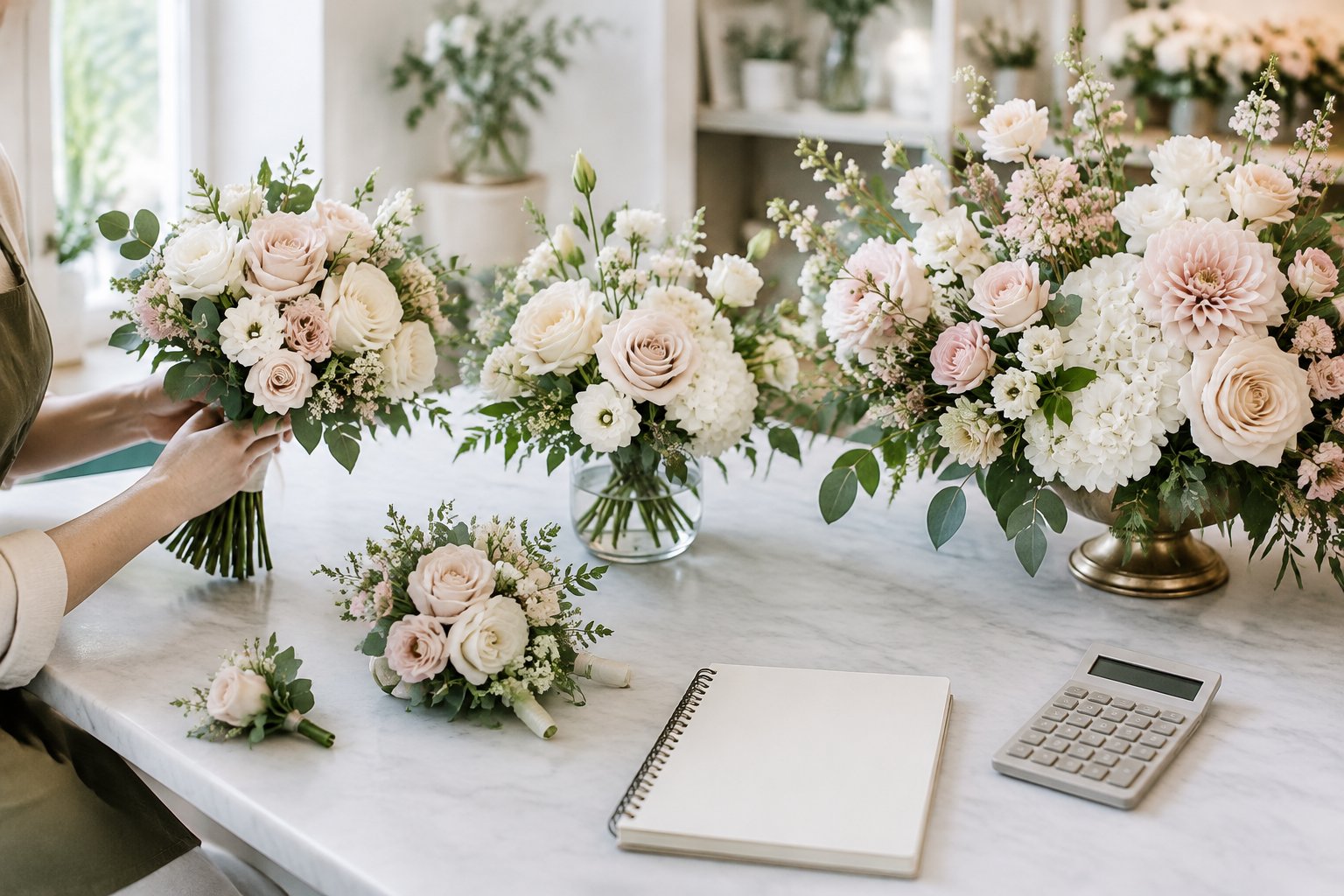
Set a starting limit that fits your full wedding budget, then share it with florists as you request proposals. That gives you a clear place to begin making choices.
How Much Do Couples Typically Spend?

The average cost of wedding flowers is about $2,800, while many couples spend less or more based on the scale of their plans. The average gives you a useful starting point, and the median and budget share help you judge what fits your own plans.
What Is the Average Wedding Flower Cost?
The average wedding flower cost is a national benchmark, not a set price for your event. The average cost of wedding flowers reported in The Knot Real Weddings Study is $2,800. In the same data, the median spend was about $1,900, while the lower and upper spending quartiles were about $900 and $4,800.
That gap shows how widely wedding flower costs vary. A smaller order of personal flowers and simple table arrangements may sit below the average.
A larger design with ceremony features, full centerpieces, and extra floral details can rise well above it.
How Does the Knot Real Weddings Study Measure Spending?
The Knot Real Weddings Study collects spending information from recently married couples and reports average amounts across the group. Its wedding flower figure reflects what couples said they spent, so it describes past budgets rather than a custom quote for your date and venue.
The study’s figure includes common items such as a wedding bouquet, boutonnière, wedding party flowers, and centerpieces. Your total may include additional services or designs, such as delivery, setup, and a floral installation.
What Share of Your Wedding Budget Should Go to Flowers?
A common planning guideline is to set aside about 8% to 10% of your wedding budget for flowers. For a $40,000 wedding, that suggests a starting range of $3,200 to $4,000.
Adjust your wedding budget allocation if flowers are a major priority or you want several large-scale features. Treat the percentage as a planning tool, not a rule.
Your guest count and the number of tables affect your flower needs, while a focused design can help you keep the total in check.
Which Floral Items Drive the Bill?
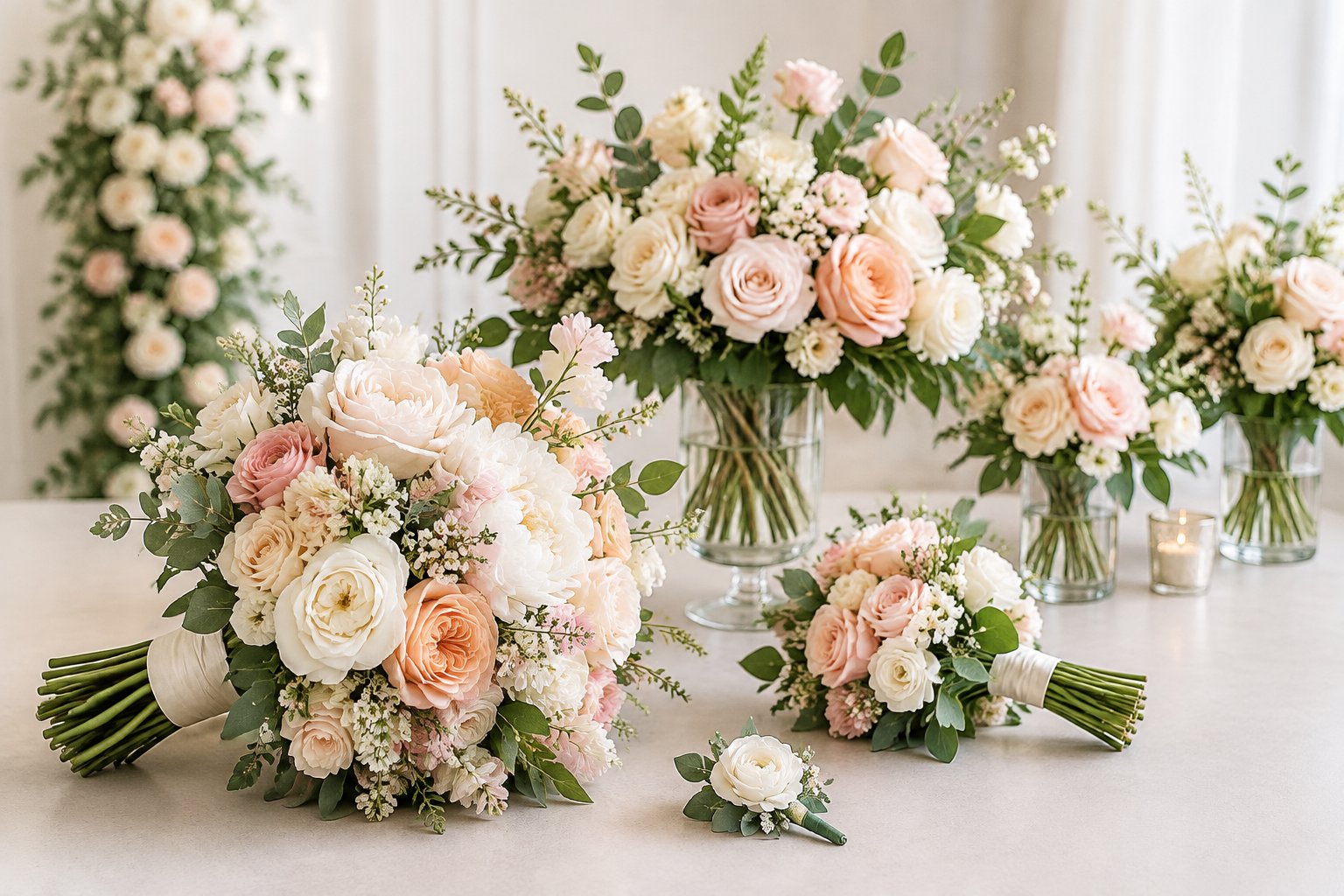
Personal flowers, ceremony features, and reception arrangements form the main parts of your floral bill. The number of pieces and the size of each design can change the total quickly, especially when you need centerpieces for many tables.
How Much Does a Bridal Bouquet Cost?
A bridal bouquet often costs about $100 to $350. A smaller bouquet with seasonal blooms and greenery can sit near the lower end; a fuller design with premium flowers or detailed construction can cost more.
The wedding bouquet appears in many of your portraits, so decide how much it matters to you before setting prices for the other arrangements. If you want to assemble your own, plan carefully with a budget-friendly wedding bouquet and allow time for sourcing and practice.
What Do Wedding Party Flowers Cost?
Wedding party flowers are priced by item and quantity. Use these ranges as a starting point when you estimate the cost of bouquets and wearable flowers:
- Bridesmaid bouquet: about $50 to $150 each
- Boutonnière: about $10 to $40 each
- Corsage: about $20 to $50 each
Multiply each price by the number of people who need that item. You can also limit flowers to key members of the wedding party if you want to reduce the total.
How Much Do Ceremony Flowers Cost?
Ceremony flowers can range from a few simple aisle arrangements to a large focal design. Small altar or aisle pieces may cost around $100 to $500 or more, while a floral arch or chuppah can run from about $500 to $2,500 or more.
The size of the structure, how much of it you want covered, and the amount of labor needed to install it all affect the quote. Share photos of your venue with your florist so the proposed design suits the space.
What Should You Budget for Reception Flowers?
Reception flowers can take a large share of your budget because table arrangements multiply across your guest list. Low centerpieces may cost about $75 to $250 each, while tall designs can range from about $200 to $600 or more per table.
Remember to count your tables, not only your guests. You may also want flowers for a sweetheart table, bar, welcome area, or cake, so list those pieces before asking for a final estimate.
What Makes Flower Costs Rise or Fall?
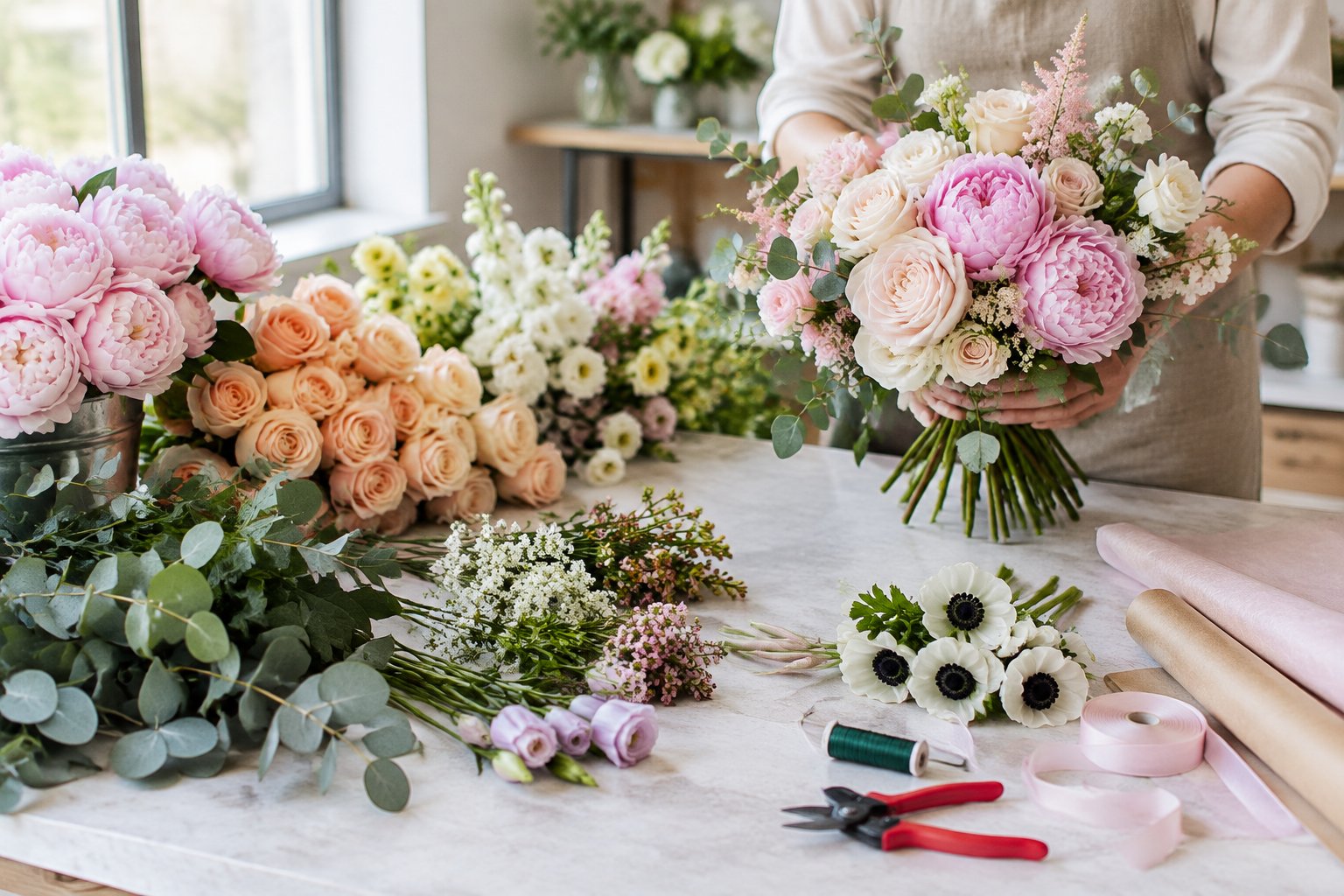
Your floral quote reflects the flowers, design work, labor, and logistics needed for your event. Guest count, date, venue, and design scale shape those costs, while a flexible flower list gives your wedding florist more room to work within your budget.
How Do Guest Count, Location, and Season Affect Prices?
A larger guest count often means more tables and more centerpieces. In The Knot Real Weddings Study, average spending was about $1,600 for weddings with 1 to 50 guests, $2,400 for 51 to 100 guests, and $3,300 for weddings with 101 or more guests.
Your location affects sourcing and labor costs, while venue access can change delivery and setup needs. Season also affects availability: local flowers in season can offer more choice, while some out-of-season blooms need to travel farther.
Ask your florist which flowers will be in season on your date.
How Do Flower Choices and Installations Change the Quote?
Premium or delicate flowers can cost more, especially when they are scarce or out of season. A flexible palette lets your florist suggest fresh flowers that fit your look and are available at a better price.
Arrangement size and design also affect the quote. A simple vase arrangement needs fewer stems and less setup than a large floral installation on an arch or above a reception table.
If you are still choosing a professional, think about when to choose a wedding florist so you have time to discuss seasonal options and design plans.
What Labor and Logistics May Be Included?
Your quote may include design planning, flower ordering, stem preparation, arrangement-making, delivery, and setup. Large or complex designs can require more hands and extra time at the venue. Some proposals also include breakdown or removal after the event.
Ask which services are included and whether the quote lists delivery, rental items, taxes, and other fees separately. Those details help you compare the full cost of each proposal.
How Can You Keep Your Floral Budget on Track?

You can keep your floral budget on track by choosing your highest priorities early and designing around them. Seasonal flowers, reusable arrangements, and a clear spending limit give your florist useful ways to shape the plan.
Which Arrangements Should Take Priority?
Start with the pieces you care about most, such as your bouquet, ceremony backdrop, or reception tables. Then decide which smaller details can be simplified or removed.
This approach helps you put more of your budget toward the areas you and your guests will notice. Tell your florist your budget at the start of the conversation.
Specific priorities and a firm spending range make it easier to build a proposal that fits; these wedding flower budget tips can also help you decide where to focus.
Can You Repurpose Ceremony Flowers at the Reception?
Yes, you can repurpose ceremony flowers at the reception when the pieces suit the new space and your schedule allows for a move. Aisle arrangements can decorate an entry or bar, and ceremony pieces can frame a sweetheart table.
Ask your florist to plan the move in advance. The proposal should show any added labor or transport costs, and your coordinator should know when the arrangements need to be moved.
When Does DIY or Buying Wholesale Make Sense?
DIY arrangements or wholesale flowers can suit you when your designs are simple and you have enough time, help, and a safe place to store the blooms. Bud vases and small table accents are easier projects than bouquets or large ceremony pieces.
Count the costs beyond the stems, including containers, tools, supplies, transport, and preparation time. If you want a full-service setup or detailed designs, a florist can manage sourcing and installation as part of the proposal.
How Should You Compare Florist Quotes?
Compare florist quotes by checking that each one lists the same items, services, and fees. A clear line-by-line proposal helps you see whether different totals reflect design choices or differences in what each florist provides.
Which Costs and Services Should a Quote Spell Out?
Your quote should identify each arrangement, its quantity, and its price. Check that it also explains flower substitutions, delivery, setup, rentals, taxes, and breakdown if those services apply.
Look at the total against your wedding flower budget, then confirm the payment schedule and any change deadlines. If a line item is unclear, ask for a description of what it covers before you sign.
What Questions Can Help You Adjust the Proposal?
Ask your wedding florist which choices have the biggest effect on your quote and where a change would save the most. You can also ask which seasonal blooms fit your color palette and whether ceremony arrangements can be moved to the reception.
Share your must-haves and the maximum you want to spend, then request a revised proposal with those priorities in mind. For a smoother first conversation, prepare questions to ask a wedding florist along with your venue details and inspiration images.