
Unique Wedding Venues All-Inclusive: Planning Guide
An all-inclusive wedding venue with a distinctive setting gives you a memorable backdrop and bundles key services, such as catering, rentals, and event coordination. You can choose a historic estate, a vineyard, a mountain lodge, or another place that reflects your style while keeping more planning details in one package.
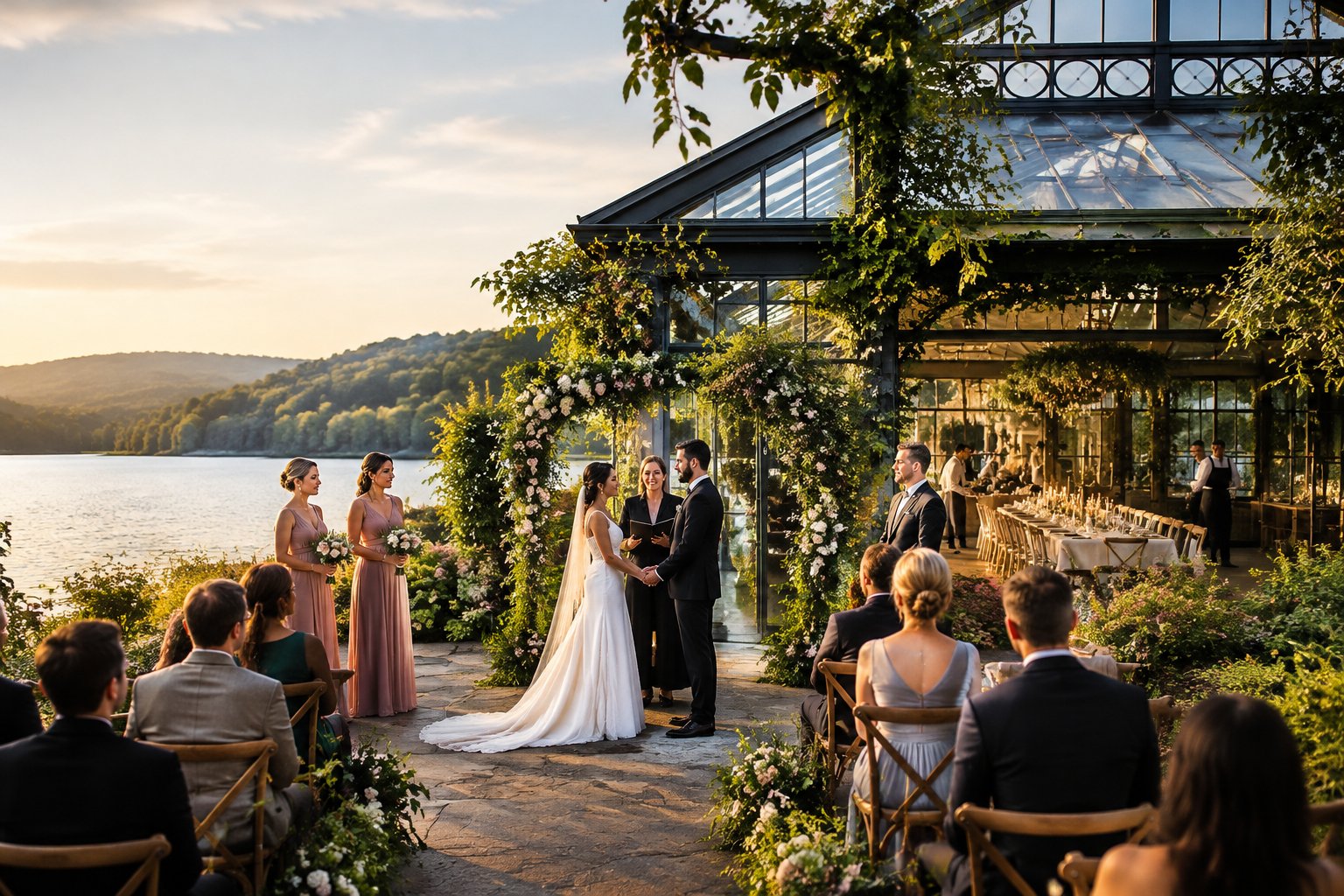
As you compare all-inclusive wedding venues, look beyond the package name. Check what the price covers, how much you can personalize, and what your guests will experience from arrival through the reception. Start by listing your must-haves and asking venues for itemized quotes.
What Makes an All-Inclusive Venue Feel Unique?
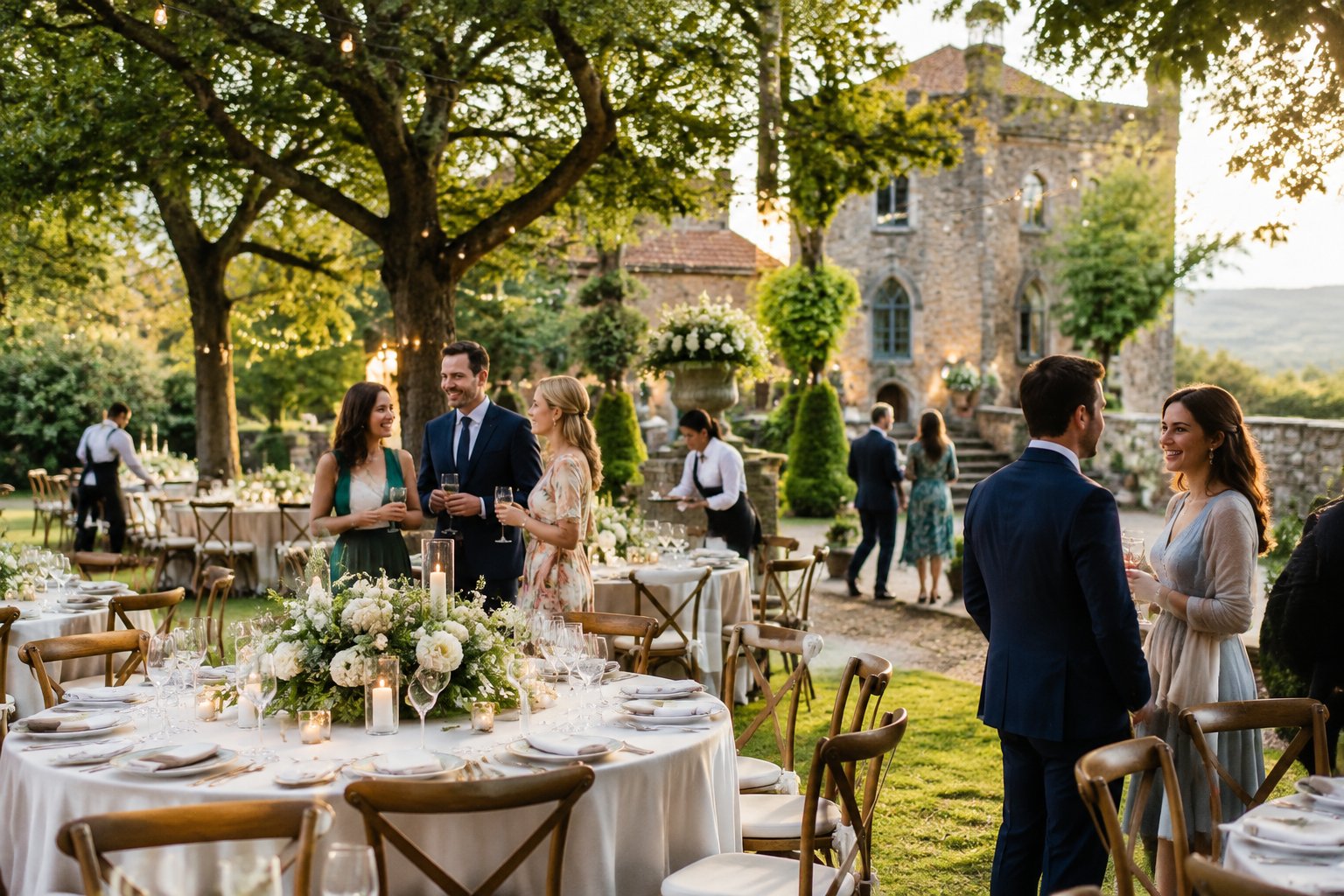
A venue feels unique when its setting, service, and details reflect your taste while making the celebration easy for your guests. Natural features, architecture, local food, and personal touches can give a bundled package a distinct feel. As you explore wedding venue ideas, look for a place whose character supports your plans.
How Do Setting, Style, and Guest Experience Shape the Celebration?
Your venue sets the mood before the ceremony begins. A garden, a glass conservatory, or a historic property gives you a built-in backdrop for your vows and photographs. You can build on that character with colors, flowers, music, and table settings that feel personal.
Think about the full guest experience, too. A smooth transition from ceremony to cocktail hour and reception helps your day feel connected. If guests can explore the grounds, enjoy a local menu, or stay on-site, those details add to their experience.
What Should Couples Look for Beyond the Décor?
Ask how the venue team handles communication, setup, and the wedding-day schedule. A venue coordinator often manages logistics, while a wedding planner may also help shape your design and vendor choices. Clarify who will oversee each task, especially if you plan to bring your own planner.
Check whether the package lets you adapt the menu, ceremony layout, or décor. You can make a standard package more personal with family traditions, meaningful readings, custom signage, or a signature drink. Ask which changes are included and which add to the cost.
Which Venue Types Offer an Unforgettable Celebration?

Private estates, historic properties, vineyards, mountain lodges, and beach resorts each offer a distinct setting for an all-inclusive celebration. Your guest count, travel plans, and preferred atmosphere can help you narrow the choices. If your guests will travel, compare all-inclusive wedding venues with lodging to see how staying on-site could fit your plans.
What Are the Benefits of a Private Estate or Historic Property?
A private estate can give your wedding a secluded feel, with space for a ceremony, dinner, and dancing in one location. Historic properties bring architectural details and a sense of place, which can shape your décor and photos. Ask whether your rental includes exclusive use of the grounds and which rooms or outdoor areas are available.
These venues can suit a range of styles, from formal garden receptions to relaxed celebrations in a restored barn or mansion. Check capacity, parking, and access between event spaces. If the property has uneven paths or stairs, ask how guests with mobility needs can move around comfortably.
Could a Vineyard, Mountain Lodge, or Beach Resort Be the Right Fit?
A vineyard gives you scenic rows, local wine, and a countryside setting. A mountain lodge offers a cozy backdrop and can work well for a weekend gathering. A beach resort pairs ocean views with guest accommodations and on-site activities. For a far-from-home celebration, compare all-inclusive destination wedding venues by travel time, lodging options, and the events included.
Each setting calls for practical planning. Ask a vineyard about weather plans and guest transportation. At a mountain property, check seasonal road access and indoor capacity. At a beach resort, confirm ceremony rules, privacy, and whether guests need to book a minimum number of rooms.
What Does an All-Inclusive Wedding Package Cover?
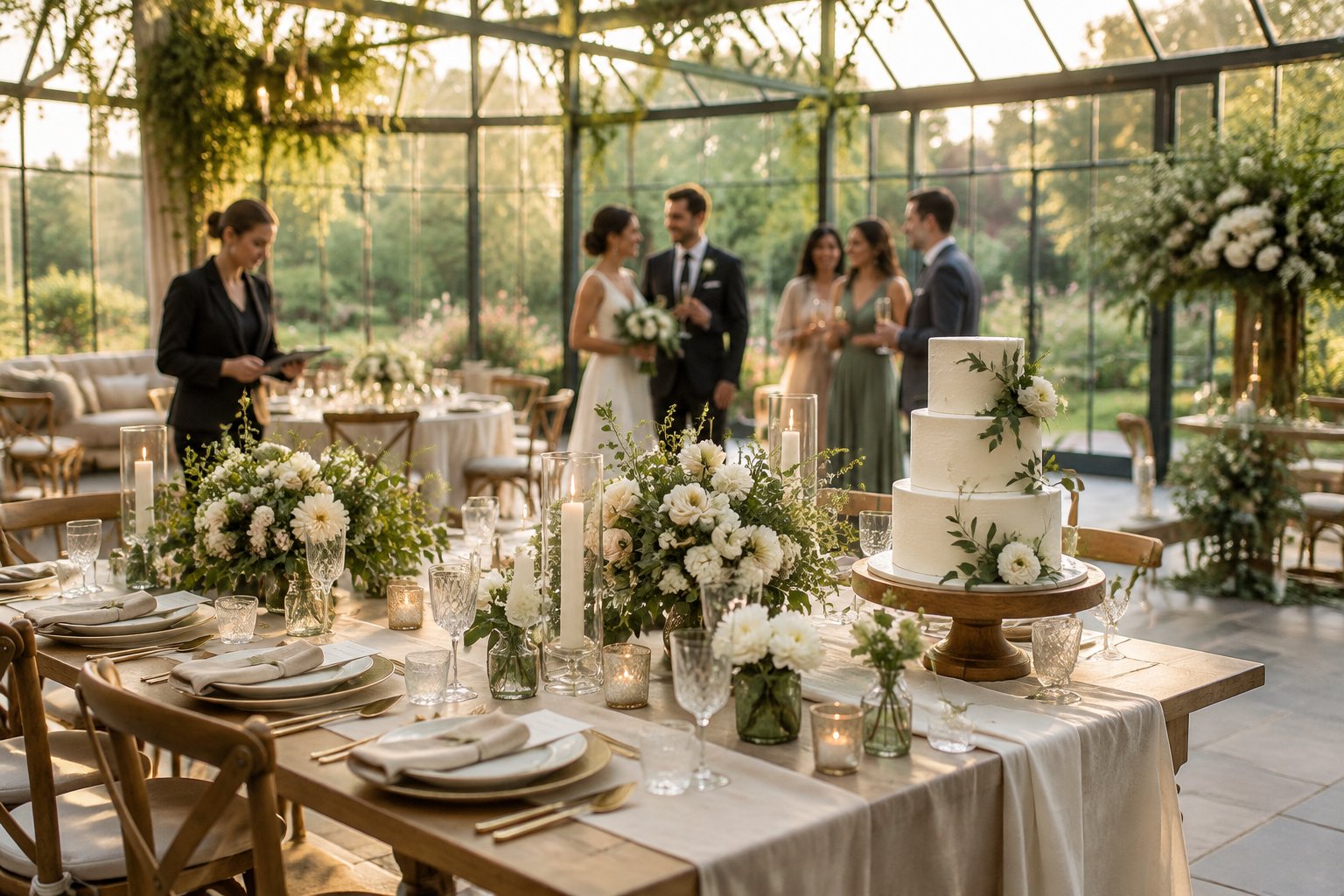
An all-inclusive wedding package can bundle your venue rental with essentials such as catering, bar service, furniture, linens, and event coordination. Each venue defines “all-inclusive” in its own way, so compare the written inclusions line by line. Some packages also offer flowers, a cake, entertainment, or photography for an added fee.
Which Services Are Usually Included?
Your package may cover ceremony and reception spaces, tables, chairs, basic linens, setup, and cleanup. Catering and drinks may be included at a set price per guest, while other venues charge a flat package rate. An on-site coordinator may manage vendor arrivals and the day’s schedule.
Ask to see menus and rental choices before you book. Find out whether you can select plated meals, a buffet, or food stations, and whether the caterer can meet dietary needs. If bar service is included, check which drinks are covered and whether you can add an open bar or signature cocktail.
What Add-Ons or Restrictions Should You Check?
Review the package for optional upgrades and rules about outside vendors. Flowers, specialty décor, lighting, a DJ, photography, and videography may carry extra fees. Some venues also limit your vendor choices or charge a fee for bringing in an outside professional.
Clarify the coordinator’s role and ask who handles design decisions. If you plan to hire a planner, review what a wedding planner covers and agree on responsibilities with the venue team. Also check timing rules, overtime charges, setup windows, and cleanup requirements before signing.
How Much Should You Budget?

All-inclusive wedding venue packages can range from about $10,000 to $60,000, with your final quote shaped by the guest count, location, date, and included services. Treat that range as a starting point, then request an itemized estimate that shows taxes, service fees, and optional upgrades. For a clear spending plan, use a wedding budget guide to set limits before you compare quotes.
Which Costs May Fall Outside the Package?
Your package may leave out photography, videography, flowers, hair and makeup, invitations, transportation, or attire. Service charges, gratuities, taxes, security, and insurance may also appear as separate costs. Ask for a sample final invoice so you can see how each charge is calculated.
Check the contract for minimum guest counts, bar minimums, overtime rates, and fees for outside vendors. If your package includes basic décor, ask what that means in practical terms, such as the number of centerpieces or the type of linens. Compare the total cost of the package and planned add-ons, not just the starting price.
How Do Guest Count, Season, and Location Affect the Price?
A larger guest list raises costs when food, drinks, and rentals are priced per person. Your date can also affect the quote: peak weekends may cost more than a weekday or an off-season date. Location plays a role, too, since venues in major cities and popular destination areas may have higher rates.
Ask for pricing across several dates if your schedule is flexible. You can also compare a flat-rate package with a per-person option and calculate both using your estimated headcount. When you review affordable all-inclusive wedding venues, compare what each price includes so you can judge the full value.
How Can You Choose the Right Venue?
Choose a venue that fits your guest count and style, provides clear package terms, and has workable plans for travel and weather. A site visit helps you assess the spaces and meet the team responsible for your celebration. Bring your priorities and a draft guest count so you can ask focused questions.
What Questions Should You Ask During a Tour?
Ask whether your date is available and how many guests the venue can seat for dinner. Request a full package list, a sample menu, and a copy of the contract. Find out who your main contact will be and what the coordinator handles before and during the wedding day.
You can also ask whether the venue has a preferred vendor list, whether outside vendors are allowed, and what customization options are available. Ask to see a sample floor plan and learn how setup, cleanup, and overtime work. If you are considering all-inclusive wedding reception venues, check whether the reception space suits your meal style and entertainment plans.
How Can You Compare Accessibility, Lodging, and Backup Plans?
Check the route from parking or drop-off areas to the ceremony and reception spaces. Ask about accessible entrances, restrooms, and seating, then confirm whether guests can move between spaces without stairs.
For out-of-town guests, compare nearby hotels, shuttle options, and on-site rooms. If any part of your event is outdoors, ask where the ceremony or reception will move in bad weather.
Confirm the backup space’s capacity and whether the change affects décor or timing. Before you sign, make sure the contract names your spaces, package inclusions, payment dates, cancellation terms, and any extra charges.