
Venues for Wedding Receptions: Types, Costs, and Booking Tips
The right venues for wedding receptions give you enough room for your guest list, fit your budget, and support the kind of celebration you want. Banquet halls, restaurants, historic buildings, waterfront properties, and outdoor spaces each offer a different mix of style and services.
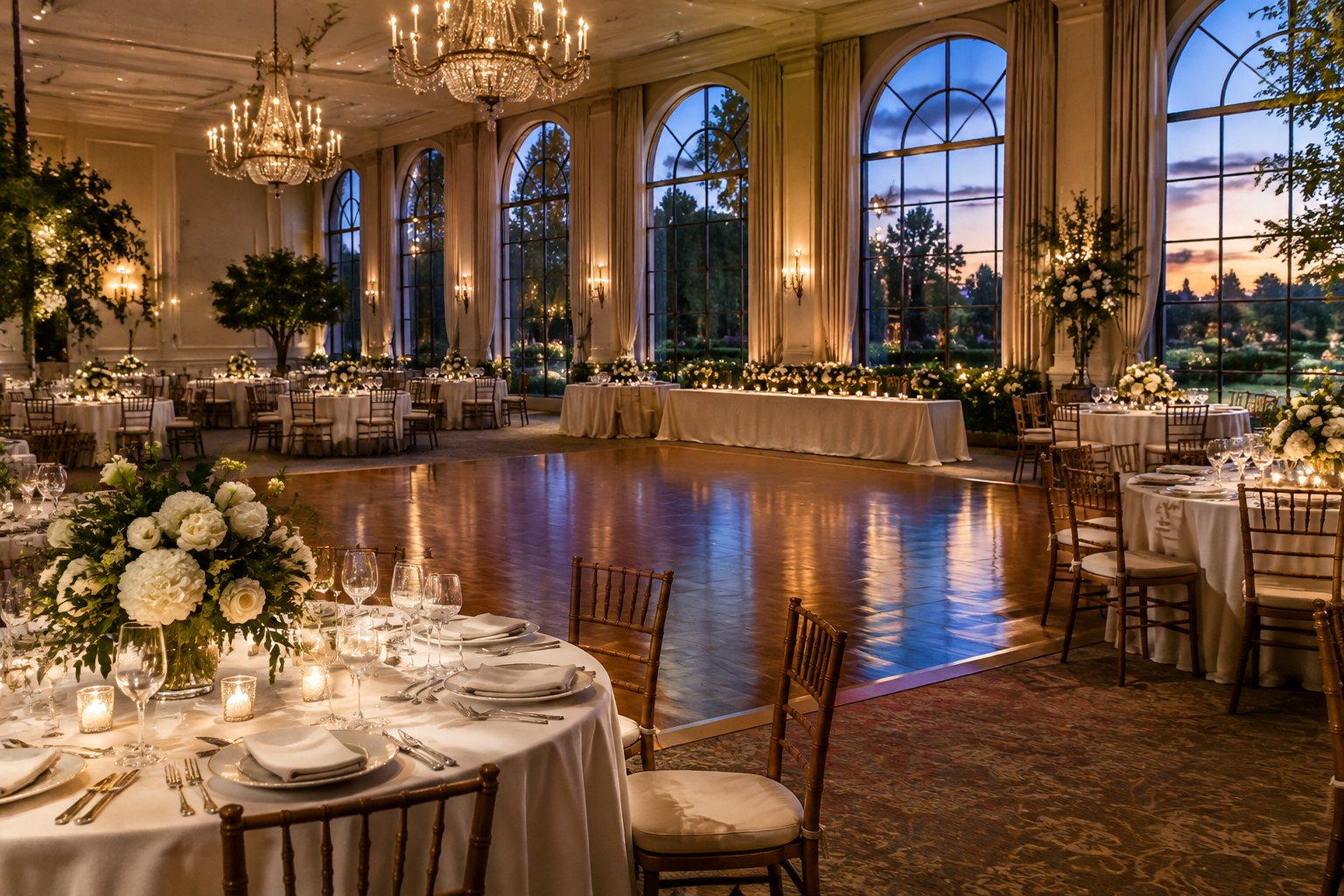
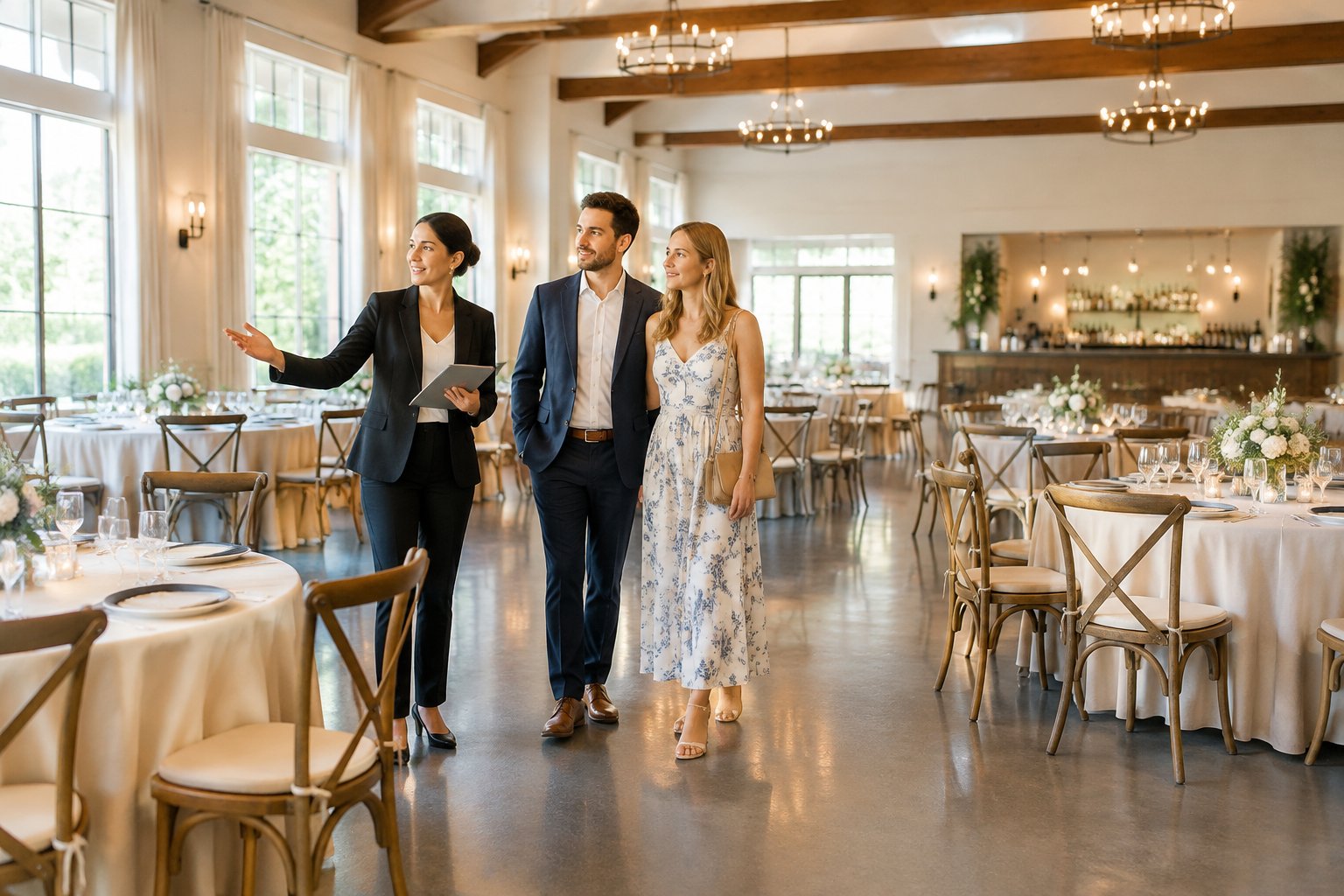
Start with a guest-count estimate and a budget range, then compare spaces that match your preferred setting. If you’re ready to get moving, shortlist a few favorites and arrange tours so you can see how each space feels in person.
Which Venue Style Fits Your Reception?
Your venue’s style shapes the mood of your celebration and affects which services you’ll need to arrange. Consider the look you want, how much planning you want to manage, and the experience you want your guests to have.
Are Banquet Halls the Right Fit?
Banquet halls suit receptions that need a dedicated event space, a clear floor plan, and room for dining and dancing. Many include tables, chairs, linens, catering, or staff, so you can ask what the rental package covers before comparing prices. A ballroom’s formal look also gives you a ready-made backdrop for a classic reception.
Check how the room works at your guest count. A large hall can feel open and lively with a full dance floor, while a smaller guest list might need a layout that gathers people closer together. Browse wedding venue ideas to find a style that fits your plans.
What Do Restaurants and Historic Spaces Offer?
Restaurants give you a built-in dining setting and an established food and beverage team. A private dining room can work well for a smaller reception, while a full restaurant buyout gives you more control over the guest experience. Ask about menu choices, food and beverage minimums, and how long you can use the space.
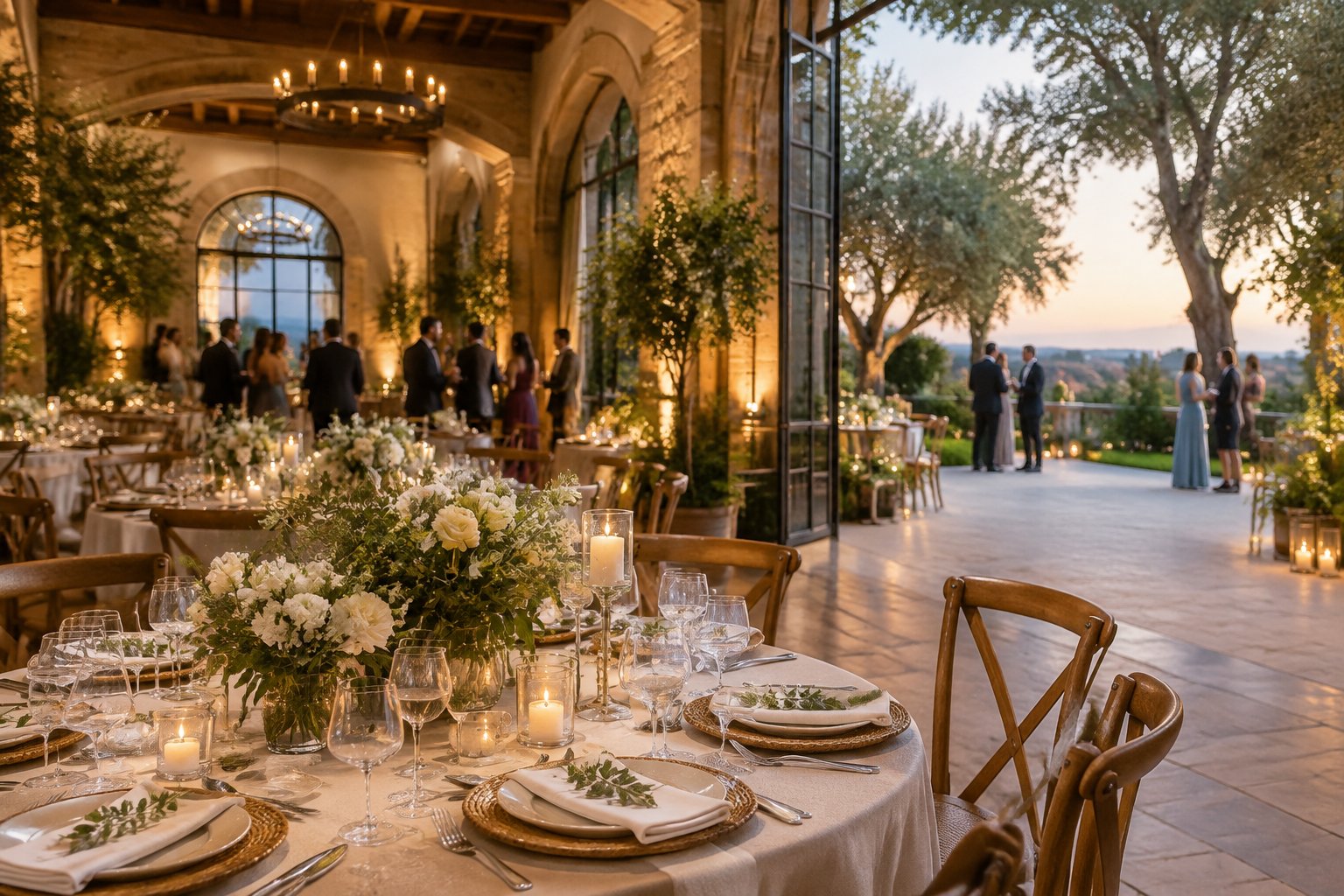
Historic homes, museums, and other landmark buildings bring architectural details and a distinctive atmosphere. Before you book, ask about restrictions on decorations, music, room access, and vendor setup. Those details help you plan a reception that fits the building and your priorities.
When Should You Consider Waterfront or Outdoor Settings?
Waterfront wedding venues and outdoor spaces work well when you want scenery to play a large part in your reception’s atmosphere. A garden, beach, lakeside lawn, or terrace can give guests room to mingle and offer a natural setting for photos.
Check the weather plan before you commit. Ask where the reception moves if rain, wind, or heat makes the outdoor space uncomfortable, and whether a tent or indoor backup comes with an added fee. You can also compare indoor and outdoor wedding reception venues if you want an outdoor feel with an indoor option close by.
Can a Unique Rental Space Work for a Wedding?
A loft, gallery, private estate, or other rental space can give you more freedom to shape the event. These blank-canvas venues may require you to arrange tables, catering, rentals, lighting, and cleanup. Ask for a full list of what the space provides and what your vendors must bring.
How Do You Choose a Venue That Fits Your Wedding?
Choose a wedding venue that fits your guest count, travel plans, and comfort needs before you focus on decorative details. A clear estimate of attendance and a realistic view of how guests will arrive can help you narrow your options.
How Much Space Do Your Guests Need?
Your venue needs enough room for guests to sit, eat, move around, and dance comfortably. Ask for the venue’s seated dinner capacity, then check whether that number includes space for a dance floor, band or DJ, bar, and buffet. A venue’s maximum capacity may describe a crowded setup, so request a sample floor plan for your guest count.
Think about the shape of the room as well as its size. Long, narrow spaces may call for a different table plan from a square ballroom, and a separate cocktail area can help keep traffic moving. If your guest list is still changing, compare the venue’s minimum and maximum capacities before you tour.
Which Location Will Be Convenient for Guests?
Pick a location that makes arrival and departure manageable for the people you’re inviting. Check drive times, parking, public transportation, nearby hotels, and access for guests with mobility needs. If guests are traveling from out of town, ask whether the venue can recommend nearby lodging or shuttle options.
Compare how to pick a wedding location with your guest list and travel plans in mind. If your ceremony and reception take place at different sites, estimate the travel time between them and share clear directions with guests.
What Should You Consider for Indoor and Outdoor Plans?
For an indoor reception, check heating and air conditioning, restroom access, and the room’s acoustics. Ask whether the venue has a power source for your DJ, band, and lighting, and whether any sound limits apply.
For an outdoor setting, confirm the weather backup, available shade, and access to restrooms and power. Ask how the venue handles temperature changes and when you must make a final call on moving inside. Get the backup plan and any related costs in writing.
How Much Does a Wedding Reception Venue Cost?
Your reception venue cost depends on location, date, guest count, and the services included in the price. A recent national wedding-cost benchmark put the average venue cost around $12,900, though local quotes can fall well above or below that figure.
What Affects Reception Venue Cost?
A popular Saturday during peak wedding season can cost more than a weekday or off-season date. Prices also reflect the venue’s location, size, and demand. A larger guest list may increase the cost through extra space, staffing, food, and rentals.
Use a local estimate to set expectations and compare what most wedding venues cost with the quotes you receive. If you’re trying to keep expenses within a set limit, include the venue, food, beverage service, rentals, and taxes in your estimate. Explore affordable venues for weddings while you compare options.
Which Packages and Rentals Are Included?
A venue package may include tables, chairs, linens, setup, cleanup, catering, bar service, or an event coordinator. Other spaces charge a rental fee for the room and leave you to book vendors and equipment separately. Compare the full list of inclusions, since a higher package price may cover expenses you would otherwise pay to outside vendors.
If you prefer a more bundled plan, look at all-inclusive wedding reception venues and ask which services are part of the quoted price. Confirm whether the package includes taxes, service charges, staffing, and use of the space for setup and cleanup.
How Can You Compare Quotes and Spot Extra Fees?
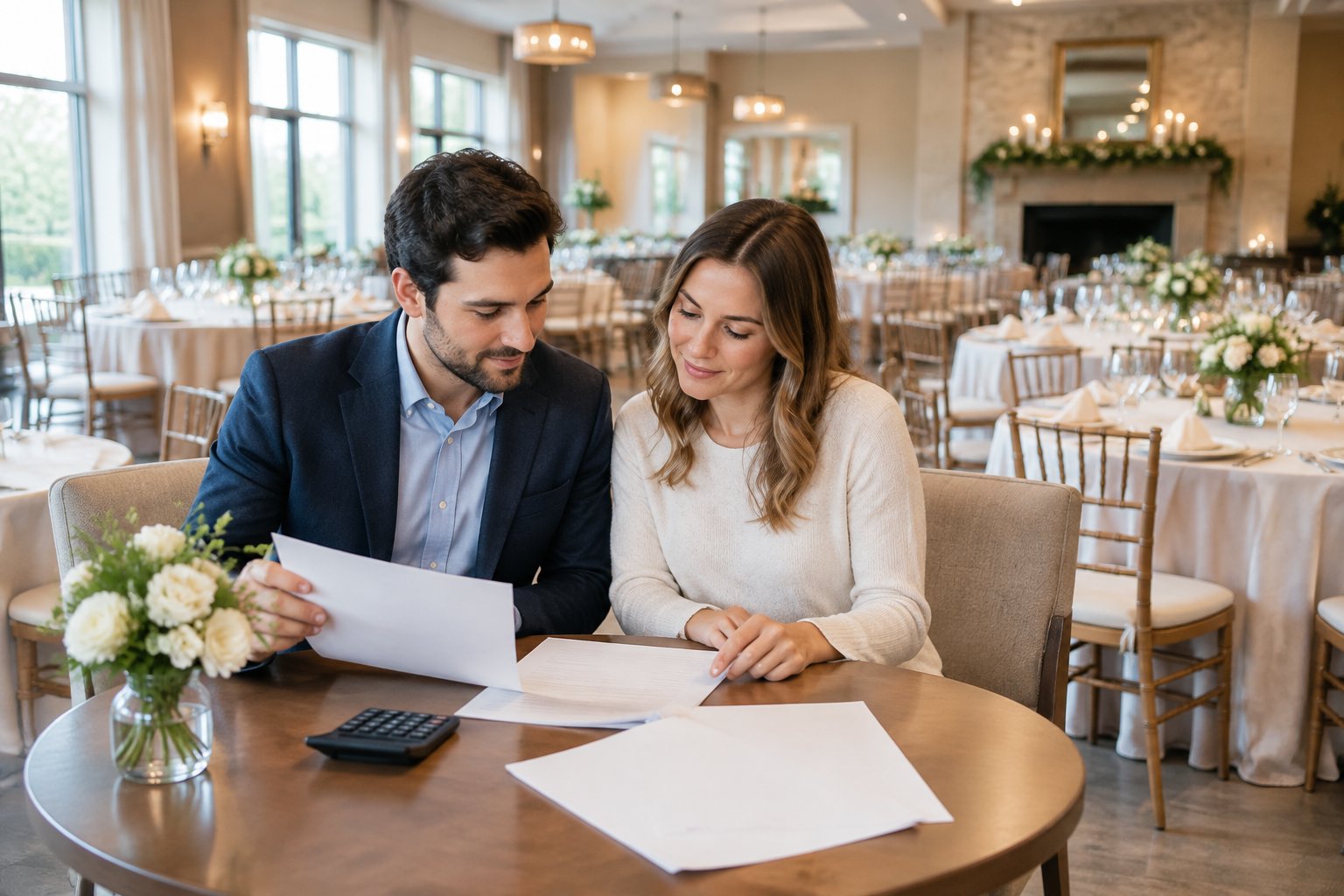
Ask each venue for an itemized quote based on the same guest count, date, and service needs. Check for food and beverage minimums, overtime, security, parking, cake cutting, bar staff, and fees for outside vendors. Ask whether the quoted price includes tax and service charges.
Keep a simple comparison sheet with the rental fee, included items, extra charges, payment schedule, and cancellation terms. This gives you a clearer picture of the total wedding reception venue cost and helps you compare similar packages fairly.
What Should You Check Before Booking?
Before you sign, confirm that the venue can host your date and guest count, and make sure its vendor rules and contract terms fit your plans. Save the answers in writing so you can refer to them as you book other services.
Is Your Date Available, and What Is the Capacity?
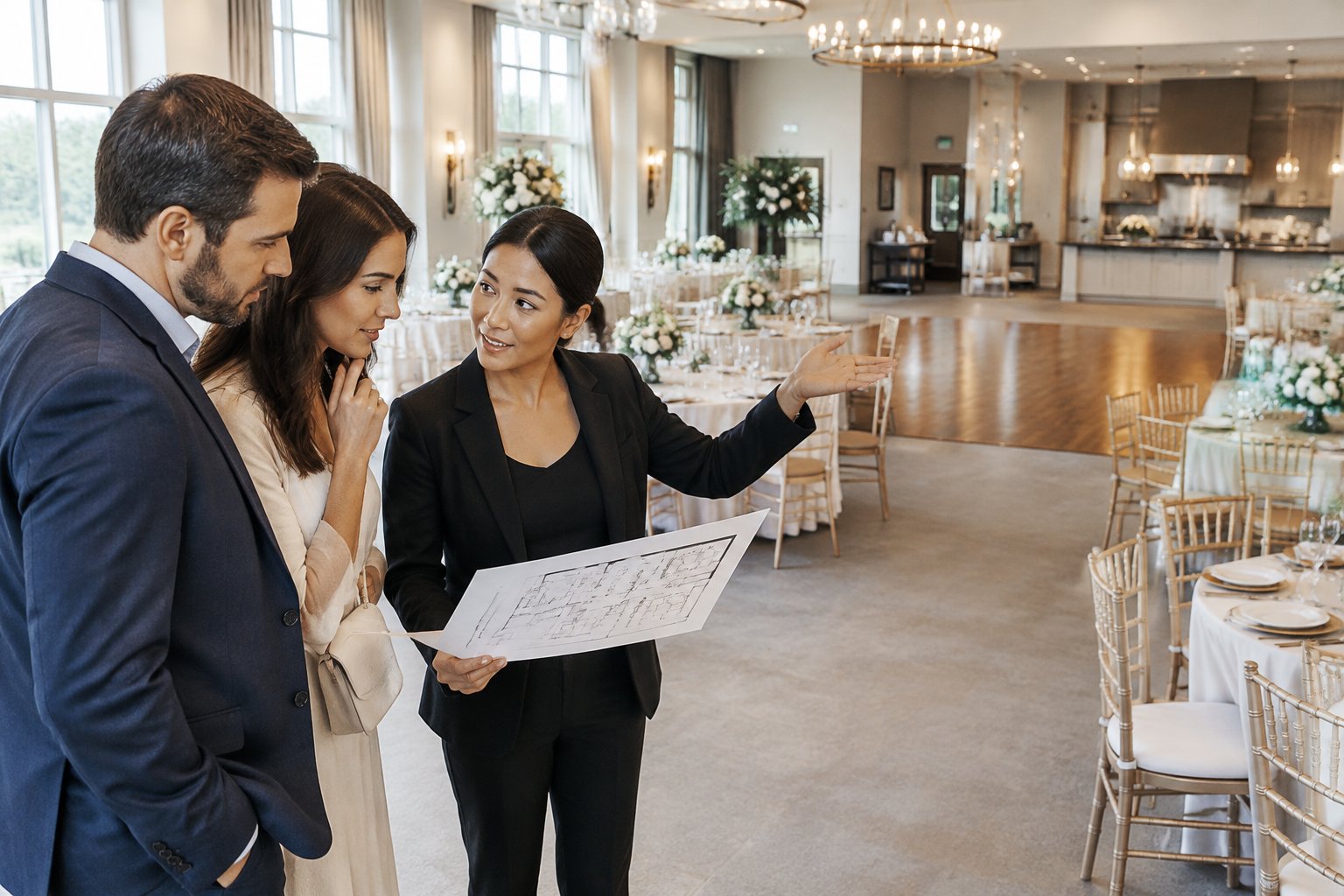
Ask whether your preferred date is open and how long you can use the space. If you have flexibility, ask about weekday or off-season dates and any price differences. Confirm the venue’s guest capacity for your planned setup, including dining tables, dance floor, and entertainment.
Ask when vendors can arrive to set up and when they must finish clearing the space. Check the deposit amount, due dates for later payments, and the policy for changing your date.
Which Vendors and Services Are Required or Preferred?
Ask whether you can choose your own caterer, photographer, florist, DJ, and rental company. Some venues require in-house services or limit your choices to a preferred vendor list. Find out whether outside vendors need insurance or must follow specific arrival and setup rules.
Confirm who handles setup, cleanup, and coordination during the reception. If the venue provides tables, chairs, or audio equipment, ask what is included and whether you can see the items before booking.
What Details Should You Confirm in the Contract?
Read the contract for the rental period, payment schedule, cancellation terms, overtime rates, and any restrictions on decorations or noise. Confirm the venue’s weather backup plan if you’re using an outdoor space. Make sure the written agreement lists every promised service and any extra fees you discussed.
How Can You Make the Space Work for Guests?
A thoughtful layout gives guests clear paths between dining, dancing, and other parts of the reception. Plan the room around the activities you care about, then use decor and personal details to make the space feel like yours.
How Should You Arrange Dining and Dancing Areas?
Place tables so guests can reach their seats without crossing the dance floor or blocking service paths. Keep the bar and buffet easy to find, and leave room for guests to move between the dining area, restrooms, and exits. Ask the venue coordinator to review your floor plan before you finalize rentals.
Use wedding reception setup ideas to explore layouts that fit your space. For table assignments, consider how to seat people at your wedding so guests can find their places easily.
Which Decor Choices Can Transform the Room?
Use lighting, linens, flowers, and table details to set the mood and tie the room to your chosen style. Draping or soft lighting can make a large room feel more intimate, while tall arrangements or a simple focal point can draw attention to a key area. Check the venue’s rules before hanging decor, using candles, or moving existing furniture.
How Can You Make the Reception Feel Personal?
Add details that reflect what you enjoy sharing with your guests, such as a favorite dessert, a meaningful song, or family photos near the entrance. You can also create a lounge area for conversation or a welcome display that helps guests find their table.
Keep pathways clear and place personal touches where guests can enjoy them without disrupting the flow.