
What Does the Officiant Say Before the Kiss? A Guide to Romantic Wedding Moments
As you plan your wedding ceremony, you might wonder what happens right before one of the most memorable moments: the kiss. Typically, the officiant will share a few heartfelt words about love and the commitment you’re making. This moment often serves as a bridge to your first kiss as a married couple, adding significance to both the words spoken and the kiss itself.
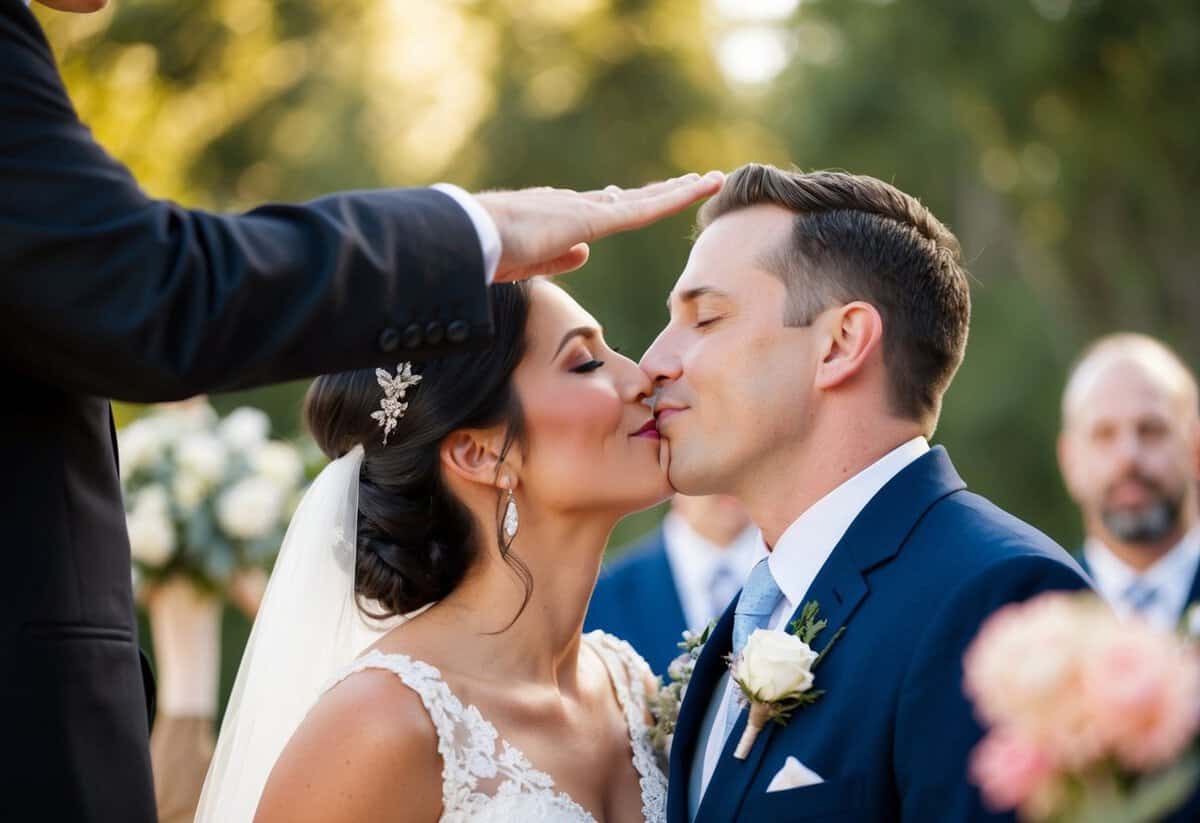
The officiant might say something like, “By the power vested in me, I now pronounce you husband and wife,” inviting the sweet kiss that seals your vows. Different religious or cultural traditions may have variations on this, including blessings or specific scripts that emphasize the importance of your union. Understanding these phrases can add to the excitement of your wedding day.
Whether you’re embracing a traditional marriage or customizing your wedding ceremony script, knowing what the officiant will say can help you feel more prepared. This final moment before the kiss not only marks your legal marriage but also reflects the love and promises you’ve shared.
Roles and Responsibilities of the Officiant
As your wedding officiant, this person plays an essential role throughout your wedding ceremony. They guide you and your guests, ensuring everything flows smoothly and meets legal requirements. Here are the key responsibilities they handle.
Leading the Ceremony
Your officiant sets the tone for the entire ceremony. They begin by welcoming everyone and often share a few words about love and commitment. If you have chosen to personalize the ceremony, they will include special readings or anecdotes about your relationship.
During the ceremony, the officiant leads you through your vows and prompts you when to exchange rings. They ensure that you and your partner stay on track, even if nerves might pull you off course. Last but not least, they prepare the space for the moment of the wedding pronouncement, building excitement for the big kiss that follows.
Legal Duties
The legal responsibilities of the officiant are crucial for ensuring that your marriage is recognized by law. Before the ceremony, they confirm you have obtained your marriage license according to local regulations. This step may need to happen 30 to 60 days before your wedding.
During the ceremony, the officiant conducts the official pronouncement of marriage. This declaration is essential, as it signifies that you are now legally married. After the ceremony, they handle the necessary paperwork to file your marriage license with the county or state. This keeps your marriage valid and recognized, giving you peace of mind for your future together.
The Structure of Wedding Vows and Promises
At a wedding, the vows and promises set a meaningful tone. They are the heart of the ceremony, showcasing the couple’s commitment. This section will explain traditional vow formats and the significance of exchanging rings.
Traditional Vow Formats
Traditional marriage vows often highlight the commitment of both individuals. Common phrases include:
- To have and to hold
- For better, for worse
- In sickness and in health
- To love and to cherish
- Until death do us part
These vows represent a union built on trust and love. They remind you of the promises made during your wedding ceremony. Often, couples repeat these vows after the officiant, which emphasizes their significance. Many people find comfort in these established words, as they connect to centuries of tradition.
Exchange of Rings
The exchange of rings is a powerful moment in the ceremony. The rings symbolize your love and commitment, serving as tangible reminders of your promises.
When you exchange rings, the officiant usually guides you with simple phrases. For instance, you might say, “With this ring, I thee wed.” This moment solidifies your vows, marking the start of your new life together.
The act of placing the ring on your partner’s finger represents unity. It shows that you are committed to supporting each other through life’s ups and downs.
The Significance of the Wedding Kiss
The wedding kiss is a cherished moment that holds deep meaning. This kiss is not just a display of affection; it represents love, commitment, and the start of your life together. Let’s explore the cultural and symbolic meanings behind this heartfelt gesture.
Cultural and Symbolic Meanings
In many cultures, the wedding kiss is a significant act. When the officiant says, “You may now kiss the bride,” it marks the official union of two people. This phrase gives you permission to seal your vows with a kiss.
The wedding kiss serves as a symbolic gesture of your love and commitment. It signifies the beginning of your shared journey. Historically, in ancient Rome, a kiss sealed contracts and agreements. This idea evolved into the wedding kiss, often referred to as a kiss of peace, which symbolizes unity and harmony.
As you share your first kiss as a married couple, it becomes a memory that you will cherish for a lifetime. It’s not just about the act of kissing; it’s about what it represents: a bond that you both vow to nurture and grow.
Recessional and Celebration
Following the kiss, the officiant will usually announce your names to the guests. Often, the officiant will say something like, “Ladies and gentlemen, I present to you the newlyweds!”
At this point, you will walk down the aisle together, signaling the start of your celebration.
The applause and cheers from your wedding party and guests enhance the joyous atmosphere. This is the time for hugs, laughs, and the excitement of being newly married. It’s a moment filled with love and happiness, as you embark on this new chapter surrounded by family and friends.