
What is the Age Limit for the Church of England Ordination? Understanding Eligibility Requirements
If you’re considering ordination in the Church of England, you might wonder about the age limits involved. The Church of England does not have a strict upper age limit for becoming a priest, deacon, or vicar. This means that many individuals, regardless of age, can pursue their calling to serve in ministry, reflecting the belief that ordination is a lifelong vocation.
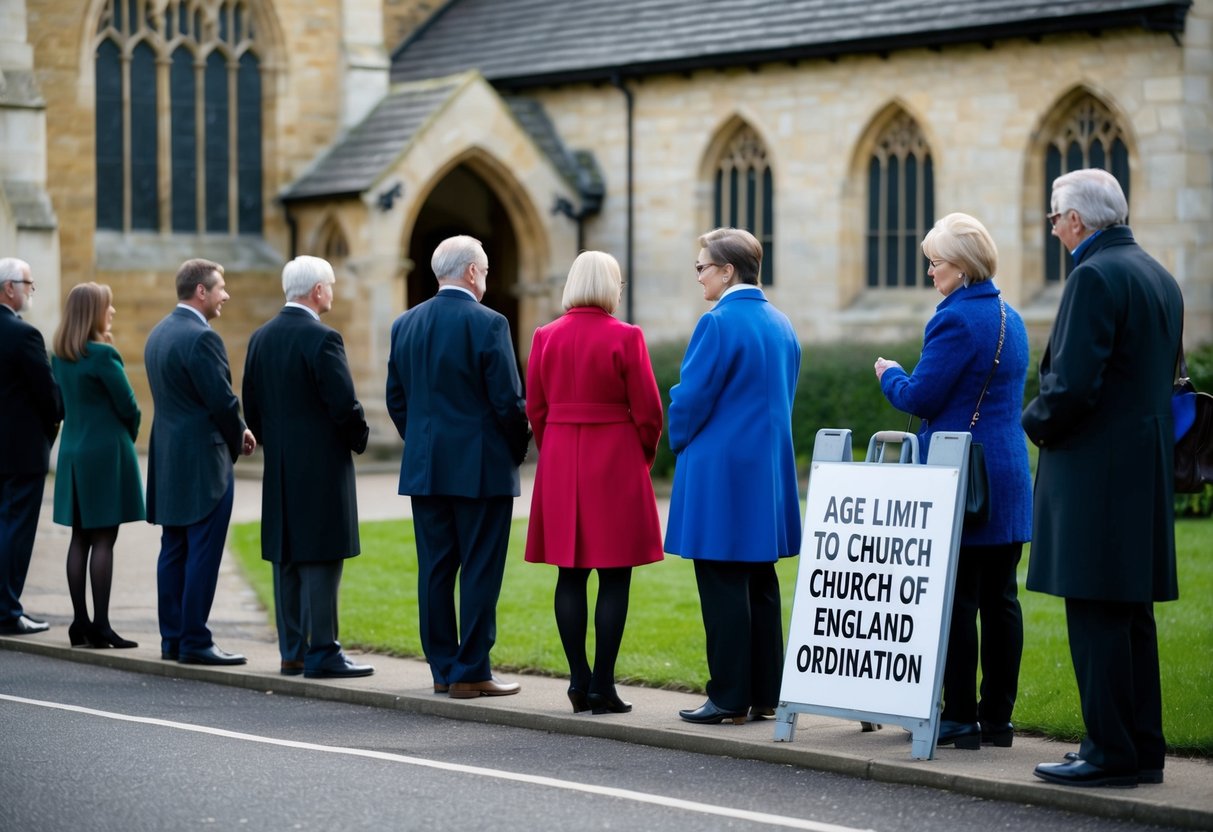
While there are some guidelines, such as an expectation that candidates typically be under 55 for certain roles, these can vary by diocese. It’s important to understand the differing age requirements and policies that might apply as you explore this path.
With this flexibility, more people have the chance to follow their desire to make a difference in their communities through ordained ministry.
Understanding the age limits and guidelines set by the Church can provide clarity for your journey. Whether you are considering ordination later in life or are just starting to explore ministry, knowing the possibilities ahead can be encouraging.
Understanding Ordination in the Church of England
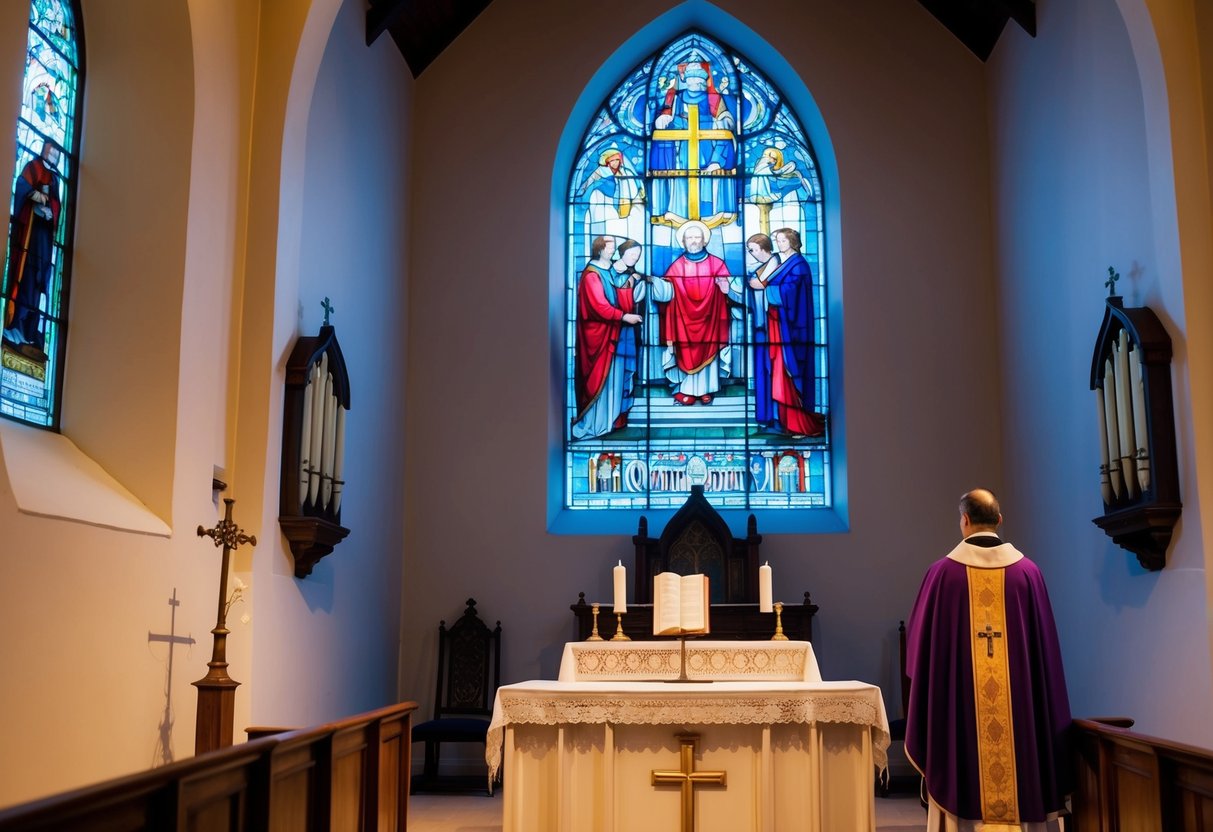
In the Church of England, ordination is a significant event that marks the beginning of a spiritual journey. You’ll find different roles within ordained ministry, each having unique responsibilities and paths to follow.
Roles Within Ordained Ministry
In ordained ministry, there are three key roles: deacons, priests, and bishops.
-
Deacons serve by supporting the church in practical ways and can perform certain tasks like baptisms and funerals. They often work closely with priests.
-
Priests lead worship, provide spiritual guidance, and administer the sacraments, such as communion. They have more responsibilities and can perform the full range of church services.
-
Bishops oversee clergy and church activities within a diocese. They play a crucial role in maintaining church doctrine and governance.
There are also distinctions like self-supporting ministry, where individuals serve without a stipend, and distinctive deacon roles, focused on specific tasks within the community.
Path to Ordination
To become ordained, you must go through specific training and evaluation. Ordination typically starts with a sense of calling. You can begin exploring this when you are younger, but the minimum age for deacon ordination is 23 and for priests, it is 24.
Training includes theological studies and practical experiences in churches. You’ll work with mentors, participate in community activities, and learn about church leadership.
Completing the ordination process often leads to a stipendiary ministry, where you receive a salary for your service, or to volunteer paths like self-supporting ministry. This journey strengthens your faith and deepens your commitment to serving the church and community.
Eligibility and Criteria for Ordination
When considering ordination in the Church of England, it’s essential to understand the specific eligibility requirements and the selection process. This includes age limits, the discernment process, and how candidates are chosen for training.
Age Requirements and Limitations
To be eligible for ordination in the Church of England, you must be at least 20 years old. However, the general expectation is that candidates complete their 25th year of age before ordination to the diaconate. This requirement helps ensure that you have the necessary maturity for this significant role.
Church law does not specify an upper age limit, so if you feel called to ministry later in life, you can still pursue it. The diocesan director of ordinands will evaluate age-related concerns as part of the selection criteria, focusing on your life experiences and readiness for this vocation.
Discernment Process
The discernment process is a crucial step in determining your suitability for ordination. This involves self-reflection and seeking guidance from clergy and laypeople in your community. You will often work with a vocations team, which provides spiritual support and direction.
During this process, you may participate in assessments and discussions about your faith journey. These conversations help clarify your sense of calling and allow others to gauge your readiness. Being honest and open during this stage is vital.
Selection for Training
Once you have successfully navigated the discernment process, your application will go to the director of ordinands. They will review your experiences, skills, and spiritual maturity. The selection criteria also include an assessment of your potential to contribute to the church community.
Training will typically include a mix of academic study and practical experience, preparing you for future responsibilities. The entire selection process ensures that candidates are fully supported and equipped for their roles, aligning with the church’s mission and values.
Training for Ordination
Training for ordination in the Church of England is a significant commitment. It involves various pathways and methods to help you grow in faith and skill as you prepare for a life of service.
Types of Training Programs
There are two main types of training programs you can choose from: residential and non-residential.
-
Residential Training: This is when you live on campus at a theological college. Being immersed in this environment helps you build community and receive direct support from peers and mentors.
-
Non-Residential Training: If you prefer flexibility, this option is for you. Many people balance work and study while engaging in local church activities.
Both routes offer part-time and full-time training, depending on your age and ability to commit. If you are under 30, full-time training typically lasts three years. For those over 30, it usually takes two years full-time or three years part-time.
Understanding Curacy
Curacy is an important stage following ordination. It is a period of practical training where you work under an experienced priest.
This phase helps you learn how to lead a church and engage with the community. During your curacy, you have the chance to apply what you learned in training.
Curates receive support and guidance as they take on more responsibilities. It’s crucial for building confidence and skills for future ministry.
Whether you choose residential or non-residential training, the focus remains on learning and discernment. Each path equips you for a rewarding journey in ordained ministry.
Roles and Responsibilities Post-Ordination
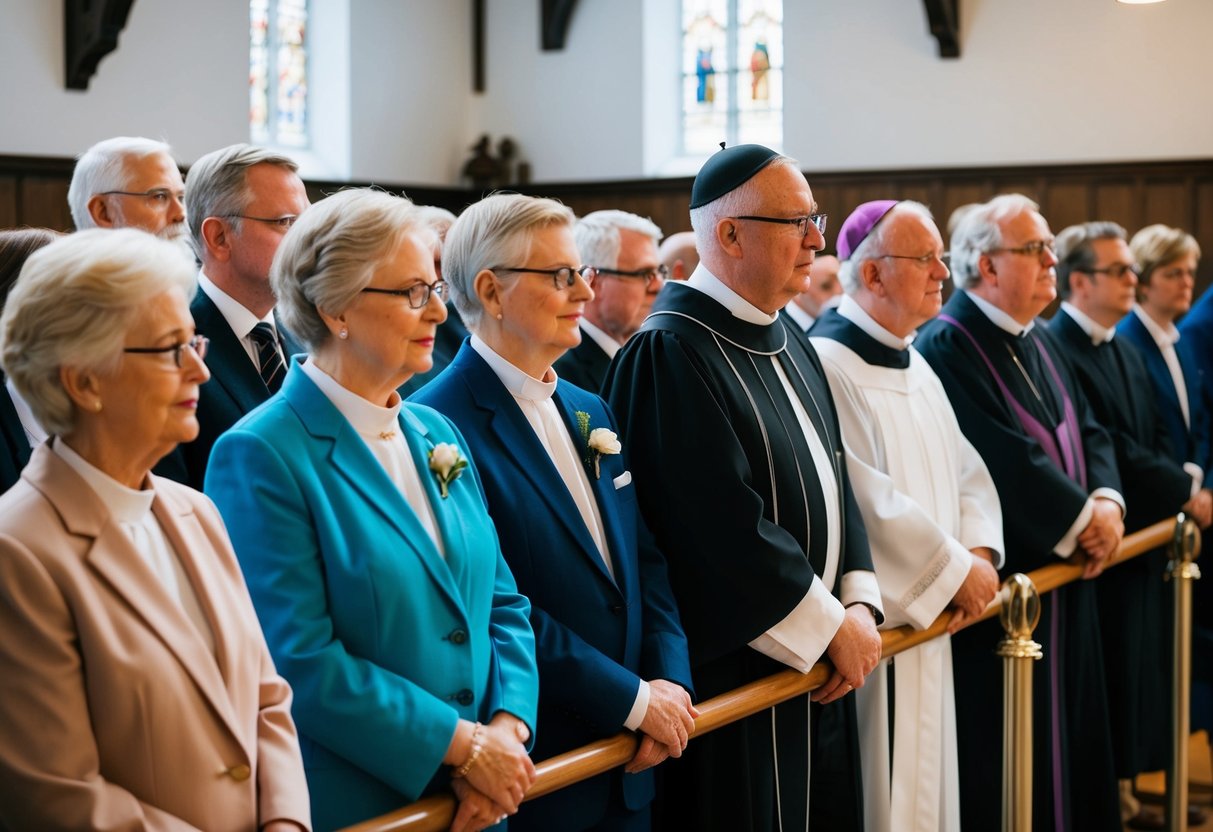
After your ordination, your roles and responsibilities will evolve significantly. You will engage deeply with your community while fulfilling spiritual duties. Understanding these roles is crucial for a successful ministry.
Serving as a Deacon or Priest
As a deacon or priest, you play a vital role in your parish. Your primary responsibilities include leading worship services, preaching sermons, and administering sacraments like baptisms and Holy Communion.
You will also provide spiritual care, offering counsel and support to members of your community. This involves visiting the sick, leading prayers, and conducting funerals.
In your role as a priest, your position may also involve being an incumbent, which means you have oversight of a parish. You will work closely with church leaders and other readers to ensure that the parish runs smoothly and meets the spiritual needs of your congregation.
Duties Beyond the Parish
Your responsibilities can extend beyond the parish limits as well. Many priests and deacons take on roles as chaplains in schools, hospitals, or the military. This means you will offer spiritual guidance in diverse settings.
You may also participate in community outreach programs, helping to address social issues and provide support. This could include working with charities or social services to serve those in need.
Engaging in church governance is another important duty. You will likely attend diocesan meetings and collaborate with other ministers. This means you will contribute to decisions that affect broader church policy.