
What Is the Groom’s First Man Called? Understanding the Best Man Role
When planning a wedding, you might wonder about the roles of the wedding party. The person who plays a key role in standing beside the groom is called the best man. The groom’s closest friend or brother usually holds this important title. He supports the groom throughout the wedding day and often takes charge of tasks like organizing the bachelor party.
The best man is typically accompanied by other members of the wedding party known as groomsmen. Together, they help create a smooth experience for the groom, making sure everything runs well on that special day. Having a good best man can ease the pressure, allowing you to enjoy the memorable moments during the celebration.
Understanding Wedding Roles
Every wedding has a unique set of roles that help the big day run smoothly. Understanding these roles, especially those related to the groom’s party, can make planning easier. Here’s a breakdown of some key positions.
Key Roles of the Groom’s Party
The groom’s party typically includes several key figures. The most recognized are the best man and the groomsmen.
-
Best Man: This person is usually a close friend or relative of the groom. He plays a vital role in organizing events like the bachelor party and supporting the groom throughout the planning.
-
Groomsmen: These men stand beside the groom during the ceremony. They help with tasks leading up to the wedding and assist the best man.
-
Groomswomen: For more modern weddings, groomswomen can also be included in the party.
-
Usher: Ushers help guests find their seats at the ceremony, ensuring a smooth flow.
Best Man: Duties and Responsibilities
The best man holds a special spot in the wedding party. His duties often start well before the wedding day.
-
Support: He is there to support the groom emotionally and practically. This includes helping the groom choose an outfit and stay calm.
-
Planning Events: The best man often coordinates the bachelor party and other gatherings leading up to the wedding.
-
Leading Groomsmen: He organizes the groomsmen, ensuring they understand their roles and responsibilities.
-
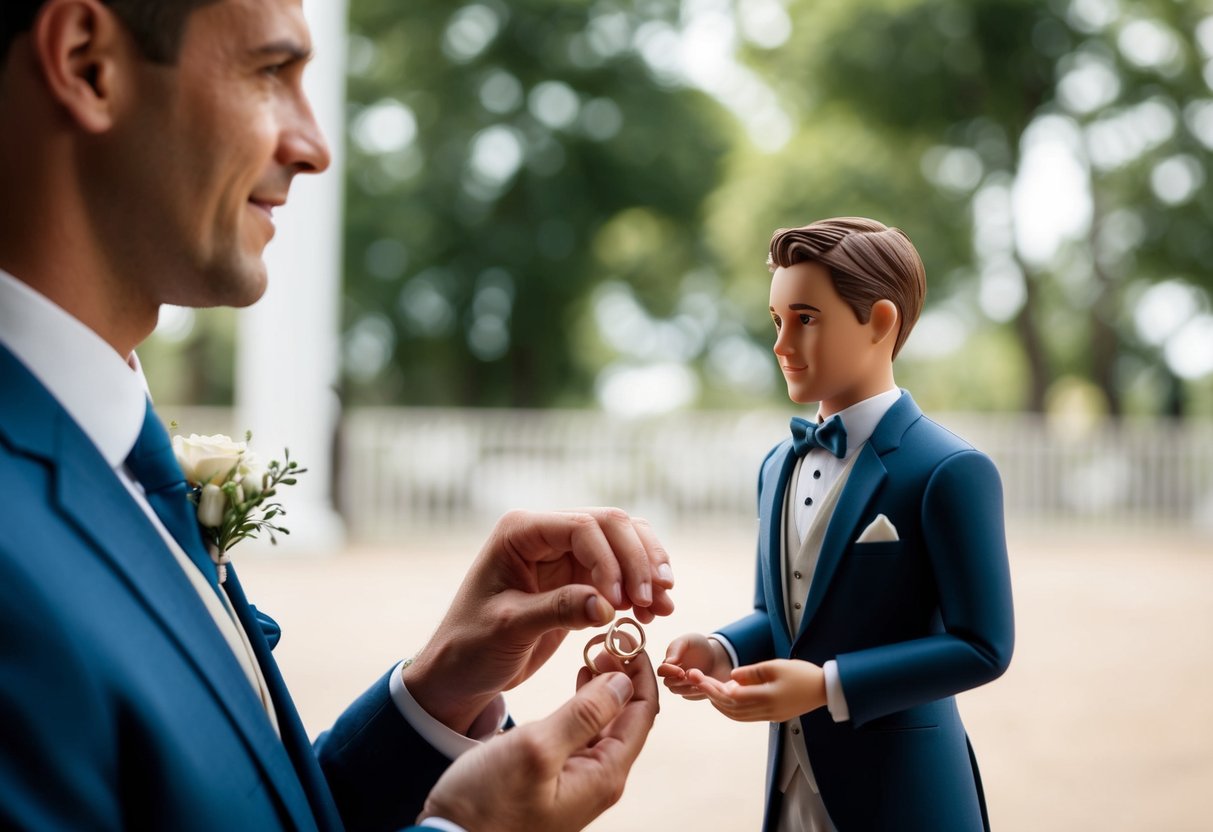
Ceremony Role: During the ceremony, the best man stands beside the groom and holds onto the wedding rings until they are exchanged.
-
Speech: Giving a heartfelt speech at the reception is a common task for the best man.
These roles are important for a supportive and joyful wedding experience!
Pre-Wedding Celebrations
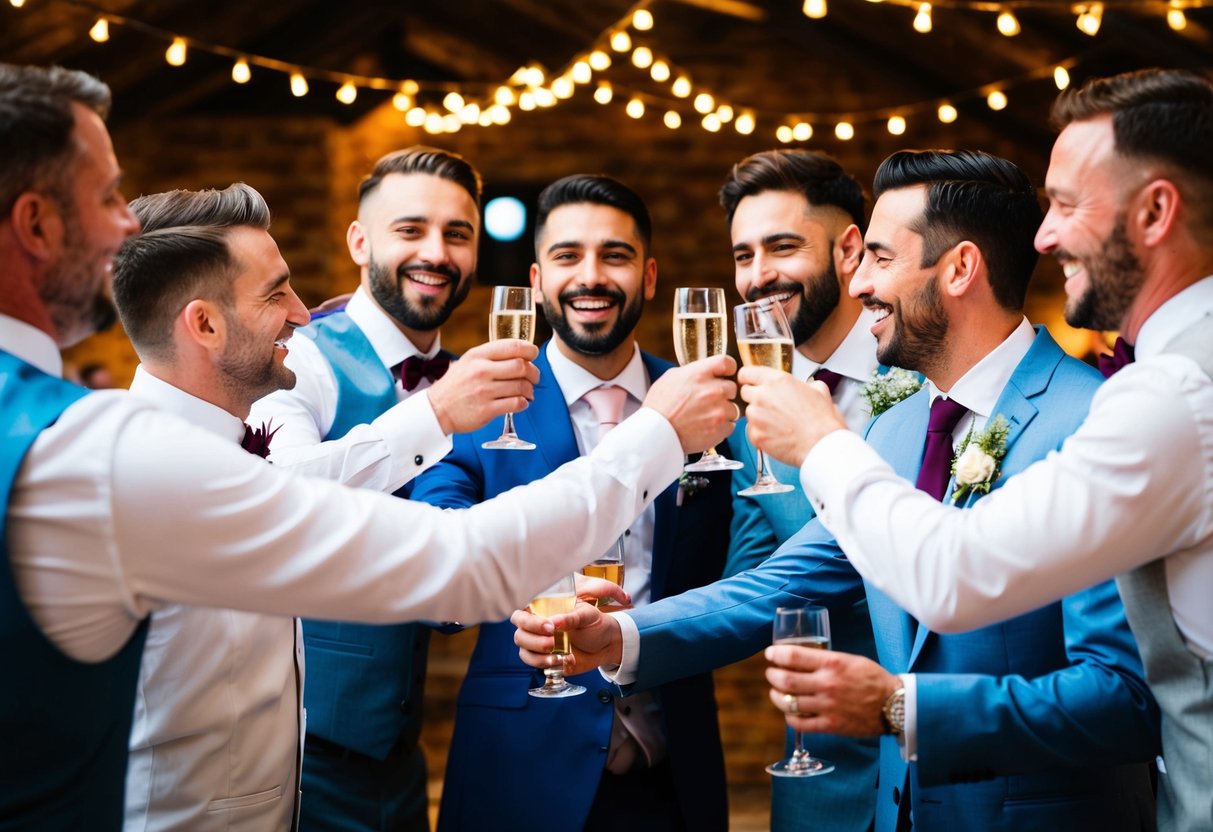
Pre-wedding celebrations are a fun way to mark the upcoming wedding. These events focus on encouraging connection among friends and family. Two key celebrations are the bachelor party and the engagement party, along with the rehearsal dinner.
Bachelor Party Planning
A bachelor party is an important celebration for the groom and his closest friends. Often known as a “stag do,” this event typically happens a few weeks before the wedding. The best man usually takes the lead in planning the party.
Ideas for Activities:
- Adventure Sports: Consider paintballing or go-karting.
- Relaxing Retreats: A weekend at a cabin or spa can be a great option.
- Night Out: Enjoy a night out in town with dinner and drinks.
Make sure to communicate well with your friends to match everyone’s interests and budget. It’s about having a memorable experience together before the big day.
Engagement Party and Rehearsal Dinner
The engagement party is an opportunity to celebrate your upcoming marriage with friends and family. This event often occurs shortly after you get engaged. It’s a chance to toast to the future and allow loved ones to meet each other.
The rehearsal dinner follows the rehearsal for the wedding ceremony. It usually takes place the night before the wedding.
Key Points to Consider:
- Guest List: Invite close family and friends.
- Venue: Choose a comfortable setting, like a restaurant or home.
- Speeches: It’s common to include speeches or toasts during this time.
These pre-nuptial events help build excitement and strengthen relationships among your wedding party and guests.
The Wedding Ceremony
During the wedding ceremony, every detail adds to the special moment. You will see various roles filled by family and friends, creating a memorable experience.
Procession and Support
In the wedding processional, the groom’s first man, known as the best man, walks in alongside the groomsmen. This group typically enters just after the groom, showcasing their support.
The best man often plays a significant role, helping the groom with tasks leading up to the ceremony. This can include coordinating with usher guests to ensure they are seated properly.
Meanwhile, the bridesmaids—or bridesmen—will enter next, bringing their own charm to the event. Each member of the wedding party contributes to the festivities, setting the tone for the ceremony ahead.
Attire and Tradition
When it comes to the groom’s look for his big day, attire plays a crucial role. You have many options that reflect both personal style and wedding traditions. Understanding these aspects will help you choose the right outfit for your nuptials.
Choosing the Right Look
Choosing the right attire for your wedding is essential. Modern grooms might opt for a classic tuxedo, while others may prefer a tailored suit. Think about colors and fabrics that suit the wedding theme and season.
Common options include:
- Tuxedo: Offers a formal vibe for traditional weddings.
- Suit: More versatile, perfect for casual or outdoor events.
- Traditional attire: Depending on your culture, this could be a Sherwani or other specific garments.
Consider attire rentals if buying isn’t in your budget. Renting allows you to wear premium brands without overspending.
Historical and Cultural Significance
Historically, the groom’s attire has represented social status and tradition. In Old English weddings, the groom often wore special clothing that set him apart from guests.
Many cultures have unique traditions. For instance, in Greek weddings, the koumbaro takes part in the ceremony wearing a formal outfit that signifies their role in the union.
In some customs, attire is crucial for showing respect to the family or history. Choosing outfits that reflect your background can make the ceremony more meaningful. This connection to tradition adds depth to your special day.