
What Is the Name of the Song “Here Comes the Bride”? Discover Its History and Significance
When you think of classic wedding music, chances are the song “Here Comes the Bride” comes to mind. This well-known piece is formally called the “Bridal Chorus,” composed by Richard Wagner for his opera Lohengrin in 1850. It has become a staple at wedding ceremonies, often played as the bride walks down the aisle, adding an air of excitement and elegance to the occasion.
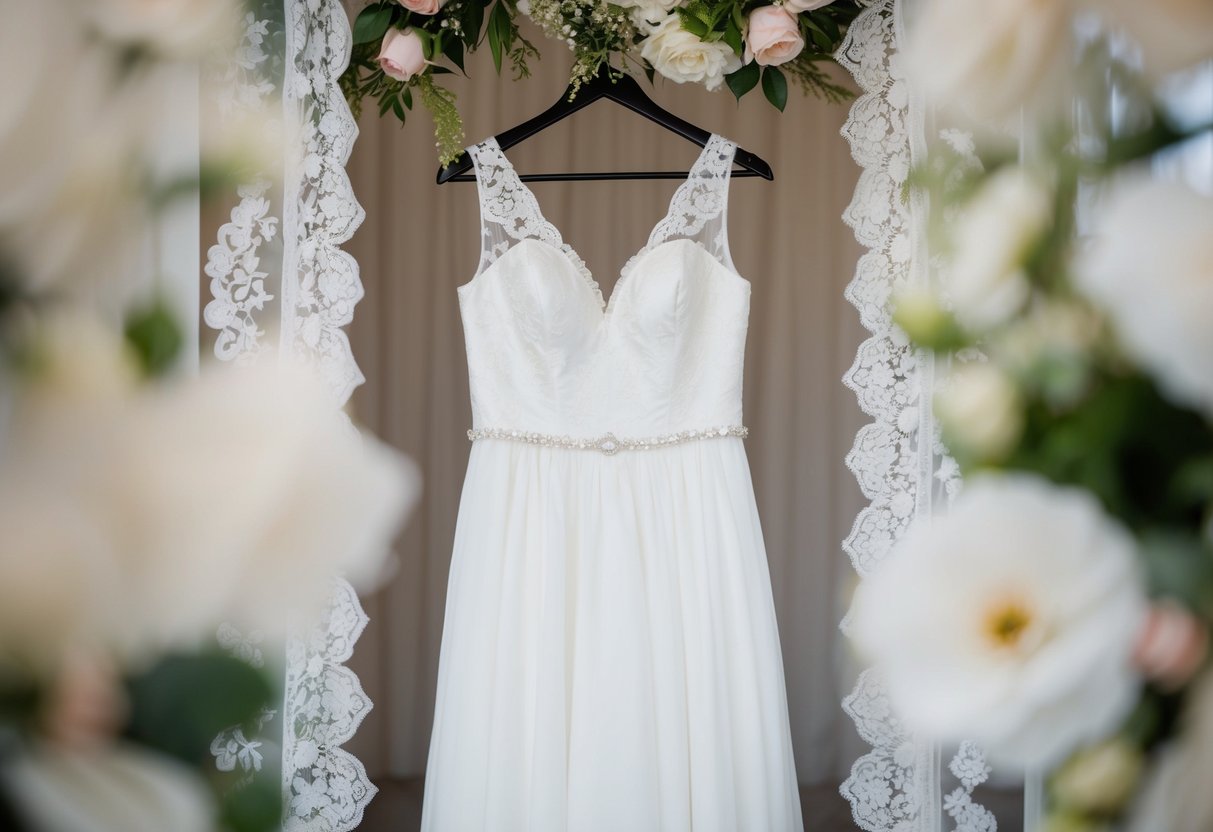
Understanding the history behind this beloved tune can enhance your appreciation for its role in weddings. Many couples choose the “Bridal Chorus” for its timeless quality and emotional impact. It brings a touch of tradition to your special day, connecting you to countless other couples who have stood in front of loved ones while this music played.
If you’re curious about the origins of this song and why it remains so popular in wedding ceremonies today, keep reading. You’ll discover more about its significance and some fun facts that make it an enduring choice for brides.
Historical Origins of ‘Here Comes the Bride’
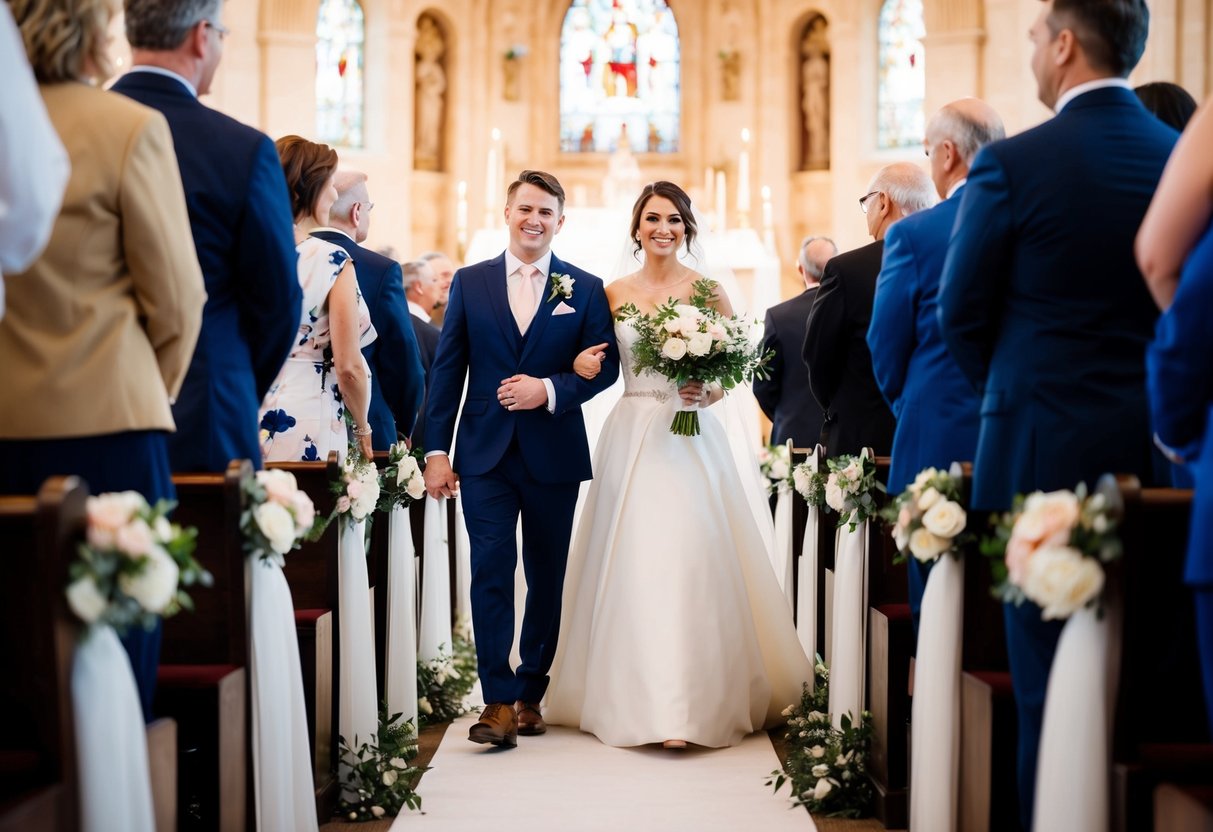
The song known as “Here Comes the Bride” has deep roots in classical music. Its origins trace back to Richard Wagner and his opera “Lohengrin,” where a beautiful scene features the Bridal Chorus. Let’s explore both of these important elements.
Richard Wagner’s Influence
Richard Wagner was a notable German composer who greatly impacted opera and music history. He created complex operas that combined music, drama, and emotional depth.
In 1850, Wagner composed “Lohengrin.” This opera includes the famous Bridal Chorus, which is often recognized today as “Here Comes the Bride.” Wagner’s music was revolutionary and remains influential. His work provided a rich melodic background that continues to shape wedding ceremonies around the world.
Lohengrin and the Bridal Chorus
In “Lohengrin,” the Bridal Chorus is performed during a pivotal wedding scene. The character Elsa, who is the bride, is accompanied by a group of women as she enters, creating an enchanting moment.
This piece is originally titled “Treulich geführt” in German. It captures the joy and solemnity of a wedding. Over the years, this song became a staple at many ceremonies. The beautiful melody has made it a favorite for couples saying their vows. Its connection to love and commitment keeps it relevant today.
Cultural Significance and Traditions
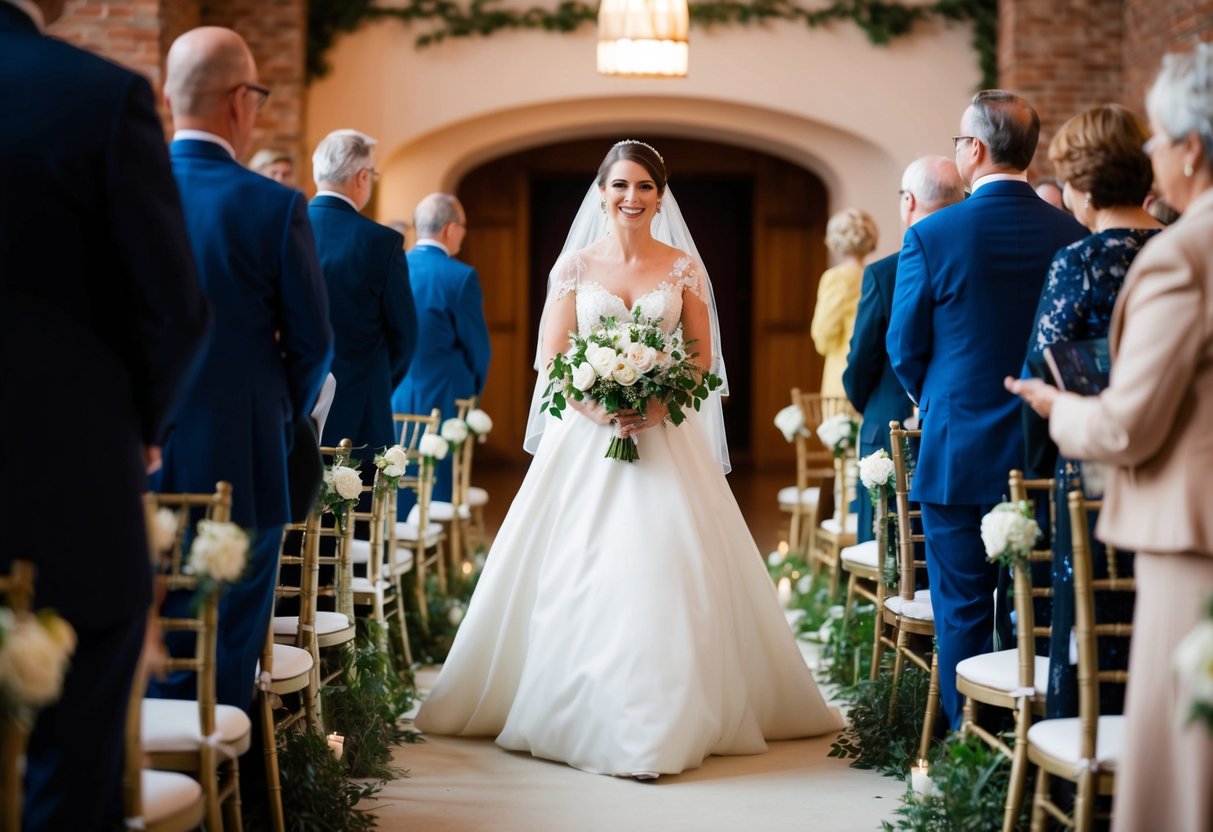
The song known as “Here Comes the Bride” has deep roots in wedding traditions around the world. It carries various meanings and has been adapted by different cultures over time, making it a staple in many ceremonies.
Adoption in Wedding Ceremonies
You will often hear the “Bridal Chorus” during wedding ceremonies, marking the bride’s entrance. This practice is not limited to one culture; it’s embraced by many, including Roman Catholic and Lutheran churches. The music sets a joyful and solemn tone, creating a memorable moment as the bride walks down the aisle.
Couples often choose this song for its associations with love and celebration. Its melodic structure helps capture the significance of the occasion, making it a popular choice among Jewish couples as well.
Queen Victoria and Royal Weddings
Queen Victoria played a crucial role in popularizing this wedding music. When she married Prince Albert in 1840, the song became famous. The royal wedding showcased lavish traditions, leading others to emulate this grand style.
As a result, “Here Comes the Bride” became synonymous with royal and formal wedding ceremonies. Over the years, this trend trickled down to commoners, cementing the song’s place in weddings across the globe.
Global Interpretations
Different cultures have their unique takes on the “Bridal Chorus.” In various regions, the tune is performed in local styles or integrated with traditional instruments. For example, some Pagan ceremonies adapt the song to reflect their spiritual values.
In other cultures, variations may incorporate local customs or languages. This adaptability showcases how a single piece of music can resonate across various traditions, making it a cherished element of many weddings. Each interpretation adds to the rich tapestry of marriage celebrations worldwide.
The Role of Music in Weddings
Music plays a vital role in weddings, helping to create the atmosphere and marking significant moments. It sets the mood for the ceremony and can highlight emotions during key events.
Entrance and Exit Music
When you walk down the aisle, the music is often the first thing guests notice. The song you choose for the processional is crucial. Many brides opt for the classic Bridal Chorus, also known as “Here Comes the Bride.”
Alternatively, some couples prefer pieces like “Canon in D” by Johann Pachelbel or “A Midsummer Night’s Dream” by Felix Mendelssohn. These pieces create a dreamy ambiance.
For exit music, you might choose something upbeat like a joyful Choral Processional. This signals the end of the ceremony and allows you to celebrate with your guests as you leave together.
Modern Alternatives to the Bridal Chorus
While the Bridal Chorus remains a favorite, many couples look for modern options. Songs from various genres have become popular choices that reflect your personal style.
For example, many choose contemporary songs that hold special meaning in their relationship. Tracks by artists like Ed Sheeran or John Legend can evoke the right emotions.
You can also think of instrumental versions of popular songs. This special touch can blend classic vibes with contemporary flavors. Think about what feels authentic to you, as your choice can make your ceremony unique and memorable.
Fashion and Rituals Surrounding the Bridal Entrance
The bridal entrance is not just about the song you hear; it embodies deep meanings and traditions. As you walk down the aisle, you reflect the beauty of the occasion through your attire and the associated rituals that take place.
Symbolism of the Bridal Procession
Walking down the aisle signifies the transition from single life to married life. In many cultures, this moment is not only a personal milestone but also a public declaration of love and commitment.
Often, the bridal party plays a crucial role, highlighting the couple’s support system. In a Jewish wedding, the ceremony includes the bedeken, where the groom veils the bride, symbolizing modesty and protection.
This procession is filled with emotions, and the choice of processional music, like the iconic “Here Comes the Bride,” enhances the experience. The music sets the tone for the ceremony, creating a warm atmosphere for everyone watching.
Evolution of Wedding Attire
Traditionally, Queen Victoria popularized white wedding dresses during her wedding to Prince Albert. This was in the 19th century, and the color symbolized purity and new beginnings.
Today, you can find a variety of styles, from flowing ball gowns to sleek, modern designs. Many brides opt for dresses that reflect their unique personalities, while still honoring traditions.
Brides often choose fabrics that add elegance, such as lace, silk, or satin. Accessories like veils and tiaras can also enhance your bridal look, making you feel like royalty on your special day.
This blend of personal expression and long-held traditions makes the bridal entrance a memorable part of any wedding.