
What Is the Original Wedding Song Called? Discovering the Timeless Classic
If you’re planning a wedding, you might wonder about the music that will play as you walk down the aisle. The original wedding song often referred to is the “Bridal Chorus” from Richard Wagner’s opera Lohengrin, which is commonly known as “Here Comes the Bride.” This classic tune has become a staple at many weddings, symbolizing the joy and celebration of the union.
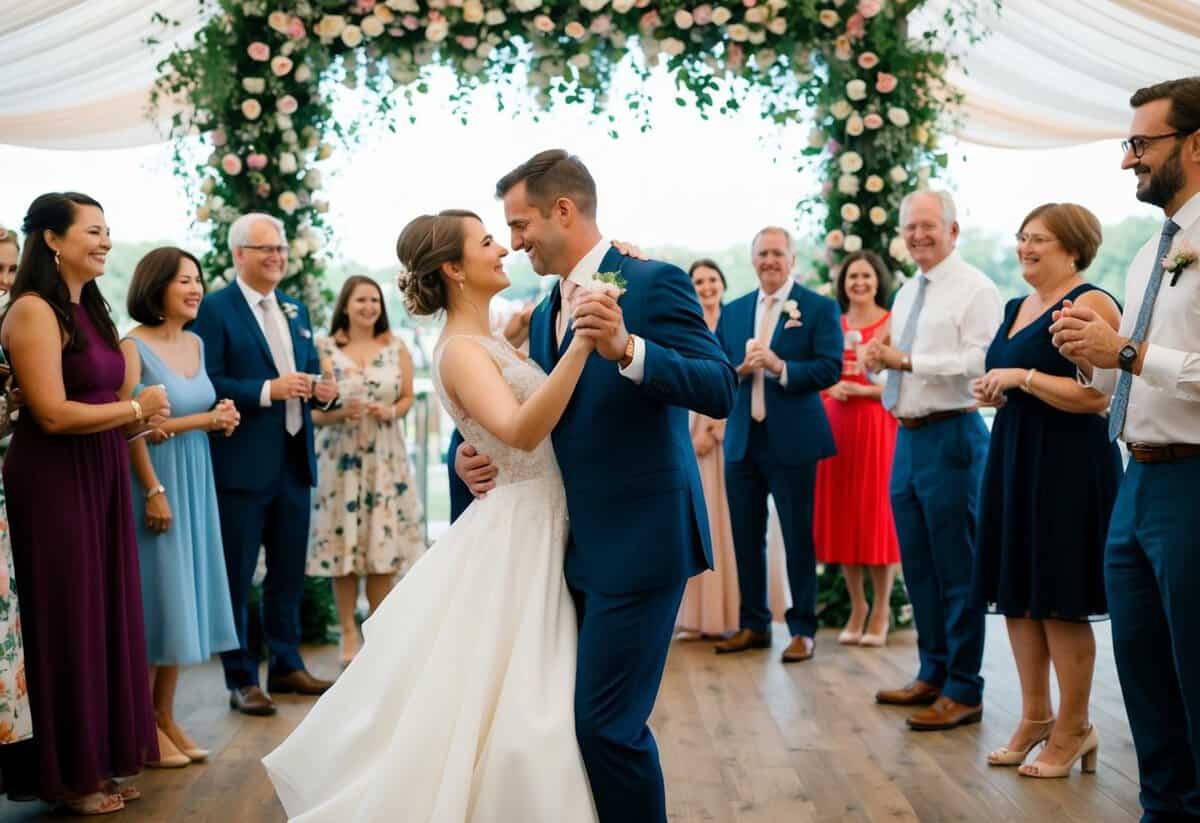
Understanding the history of this song adds an enchanting layer to its meaning. Composed in 1850, this piece has been embraced in cultures across the Western world.
While it remains popular, you might also discover modern alternatives that suit your personal style and preferences.
Exploring the evolution of wedding songs can help you make informed choices for your special day. Whether you choose to stick with tradition or opt for something new, the right music sets the tone for a beautiful ceremony.
History and Origin of Traditional Wedding Music
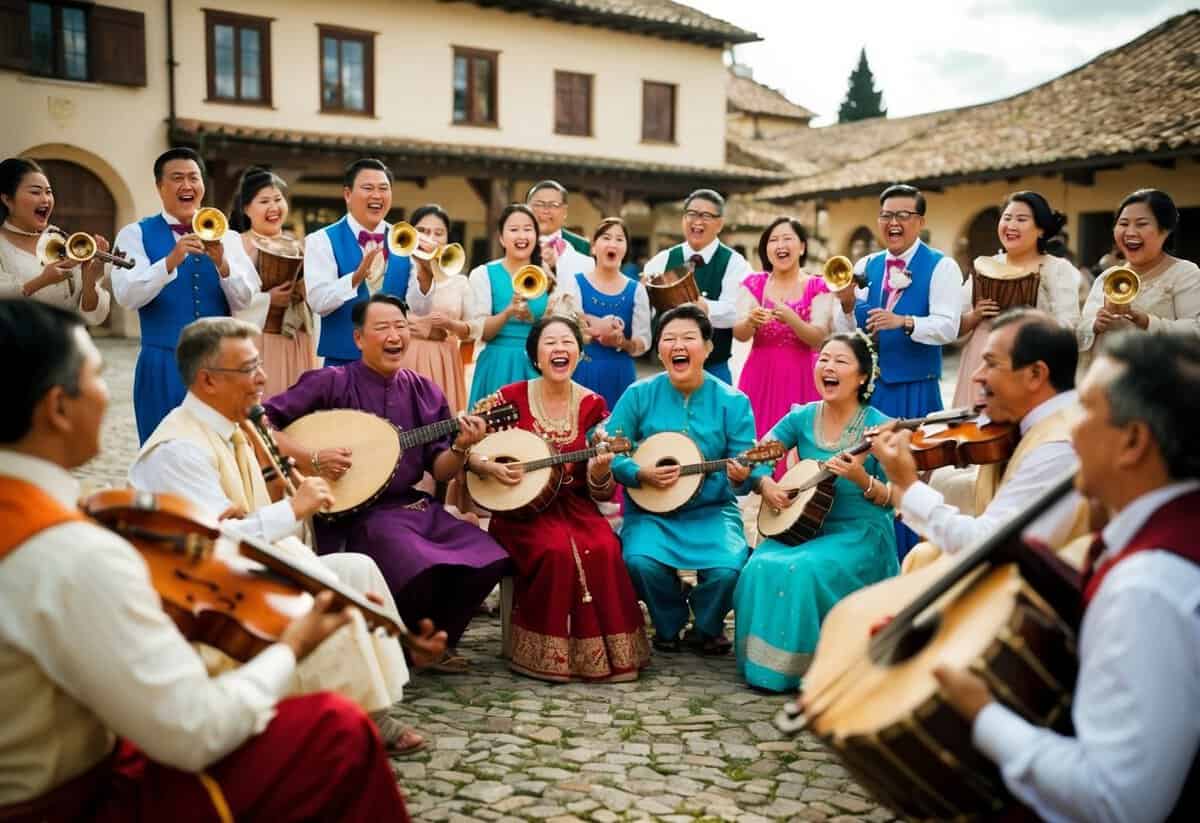
Understanding the history of traditional wedding music reveals how certain pieces became popular for ceremonies. Key songs like the Bridal Chorus and the Wedding March have unique backgrounds and connections to royal events that shaped their significance.
Bridal Chorus from ‘Lohengrin’
The Bridal Chorus, known as “Here Comes the Bride,” comes from Richard Wagner’s 1850 opera Lohengrin. This piece is played as the bride walks down the aisle. It was first performed in Weimar, Germany, under the direction of Franz Liszt.
Its original context was quite different. In Lohengrin, the chorus accompanies a scene where brides enter with their new husbands. This strong association with weddings began when it was adopted for ceremonies throughout the Western world.
Today, many couples choose this classic piece for its emotional resonance. The song’s lovely melody adds grandeur to the moment, making it an enduring favorite.
Wedding March by Felix Mendelssohn
Another well-known wedding piece is the Wedding March by Felix Mendelssohn. This piece was written for Shakespeare’s A Midsummer Night’s Dream, but its popularity soared when it was used at royal weddings.
The March was famously played at the 1840 wedding of Queen Victoria and Prince Albert. This event brought great attention to the piece, making it a staple at weddings ever since. Couples often choose it for the recessional, marking the end of the ceremony.
Many people recognize this piece as it has been featured in films and television shows. Its lively tempo and joyous spirit add excitement to the celebration.
Influence of Royal Weddings
Royal weddings have significantly influenced the choice of traditional wedding music, particularly in the UK. Queen Victoria’s wedding to Prince Albert in 1840 marked a turning point for wedding music.
During their ceremony at St. James’ Palace, the music choices set trends that many people copied. The inclusion of the Bridal Chorus and Mendelssohn’s Wedding March showcased how these pieces became linked to royal celebrations.
When Princess Victoria Adelaide Mary Louise married Frederick William IV of Prussia, royal music continued to play a key role. Such choices by royals helped establish what became expected in wedding ceremonies. Today, many couples still follow these long-standing traditions when selecting their wedding music.
Ceremonial Significance of Processional Music
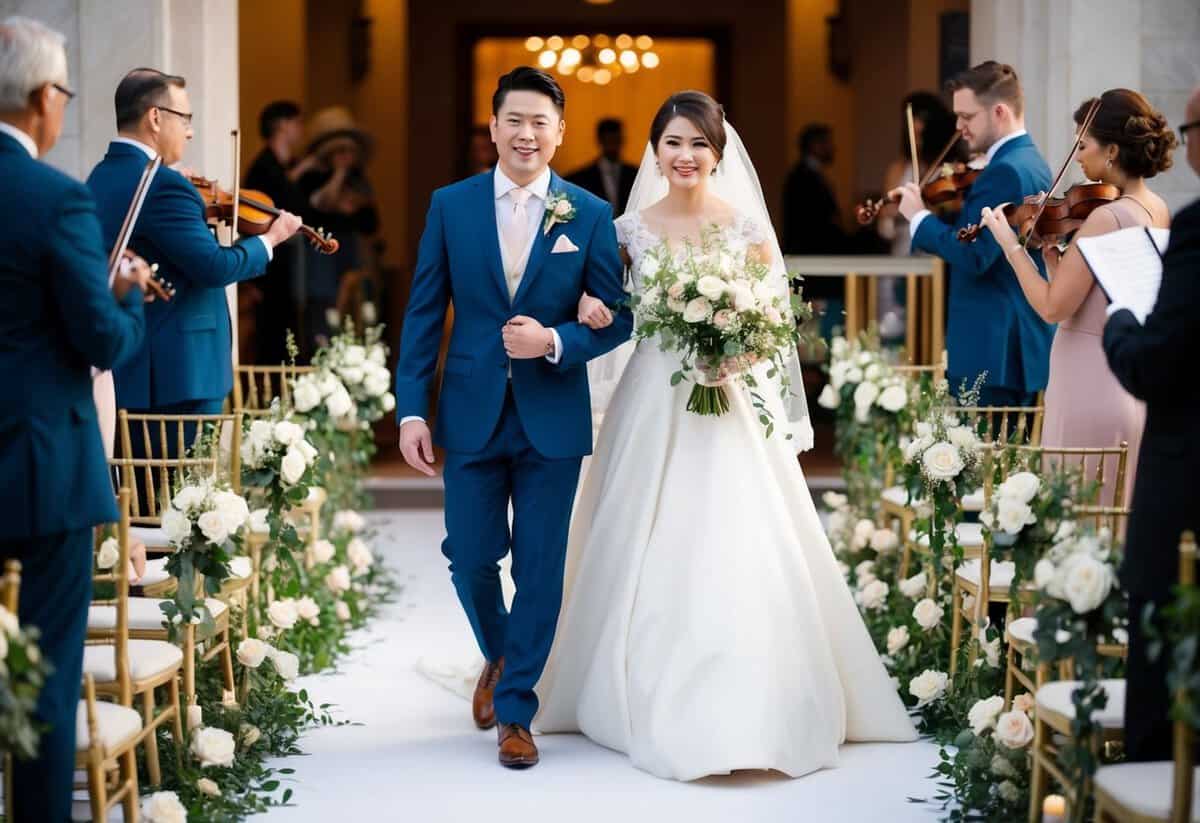
Processional music plays a key role in setting the mood for your wedding ceremony. This music not only signifies an important moment but also reflects cultural traditions and personal choices.
Cultural Importance of the Processional
The processional is a deeply rooted tradition in many cultures. As you prepare to walk down the aisle, the music creates a special atmosphere filled with anticipation.
In many cultures, specific songs hold significant meaning. For instance, traditional tunes may reflect heritage, while modern choices can highlight personal stories or favorites. This music serves to connect generations, as families often pass down songs that have special significance.
Using a specific piece of music can also honor cultural customs. It might represent your roots and values, making your ceremony feel unique and personal.
Traditional Vs. Modern Choices
When it comes to processional music, you have a choice between traditional or modern selections.
Classic pieces like Wagner’s “Bridal Chorus,” often referred to as “Here Comes the Bride,” are popular options. These canonical processional tunes have stood the test of time, evoking strong emotions as you enter the room.
On the other hand, many couples are choosing to personalize their weddings by opting for contemporary songs that resonate with them. Whether it’s a favorite love song or a meaningful instrumental piece, modern choices can add a personal touch.
Your wedding music can reflect your journey as a couple, showcasing your tastes and personalities.
Role of the Pipe Organ
The pipe organ has a special place in many wedding ceremonies. It is traditionally associated with the processional, adding grandeur to this significant moment.
As the music fills the space, it enhances the emotional impact of your entrance.
This instrument’s rich and powerful sound can elevate the atmosphere. The majestic tones create a feeling of celebration and reverence.
Many couples choose to incorporate a choral processional alongside the organ. This can create a layered effect, making the moment even more memorable. The combination of voices and instrumentals can leave a lasting impression on you and your guests.
The Role of Classical Composers in Wedding Music
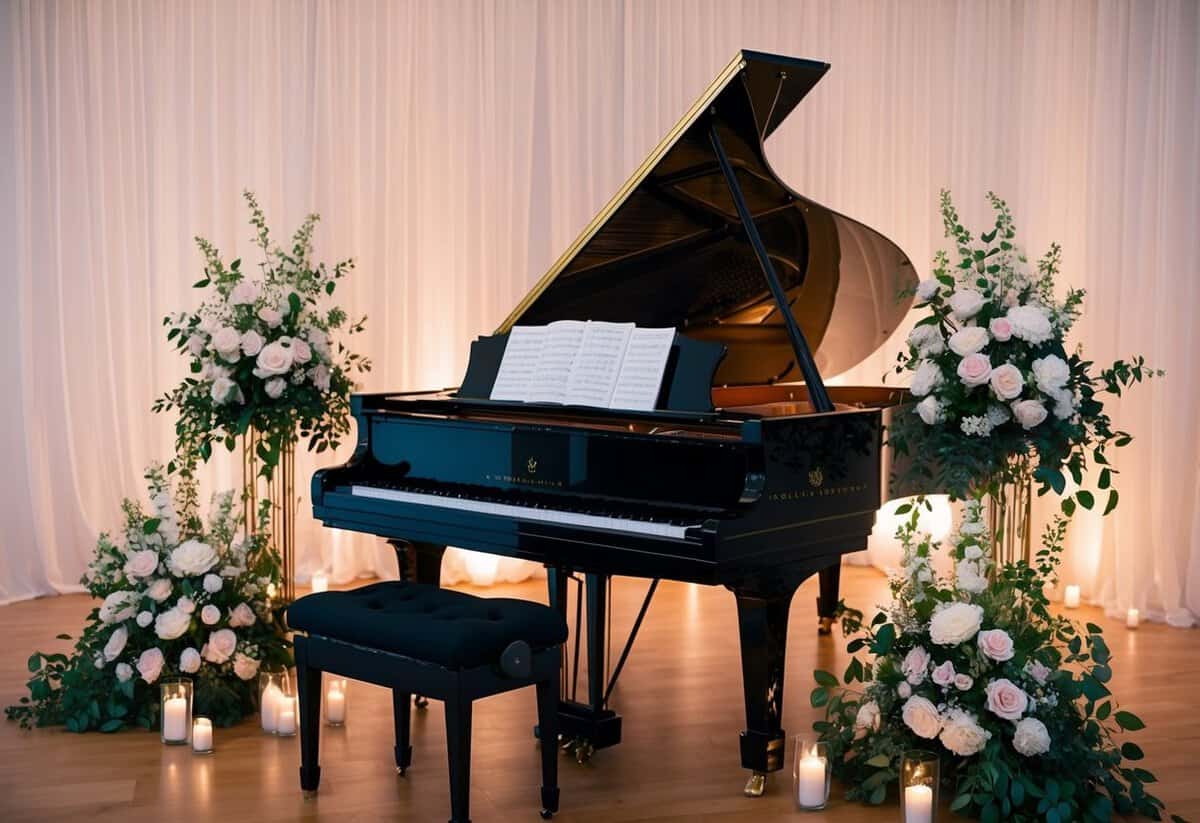
Classical composers have had a significant impact on wedding music. Their timeless pieces continue to create a beautiful atmosphere for ceremonies. Understanding their contributions can enhance your appreciation of the music played during weddings.
Johann Pachelbel’s Influence
Johann Pachelbel is most famous for his piece, Canon in D. This piece is often played during wedding ceremonies, especially as the bride walks down the aisle. Its harmonious chords create a serene atmosphere, making it a perfect choice for such a special moment.
Many couples choose Canon in D for its beautiful melodic line. The piece has a simple yet elegant structure, which allows it to blend seamlessly with various styles of weddings.
Pachelbel’s Canon has become almost a staple for wedding music. Its popularity shows how classical music can resonate deeply with modern couples.
Legacy of Johann Sebastian Bach
Johann Sebastian Bach made significant contributions to classical music, and his works are widely used in weddings. Many of his compositions suit the wedding setting, including Air on the G String and Bridal Chorus from his cantata.
Bach’s music brings a sense of grandeur and dignity to ceremonies. His compositions often feature rich harmonies and complex structures that elevate the overall experience.
Popular choices from Bach’s repertoire reflect deep emotions, making them ideal for moments like the first dance or the processional. Selecting Bach’s works ensures that your wedding has a classic touch, connecting the ceremony to a long tradition of beautiful music.
Cultural Diversity in Wedding Songs
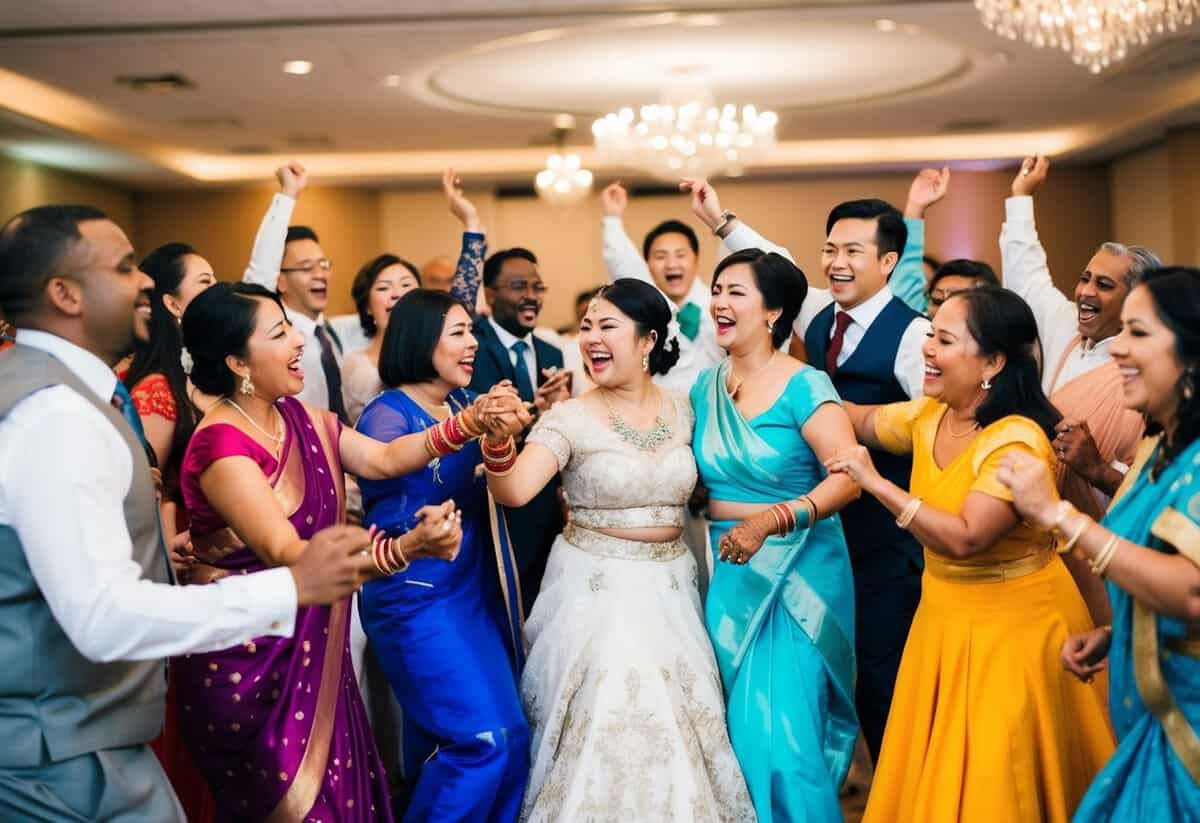
Weddings around the world celebrate love and unity through various musical traditions. Different cultures bring unique melodies and lyrics that reflect their heritage and values.
Jewish Wedding Music Traditions
Jewish weddings feature music that adds depth and emotion to the ceremony. Traditional songs often include the “Hava Nagila,” which celebrates joy and unity during the reception. These songs invite the bridal party and guests to dance, promoting togetherness.
Other important music includes the “Seven Blessings” chanted during the ceremony. This adds spiritual significance, acknowledging the couple’s commitment.
You might also encounter Klezmer music, known for its lively tunes, played during celebrations.
Jewish couples often select a mix of modern and traditional elements, showcasing their identity and beliefs through music while emphasizing the love between partners.
Adapting Music for Multicultural Ceremonies
More couples today embrace diverse backgrounds in their weddings. This blending of traditions can create a richer experience. You can include songs from both cultures, making guests feel connected.
For example, if you have a Jewish background but also want to honor your partner’s heritage, consider including a traditional song from that culture. This way, both families will see their customs represented.
Incorporating unique elements, like a special dance or a meaningful song, will also enhance the experience. Think about your bridal party and how they can participate in these musical traditions.
By celebrating cultural diversity, you foster a sense of unity and love among everyone present.