
What Side Does the Bride Walk On? Understanding Wedding Traditions
When it comes to a wedding ceremony, many details matter. And one of the most common questions is about the bride’s position. Traditionally, the bride walks down the aisle on the left side of the groom. This age-old custom has roots in history and chivalry, adding a special touch to the moment.
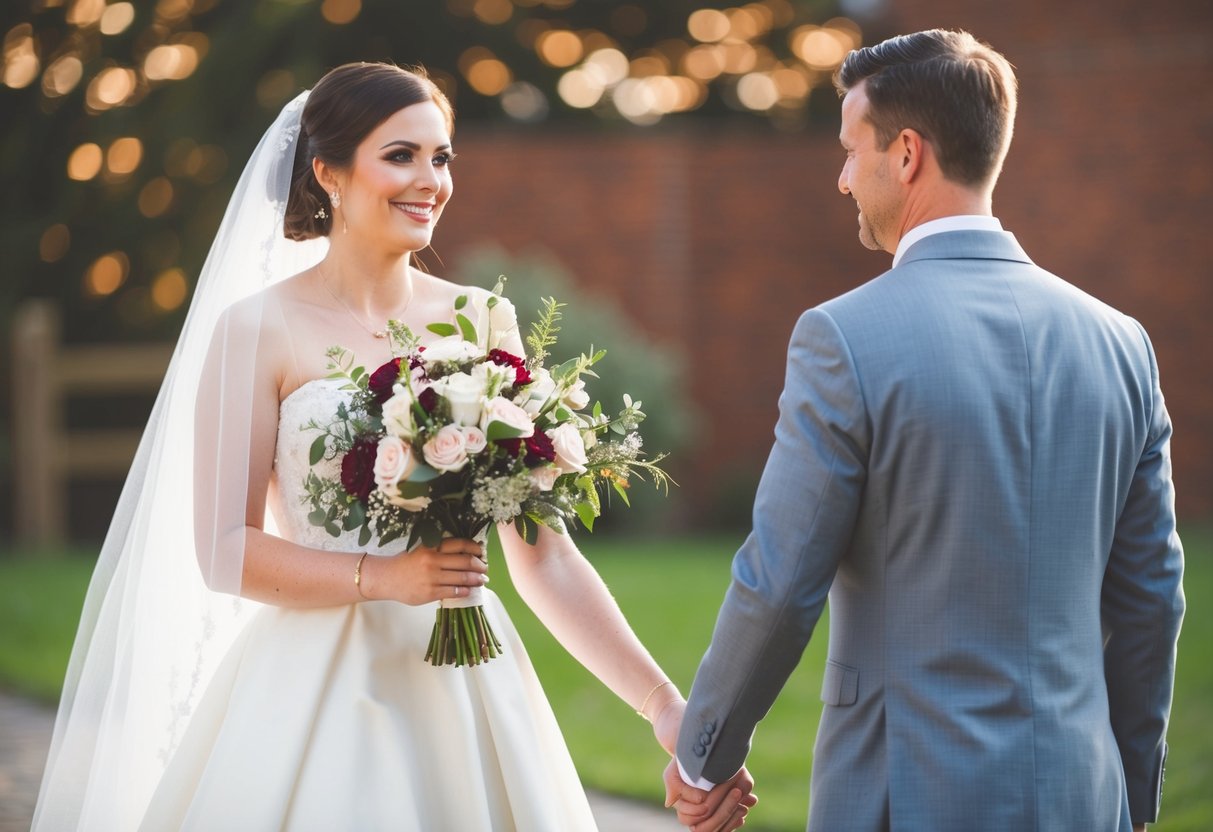
As you prepare for your big day, knowing this detail can help you coordinate the ceremony better. Your choice of sides can set the tone for the event, reflecting personal preferences or cultural traditions. Understanding these nuances can make your wedding experience even more meaningful.
So, whether you are planning your wedding or attending one, knowing where the bride stands can enhance your appreciation for this beautiful celebration of love.
The Tradition of Bride and Groom Aisle Side
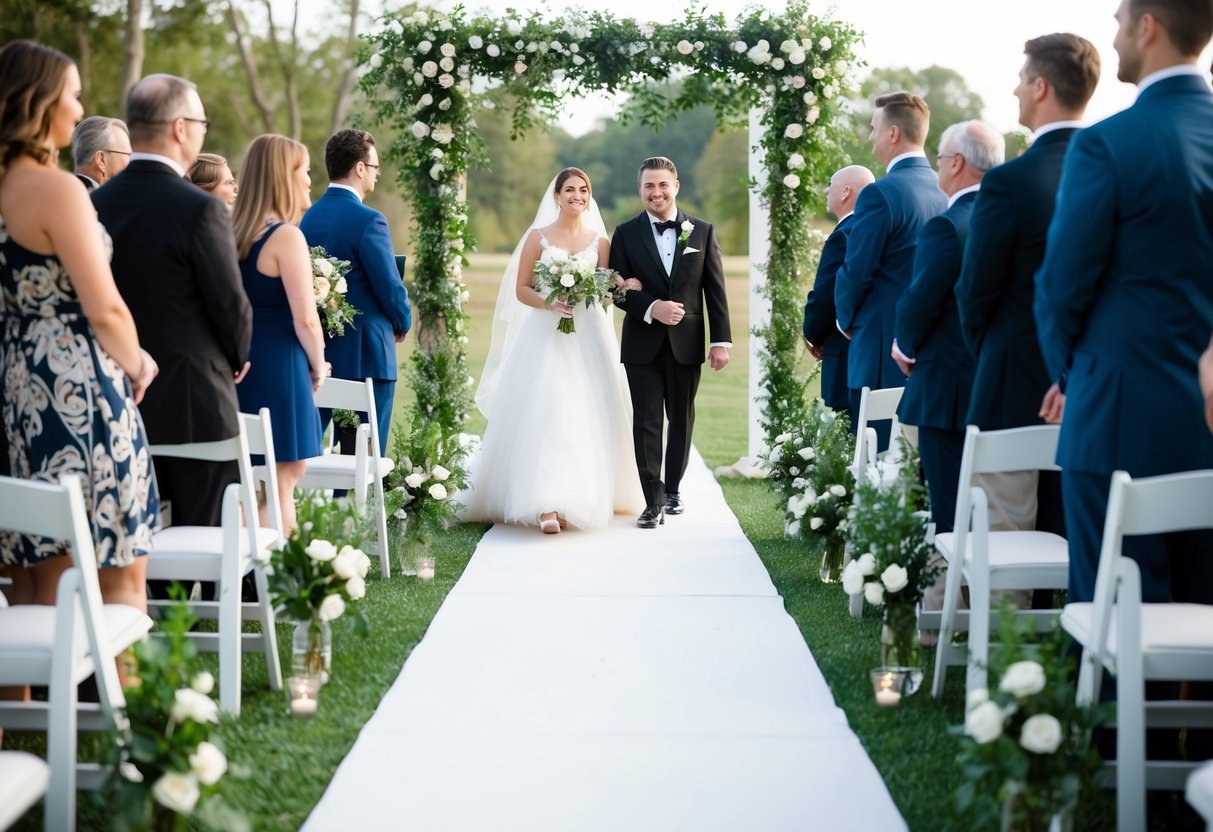
The choice of which side the bride and groom stand on during a wedding ceremony carries both historical significance and opportunities for personal preference. Understanding these aspects can help you feel more connected to the traditions of your ceremony.
Historical Significance of Side Selection
Traditionally, the bride stands on the left side while the groom is on the right. This custom dates back to ancient chivalry. The idea was that the groom could easily defend his bride from any potential threats during their vows.
In many cultures, this arrangement signifies the roles each partner plays in the marriage. The bride is often seen as the center of attention, showcasing her beauty in the ceremony. Meanwhile, the groom stands protectively at her side, reinforcing the bond between them.
Modern Variations and Personal Preference
Today, many couples choose to change this tradition. You might feel more comfortable with the bride on the right and the groom on the left, which is perfectly fine. The key is to make choices that feel right for you both.
In some weddings, personal preference also influences aisle selection, especially in unique ceremonies. For example, in certain Jewish ceremonies, seating arrangements could differ, with the groom’s side often on the left. More importantly, your wedding reflects who you are as a couple, so feel free to adapt traditions to fit your style and comfort.
Wedding Ceremony and Processional Structure
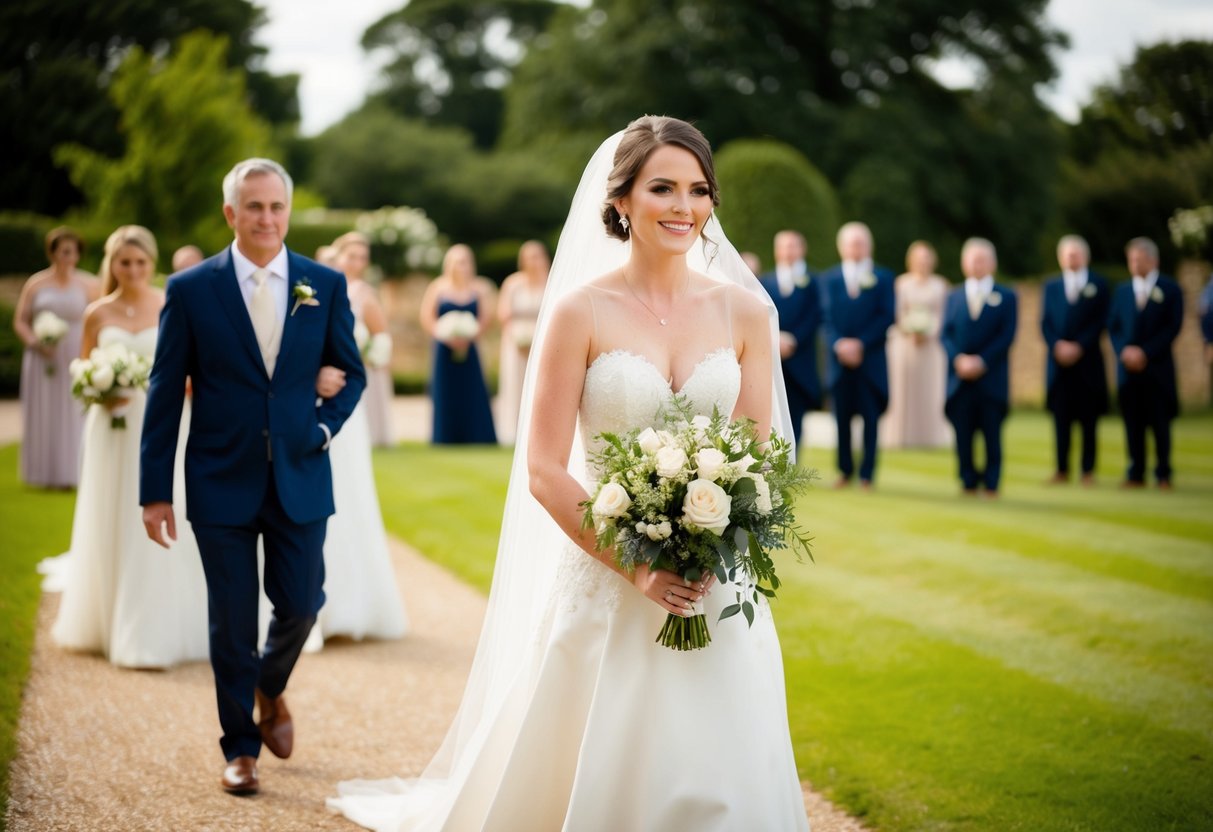
In a wedding ceremony, the processional order is essential to set the tone and structure of the event. Different cultures have unique traditions that influence how the bride and wedding party enter the ceremony venue.
Christian Wedding Traditions
In traditional Christian weddings, the bride typically walks down the aisle on her father’s right side. This placement symbolizes her father’s protective role. Often, the officiant is the first to enter, followed by the wedding party, which may include bridesmaids, groomsmen, and flower girls.
The sequence of the processional can vary based on personal preference. You might have your parents walk down the aisle before you, or even include special family members. The wedding processional typically culminates with the bride, who often takes her time to create a memorable moment.
Jewish Wedding Customs
In Jewish weddings, the processional has its own distinct features, reflecting deep cultural significance. Here, the bride usually walks down the aisle on her father’s left side. This is meant to keep the bride close to her father, highlighting the emotional bond.
Before the bride, the groom also enters the ceremony venue, often flanked by important family members. The processional usually includes the bridal party, chuppah (wedding canopy), and key participants. Each step in the processional is marked by meaningful traditions, adding to the rich tapestry of the ceremony.
Roles and Responsibilities
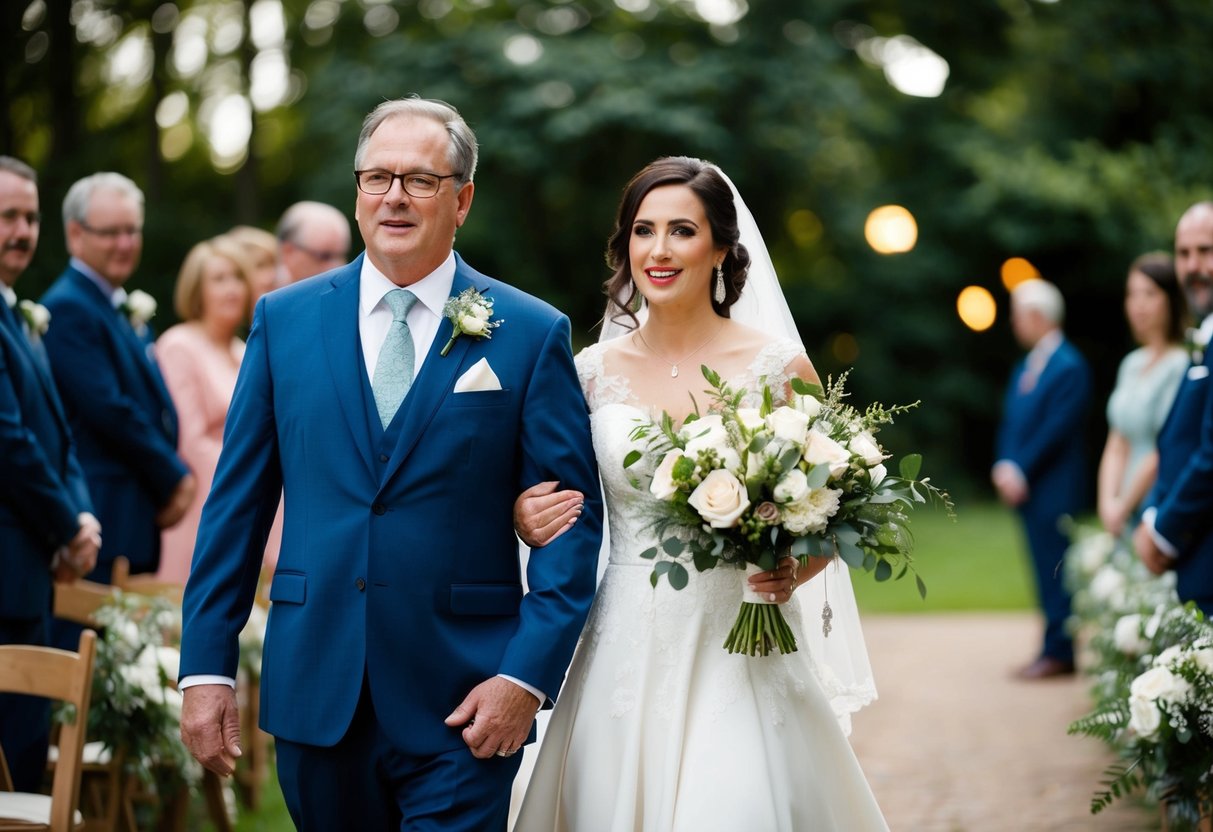
When planning a wedding, understanding the roles of each participant helps everything go smoothly. Knowing how family members and the bridal party fit into the ceremony can enhance the experience for everyone involved.
Officiant and Altar Placement
The officiant plays a crucial role in the ceremony. They stand at the altar, where you and your partner will exchange vows. Typically, the groom is positioned on the right, while you, the bride, stand on the left. This placement symbolizes the groom’s heart being close to your heart.
The officiant guides the ceremony, leading you through each part, including the vows and any readings. It’s essential to have a clear understanding of how this setup works to ensure a seamless flow during the ceremony. Discuss with your officiant about any specific rituals or traditions you want to include.
Bridal Party Involvement
Your bridal party, including bridesmaids and groomsmen, is there to support you. They walk down the aisle before you and help create a joyful atmosphere. Each member of your bridal party has specific responsibilities, such as helping with your dress or holding flowers.
Bridesmaids often help you with last-minute details, while groomsmen assist the groom. It’s their chance to shine, so make sure to communicate clearly what you need from them. Their involvement can bring a sense of unity and joy to your big day.
Family Members’ Participation
Family dynamics are often at the heart of a wedding. Important family members, particularly your parents, play significant roles. The father of the bride usually walks you down the aisle. This moment can symbolize the transition from your family to a new partnership.
Mothers often take part by helping with planning or handling small tasks. Including grandparents can add a special touch as well, with some families having them light candles or share readings. Each person’s involvement should reflect your family’s values and traditions for a memorable experience.
Cultural and Contemporary Variations
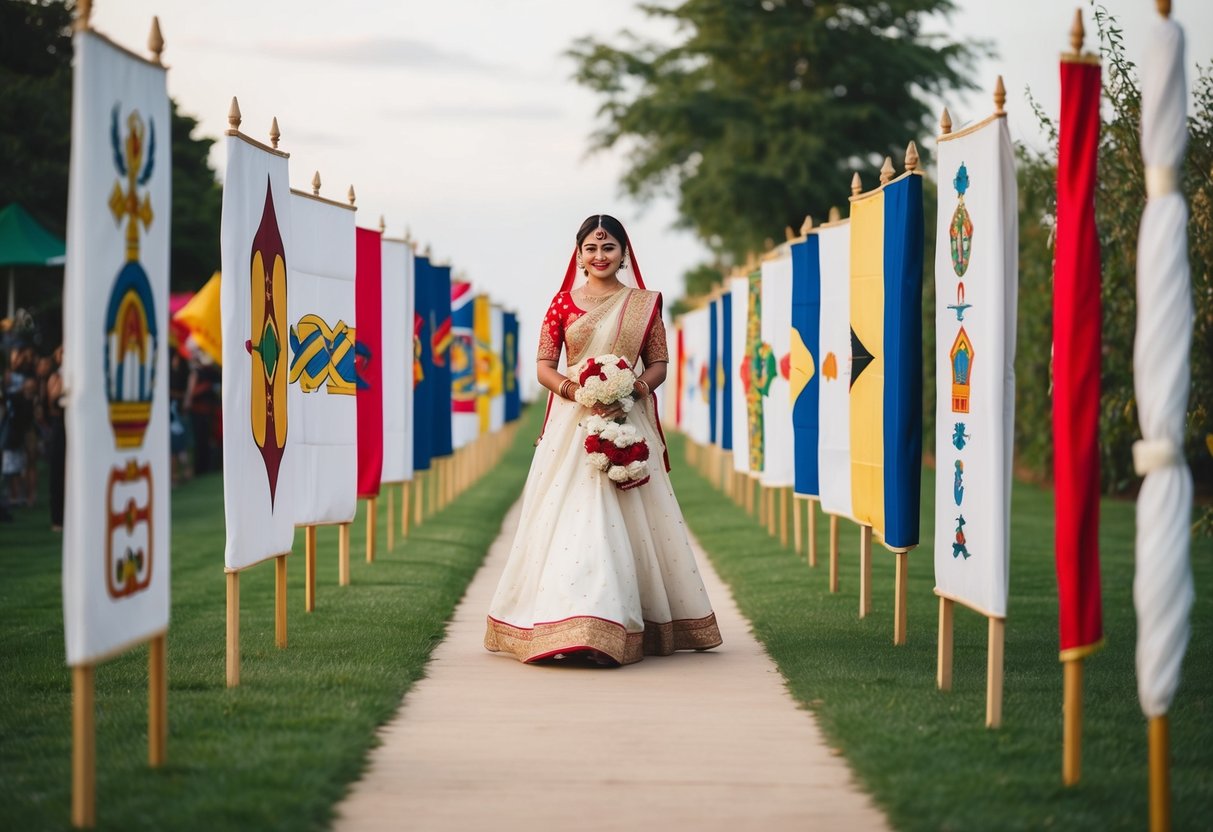
When it comes to wedding traditions, the side on which the bride walks can vary widely across different cultures and modern practices. Let’s explore some unique cultural customs and the ways that contemporary couples might choose to break from tradition.
Different Cultural Practices
In many Hindu weddings, the bride often walks to the left side of the altar, symbolizing her place in the family. This tradition reflects the importance of familial bonds and rituals.
In Jewish weddings, the bride typically walks around the groom seven times, a practice called Hakafot. This symbolizes the creation of a new family circle.
Catholic weddings often follow the custom of the bride standing on the left when facing the altar, allowing the groom’s sword hand to remain free, representing protection.
Each culture brings its unique flavors to this ritual, creating beautiful and meaningful traditions that reflect their values.
Considerations for Non-Traditional Ceremonies
In contemporary weddings, many couples choose to let go of traditional norms. For example, same-sex couples may opt to walk down the aisle together or choose sides based on personal preference rather than gender roles.
For outdoor weddings, the setting can influence the side the bride walks on. This is especially true if there are natural elements to consider, like trees or decor.
Personalization is key in modern ceremonies. Couples can create their own traditions that reflect their journey and values, ensuring a celebration that feels authentic to them. Choosing sides can be a part of that unique expression, making your day even more special.