
Where Do Parents Sit at a Wedding Reception in the UK? A Guide to Family Seating Arrangements
When planning your wedding reception, one important detail to consider is the seating arrangements for parents. Traditionally, parents of the bride and groom sit at or near the top table, often alongside their children.
This seating plan allows them to share in the joy of the celebration while being close to the couple during special moments throughout the day.
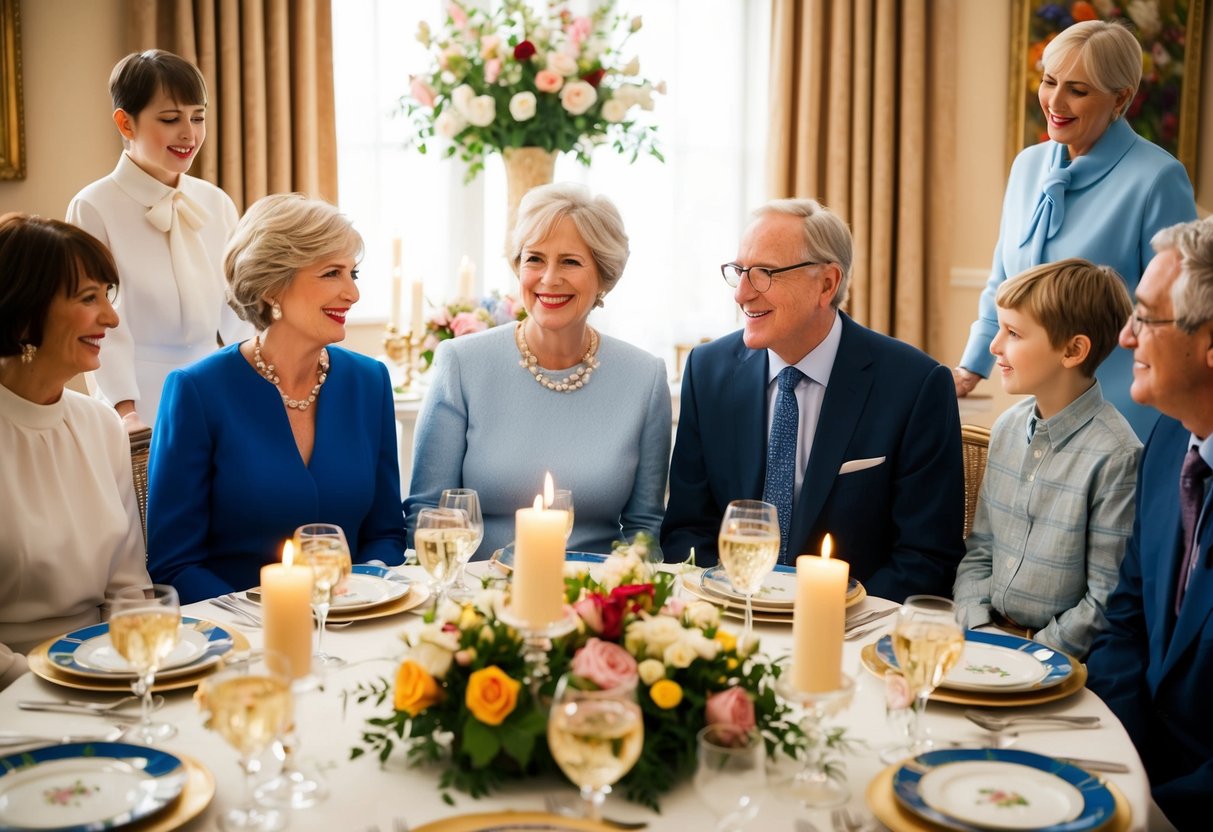
Creating a thoughtful seating arrangement can help prevent any awkward situations, particularly if there are step-parents or differing family dynamics. It’s a good idea to involve both sets of parents in the conversation about where to seat them to ensure everyone feels included.
By carefully planning your seating plan, you can create a welcoming atmosphere for everyone in attendance.
Don’t overlook the comfort of your guests when deciding on seating. Your parents will appreciate sitting near you, which helps strengthen those family bonds during your special day.
Understanding where to place parents in your wedding reception is just one of the many details that make your celebration memorable.
Understanding Traditional UK Wedding Reception Seating
Seating at a wedding reception in the UK often follows certain traditions. Knowing where everyone sits can make the event feel more organized and special for you and your guests.
The Top Table Arrangements
At most UK weddings, the top table is a special place where you, the bride and groom, sit during the reception. This table often includes important individuals in your lives. Typically, it includes your parents, the best man, and the maid of honour.
The common arrangement is that you and your partner sit in the centre. Your maid of honour sits on one side, while the best man sits on the other. Parents usually take their places next to you, with the bride’s parents on one side and the groom’s on the other.
This arrangement promotes conversation and allows everyone to feel included.
Seating the Wedding Party
In addition to the top table, seating the rest of the wedding party is also important. Usually, your bridesmaids and groomsmen sit at nearby tables, along with their partners.
You can decide whether to keep them close to the head table or seat them at separate tables.
Your close friends and family often sit nearby to encourage a lively atmosphere. Flower girls and ring bearers usually sit with their parents.
It’s best to plan seating in a way that makes everyone feel comfortable and included in your celebration, ensuring fun and joy at your special day.
Addressing Unique Family Dynamics
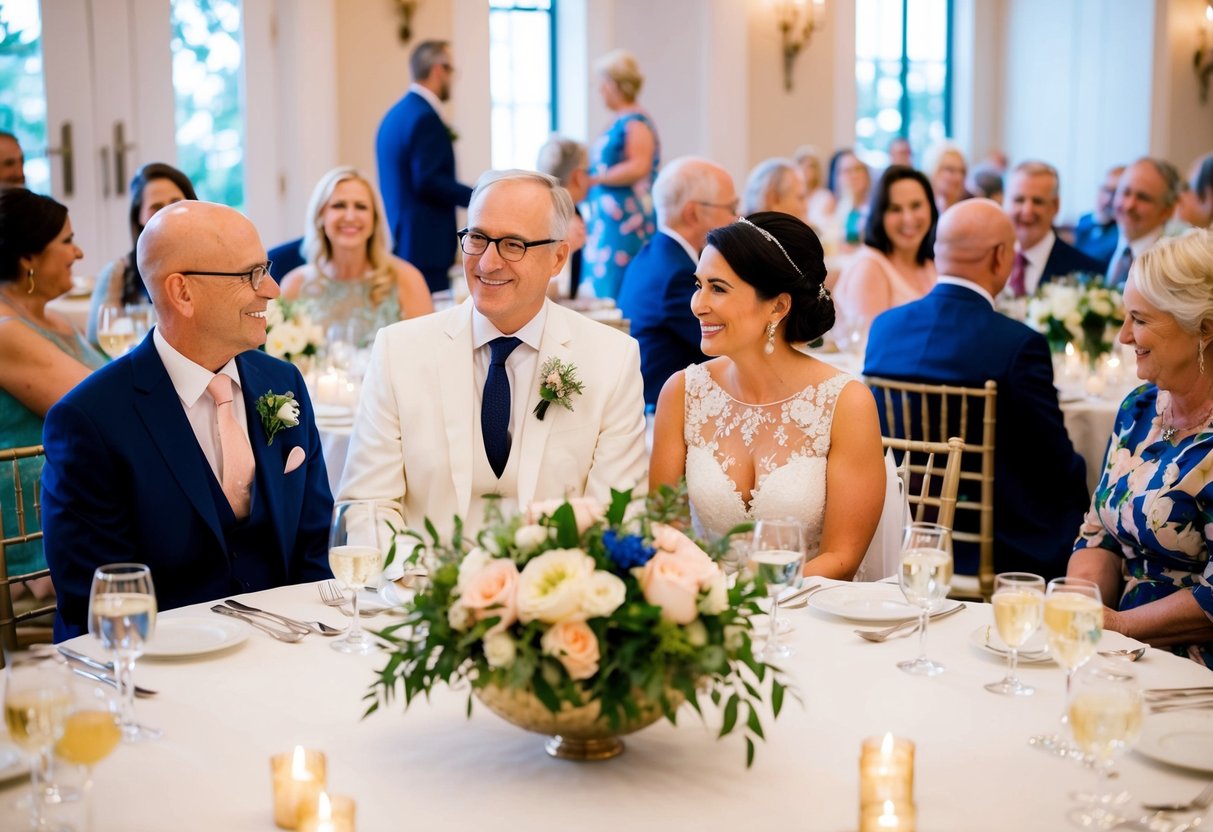
Weddings are joyful occasions, but seating arrangements can be tricky, especially when families have unique dynamics. You want everyone to feel comfortable and included. Here are some tips for seating divorced parents and incorporating step-parents and VIP guests.
Seating Divorced Parents
When it comes to seating divorced parents, communication is key. Talk to your parents about their preferences.
- Separate Tables: In some cases, it might be best to seat them at separate tables. This can help avoid any tension.
- Neutral Spots: If they can sit near each other without feeling uncomfortable, consider placing them at different ends of a family table.
- Include Guests: Surround them with supportive friends or family members. This can ease any feelings of awkwardness.
Make sure to inform your wedding planner or venue about these choices to ensure smooth execution.
Incorporating Step-Parents and VIP Guests
Including step-parents in the seating arrangement can help blend families together. They play important roles in your life and should feel valued.
- Family Table: A family table can include you, your parents, and step-parents. This promotes a sense of unity.
- VIP Seating: Reserve a special table for VIP guests, like close relatives or friends. Ensure these guests feel appreciated by placing them near you during the reception.
Don’t hesitate to ask your step-parents for their preferences too. This small gesture shows you care and want to make everyone feel included.
Coordinating Seating Charts and Plans
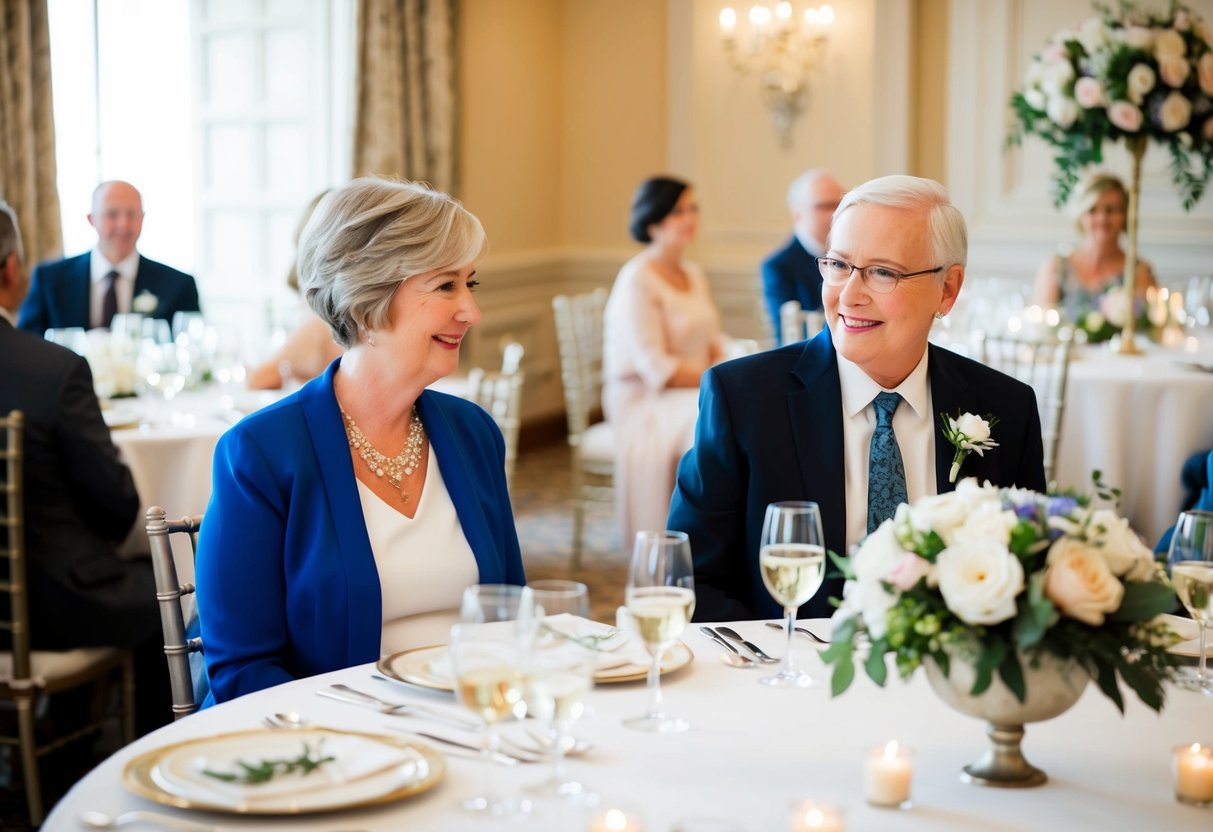
Creating a seating chart for your wedding reception is an important task. It helps ensure that guests are comfortable and can enjoy the event. A well-thought-out plan can make a big difference in the atmosphere of your celebration.
Designing an Effective Seating Chart
When designing your seating chart, start with your guest list. List out everyone attending and consider their relationships. This helps you avoid awkward situations and encourages good conversations.
Seating Ideas:
- Family Together: Place close family members together to foster a sense of connection.
- Friends by Interests: Group friends who share hobbies or interests to keep the energy lively.
You can use tools like paper layouts or online seating chart planners. Visual aids help you see where everyone will fit. Remember to leave space for high chairs or special needs. Being thoughtful about seating can enhance your guests’ experience.
Utilizing Wedding Planners for Seating Strategies
Hiring a wedding planner can take stress off your shoulders. They have experience and can offer great insights into seating strategies. Their familiarity with different venues helps you maximize space effectively.
A planner can also handle the tricky dynamics of mixed families or friends. They often suggest seating arrangements that you might not have considered.
Benefits of Using a Planner:
- Expert Advice: They can provide tailored seating chart ideas based on your unique situation.
- Setting Up: They often manage the setup, ensuring everything flows smoothly during your reception.
Communicating with your planner about your vision allows them to create a seating plan aligned with your wishes. This helps everyone feel included and comfortable, making for a memorable day.
Details for the Big Day
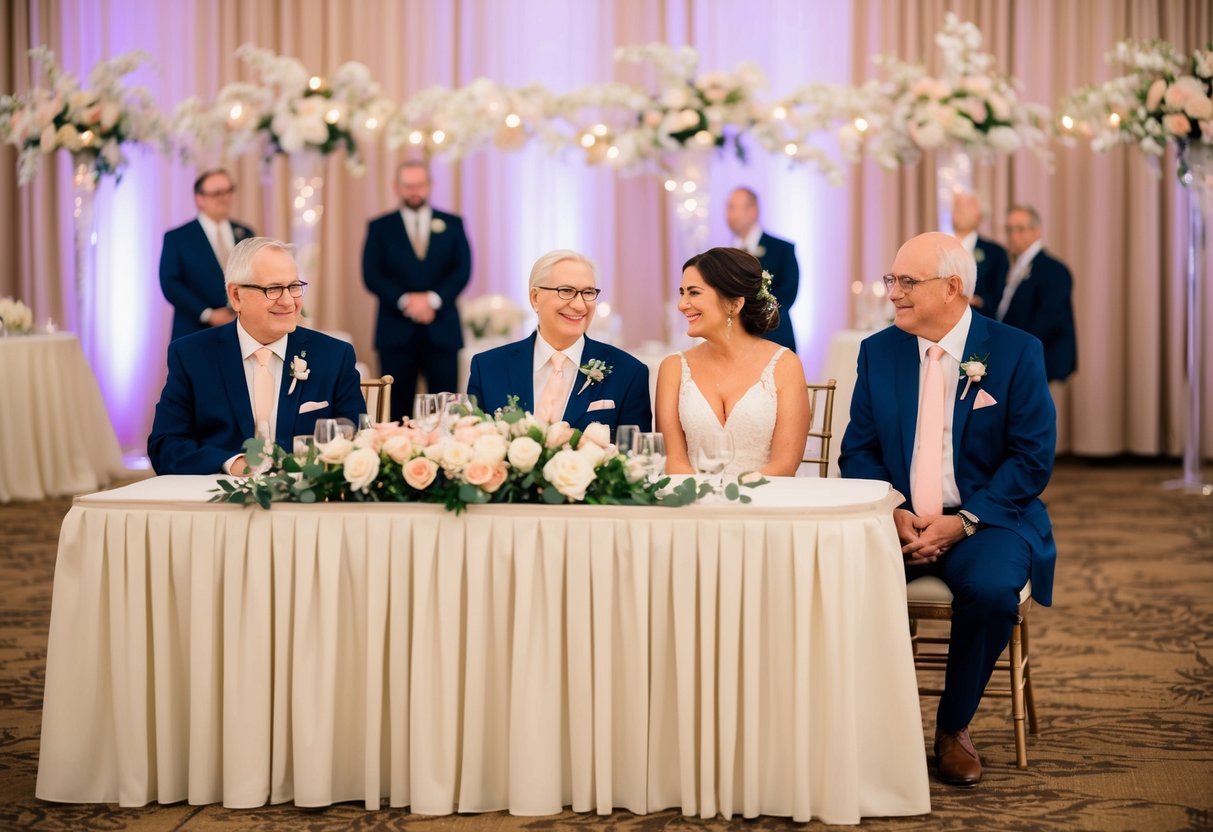
When planning your wedding, the seating arrangements for both the ceremony and reception play a crucial role. Families and friends gather to celebrate, and knowing where everyone sits will help the day run smoothly.
Seating at the Ceremony Versus the Reception
At the wedding ceremony, seating is often more traditional. Typically, the bride’s family sits on the left side and the groom’s on the right. This division helps guests know where to sit and allows for easy identification of family and friends during the service.
After the ceremony, things change a bit. The reception seating is more flexible. You may place parents at a central table, sometimes called the top table, where they can share the spotlight with you. Friends can fill nearby tables, creating a lively atmosphere.
Make sure to communicate your seating plan to the venue staff. This ensures everyone finds their seats easily, allowing for a joyful celebration.