
Who Buys the Rings in a Marriage? Understanding Traditions and Modern Practices
When planning a wedding, you may wonder about the tradition of who buys the rings. Traditionally, the groom buys both his own wedding band and the bride’s engagement ring, while the bride often buys her wedding band. These customs can vary based on personal preferences, cultural backgrounds, and even family traditions.
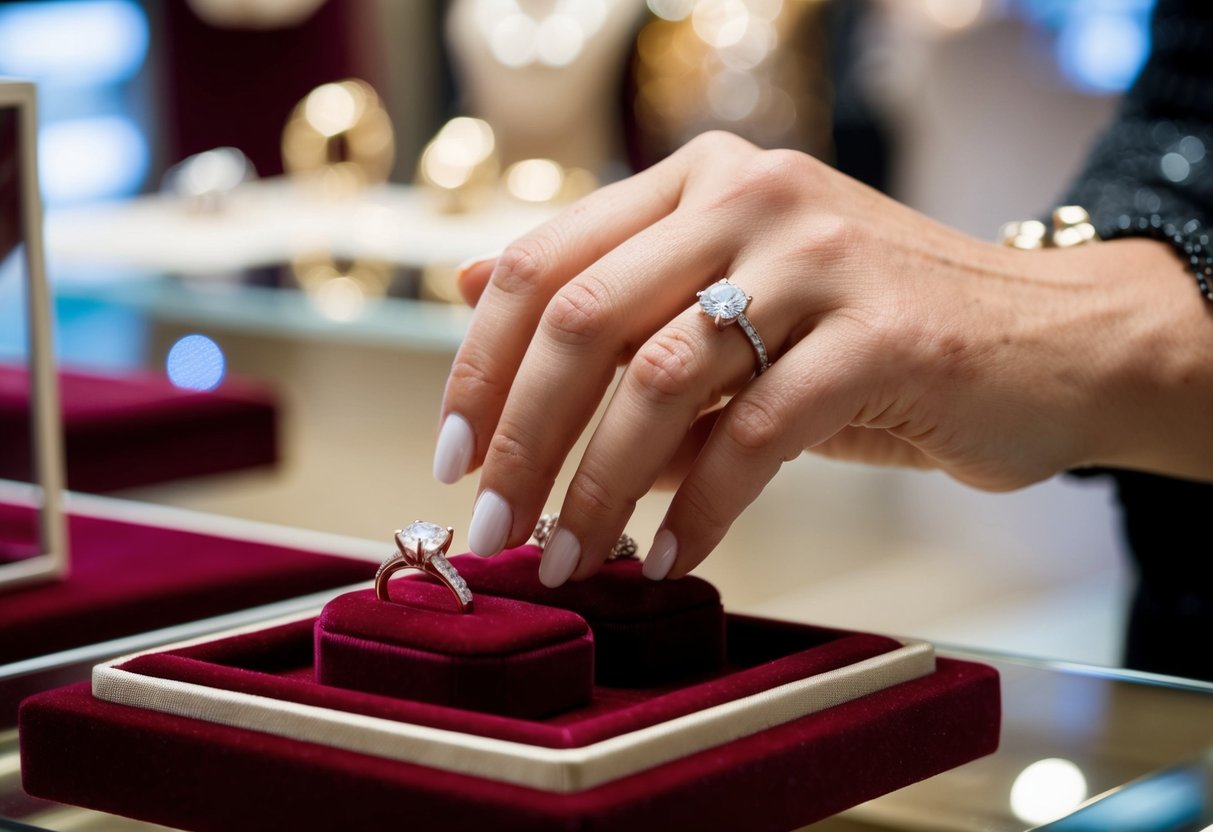
In many cultures, wedding rings are seen as a symbol of commitment and love. They represent the bond that partners share as they begin their journey together.
Understanding these traditions can help you navigate the ring-buying process and make choices that feel right for you and your partner.
As you explore your options, consider how you want to blend tradition with your own unique style. Whether you decide to follow the old customs or create your own, the rings you choose will carry special meaning for years to come.
Understanding Wedding Ring Traditions
Wedding ring traditions can vary widely across different cultures and histories. These customs reflect how societies view love, commitment, and financial responsibility. Understanding these traditions can help you make informed decisions as you plan your wedding.
Exploring Cultural Norms
Different cultures have their unique beliefs about who buys the wedding rings. In many Western cultures, it’s common for the groom to purchase the bride’s ring, symbolizing his commitment. Meanwhile, the bride’s family often buys the groom’s ring. In some cultures, the rings may be given as part of a dowry.
Gender roles also play an important part in these traditions. Traditionally, men have been the primary purchasers of wedding rings. However, modern couples often choose to share the cost or even purchase their own rings. This shift shows a growing trend toward equality in partnerships.
History of Ring Exchange
The tradition of exchanging rings has roots dating back thousands of years. Ancient Egyptians are thought to be the first to wear wedding rings, using materials like reeds and leather. They believed the circle of the ring represented eternity.
In ancient Rome, brides received two rings: one for everyday wear and another for special occasions. As the years progressed, the value of the materials used increased. Today, wedding rings symbolize love, loyalty, and the public commitment of marriage. Understanding this history can deepen the meaning behind your wedding band choice.
Financial Aspects of Buying Rings
When considering who buys the wedding rings, financial aspects play a big role. This includes deciding who pays and how this fits into your wedding budget.
Determining Who Pays
Traditionally, the groom buys the bride’s engagement ring and wedding band. In modern times, couples often choose to share this responsibility.
Think about your individual incomes and any savings. If one of you has a higher income, it might make sense for them to buy both rings.
You can also discuss how much you’re both comfortable spending. Creating a list of priorities can help. Consider whether you view the rings as a joint investment and what that means for your finances.
Managing Wedding Budget
Creating a wedding budget is essential. Include all wedding expenses, such as venues, catering, and your rings.
Make a table or a list to track costs. This way, you’ll see where your money is going.
Decide on a comfortable price range for the wedding bands without strain on your finances.
If the cost of wedding bands is higher than expected, look for alternatives. You might consider buying simpler designs or exploring different materials. Finding ways to save can help you stay within budget while still getting beautiful rings.
Selecting the Perfect Rings
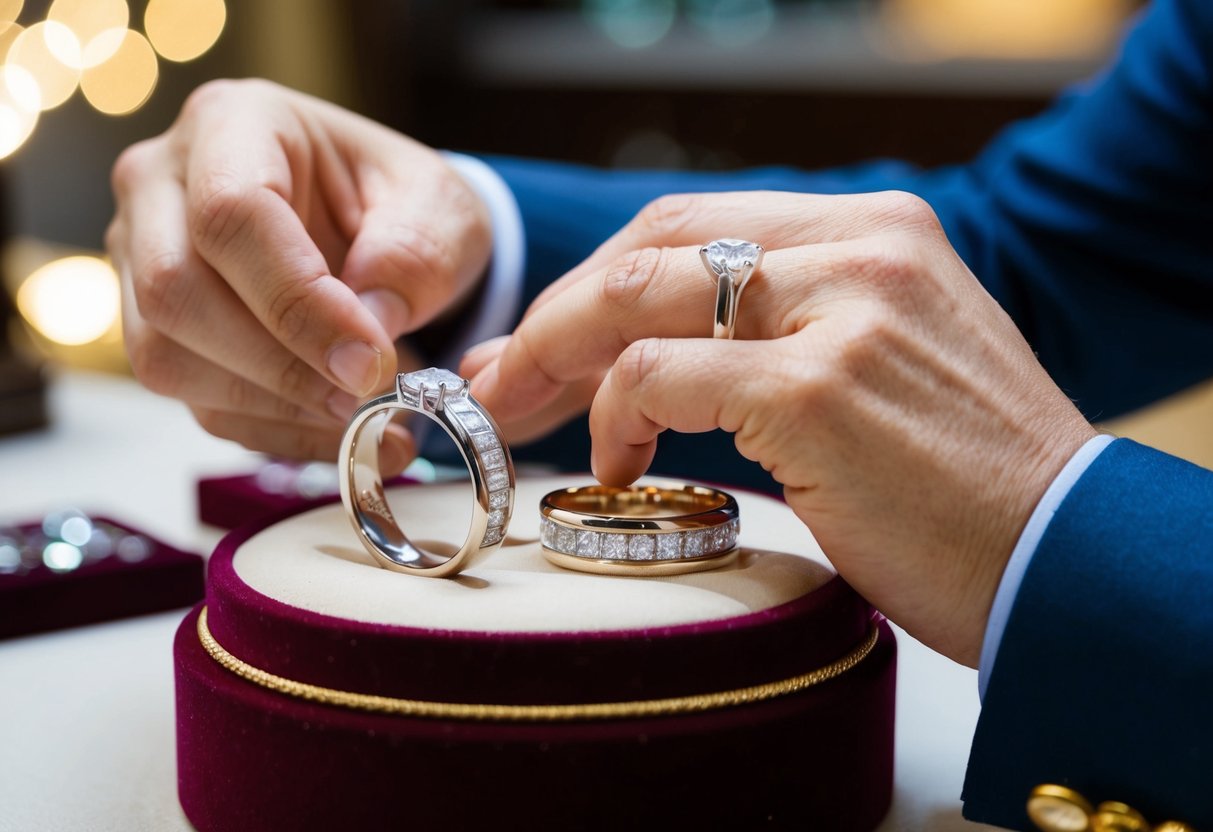
Choosing the right wedding and engagement rings is an exciting journey. You’ll want to focus on personal preferences, look into customization options, and consider professional guidance to ensure you make the best choices.
Considering Personal Preferences
Your personal style plays a big role in picking the perfect rings. Think about the metal type that appeals to you the most—options like yellow gold, white gold, rose gold, and platinum each bring a different look and feel.
Consider what gemstones or diamonds you are drawn to. Some prefer classic diamonds, while others may love unique gemstones that reflect their personality.
Discuss your preferences with your partner to create a vision for your rings that feels authentic to both of you.
Don’t forget about the size! Make sure to get your ring size measured correctly so your ring fits comfortably.
Customization and Engraving
Customization allows you to express your love story through your rings. You can choose specific designs, choose a unique shape, or select a mix of metals to create something truly special.
Many jewelers offer options for creating entirely unique rings that ideal for your personal taste.
Engraving can add an extra personal touch. You might consider adding initials, a meaningful date, or a short phrase that signifies your relationship.
This small detail can make your wedding bands even more special and unique, giving them a deeper meaning beyond just their appearance.
Professional Guidance
Working with a jeweler can help you navigate your options. They can offer expert advice on the best metal type for your lifestyle and the most durable stones for everyday wear.
Ask questions about the care and maintenance of your rings to keep them looking beautiful for years to come.
Trying on different styles can also be helpful. A jeweler can guide you to find the perfect fit that reflects both your aesthetic and lifestyle preferences.
The Ceremony and Symbolism
In every wedding ceremony, the exchange of rings is a key moment that highlights the couple’s commitment. This act is filled with meaning and reflects the deep emotional ties between partners.
Exchange of Wedding Bands
During the marriage ceremony, the exchange of wedding bands takes center stage. This moment is often seen as a promise of fidelity and love.
As each partner places a ring on the other’s finger, they symbolize their dedication to the relationship.
Typically, the rings are presented during the vows, which further enhance the emotional atmosphere. Couples often choose eternity bands or plain gold rings, each style carrying its own significance. The act of putting the ring on signifies a commitment to a shared life together.
Symbolism Behind the Rings
Wedding rings are more than just pieces of jewelry. They represent an eternal bond and the promise of unwavering love.
The circular shape of the ring symbolizes infinity, showing that love has no end.
When you wear a wedding ring, it signifies that you are part of a partnership based on loyalty and trust. Each time you glance at your ring, it serves as a reminder of the symbolic connections you share, reinforcing your commitment.
By exchanging rings, you create a physical representation of your relationship, reminding both partners of the vows made during the ceremony. This simple act enriches the ceremony, making it a beautiful testament to your love.