
Who is Supposed to Walk the Bride Down the Aisle? Understanding Tradition and Alternatives
When it comes to a wedding ceremony, one of the most emotional moments is the bride walking down the aisle. Traditionally, the father of the bride escorts her, symbolizing his support and giving her away to her partner. This beautiful gesture highlights the transition from her family to her new life with her spouse.
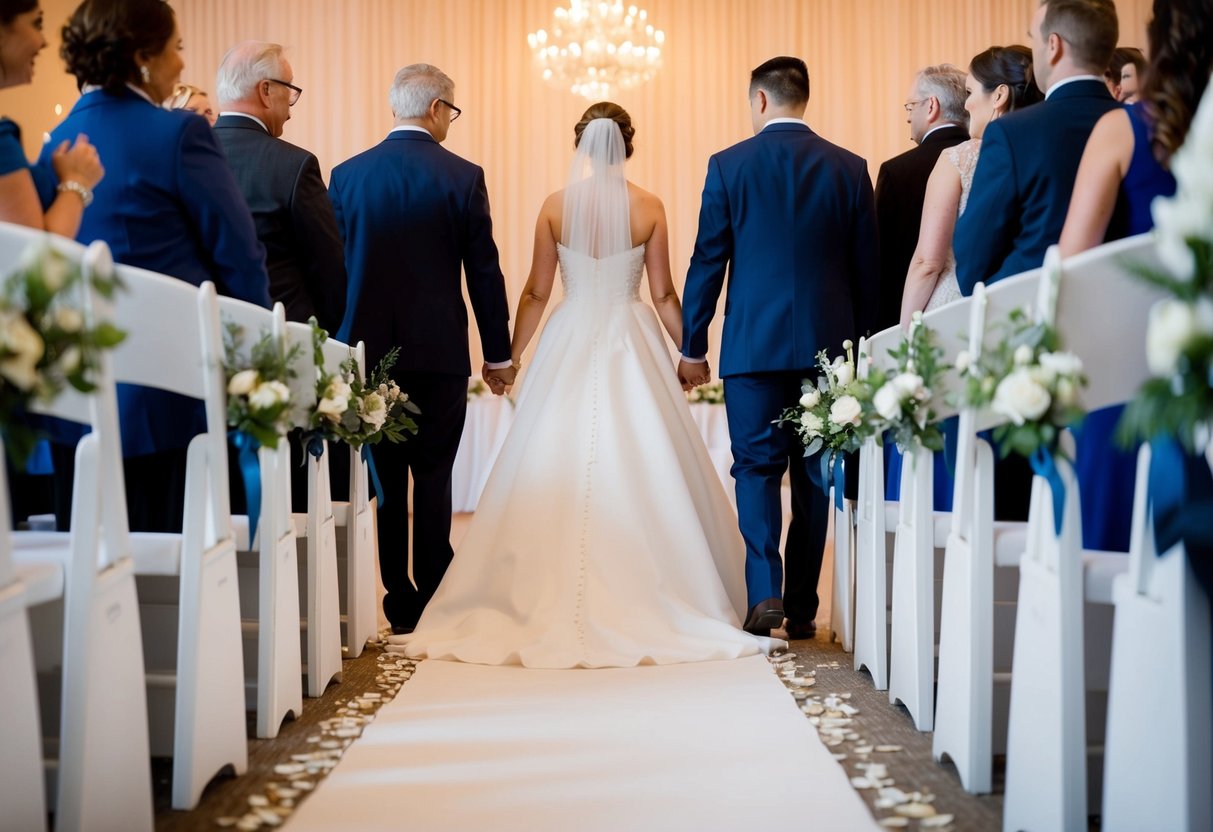
However, not every bride follows this tradition. Some may choose to walk down the aisle solo, showcasing their independence and strength. Others might prefer to have a family member, a close friend, or even both parents accompany them. Each choice adds a personal touch to the ceremony and reflects the unique relationship you have with those involved.
Understanding who walks you down the aisle can be exciting and emotional, as it sets the tone for the rest of your special day. Whether you stick to tradition or make a new one, what matters most is that it feels right for you.
Traditional Roles in a Wedding Processional
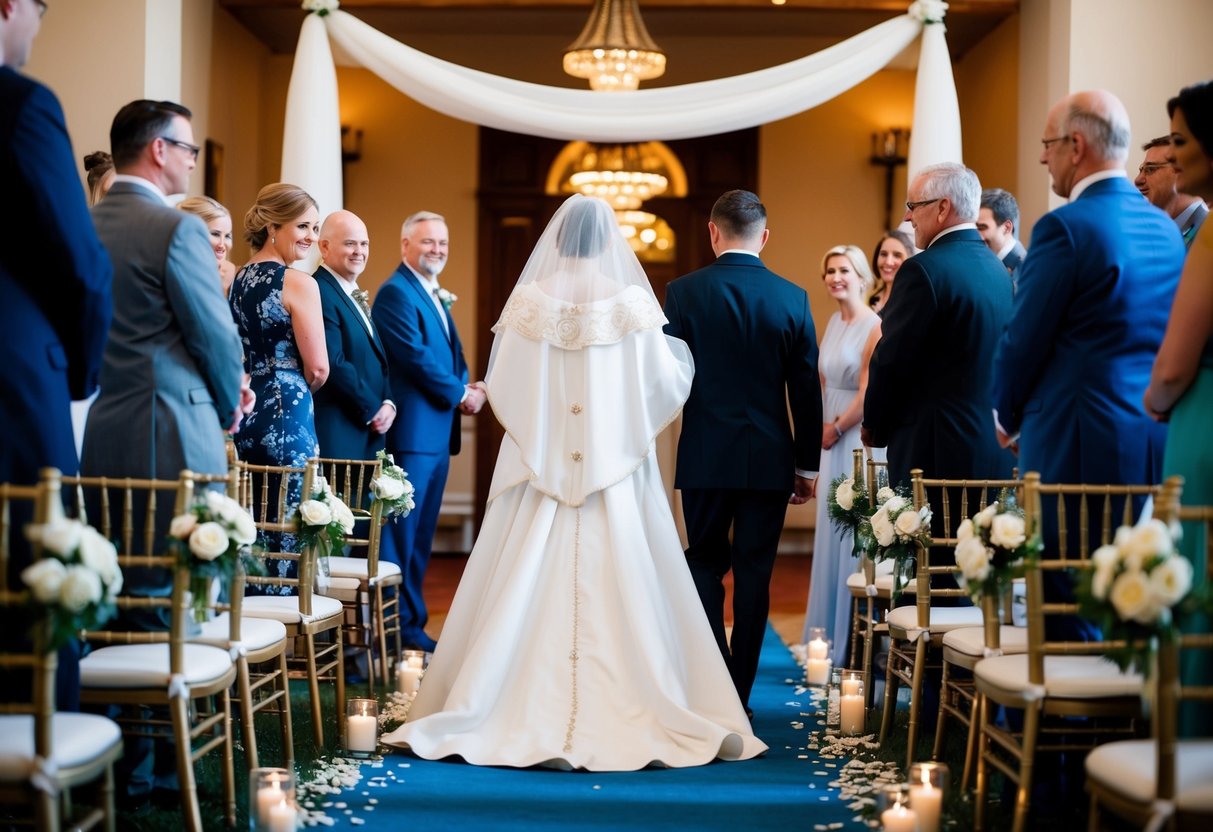
In a traditional wedding processional, familiar roles play an important part. The order of who walks down the aisle can set the tone for the ceremony. Understanding these roles helps create a meaningful experience.
Father of the Bride and His Role
The father of the bride holds a special place in the wedding ceremony. Traditionally, he escorts his daughter down the aisle. This moment symbolizes his support and gives the bride a sense of comfort.
Often, the bride and her father share a few moments together before they walk. It’s a time for reflection and connection. As they approach the altar, many fathers may feel a mix of pride and emotion, knowing they are giving their daughter away.
It’s common for the father to take his seat after handing the bride over to the groom. This act represents a transition, where the bride becomes part of a new family.
Mother of the Bride and Other Relatives
The mother of the bride also plays an important role in the processional. She may walk alone or be escorted by a family member, like a brother or close relative.
In some families, grandparents are included in the processional as well. They can be honored by walking down the aisle before the main wedding party. This act highlights their significance and contribution to the family.
Other relatives, such as siblings, may also participate. They can support the bride and take part in this meaningful occasion. These roles in the processional add depth to the ceremony and reflect the family’s values and traditions.
Contemporary Practices and Variations

In modern weddings, traditions have shifted to reflect personal values and cultural diversity. You may find various ways to approach who walks the bride down the aisle. Here are some interesting variations.
Diverse Cultural Processions
Different cultures embrace unique traditions for who walks the bride down the aisle. In a Jewish wedding processional, for example, the bride often walks with both parents, symbolizing their support. Christian ceremonies might have the father escorting the bride, while some Hindu weddings feature a baraat, where the groom arrives in a lively procession, showcasing cultural heritage.
Nondenominational ceremonies tend to be flexible. You might witness brides walking solo or with friends, emphasizing independence. Some choose a mandap for the ceremony, which serves as a focal point for guests, adding a vibrant touch to the processional. Each culture reflects specific customs, making your ceremony special.
Non-Traditional Processional Orders
Modern couples often design their own processional orders. In a nondenominational wedding, the order is less formal. The officiant might enter first, followed by the groom with possibly a close relative or friend.
Another trend is having the bride walk alone or with significant figures in her life, instead of just her father. This choice allows for personal expression and honors diverse family structures. You might also see friends or siblings walking down the aisle with the bride, emphasizing unity.
After the ceremony, the recessional typically involves walking back down the aisle as a couple, often accompanied by wedding party members. These modern practices personalize your wedding and reflect your unique story.
The Role of the Wedding Party
The wedding party plays an important part in the ceremony. Their roles set the tone for the event as they walk down the aisle and support the couple. You’ll find that each member has specific duties that contribute to the special day.
Bridesmaids and Groomsmen
Bridesmaids and groomsmen are key members of the wedding party. They usually walk down the aisle before the bride and groom, creating a festive atmosphere.
Bridesmaids often wear matching dresses chosen by the bride. This helps create a cohesive look for the ceremony. Each bridesmaid should be prepared to assist the bride in various ways, from planning the bridal shower to adjusting the bride’s veil as she walks down the aisle.
Groomsmen typically wear suits or tuxedos that complement the bridesmaids. Their role includes supporting the groom and ensuring everything runs smoothly. They can help with tasks like arranging the seating or greeting guests.
Specific Roles: Maid of Honor and Best Man
The maid of honor and best man hold significant positions in the wedding party. The maid of honor is usually the bride’s closest friend or relative. She takes on various responsibilities, like planning the bachelorette party and helping the bride with her dress on the big day.
The best man, chosen by the groom, also has important duties. He stands by the groom during the ceremony and often gives a toast at the reception. Both the maid of honor and best man serve as emotional support, making sure the couple feels relaxed and happy.
Children in the Wedding Processional
Children add charm and joy to the wedding processional. Flower girls often walk ahead of the bride, scattering petals along the aisle. This sweet gesture enhances the visual appeal of the entrance of the bride.
Ring bearers, usually young boys, carry the wedding rings down the aisle, sometimes in a special pillow or box. Their innocence and excitement can lighten the mood. Even though they may be small, their involvement holds symbolic value, representing purity and the joy of new beginnings in your marriage.
Guidance and Coordination of the Aisle Walk
Walking down the aisle is a special moment that requires careful planning and coordination. Understanding the roles of key participants can help make this experience smooth and memorable.
The Role of the Officiant
The officiant plays a vital role in the ceremony. They guide the entire processional, ensuring everyone knows when to move and where to stand. This includes signaling when the bride should begin her walk down the aisle.
You can meet with your officiant before the wedding day to discuss the timing and order of events. Having a clear plan will ease your nerves. The officiant will also help coordinate with the musicians or any speakers to maintain a seamless flow during the ceremony.
The officiant’s presence helps in transitioning from one part of the ceremony to the next, making the process feel natural and fluid.
Parents of the Groom and Their Involvement
The parents of the groom also play an important role in the aisle walk. Customarily, they may stand near the officiant during the ceremony. Their support and presence add emotional depth to the event.
They are often involved in planning as well. Their guidance can be helpful, especially regarding family traditions or specific rituals not to be missed.
It’s good to communicate with them about their roles and preferences during the ceremony.
By including the groom’s parents in the planning process, you create a more unified family atmosphere. This involvement emphasizes the transition of care from one family to another, highlighting the importance of both sides coming together.