
Who Pays for Wedding Decorations? Understanding the Costs and Responsibilities
Planning a wedding often involves a long list of details. One of the biggest questions on your mind might be about who pays for wedding decorations. Typically, the bride and her family cover these expenses, but this can vary based on your unique situation and budget. As you create your wedding budget, it’s essential to understand this aspect so you can allocate funds accordingly.

The average cost of a wedding continues to rise, and decorations can take a significant portion of your budget. From beautiful floral arrangements to elegant table settings, these details enhance your celebration. When deciding who will pay, consider what works best for you and your partner, as well as any family traditions that might influence your choices.
Remember, communication is key in this process. Discuss your plans with both families to ensure everyone is on the same page regarding wedding expenses. By doing this, you’ll not only prevent misunderstandings but also create an enjoyable experience planning your special day.
Understanding Wedding Expenses

Planning a wedding involves understanding various expenses. Knowing who typically pays for what can help you manage costs more effectively and avoid misunderstandings.
Traditional Breakdown of Wedding Expenses
In traditional wedding etiquette, the bride’s family typically covers most of the wedding costs. This includes key items like the wedding dress, reception, and decorations. On the other hand, the groom’s family often only pays for the rehearsal dinner.
The couple may contribute to certain costs as well. For instance, they might cover items like their wedding rings or special extras that enhance the celebration.
Common Expenses by Family:
- Bride’s Family: Wedding dress, venue, catering, and decorations
- Groom’s Family: Rehearsal dinner
- Couple: Rings and personal touches
This tradition sets a foundation for understanding who pays for what, but it can vary by culture and personal preferences.
Modern Wedding Contribution Trends
Today’s weddings are becoming more flexible regarding expenses. Many couples are combining funds to cover costs collectively.
It’s common for the couple to take a more active role in managing finances now. They might share the expenses equally or decide on specific areas they want to pay for.
Some families may still follow traditional roles, but many choose to collaborate.
Common Trends:
- Couples Pay: Rings, favors, and guest accommodations
- Shared Contributions: Venue, catering, and decor
These trends highlight the shift toward more inclusive planning, allowing couples to make choices that reflect their values and styles.
Who Covers What?
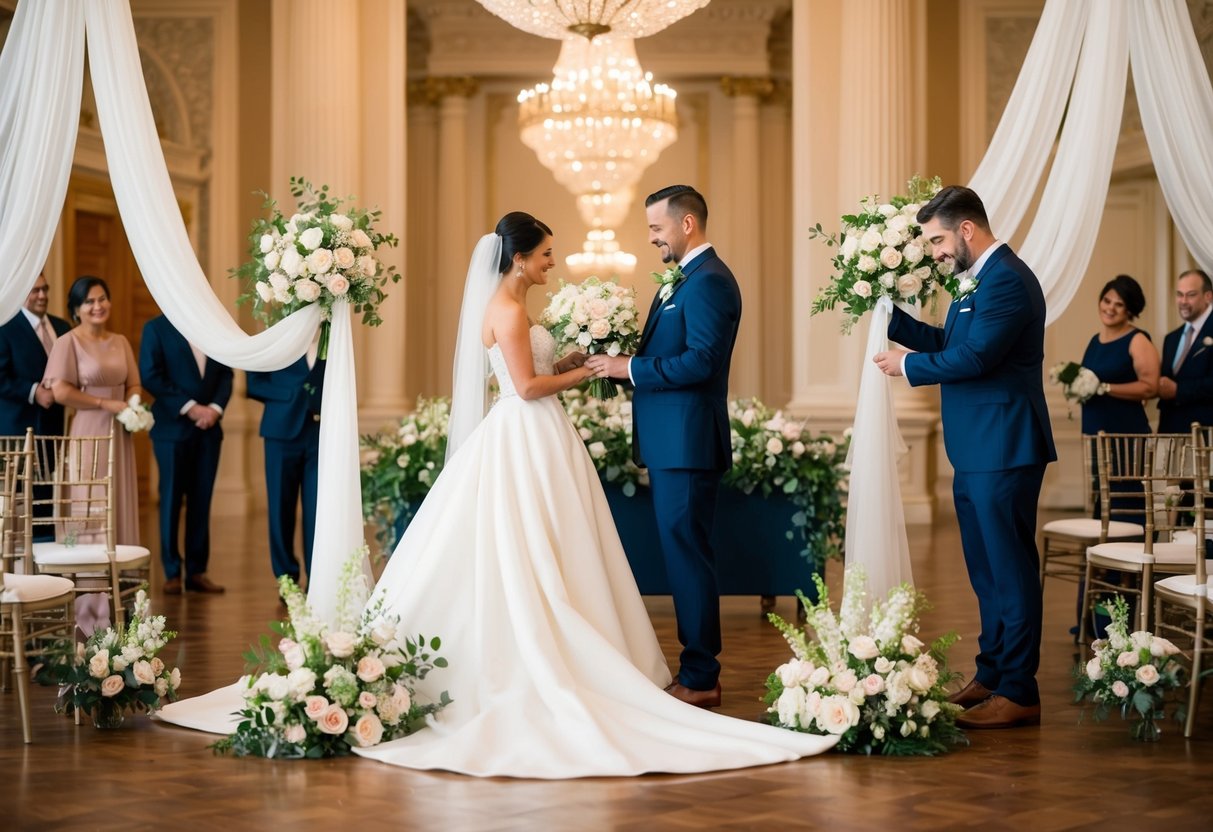
When planning your wedding, understanding who pays for each part can help you budget better. Let’s explore who typically takes care of decorations, reception music, and photography.
Decorations and Floral Arrangements
You might be excited about the flowers and decorations you want. Traditionally, the bride’s family covers these costs. This includes everything from the bridal bouquet to centerpieces and other decorative elements.
If you hire a wedding planner, they can help manage these expenses. Discuss your vision with them early on. Make sure to create a list of what you want, so you can stay within budget. Don’t forget to consider rental costs for items like table linens or backdrop draping.
Reception Music and Entertainment
Music sets the mood for your wedding reception. Traditionally, the groom’s family may cover some of these costs, especially for entertainment. This can include the DJ or live band.
In some cases, couples choose to share this expense. Think about what suits your style. You can consider options like string quartets, jazz bands, or even a fun DJ to keep guests dancing. Make sure you discuss costs upfront and get everything in writing.
Photography and Videography
Capturing your special day is important, and these services can be a significant expense. Often, the couple takes responsibility for photography and videography costs.
Hiring a professional ensures you preserve memories in high quality. Look for photographers whose style matches your vision. You might also include engagement photos in your package. Don’t forget to communicate with them about specific moments you want captured, like your first dance or the cutting of the cake.
Specific Costs for the Bride and Groom
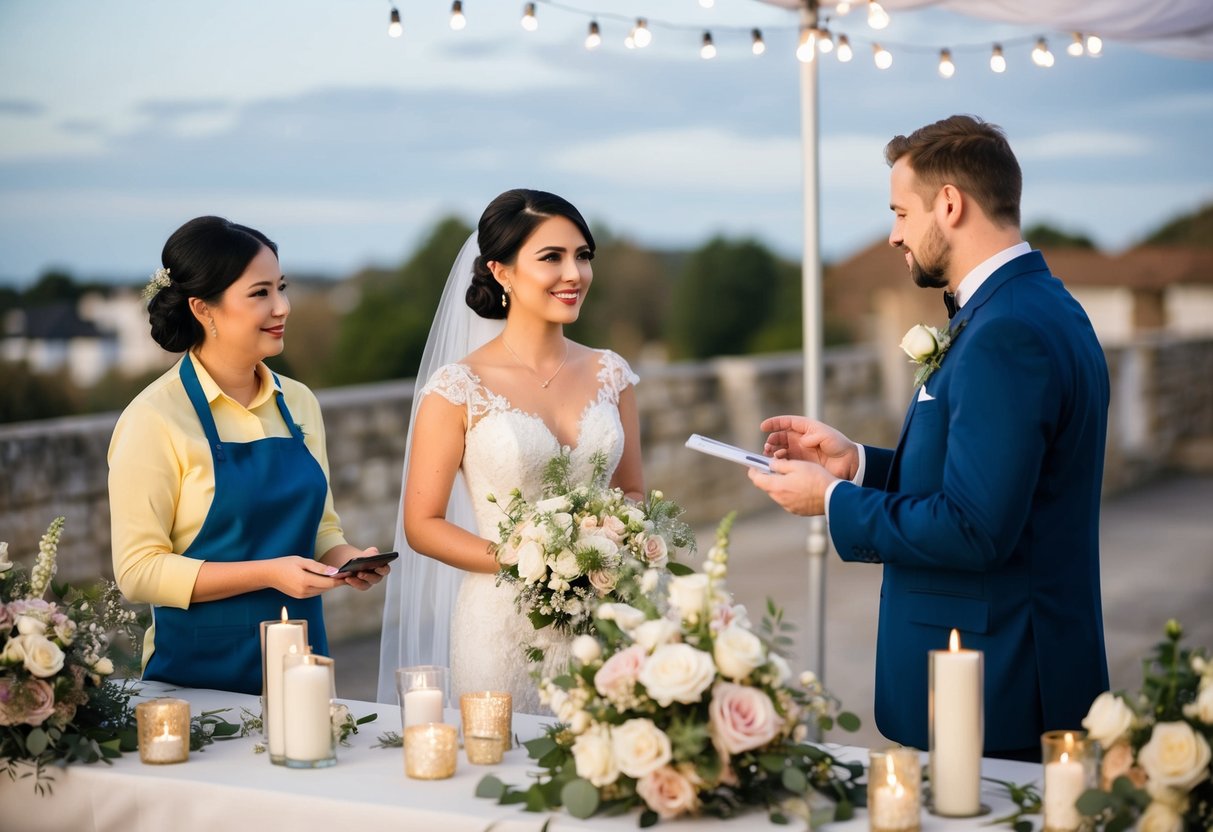
When planning your wedding, understanding the costs specific to you and your partner can help in budgeting effectively. Here are the important expenses to consider for both the bride and groom.
Attire and Accessories
Your wedding day attire is often one of the largest expenses. For the bride, this typically includes the wedding dress, which can range widely in price based on style and designer. Depending on your choices, alterations and accessories like veils and shoes may add to the overall cost.
The groom’s attire generally involves a suit or tuxedo rental or purchase. Don’t forget about accessories like ties, cufflinks, and shoes. It’s a good idea to discuss style and budget together to stay on track.
Wedding Rings and Gift Exchanges
Buying wedding rings is a significant part of your big day. The bride usually selects her own engagement ring, while both partners should agree on the wedding bands. Spend some time researching styles and materials to find rings that reflect your personal tastes.
Additionally, some couples choose to exchange gifts on the wedding day. This can be a special way to show appreciation for each other. Think about meaningful gifts that celebrate your relationship.
Pre-Wedding Parties and Rehearsal Dinner Costs
Before the wedding, you may host pre-wedding parties such as engagement parties or bachelor and bachelorette parties. These gatherings can vary in cost based on the venue and number of guests. Often, the groom’s party covers the bachelor party expenses, while the bride’s friends handle the bachelorette party.
The rehearsal dinner is another cost to consider. Traditionally, the groom’s family pays for this dinner as a thank-you to the wedding party and family members. This event provides a great opportunity for the families to bond before the wedding day.
Additional Considerations

When planning your wedding, there are other important costs that you need to keep in mind beyond decorations. Understanding how to budget for certain aspects can help ensure your special day goes smoothly.
Venue, License, and Officiant
The venue is one of the biggest expenses in your wedding budget. This cost often includes renting the space, which can vary widely depending on the location and the time of year.
In addition, don’t forget about the marriage license. This legal document has fees that differ by state, so check local requirements.
You’ll also need to consider the officiant’s fee. Whether you choose a religious figure or a secular officiant, their price will impact your budget. Be sure to ask about any additional costs for pre-wedding counseling or ceremonies.
Invitations and Guest Management
Invitations play a key role in setting the tone for your wedding. Costs for invitations can add up if you opt for custom designs, special printing methods, or high-quality paper.
Consider online tools to manage RSVPs effectively. This can save you time and money by eliminating the need for additional follow-up.
If you’re hosting a larger wedding, think about guest meal options. You may want to consider different meal choices depending on dietary restrictions, which can also affect your budget.
Honeymoon and Post-Wedding Events
Planning your honeymoon is another important part of your wedding. Consider setting aside funds early to cover travel, accommodations, and activities.
You may also want to budget for a rehearsal dinner. This can set the stage for your big day and allows for a more intimate gathering with family and friends.
After the wedding, some couples host an informal reception or gathering to celebrate. This could include additional costs for food and drinks, so plan accordingly.
By keeping these aspects in mind, you can manage your wedding budget more effectively.