
Who Sits with the Mother and Father of the Bride? Understanding Wedding Seating Arrangements
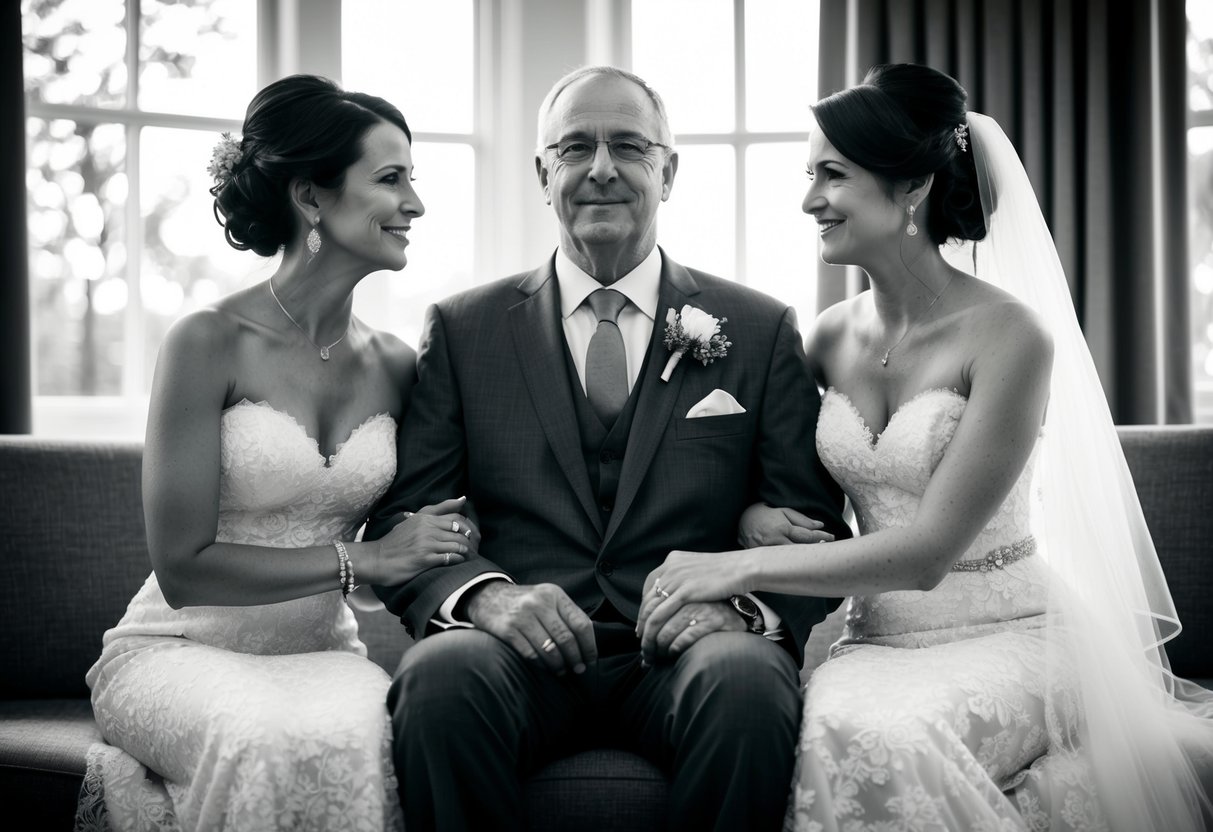
When planning a wedding, seating arrangements can feel overwhelming. The mother and father of the bride typically sit in the front rows. They are often accompanied by other close family members or friends. This arrangement helps them feel included in the celebration while still keeping a connection to their daughter’s special day.
You might also wonder how this impacts the guests. Understanding where the bride’s parents sit can guide you in arranging your own seating plans for the ceremony and reception. The goal is to create a warm atmosphere where everyone feels comfortable and connected.
As you navigate through this process, consider the wishes of the bride’s parents and their desire to share the moment with loved ones. Finding the right balance can enhance the overall experience for everyone involved.
Ceremony Seating Traditions
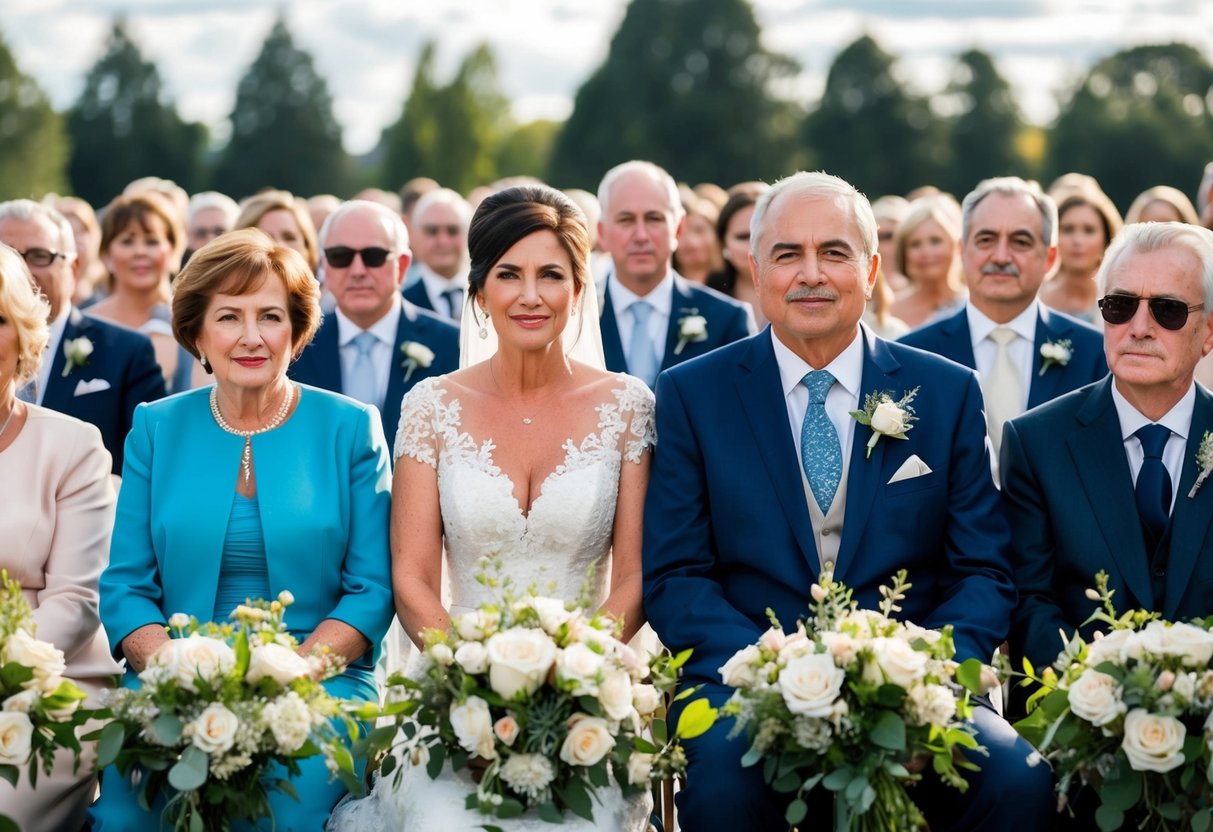
Seating arrangements during a wedding ceremony often follow specific traditions. These customs vary by culture and can impact how you seat family members, especially the parents of the bride. Understanding these traditions will help you make thoughtful decisions for your special day.
Walking Down the Aisle
As you prepare for the big moment, the seating of your family can affect the walking down the aisle experience. Traditionally, the bride’s family sits on the left side, while the groom’s family sits on the right. This setup supports the idea of unity, as both families come together to witness the couple’s love.
Special moments are heightened with carefully arranged seating. For instance, if your parents are divorced, seating them apart may help ease tension. Consider involving your family members when discussing seating arrangements to ensure everyone feels comfortable and included.
Christian Wedding Ceremony
In a formal Christian wedding ceremony, the seating follows a straightforward tradition. The bride’s family and friends sit on the left side of the aisle, facing the altar. Conversely, the groom’s family and friends take the right side.
This setup symbolizes the joining of two families as they witness the union. The mother of the bride is often seated first in the front row on the left. It’s common for close family members to occupy the first rows to honor their importance in your life. A wise choice for divorced parents is to seat them in separate rows to avoid discomfort.
Jewish Wedding Ceremony
Jewish weddings often have unique seating traditions. Traditionally, the bride’s family is seated on one side, while the groom’s family is on the opposite side. This arrangement emphasizes the significance of both families participating in the ceremony.
During the wedding, traditional customs like the circling of the groom by the bride may highlight family dynamics. Often, both mothers have special roles during the ceremony. If there are divorced parents, planning seating in a way to minimize conflict is essential, ensuring a joyful experience for everyone involved.
Same-Sex Weddings
With same-sex weddings, seating can be flexible, as couples often blend traditions from both families. You can choose which side of the aisle to seat guests, regardless of gender. This inclusivity can create a warm and welcoming atmosphere.
For instance, you might opt to have both families seated together or alternate sides to symbolize unity. Discussing seating with family members ahead of time can help ease any concerns, particularly if there are divorced parents or complex family dynamics. Your special day should reflect love and acceptance, making seating arrangements a thoughtful part of your celebration.
Reception Seating Arrangements
When planning seating for your wedding reception, consider how to accommodate both families and other important guests. A thoughtful seating arrangement can help create a warm atmosphere and facilitate connections among guests. Let’s explore the options for arranging seats effectively.
Head Table Options
The head table is often the focal point of the reception. You can choose a traditional top table where you and your partner sit with your parents. Alternatively, a sweetheart table allows just the two of you to enjoy moments together.
If you opt for a sweetheart table, consider placing your parents and other VIP relatives at nearby tables for easy interaction. This setup emphasizes your special bond while still honoring your families. Remember, convenience and comfort are key in selecting the right configuration.
VIP Guests and Family Tables
Along with the head table, you should create family tables for VIP guests. Typically, the bride’s parents will host a table that includes close relatives and friends. The groom’s parents can do the same on their side.
Consider placing grandparents at these family tables as well. This ensures they feel included and celebrated. Remember to seat family members who get along together to foster a fun and engaging atmosphere.
Seating Charts and Planners
A clear seating chart is essential for organizing your wedding reception seating. Use a large board displayed at the entrance or print small cards for each guest. This helps guests easily find their assigned spots.
Many couples also rely on wedding planners to manage seating arrangements. They can provide valuable insights and help you navigate family dynamics. With their assistance, you can create a seating plan that flows well and meets the needs of your guests.
Handling Divorced and Widowed Parents
Seating divorced or widowed parents can be sensitive. When planning your reception, approach this topic with care. You might choose to seat them at separate tables if the relationship is tense. Alternatively, if they get along, placing them at the same table can promote harmony.
For widowed parents, consider placing them at special tables with supportive family members or friends. The aim is to make them feel comfortable and valued on this special occasion. Communication with all parties involved is crucial for creating a welcoming atmosphere.
Special Considerations in Seating
When planning seating for the wedding, it’s important to think about family dynamics, especially with step-parents and blended families. You want everyone to feel included and comfortable. Additionally, creating a kid-friendly environment can make the day enjoyable for families attending.
Step Parents and Blended Families
Seating step-parents can be a delicate matter. You should discuss with both sets of parents to understand their feelings. Place them in a way that honors their role without causing tension.
Options to consider:
- Seat step-parents at the main table with the bride and groom.
- Create a separate table for blended families to foster a positive atmosphere.
Clear communication helps manage expectations and can lead to a smoother event. Make sure to address any concerns before the big day.
Kid-Friendly Reception Areas
Creating a kid-friendly reception area keeps the little ones happy and entertained.
Consider having a specific space with activities, such as coloring books, toys, or games.
Ideas for kid-friendly areas:
- Set up a craft table where kids can create fun wedding-themed art.
- Designate a quiet corner with plush seating for relaxing.
Remember to provide kid-friendly food options on the menu.
This makes the experience enjoyable for families attending the wedding and allows parents to celebrate while their children are entertained.