
Who Traditionally Pays for the Wedding UK? Understanding the Customary Roles and Responsibilities
When planning your wedding, you might wonder about the costs and who is responsible for paying them. Traditionally in the UK, the bride’s family covers most of the wedding expenses, including the reception, while the groom’s family typically pays for the rehearsal dinner and honeymoon. Understanding these customs can help you navigate financial support and wedding etiquette more smoothly.
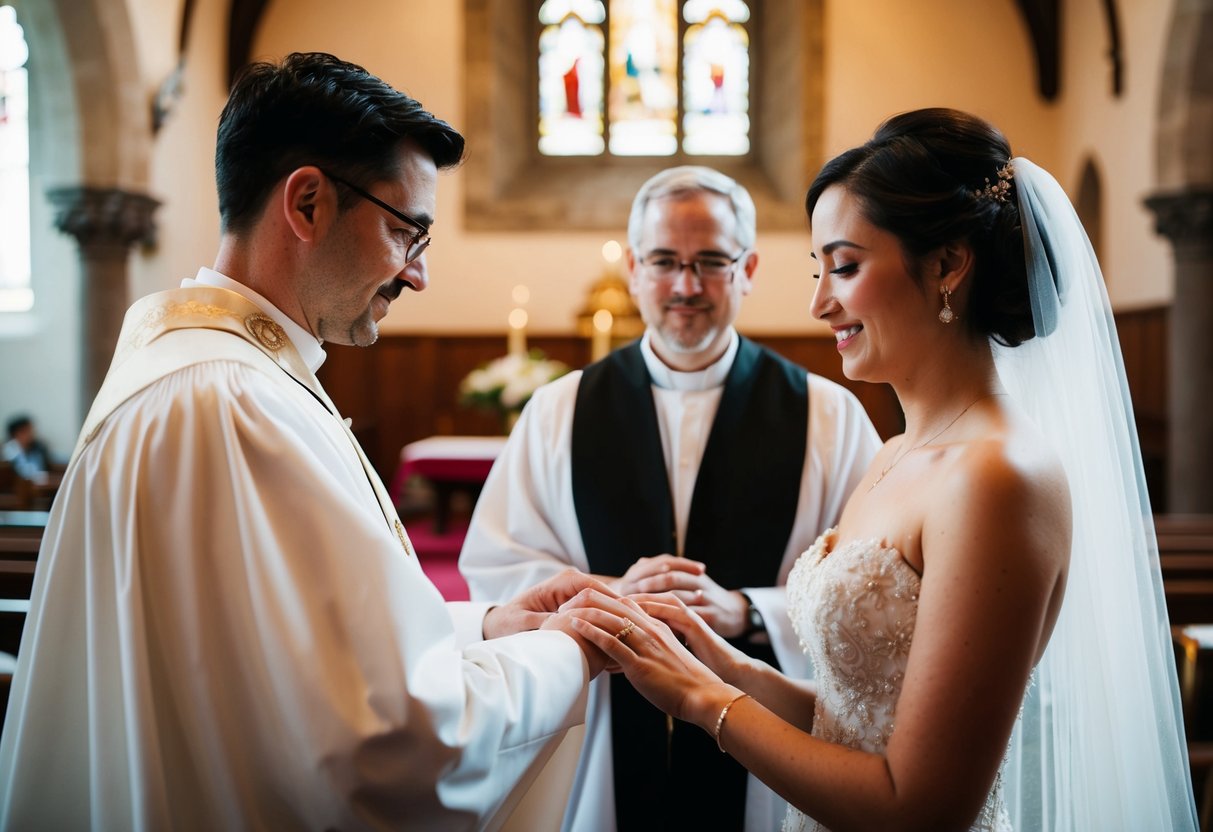
While traditions still play a part, many modern couples choose to share costs or pay for their own weddings. Open communication with family members about finances can ease stress and lead to a better planning experience. Knowing who pays for what can significantly impact your wedding budget and help avoid misunderstandings.
As you prepare for your special day, consider discussing these financial responsibilities with your families. This way, everyone will be on the same page, allowing you to focus on what really matters—celebrating your love with family and friends.
Understanding Traditional Financial Roles
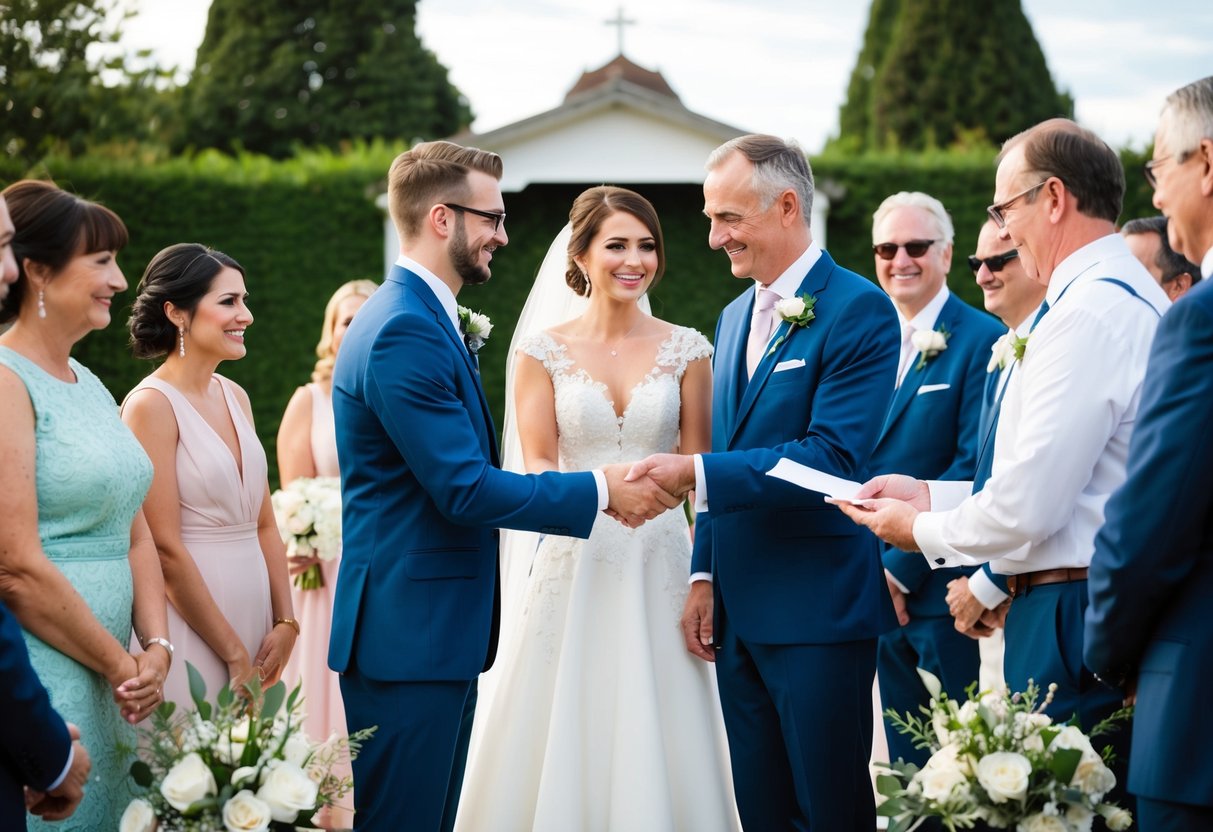
When planning a wedding, knowing who traditionally pays for what can help simplify your budget. Different customs exist for the financial responsibilities of both the bride’s and groom’s families. Understanding these roles can guide you in your wedding preparations.
Bride’s Family Contributions
Traditionally, the bride’s family takes on a large portion of the wedding costs. This often includes the expenses for the wedding reception, venue, catering, and decor.
Other contributions might involve paying for the bride’s attire, such as her wedding dress and accessories. It’s common for the bride’s family to be heavily involved in planning and coordinating these details. This support can relieve some pressure as you prepare for your big day.
Groom’s Family Responsibilities
On the flip side, the groom’s family typically has their own financial roles. They usually cover expenses related to the groom’s attire, including his suit or tuxedo. In addition, they may contribute to costs like wedding rings and other significant fees associated with the marriage.
The groom’s family may also handle arrangements for the rehearsal dinner, which can be a nice touch to kick off the celebrations. Engaging both families in these responsibilities can create a sense of shared joy and partnership in wedding planning.
Core Wedding Expenses

When planning your wedding, knowing the core expenses can help you budget effectively. Various elements contribute to the total cost, each having traditional expectations for who pays.
Ceremony and Reception Costs
The biggest part of your wedding budget usually goes to the ceremony and reception. This includes the venue hire, catering, and decorations.
Wedding Venue: Typically, the bride’s family covers the venue costs, which can vary significantly based on location and size.
Catering: Food and drinks are major expenses. It’s common for the groom’s family to contribute here, especially for larger receptions.
Wedding Flowers: Flowers for decorations, bouquets, and corsages are also included. Traditionally, they are funded by the bride’s family since they play a central role in the whole event.
Attire and Rings
Attire plays a key role in your wedding day.
Wedding Dress: The bride’s family typically pays for the wedding dress, which can be a significant expense depending on style and designer.
Suits for Groomsmen: The groom often covers the attire of his groomsmen as a thank-you for their support.
Wedding Rings: Both partners usually pay for their wedding rings. Some couples choose to buy their engagement and wedding rings together, which can help manage costs more effectively.
Photography and Video Coverage
Capturing your special day is important, so budgeting for a good photographer and videographer is essential.
Wedding Photographer: It’s common for the groom’s family to handle these costs. Choosing a photographer can greatly impact your memories of the day.
Video Coverage: Hiring a videographer adds another layer to your budget but can capture moments that photos alone cannot.
Pre-Wedding Events and Prep
Pre-wedding events can also add to your expenses.
Rehearsal Dinner: Usually, the groom’s family pays for the rehearsal dinner, which is a nice way to thank the wedding party.
Bridesmaids and Groomsmen: If you want to treat your bridal party, you might cover costs for their dresses or suits.
Wedding Invitations: These can be covered by either family, depending on tradition and agreement.
The Celebratory Aspects
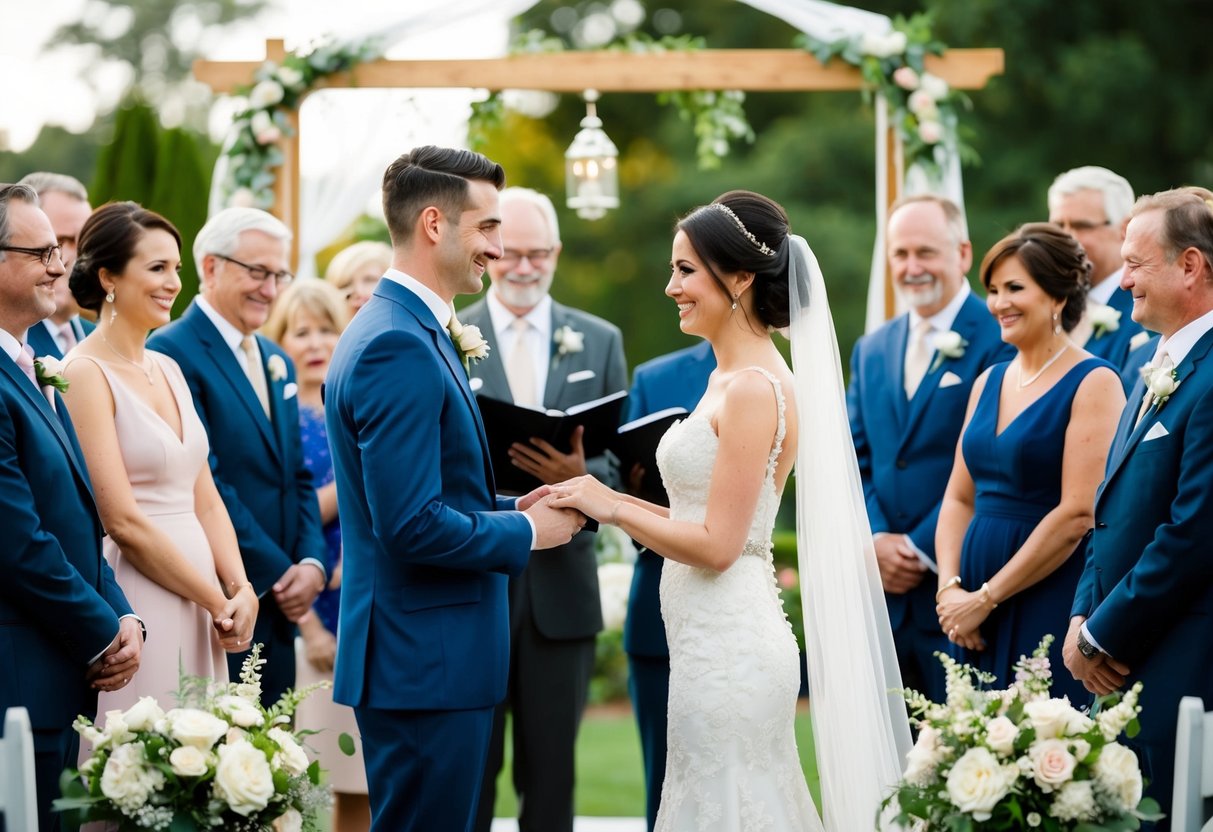
When planning a wedding, specific celebratory aspects play a significant role in budgeting and financial responsibilities. These include catering and drinks, entertainment and decor, and gifts and gratuities. Understanding who pays for what in these areas helps ensure a smooth celebration.
Catering and Drinks
Catering is usually one of the largest expenses in a wedding. Traditionally, the bride’s family often covers the reception meal and drinks. This includes the main course, appetizers, and any special dietary needs for guests.
You may also want to include a cake, as it’s a key part of the celebration. Consider whether you will have a buffet or seated dinner, as costs can vary.
Drink options are also important. This may involve a full bar, wine pairing, or soft drinks. It’s wise to discuss costs upfront to avoid unexpected expenses later.
Entertainment and Decor
Entertainment is essential for keeping your guests engaged. This may include hiring a band, DJ, or even a string quartet. The couple often shares or splits these costs with their families.
Decor plays a big part in setting the mood. The bride’s family traditionally pays for flowers like bouquets and buttonholes and the decor for tables and the venue.
It’s also helpful to consider having a special backdrop or photo booth for fun memories. Discussing choices and costs with all parties helps make planning less stressful.
Gifts and Gratuities
Gift-giving is another important aspect of a wedding celebration. Couples typically choose to give gifts to their wedding party to show appreciation for their support. This might include items like personalized keepsakes or gift cards.
You might also need to plan for gratuities. It’s common to tip vendors, such as the officiant, photographer, or catering staff, to acknowledge their services. This is a good area to clarify beforehand to make sure everyone is on the same page about expectations.
Post-Wedding Considerations

After your wedding, there are important aspects to think about that can impact your new life together. Here are two key areas to review: your honeymoon plans and post-nuptial arrangements.
Honeymoon and Accommodations
Deciding on your honeymoon is exciting, but it can also bring up questions about expenses. Traditionally, the couple often pays for their own honeymoon, but this can vary. It’s a good idea to discuss who will cover costs, including travel, meals, and activities.
Consider booking a wedding night hotel for a relaxing end to the big day after all the celebrations. Wedding insurance can help protect your plans in case unexpected issues arise. Don’t forget to look for deals or packages that can save money on accommodations and tours.
Post-Nuptial Arrangements
After tying the knot, you might need to take care of some administrative tasks. Make sure to update legal documents, such as bank accounts and insurance policies, to include your new marital status.
Also, talk about any elopement plans. If you choose to have a more private celebration later, you can create a fun bridal shower plan with friends before or after the wedding to celebrate with loved ones.
Having these conversations early can help make your life easier as a couple.